Recombinant Expression and Characterization of a Novel Type I Baeyer–Villiger Monooxygenase from a Streptomyces Strain Isolated from the Rhizosphere of the Atacama Desert Lupinus oreophilus
Carolina González, Sebastián Rodríguez, José Pablo Reyes-Godoy, Valeria Razmilic, Irene Martínez

TL;DR
A new Baeyer–Villiger monooxygenase was discovered in a desert plant's rhizosphere and shown to work well in industrial conditions.
Contribution
A novel BVMO from a Streptomyces strain in the Atacama Desert was identified, expressed, and characterized for biocatalytic potential.
Findings
MO-G35A was successfully expressed in E. coli, with highest yields in Shuffle T7 due to disulfide bond requirements.
The enzyme showed optimal activity at 35–38 °C with a Km of 0.06 mM and kcat of 0.15 s−1 for BHC.
MO-G35A exhibited high stability in organic solvents, making it suitable for industrial applications.
Abstract
The Atacama Desert is emerging as an unexpected source of microbial life and, thus, a source of bioactive compounds and novel enzymes. Baeyer–Villiger monooxygenases (BVMOs), a subclass of flavin-dependent monooxygenases (FPMOs), have gained attention as promising biocatalysts for the biosynthesis of industrially relevant molecules for a wide range of applications, such as pharmaceuticals and polymers, among others. BVMOs catalyze the oxidation of ketones and cyclic ketones to esters and lactones, respectively, by using molecular oxygen and NAD(P)H. BVMOs may also catalyze heteroatoms oxidation including sulfoxidations and N-oxidations. This work aims to search for novel BVMOs in the genomes of new bacterial strains isolated from the Atacama Desert. Bioinformatic analysis led to the identification of 10 putative BVMOs, where the monooxygenase named MO-G35A was selected. Genome context…
Genes, proteins, chemicals, diseases, species, mutations and cell lines named across the full text — each resolved to its canonical identifier and authoritative record.
Click any figure to enlarge with its caption.
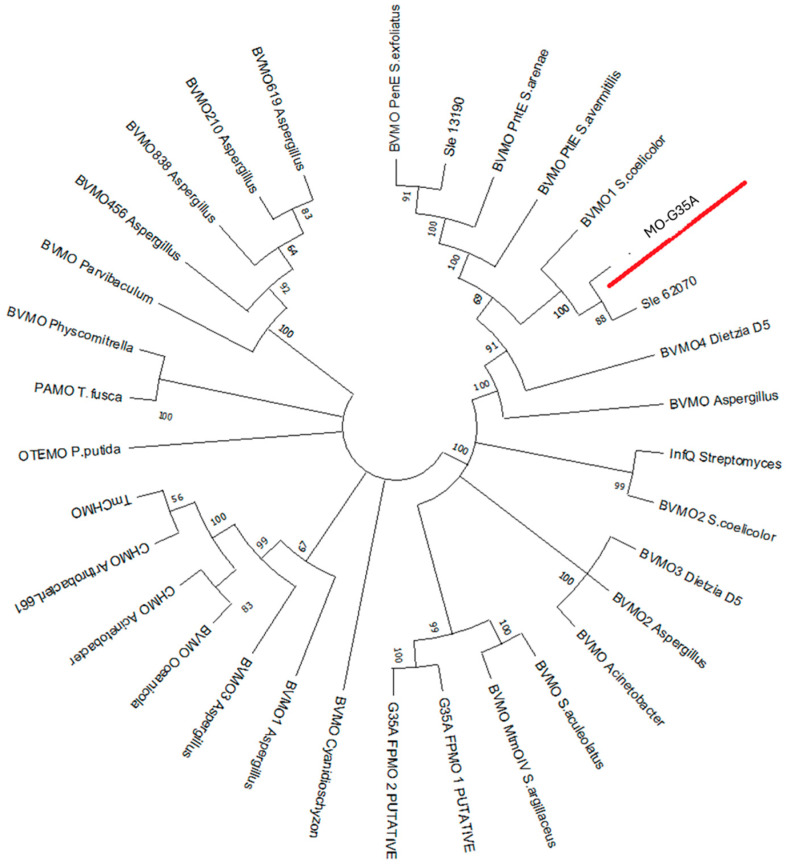 Figure 1
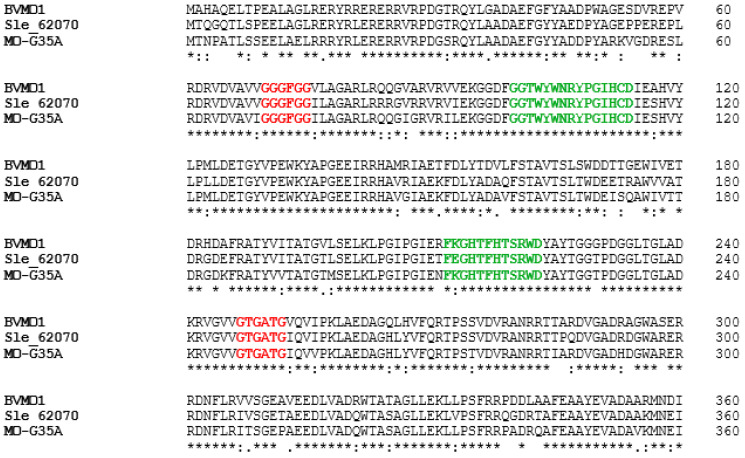 Figure 2
 Figure 3
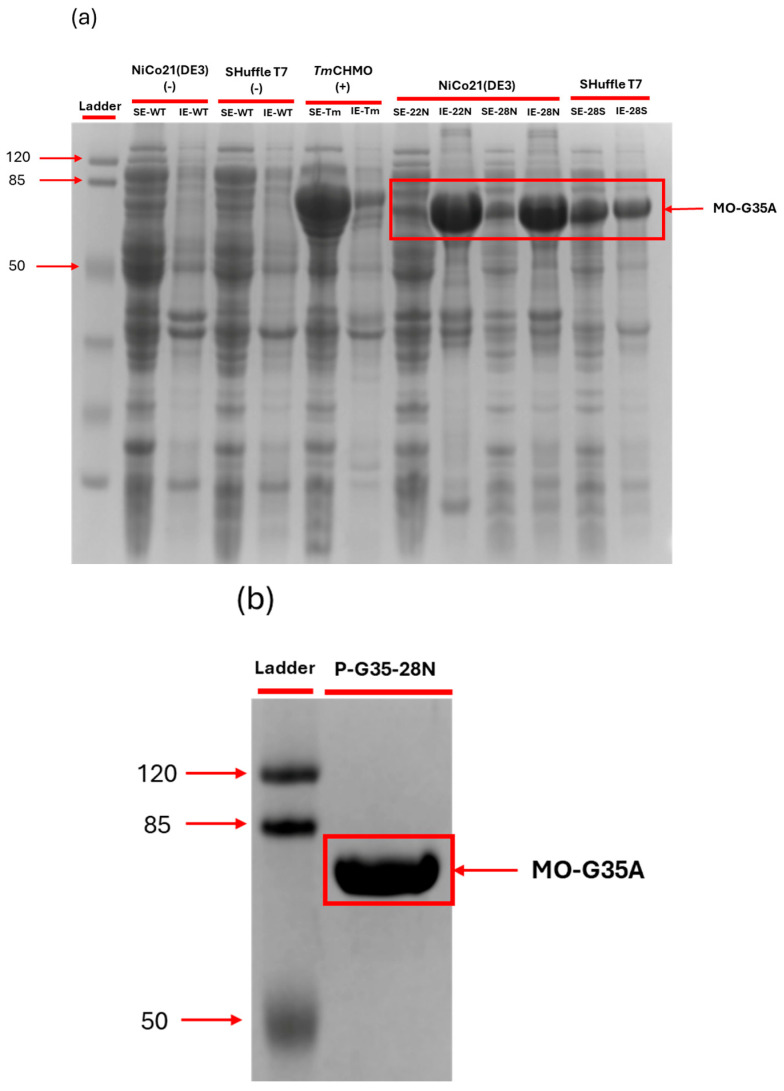 Figure 4
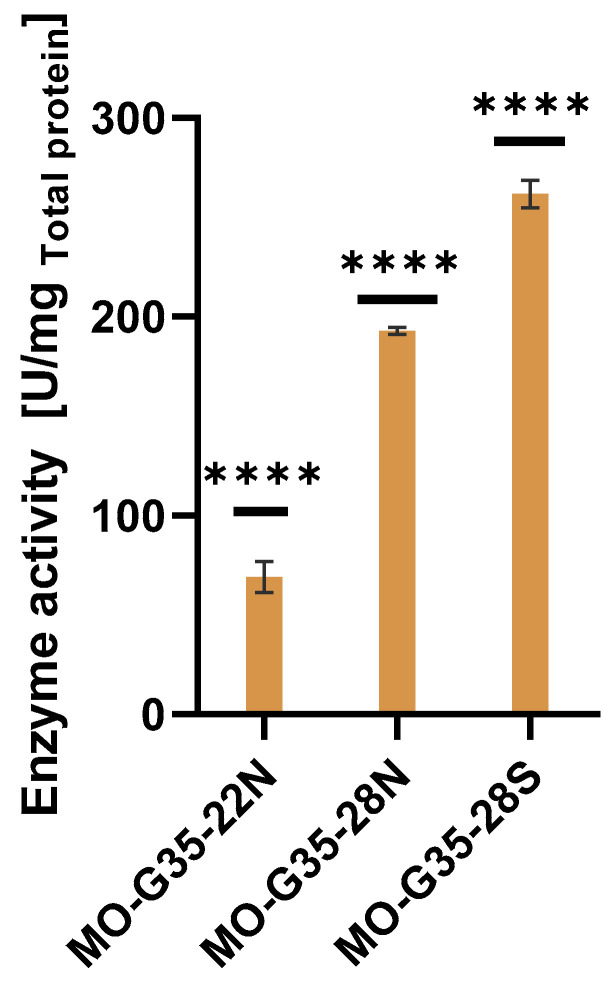 Figure 5
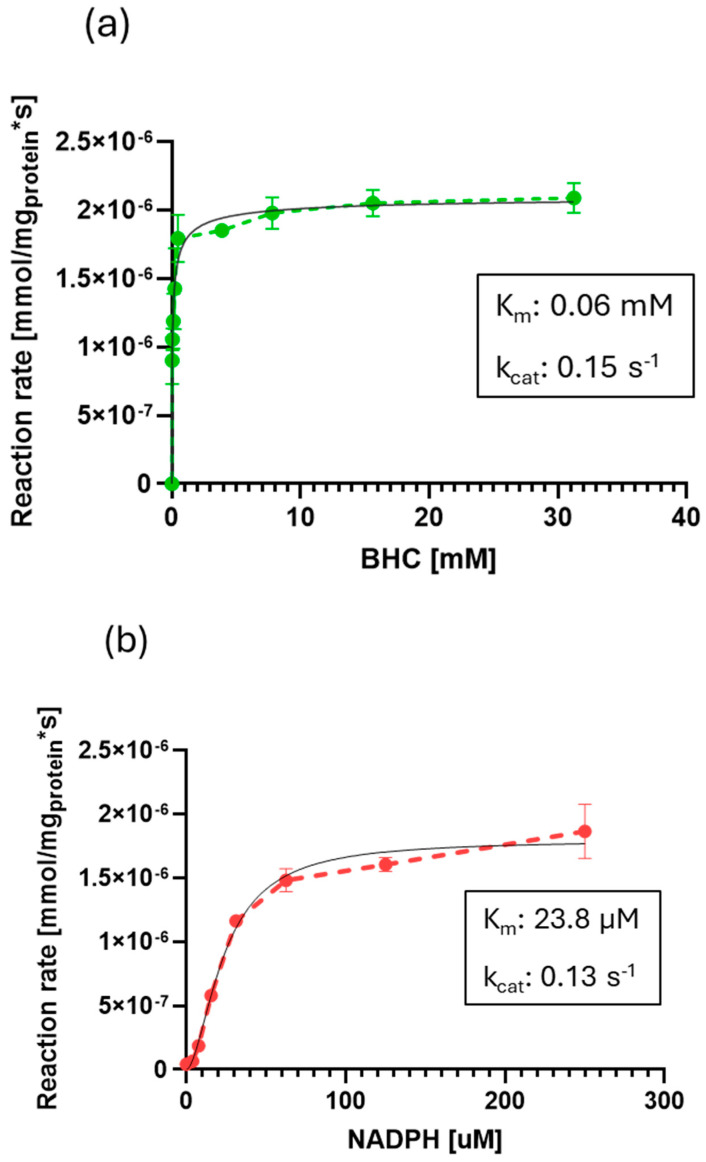 Figure 6
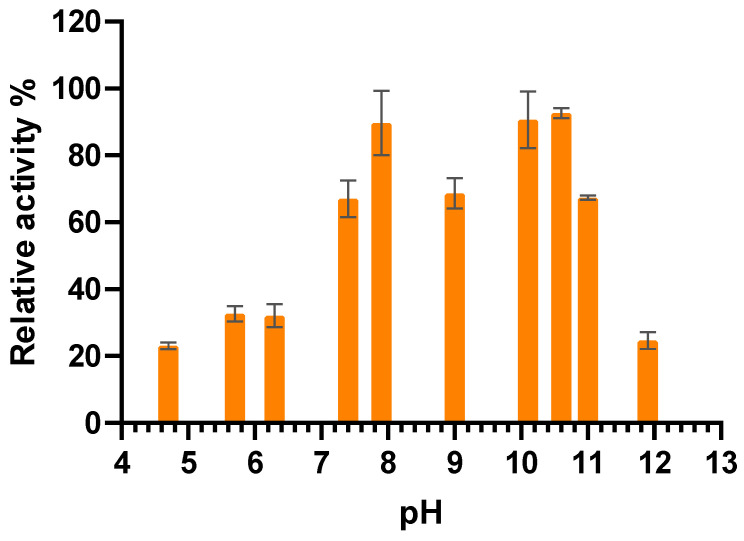 Figure 7
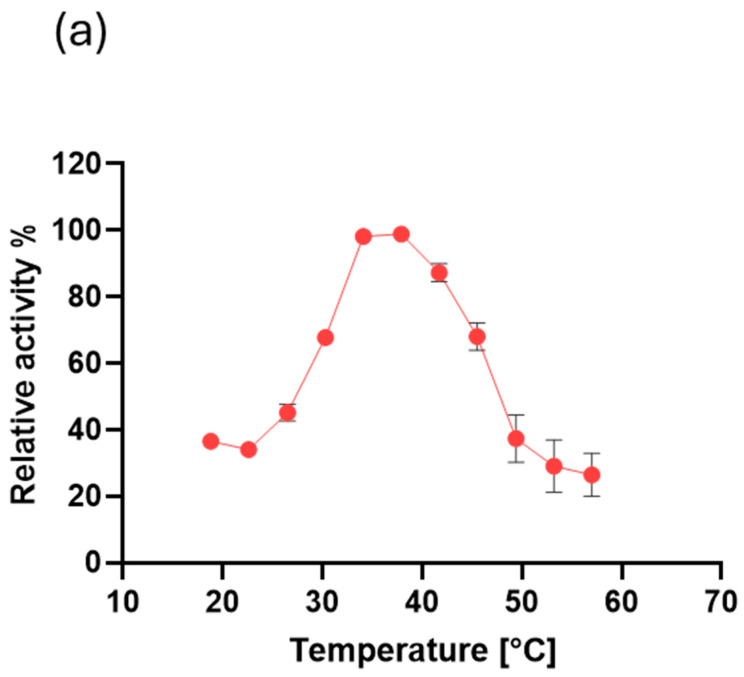 Figure 8
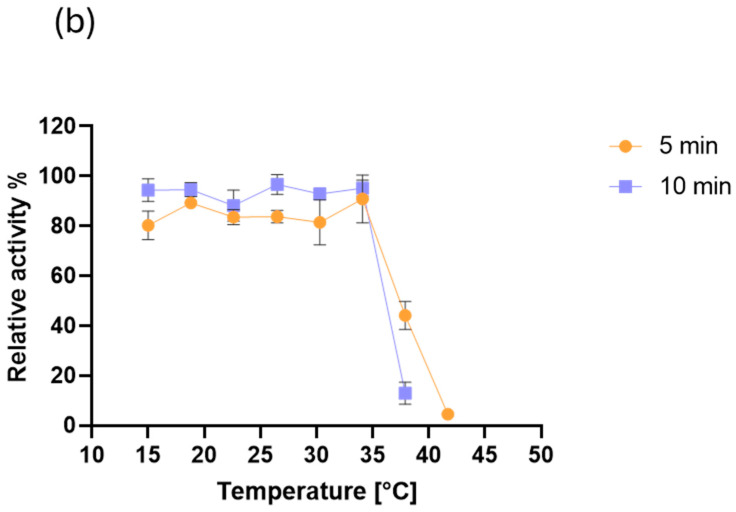 Figure 9
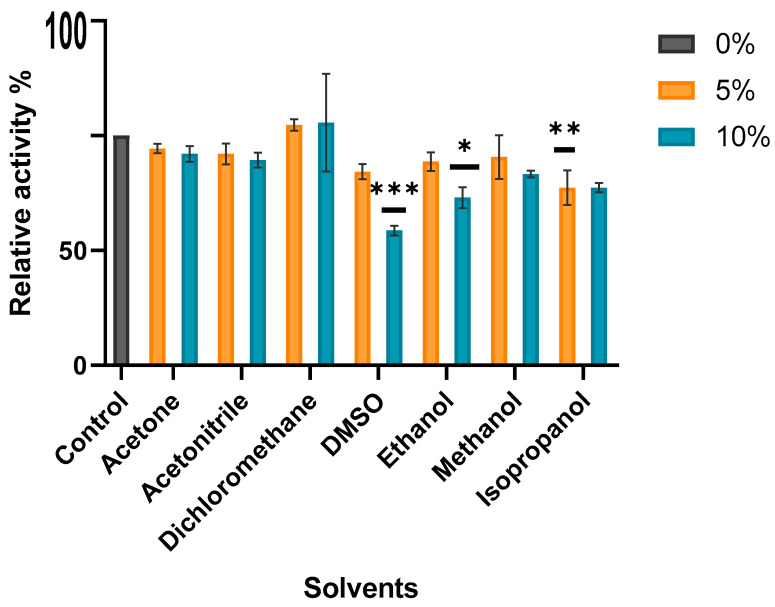 Figure 10
 Figure 11
Peer Reviews
No public reviews on file for this paper yet. If you reviewed it on a platform where reviews are public (OpenReview, ICLR, NeurIPS, ICML), you can paste yours below so the community can read it here.
Videos
No videos yet. Explain this paper in a talk, walkthrough, or lecture? Add one.
Taxonomy
TopicsEnzyme Catalysis and Immobilization · Microbial bioremediation and biosurfactants · Microbial Metabolic Engineering and Bioproduction