Cysteine pattern barcoding-based dataset filtration enhances the machine learning-assisted interpretation of Conus venom peptide therapeutics
Rimsha Bibi, Noshaba Qasmi, Sajid Rashid

TL;DR
This study uses machine learning to analyze cone snail venom peptides and identify those with therapeutic potential by examining their cysteine patterns.
Contribution
A novel dataset filtration method using cysteine pattern barcoding improves machine learning predictions of venom peptide therapeutic potential.
Findings
Cysteine pattern barcodes were generated for 5,985 cone snail peptides across 82 species.
A Random Forest model achieved 90.48% accuracy in classifying peptides based on therapeutic potential.
Structural and binding pattern analysis revealed similarities between approved and novel peptides.
Abstract
Crude cone snail venom is a rich source of bioactive compounds with significant therapeutic potential. In this study, we conducted a comprehensive analysis of 5,985 cone snail peptides across 82 Conus species to identify unique cysteine (Cys) patterns and associated frameworks. The classification of these Cys patterns, based on conserved framework combinations, enabled the generation of species-level pattern barcodes. These barcodes were then evaluated to assess the species correlations of individual sequences. By analyzing 151 known Conus peptide PDB files, we computed Cys disulfide linkages to assess overall stability profiles. Incorporating barcode data allowed us to filter the dataset and prepare it for machine learning (ML) processing. Random Forest (RF) modeling, a supervised learning technique, was used to predict the therapeutic potential of venom peptides. Feature extraction…
Genes, proteins, chemicals, diseases, species, mutations and cell lines named across the full text — each resolved to its canonical identifier and authoritative record.
Click any figure to enlarge with its caption.
 Figure 1
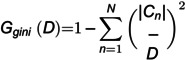 Figure 2
 Figure 3
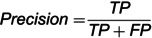 Figure 4
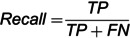 Figure 5
 Figure 6
 Figure 7
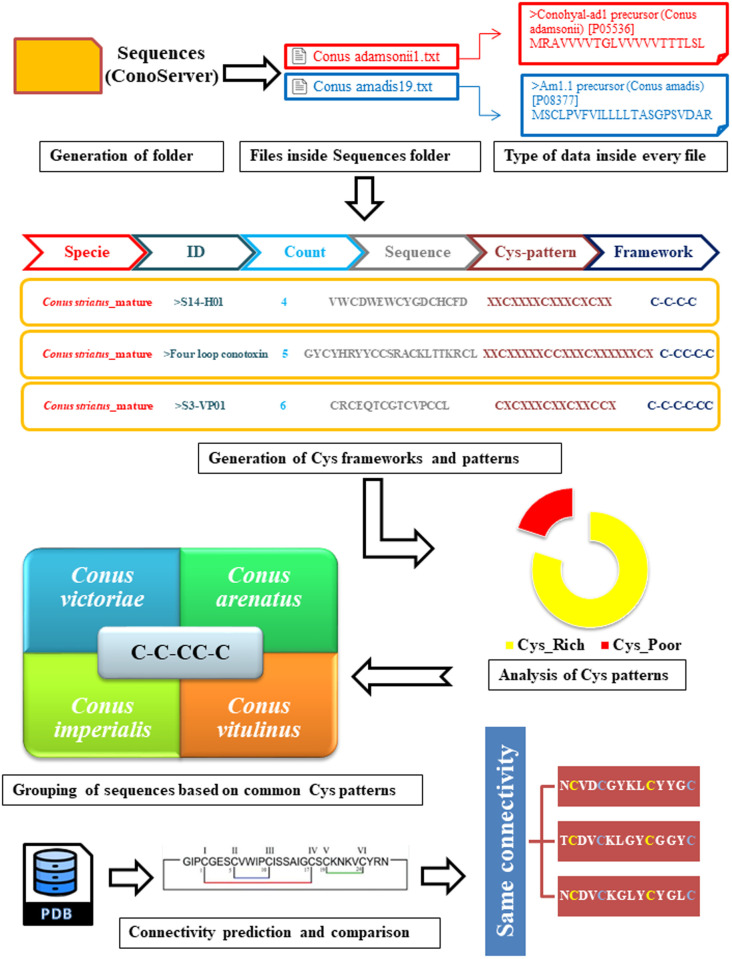 Figure 8
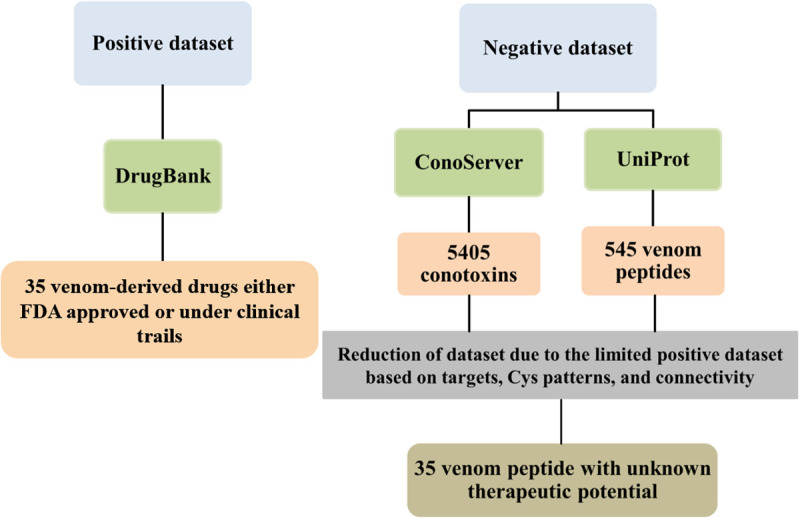 Figure 9
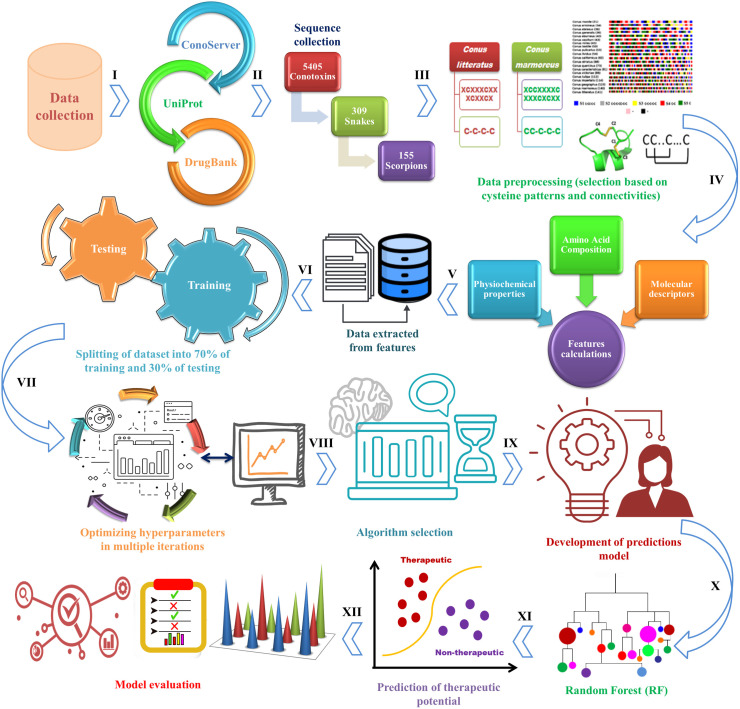 Figure 10
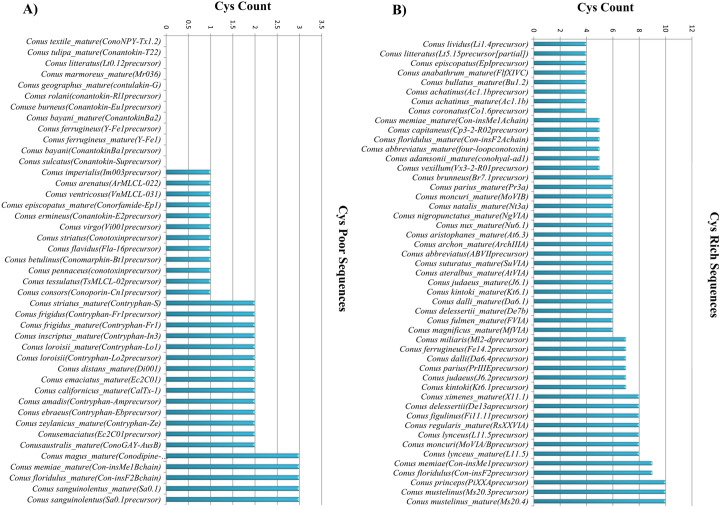 Figure 11
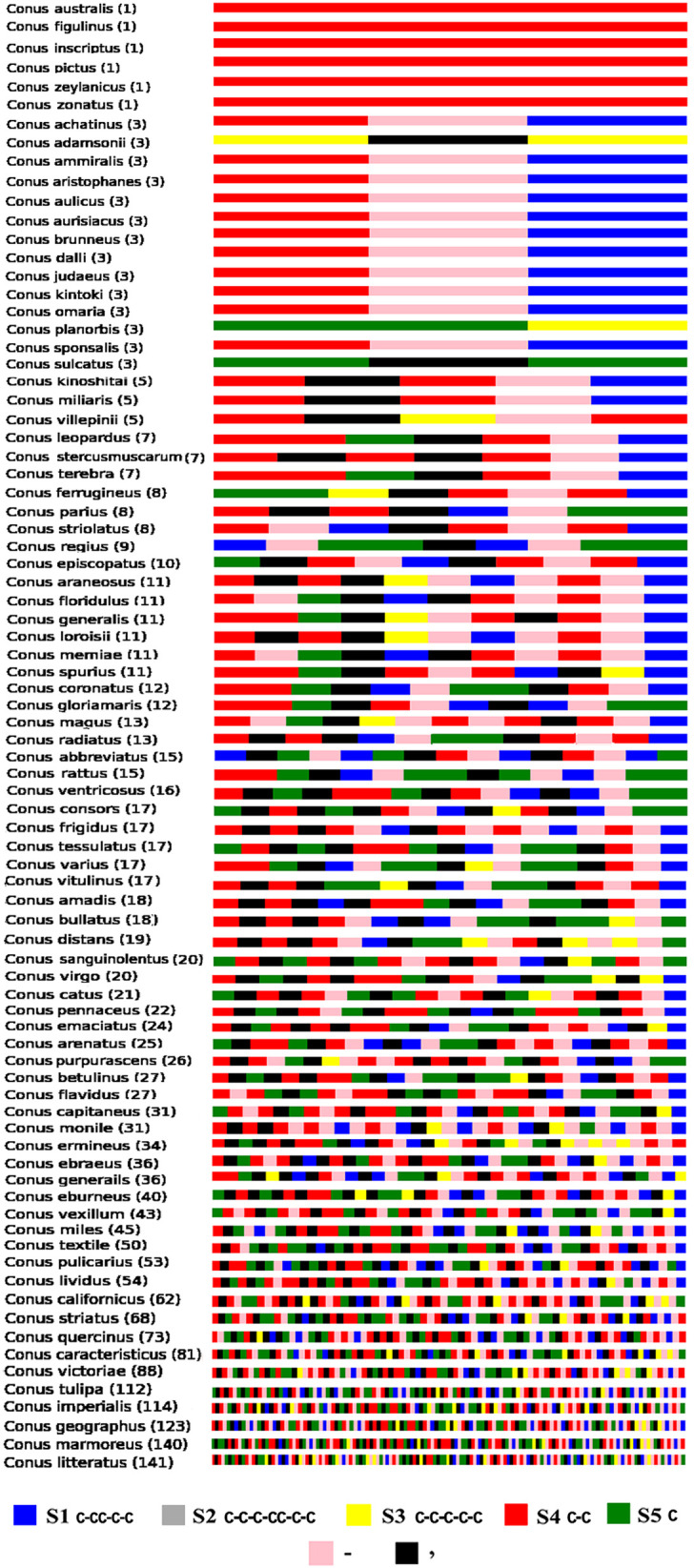 Figure 12
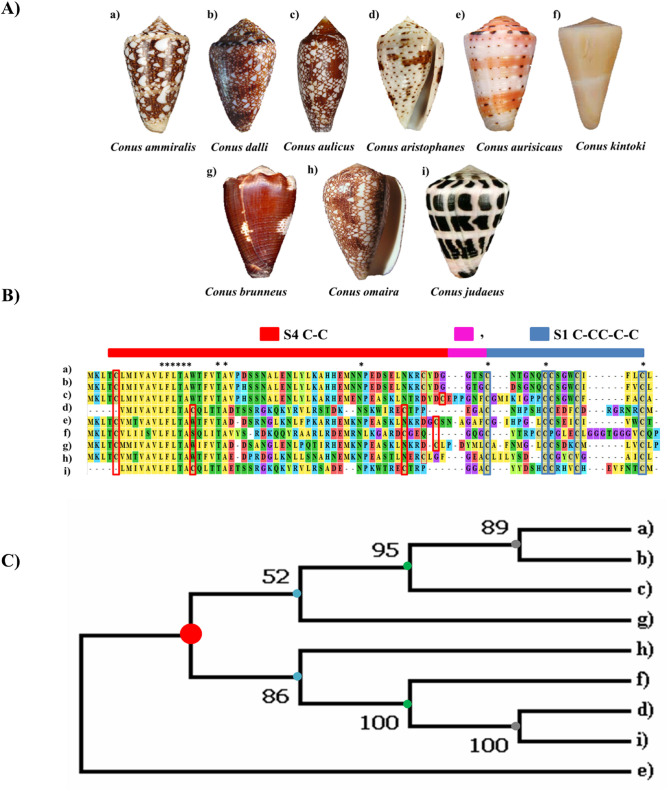 Figure 13
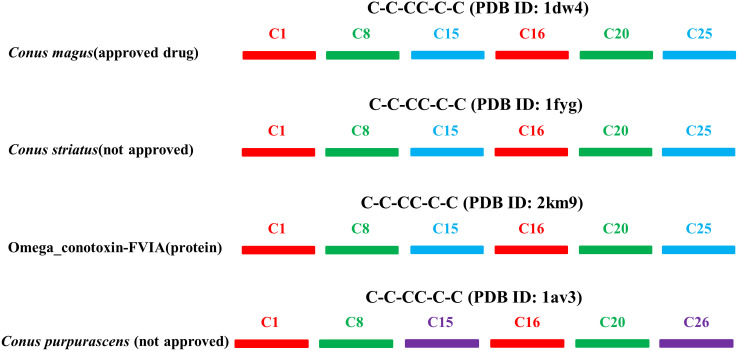 Figure 14
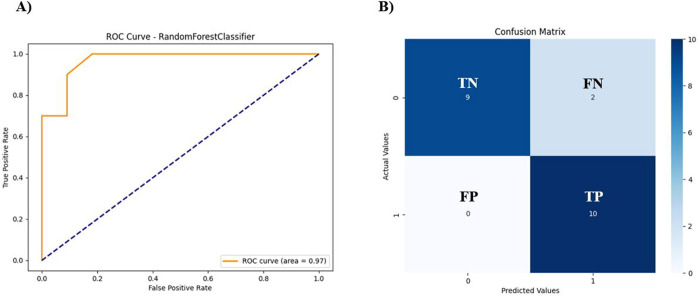 Figure 15
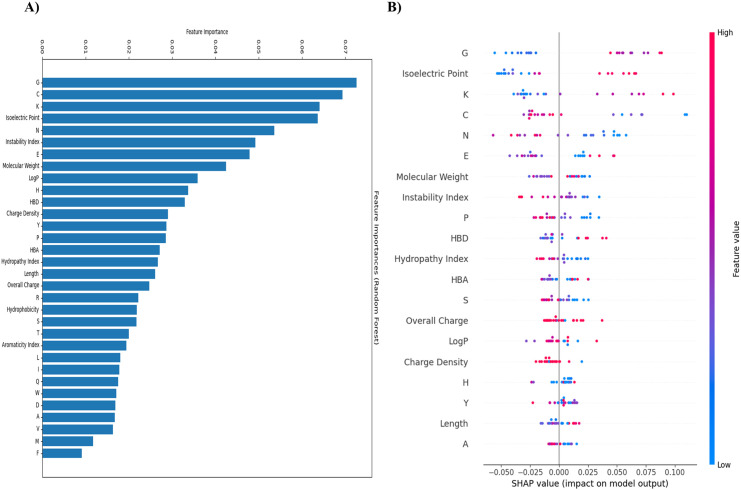 Figure 16
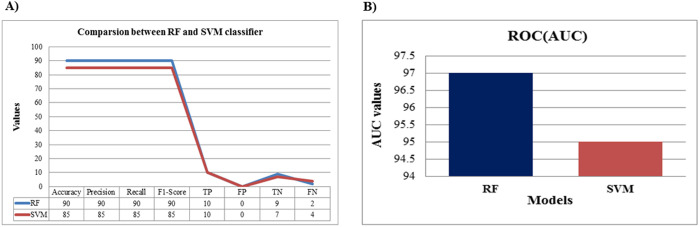 Figure 17
 Figure 18
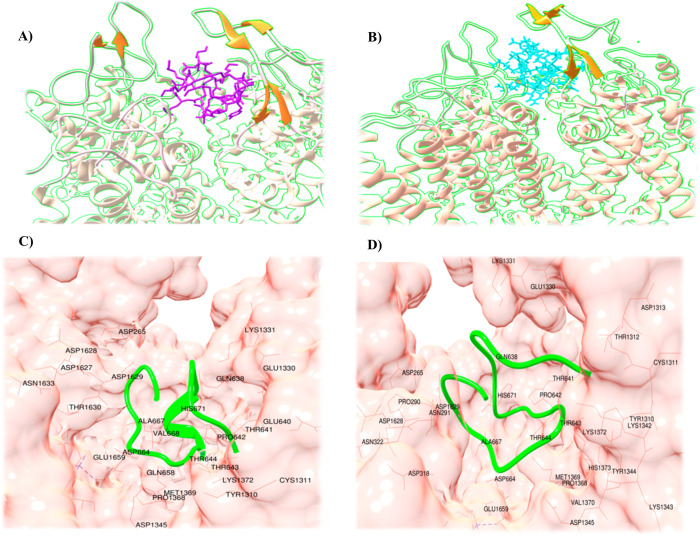 Figure 19
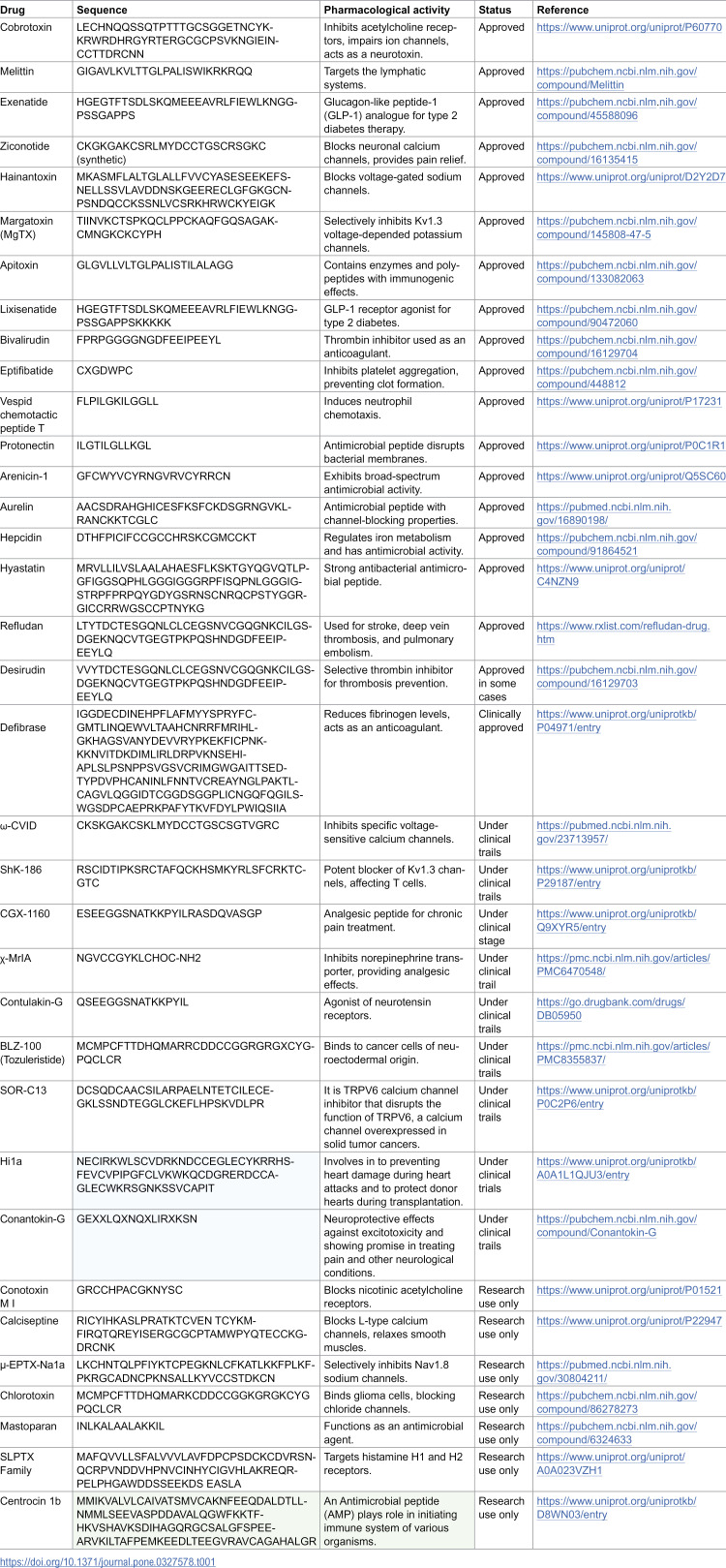 Figure 20
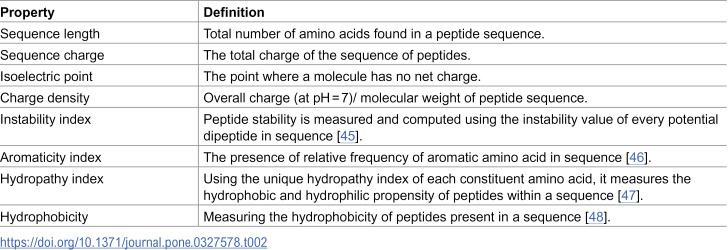 Figure 21
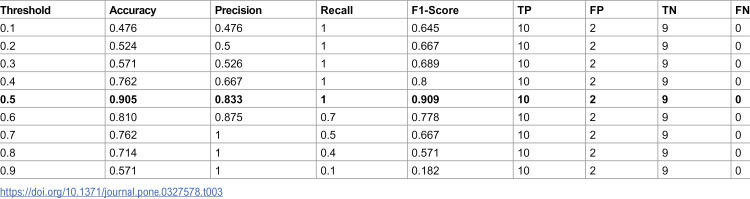 Figure 22
 Figure 23
 Figure 24
Peer Reviews
No public reviews on file for this paper yet. If you reviewed it on a platform where reviews are public (OpenReview, ICLR, NeurIPS, ICML), you can paste yours below so the community can read it here.
Videos
No videos yet. Explain this paper in a talk, walkthrough, or lecture? Add one.
Taxonomy
TopicsNicotinic Acetylcholine Receptors Study · Antimicrobial Peptides and Activities · Chemical Synthesis and Analysis