Synthesis of polypyrrole/cellulose nanocrystals disks for removal of pyocyanin metabolite biomarker released by Pseudomonas aeruginosa
Waleed A. El-Said, Ziya A. Khan, Deia A. El-Hady, Wael Alshitari, Mostafa Kamal Masud, Yusuke Yamauchi

TL;DR
Researchers created a new material from cellulose and polypyrrole that efficiently removes a harmful metabolite from Pseudomonas aeruginosa, a dangerous bacteria.
Contribution
A novel, cost-effective composite material for efficient removal of pyocyanin from contaminated water is developed.
Findings
The PPy/cellulose composite disk removes over 93% of 10 ppm pyocyanin in 35 minutes at 303 K.
Optimal adsorption occurs at 20 mg adsorbent dose under specified conditions.
The material shows potential for treating P. aeruginosa infections and recycling pyocyanin.
Abstract
Pseudomonas aeruginosa is a high-risk pathogen associated with several human diseases. Pyocyanin (PYO), a redox-active secondary metabolite produced by P. aeruginosa, plays a critical role in its survival and pathogenicity, exhibiting both antibacterial and toxic properties. Recent studies have shown that reducing PYO production can inhibit the growth of P. aeruginosa. Here, we report the extraction of cellulose nanocrystals from rice husk for the fabrication of cellulose nanocrystal/polypyrrole (PPy/cellulose) composite disks. This nanocomposite disk acts as a simple, highly efficient, and cost-effective adsorbent for removing PYO metabolites from contaminated water samples. The chemical and morphological features of the PPy/cellulose composites are investigated using various techniques. Solid-phase extraction is employed to remove PYO, with treatment conditions optimized for maximum…
Genes, proteins, chemicals, diseases, species, mutations and cell lines named across the full text — each resolved to its canonical identifier and authoritative record.
Click any figure to enlarge with its caption.
 Figure 1
 Figure 2
 Figure 3
 Figure 4
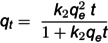 Figure 5
 Figure 6
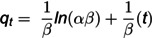 Figure 7
 Figure 8
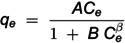 Figure 9
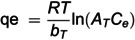 Figure 10
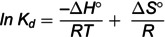 Figure 11
 Figure 12
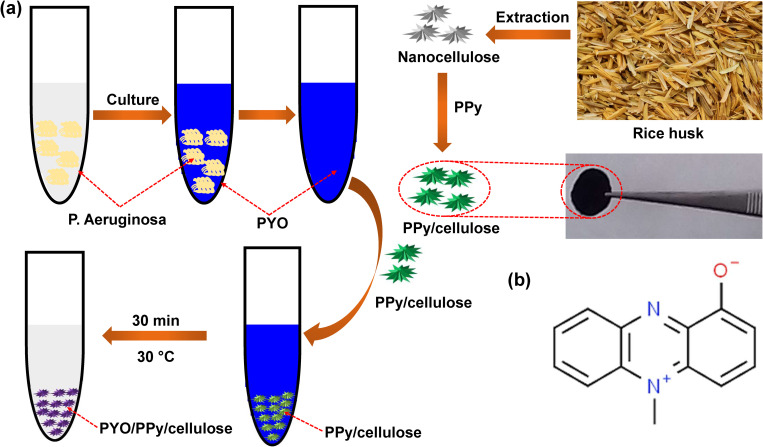 Figure 13
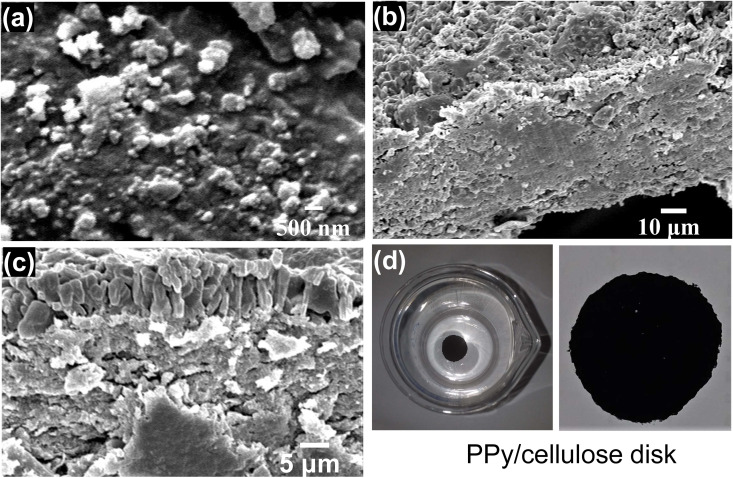 Figure 14
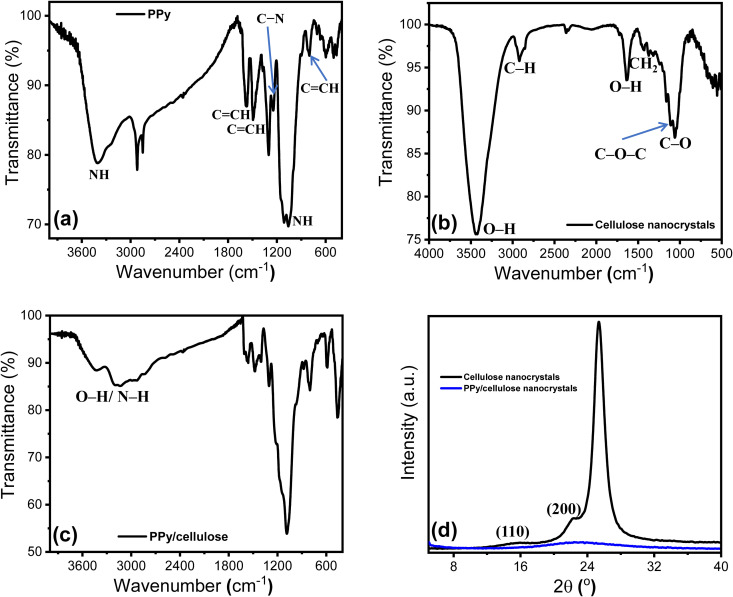 Figure 15
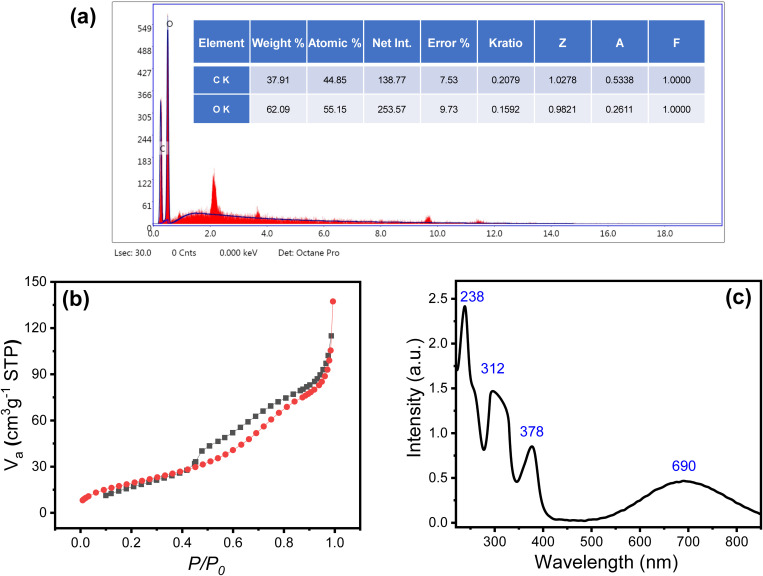 Figure 16
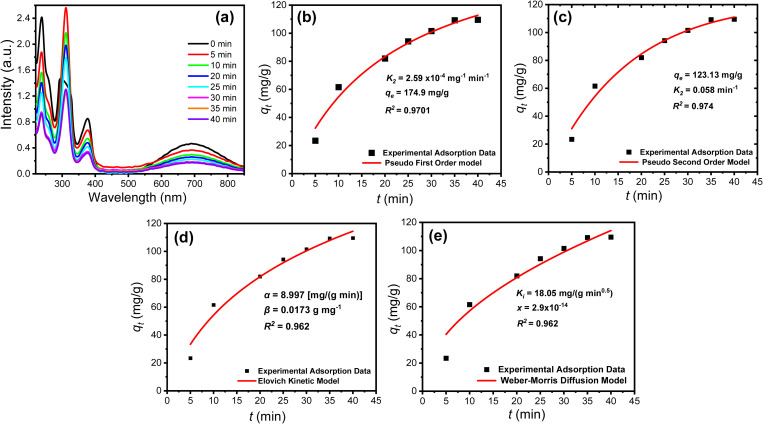 Figure 17
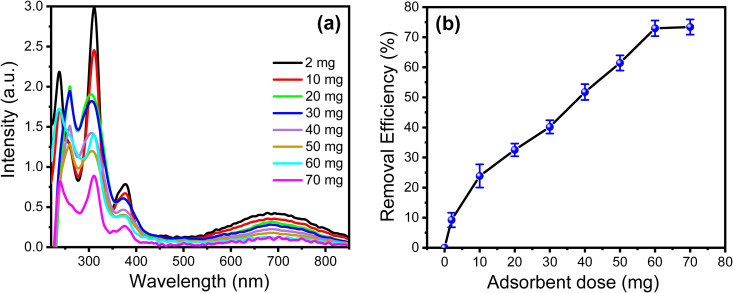 Figure 18
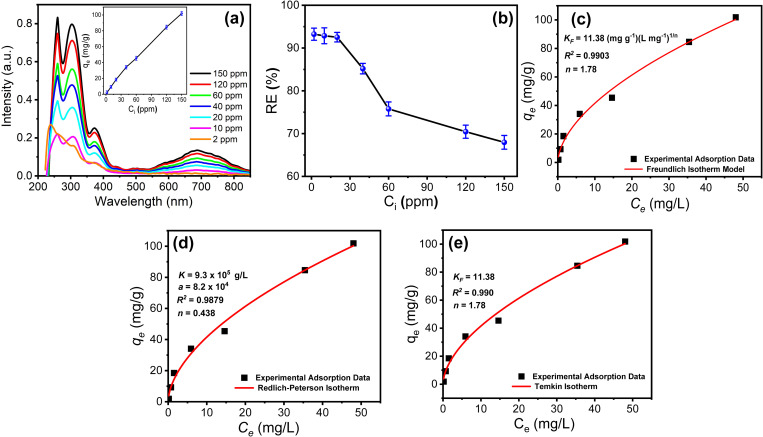 Figure 19
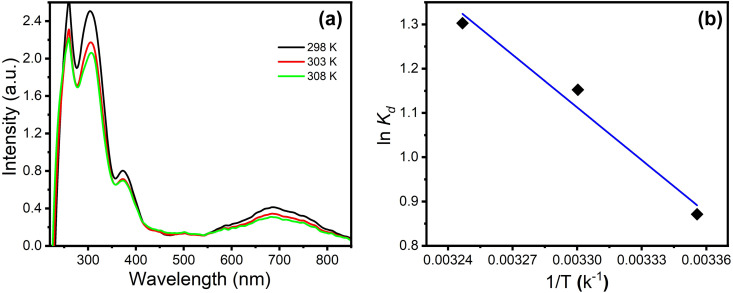 Figure 20
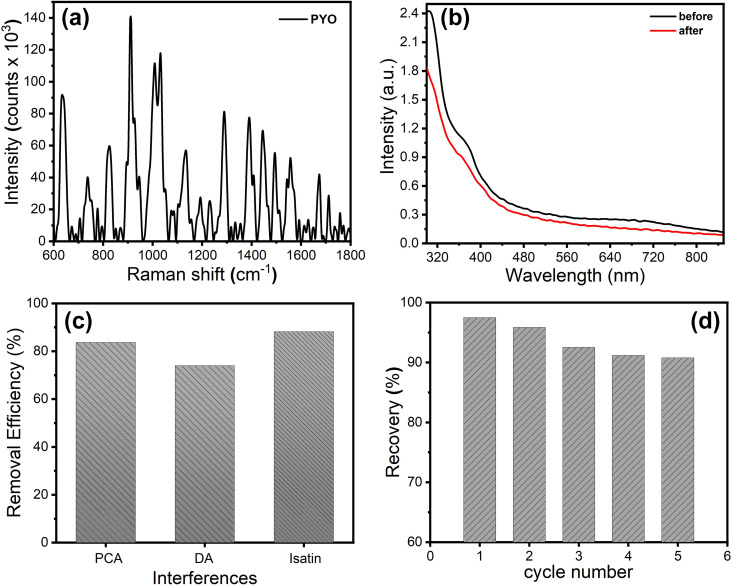 Figure 21
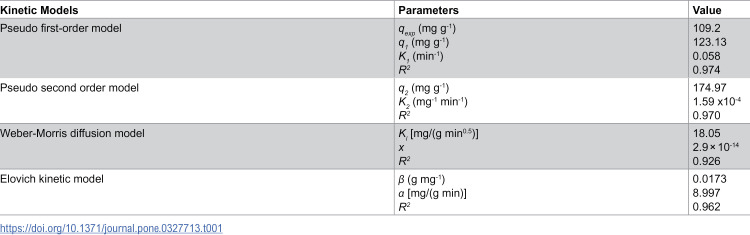 Figure 22
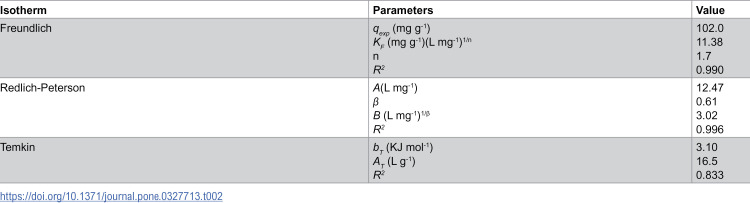 Figure 23
Peer Reviews
No public reviews on file for this paper yet. If you reviewed it on a platform where reviews are public (OpenReview, ICLR, NeurIPS, ICML), you can paste yours below so the community can read it here.
Videos
No videos yet. Explain this paper in a talk, walkthrough, or lecture? Add one.
Taxonomy
TopicsBacterial biofilms and quorum sensing · Nanoparticles: synthesis and applications · Pharmaceutical and Antibiotic Environmental Impacts