Cytotoxic activity of Ganoderma weberianum-sichuanese isolated from the Lower Volta River Basin of Ghana against human prostate carcinoma (PC-3), leukemic T cell (Jurkat), and plasmacytoid dendritic cell (pDC)-derived acute leukemia (PMDC05) cell lines
Gideon Adotey, Raphael N. Alolga, Abraham Quarcoo, Mohammed Ahmed Gedel, Paul Yerenkyi, Phyllis Otu, Abraham K. Anang, Laud K.N. Okine, Winfred S.K. Gbewonyo, John C. Holliday, Vincent C. Lombardi, Mónica Chávez-González, Miquel Vall-llosera Camps, Karla Oyuky Juarez-Moreno

TL;DR
A Ghanaian Ganoderma fungus shows selective cytotoxic effects on prostate, leukemia, and dendritic cell-derived cancer cell lines.
Contribution
First demonstration of Ganoderma weberianum-sichuanese's selective cytotoxicity against specific human cancer cell lines.
Findings
Ganoderma weberianum-sichuanese fractions inhibited PC-3, Jurkat, and PMDC05 cancer cell proliferation with low IC50 values.
The cytotoxic effect was selective, with significantly higher IC50 observed in normal Chang liver cells.
Phylogenetic analysis confirmed the isolate belongs to the Ganoderma weberianum-sichuanese species complex.
Abstract
Ganoderma is a genus of medically important fungus that contains at least 80 species, many of which have not been properly evaluated for their anticancer potential. This study was conducted to assess the cytotoxic activity of the mycelial biomass of Ganoderma weberianum-sichuanese isolated from the Lower Volta River Basin of Ghana. The nuclear ribosomal internal transcribed spacer (ITS) region was analyzed to determine the phylogenetic position of this native ganoderma isolate. We then tested its cytotoxic activity against the human carcinoma cell line PC-3 (human prostate), Jurkat (human T lymphoblastoid cell line), derived from an acute T cell leukemia, and PMDC05, a plasmacytoid dendritic cell (pDC) derived from acute leukemia using the 3-(4,5-dimethyl-2-thiazolyl)-2,5-diphenyl-2H-tetrazolium bromide (MTT) assay. The ITS phylogenetic analysis demonstrated that this native Ghanaian…
Genes, proteins, chemicals, diseases, species, mutations and cell lines named across the full text — each resolved to its canonical identifier and authoritative record.
Click any figure to enlarge with its caption.
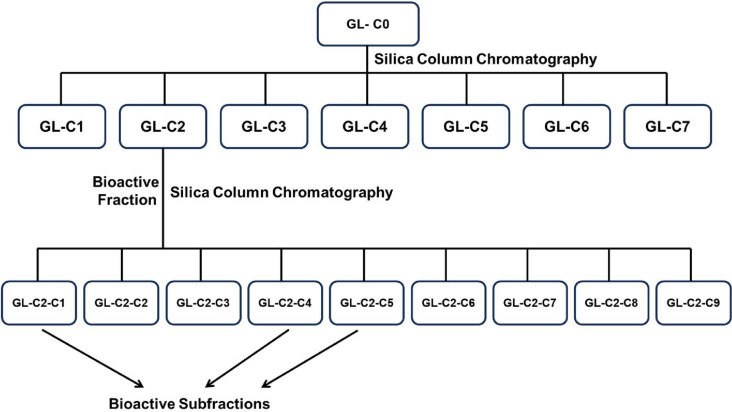 Figure 1
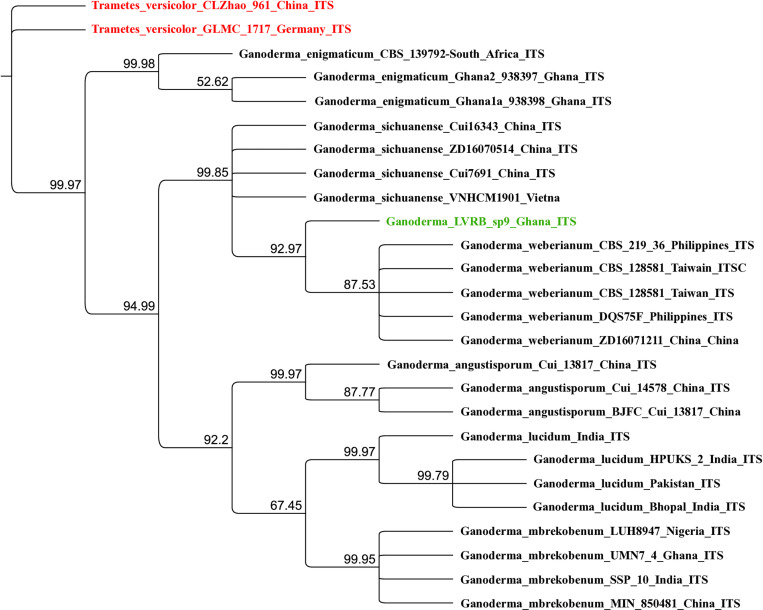 Figure 2
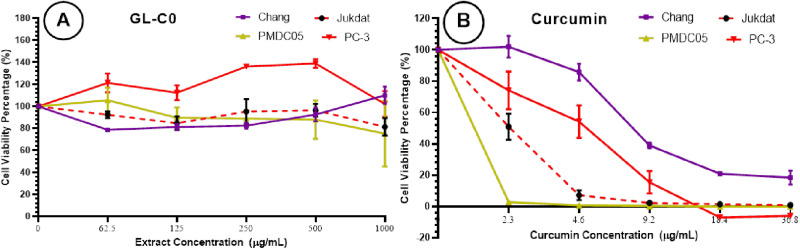 Figure 3
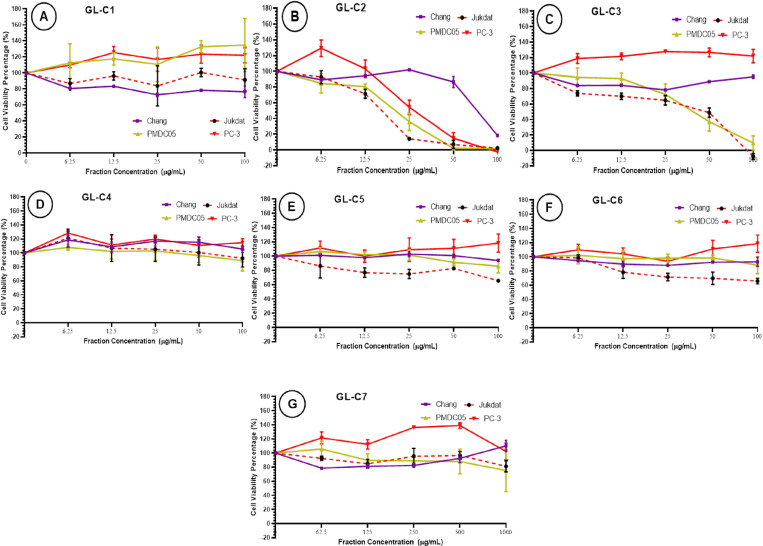 Figure 4
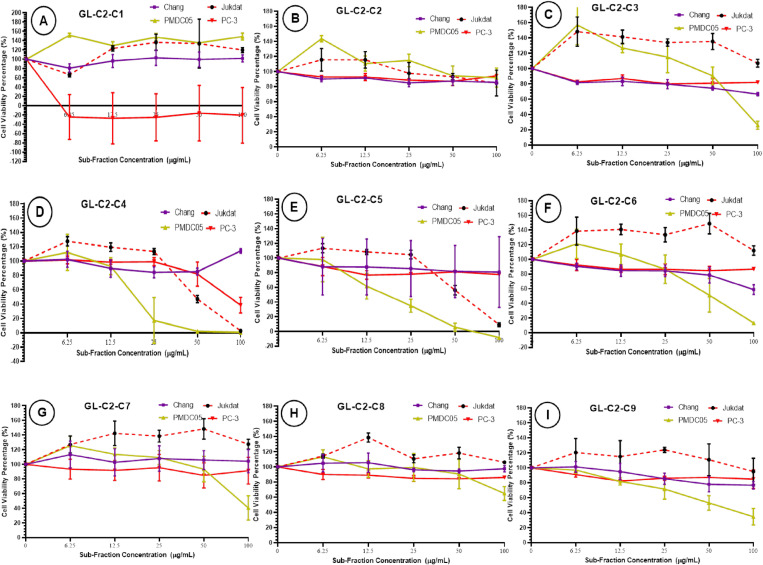 Figure 5
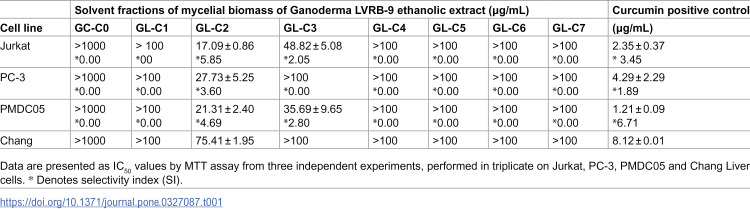 Figure 6
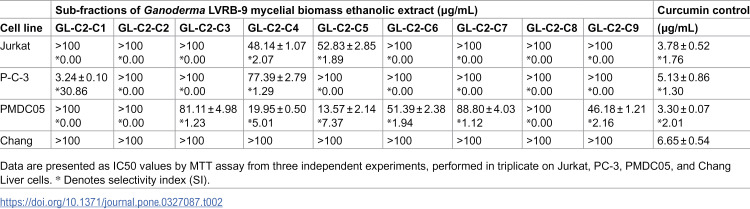 Figure 7
Peer Reviews
No public reviews on file for this paper yet. If you reviewed it on a platform where reviews are public (OpenReview, ICLR, NeurIPS, ICML), you can paste yours below so the community can read it here.
Videos
No videos yet. Explain this paper in a talk, walkthrough, or lecture? Add one.
Taxonomy
TopicsFungal Biology and Applications · Phytochemistry and Bioactivity Studies · Mycorrhizal Fungi and Plant Interactions