Spontaneous recanalization of extracranial internal carotid occlusion: A systematic scoping review
Sarah Y. Zhang, Hee Sahng Chung, Brian Dewar, Robert Fahed, Michel Shamy, Risa Shorr, Dar Dowlatshahi, Atakan Orscelik, Atakan Orscelik, Atakan Orscelik, Atakan Orscelik, Atakan Orscelik, Atakan Orscelik, Atakan Orscelik

TL;DR
This study reviews how often blocked carotid arteries clear up on their own and finds that it may happen within six months, but there's no standard treatment or imaging approach.
Contribution
The paper provides a systematic scoping review of spontaneous recanalization of extracranial carotid artery occlusions, highlighting timing and treatment patterns.
Findings
Spontaneous recanalization occurs in about 21.2% of cases, with 46.7% occurring within six months in cohort studies.
Antiplatelet treatment is the most common medical therapy before and after recanalization.
Doppler imaging and angiography are frequently used to detect recanalization.
Abstract
The spontaneous recanalization of an occluded extracranial internal carotid artery (ICA) is thought to be an uncommon etiology of ischemic stroke. However, a growing number of reports describe this phenomenon. We sought to perform a scoping review of the literature to assess the prevalence of spontaneous ICA recanalization and its timing in relation to occlusion, and any patterns in imaging and treatment. MEDLINE, Embase, Cochrane Central Register of Controlled Trials and Web of Science were searched from inception to March 2024 for studies that included adults with spontaneous recanalization or transient occlusion of the extracranial internal carotid artery. Two investigators independently screened the studies and extracted data around recanalization proportion, timepoints, imaging, and treatment. These results were described qualitatively, and descriptive statistics were calculated…
Genes, proteins, chemicals, diseases, species, mutations and cell lines named across the full text — each resolved to its canonical identifier and authoritative record.
Click any figure to enlarge with its caption.
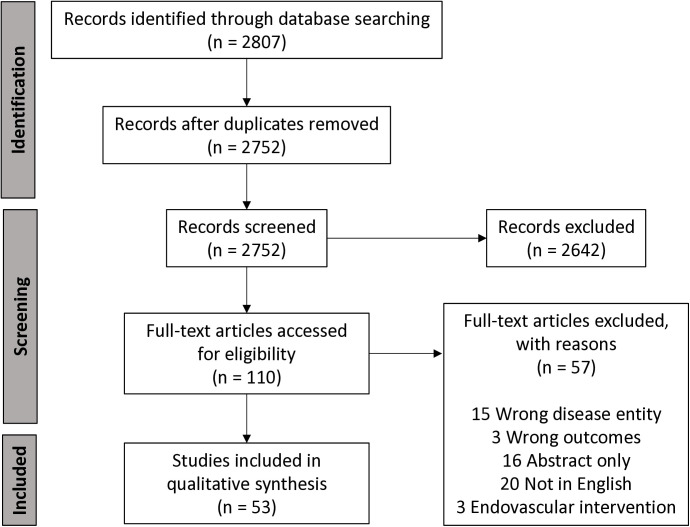 Figure 1
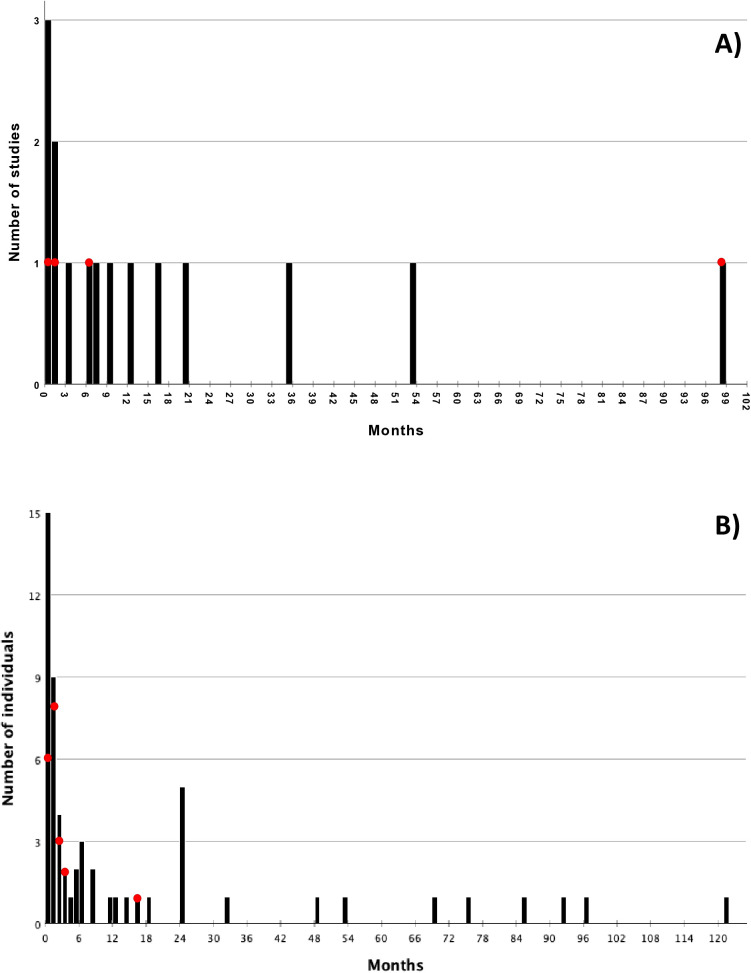 Figure 2
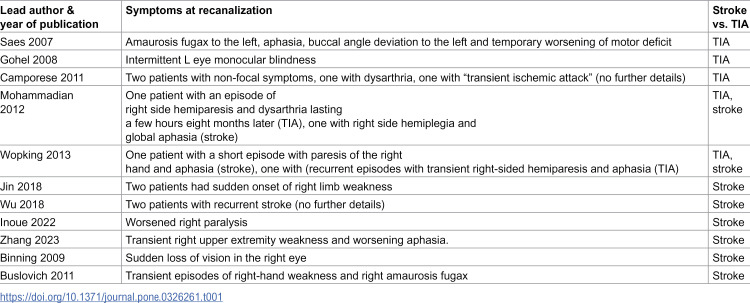 Figure 3
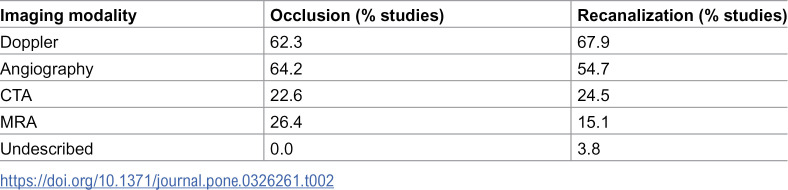 Figure 4
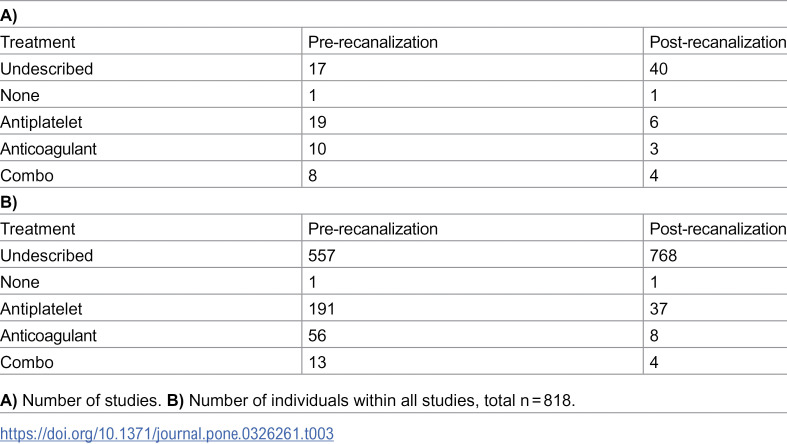 Figure 5
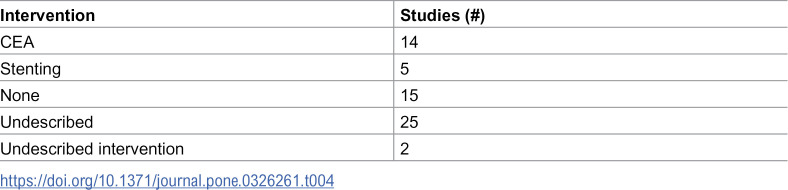 Figure 6
Peer Reviews
No public reviews on file for this paper yet. If you reviewed it on a platform where reviews are public (OpenReview, ICLR, NeurIPS, ICML), you can paste yours below so the community can read it here.
Videos
No videos yet. Explain this paper in a talk, walkthrough, or lecture? Add one.
Taxonomy
TopicsCerebrovascular and Carotid Artery Diseases · Acute Ischemic Stroke Management · Intracranial Aneurysms: Treatment and Complications