Development of Efficient Expression Systems for Bacteriolytic Proteases L1 and L5 of Lysobacter capsici XL1
Irina Kudryakova, Alexey Afoshin, Elena Leontyevskaya, Natalia Leontyevskaya

TL;DR
Scientists developed efficient systems to produce two enzymes from Lysobacter capsici that can break down bacterial cell walls, which could lead to new antimicrobial drugs.
Contribution
The study introduces homologous expression systems for L1 and L5 proteases with significantly higher yields compared to previous methods.
Findings
Expression strains L. capsici PT5–alpA and PT5–alpB produced 4 and 137 times more enzymes than the wild-type strain.
Enzyme yields reached 35.48 mg/L for L1 and 57.11 mg/L for L5 in a 10-L bioreactor.
Homologous systems outperformed previous heterologous methods in yield and simplicity.
Abstract
Secreted bacteriolytic proteases L1 and L5 of the Gram-negative bacterium Lysobacter capsici XL hydrolyze peptide bridges in bacterial peptidoglycans. Such specificity of action determines the prospects of these enzymes for medicine with the view of creating new antimicrobial drugs to combat antibiotic-resistant strains of pathogens. This research concerns the development of successful expression systems for producing active enzymes L1 and L5 in sufficient amounts for comprehensive studies. Based on L. capsici XL strains with deletions in the alpA (enzyme L1) and alpB (enzyme L5) genes and the constructed expression vectors pBBR1-MCS5 PT5–alpA and pBBR1-MCS5 PT5–alpB, we obtained expression strains L. capsici PT5–alpA and L. capsici PT5–alpB, respectively. The yields of enzymes L1 and L5 in the developed strains increased by 4 and 137 times, respectively, as compared to the wild-type…
Genes, proteins, chemicals, diseases, species, mutations and cell lines named across the full text — each resolved to its canonical identifier and authoritative record.
Click any figure to enlarge with its caption.
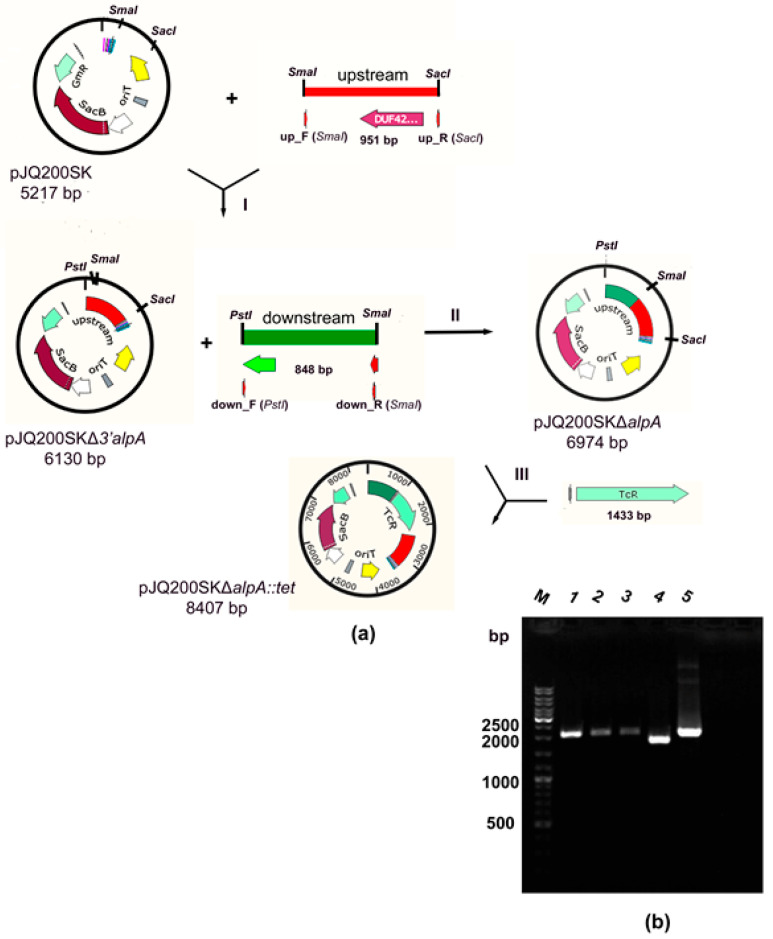 Figure 1
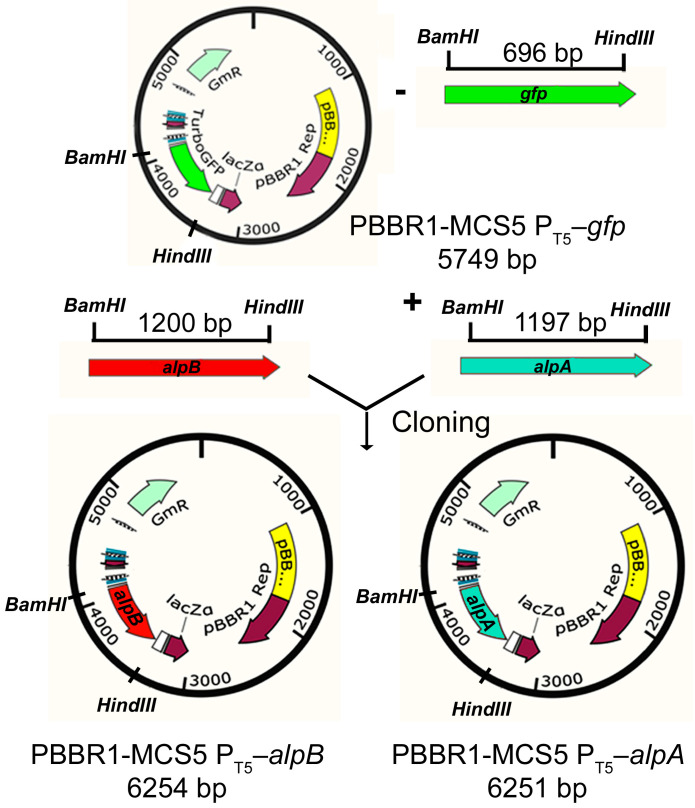 Figure 2
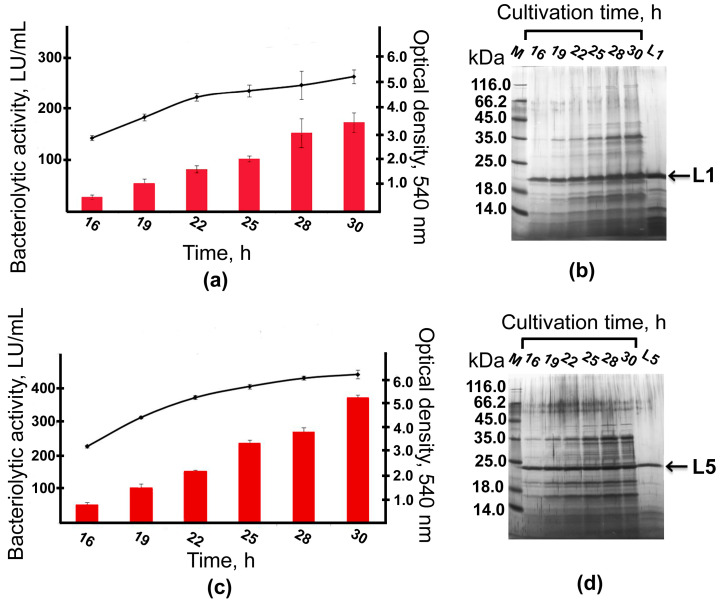 Figure 3
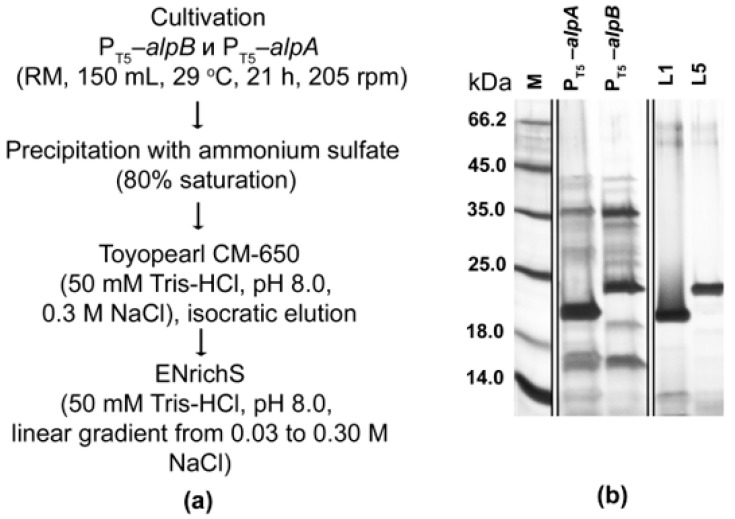 Figure 4
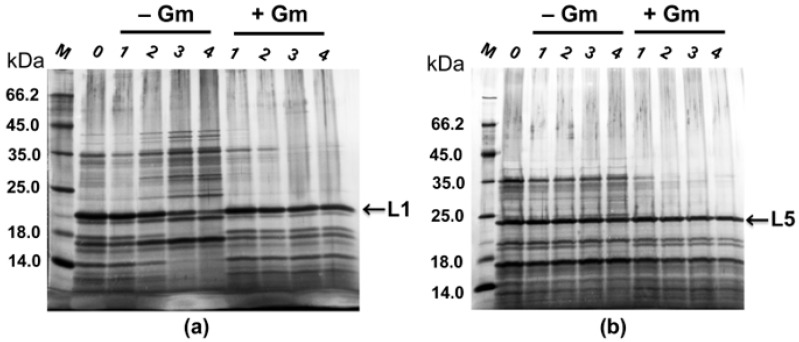 Figure 5
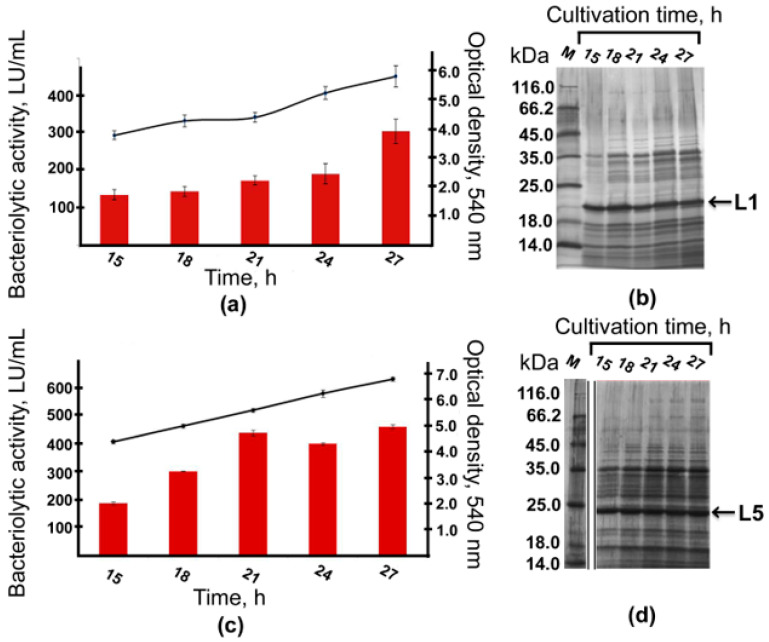 Figure 6
Peer Reviews
No public reviews on file for this paper yet. If you reviewed it on a platform where reviews are public (OpenReview, ICLR, NeurIPS, ICML), you can paste yours below so the community can read it here.
Videos
No videos yet. Explain this paper in a talk, walkthrough, or lecture? Add one.
Taxonomy
TopicsEnzyme Production and Characterization · Bacteriophages and microbial interactions · Enzyme Structure and Function