Effects of High Glucose on Simulated Ischemia/Reperfusion Injury in Isolated Cardiomyocytes
Miriam J. K. Walter, Masakazu Shiota, Zhu Li, Matthew B. Barajas, Takuro Oyama, Matthias L. Riess

TL;DR
High glucose levels worsen heart cell damage during ischemia-reperfusion, but an AR inhibitor like Epalrestat may help protect diabetic hearts.
Contribution
Demonstrates that Epalrestat, an aldose reductase inhibitor, reduces IR injury in high-glucose-exposed cardiomyocytes.
Findings
High glucose exposure increases IR injury markers like LDH release and superoxide levels in cardiomyocytes.
Epalrestat treatment significantly reduces IR-induced damage during high glucose conditions.
The polyol pathway is implicated in exacerbating IR injury in diabetic cardiomyocytes.
Abstract
The rising prevalence of type 2 diabetes is linked to an increased risk of cardiovascular diseases, with the diabetic heart being particularly vulnerable to ischemia–reperfusion (IR) injury. Chronic hyperglycemia contributes to an increase in reactive oxygen species and impacts the homeostasis of biochemical pathways, including the polyol pathway, increasing susceptibility to damage. Aldose reductase (AR), a key enzyme in this pathway, has been targeted for therapeutic intervention, with AR inhibitors showing potential in mitigating diabetic complications. This study investigated IR injury in cardiomyocytes following high glucose exposure and assessed the AR inhibitor Epalrestat as a protective agent. Cardiomyocyte function was evaluated by measuring lactate dehydrogenase (LDH) release, FM1-43 membrane incorporation, cell viability, intracellular calcium accumulation, and superoxide…
Genes, proteins, chemicals, diseases, species, mutations and cell lines named across the full text — each resolved to its canonical identifier and authoritative record.
Click any figure to enlarge with its caption.
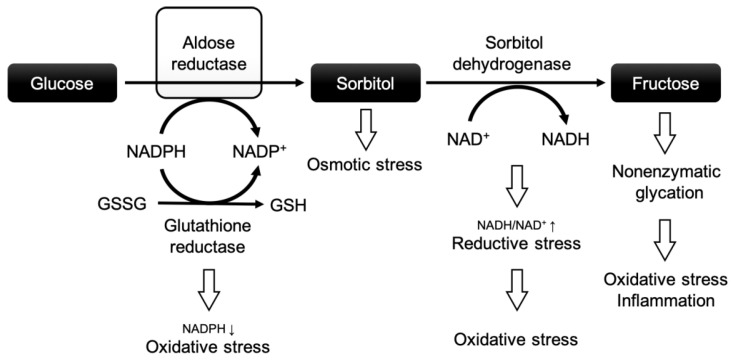 Figure 1
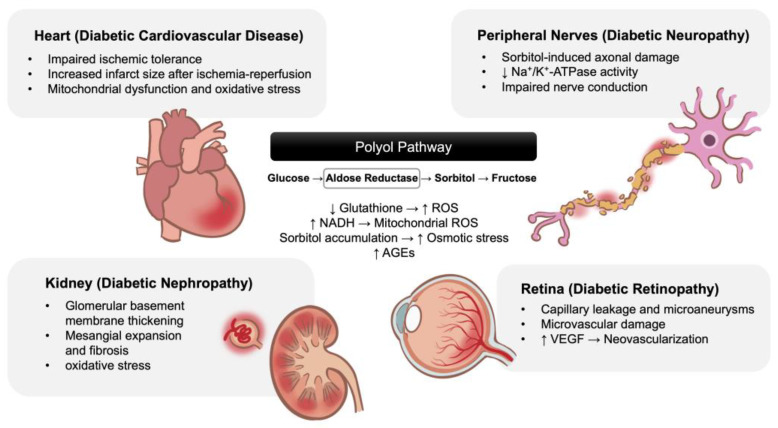 Figure 2
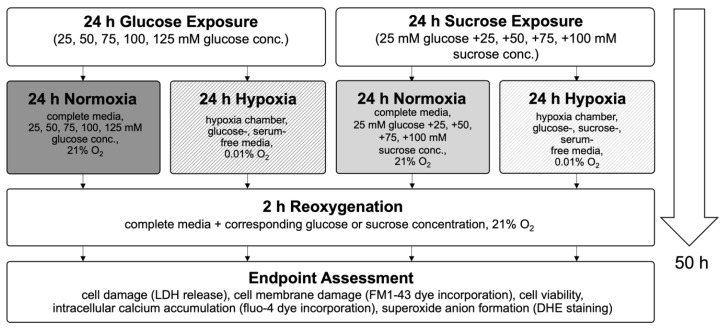 Figure 3
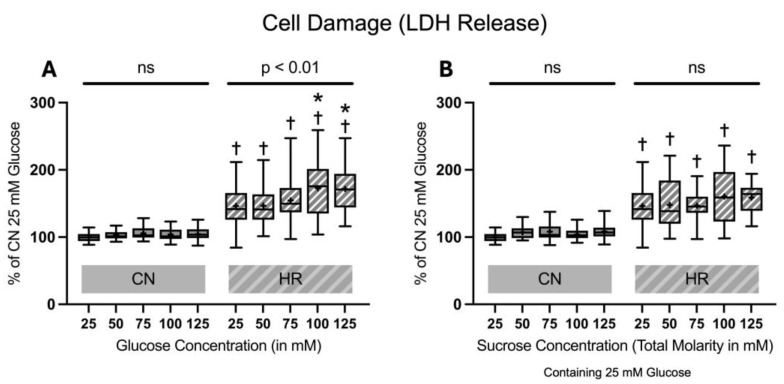 Figure 4
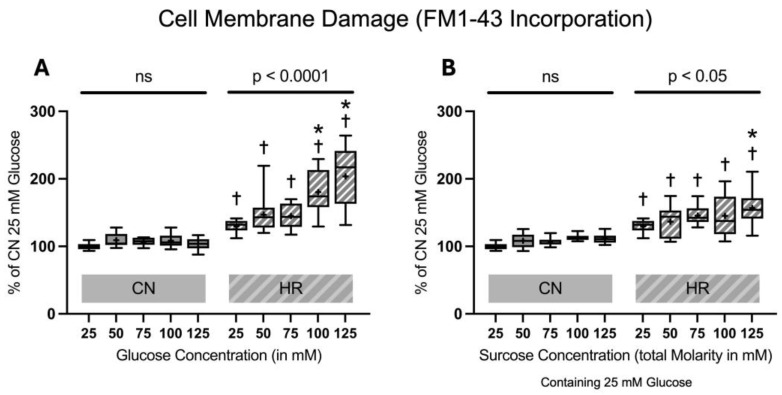 Figure 5
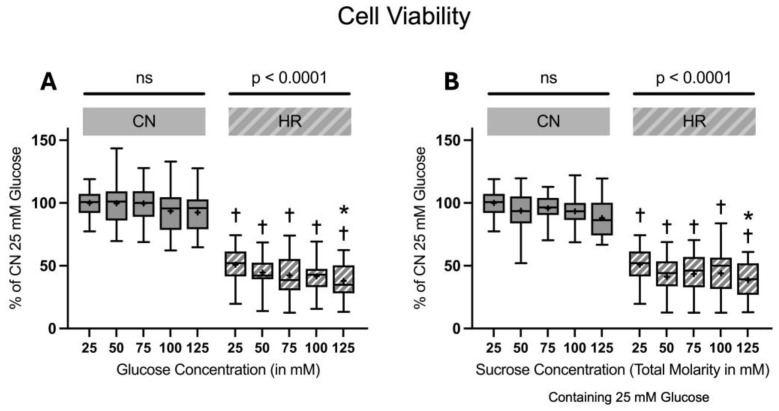 Figure 6
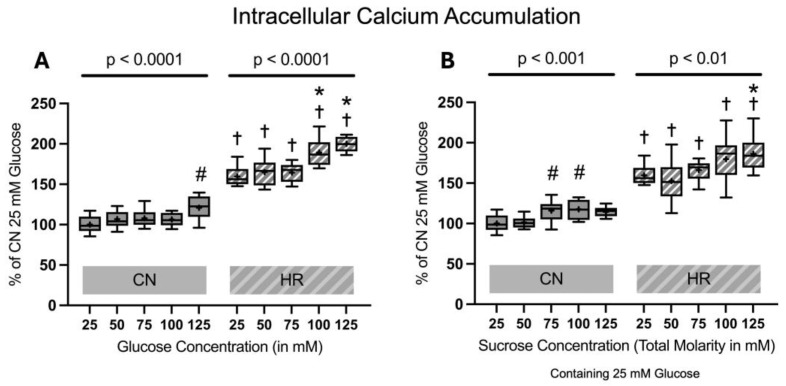 Figure 7
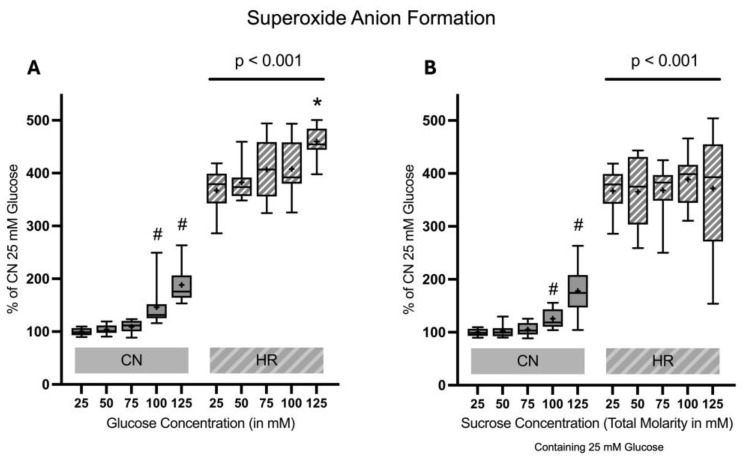 Figure 8
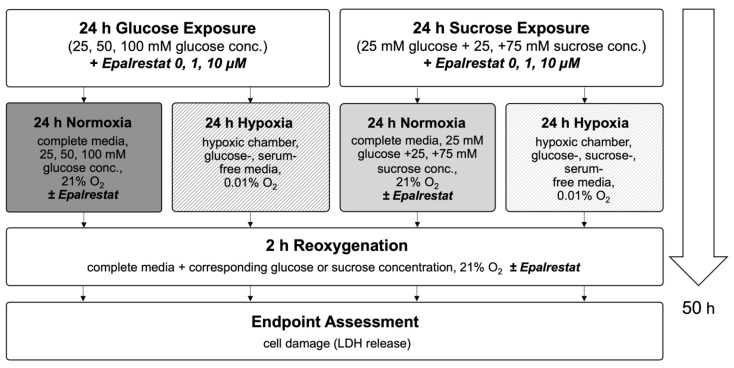 Figure 9
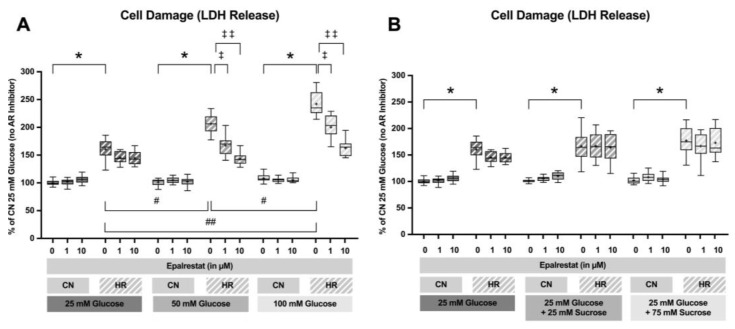 Figure 10
 Figure 11
 Figure 12
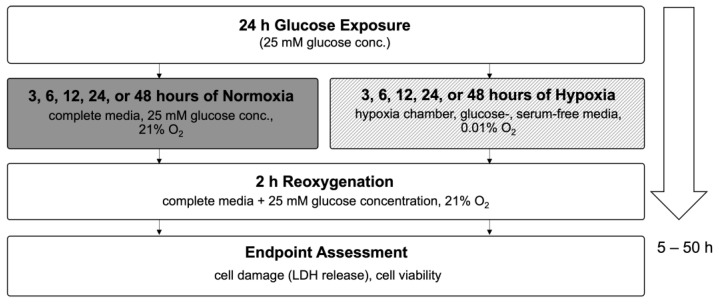 Figure 13
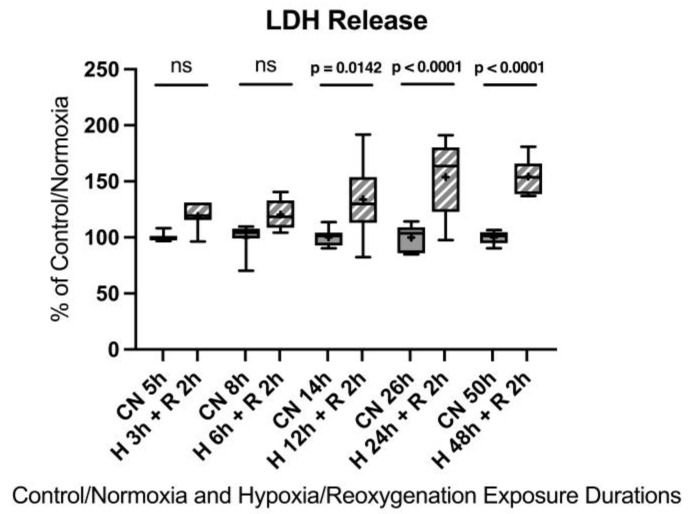 Figure 14
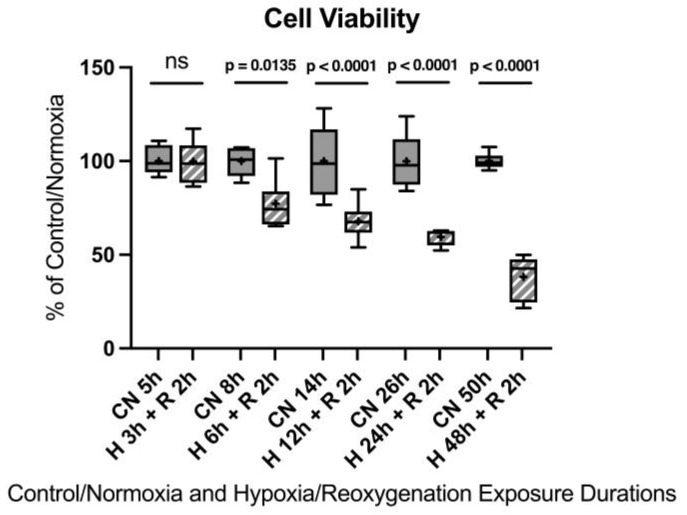 Figure 15
Peer Reviews
No public reviews on file for this paper yet. If you reviewed it on a platform where reviews are public (OpenReview, ICLR, NeurIPS, ICML), you can paste yours below so the community can read it here.
Videos
No videos yet. Explain this paper in a talk, walkthrough, or lecture? Add one.
Taxonomy
TopicsAldose Reductase and Taurine · Cannabis and Cannabinoid Research · Heme Oxygenase-1 and Carbon Monoxide