Ischemic Stroke Secondary to Arterial Tunica Media Embolism Following Percutaneous Coronary Intervention: An Uncommon Etiology
Patricija Griškaitė, Neringa Jansevičiūtė, Givi Lengvenis, Kipras Mikelis, Mindaugas Zaikauskas, Marius Kurminas, Andrius Berūkštis, Algirdas Edvardas Tamošiūnas

TL;DR
A rare case of ischemic stroke after a heart procedure was caused by an unusual type of embolism from the arterial wall.
Contribution
This paper reports the first documented case of stroke caused by arterial tunica media embolism following PCI.
Findings
A 57-year-old female developed stroke symptoms during PCI due to arterial tunica media embolism.
Histological analysis confirmed the emboli were fragments of the arterial wall, not typical plaque or thrombus.
The case highlights a previously unreported complication of PCI requiring increased clinical awareness.
Abstract
Ischemic stroke following percutaneous coronary intervention (PCI) is a rare complication, with an overall incidence of 0.56%. Most embolic strokes result from the dislodgement of atherosclerotic plaques, thrombi formed on catheter surfaces, procedural maneuvers, or, less commonly, air or metallic emboli originating from fractured guidewires. We present a unique case of stroke following PCI due to a previously unreported mechanism—arterial tunica media embolization associated with arterial access. A 57-year-old female presented with chest pain at rest and with exertion, accompanied by episodes of anxiety and fluctuating blood pressure, for which coronary angiography was performed, revealing 90–99% stenosis of the left anterior descending artery and necessitating PCI. During the procedure, the patient developed an eye deviation, aphasia, and left-sided hemiparesis. Cerebral angiography…
Genes, proteins, chemicals, diseases, species, mutations and cell lines named across the full text — each resolved to its canonical identifier and authoritative record.
Click any figure to enlarge with its caption.
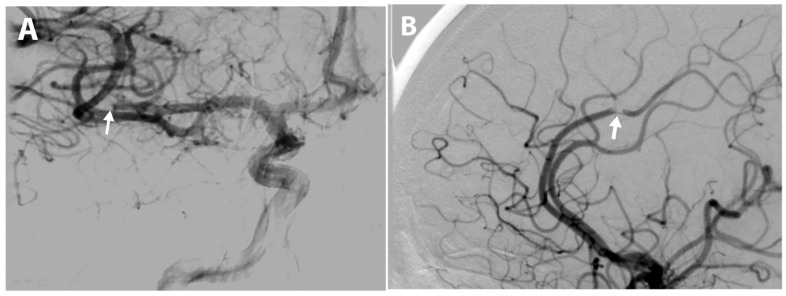 Figure 1
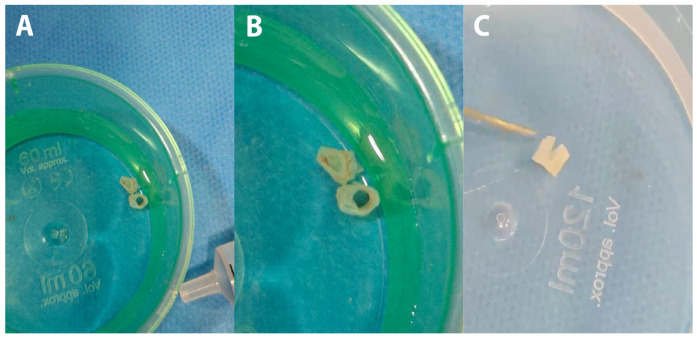 Figure 2
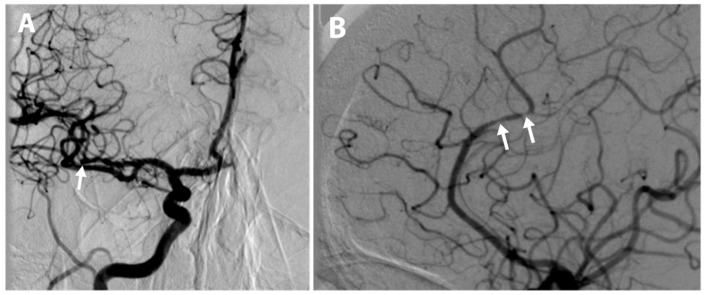 Figure 3
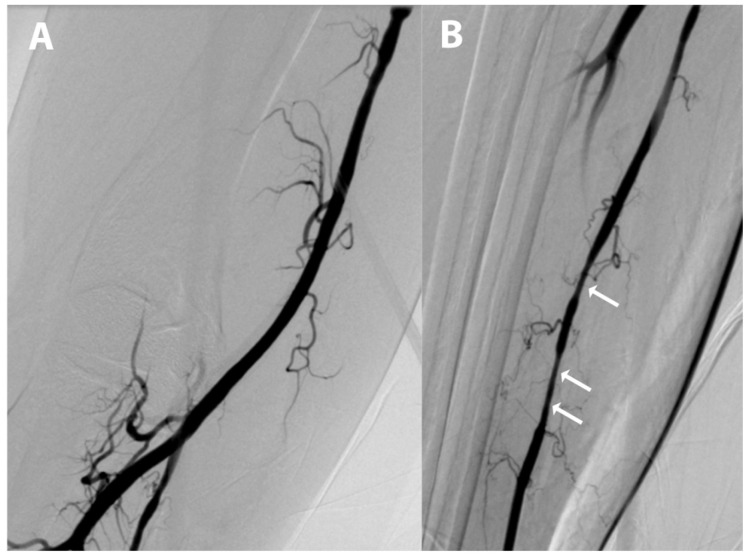 Figure 4
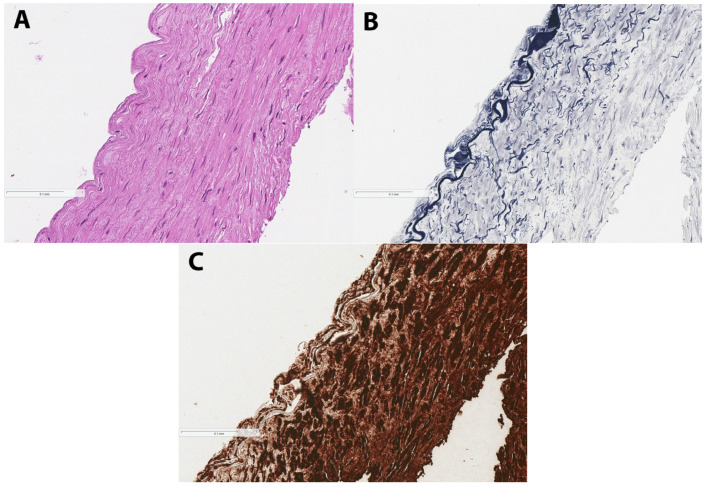 Figure 5
Peer Reviews
No public reviews on file for this paper yet. If you reviewed it on a platform where reviews are public (OpenReview, ICLR, NeurIPS, ICML), you can paste yours below so the community can read it here.
Videos
No videos yet. Explain this paper in a talk, walkthrough, or lecture? Add one.
Taxonomy
TopicsVascular Procedures and Complications · Cerebrovascular and Carotid Artery Diseases · Coronary Interventions and Diagnostics
The reference list from the paper itself. Each links out to its DOI / PubMed record.
- 1Roy S. Kabach M. Patel D.B. Guzman L.A. Jovin I.S. Radial Artery Access Complications: Prevention, Diagnosis and Management Cardiovasc. Revasc. Med.20224016317110.1016/j.carrev.2021.12.00734952824 · doi ↗ · pubmed ↗
- 2Sandoval Y. Bell M.R. Gulati R. Transradial Artery Access Complications Circ. Cardiovasc. Interv.201912 e 00738610.1161/CIRCINTERVENTIONS.119.00738631672030 · doi ↗ · pubmed ↗
- 3Shoji S. Kohsaka S. Kumamaru H. Sawano M. Shiraishi Y. Ueda I. Noma S. Suzuki M. Numasawa Y. Hayashida K. Stroke After Percutaneous Coronary Intervention in the Era of Transradial Intervention: Report from a Japanese Multicenter Registry Circ. Cardiovasc. Interv.201811 e 00676110.1161/CIRCINTERVENTIONS.118.00676130545258 · doi ↗ · pubmed ↗
- 4Rao S.V. Cohen M.G. Kandzari D.E. Bertrand O.F. Gilchrist I.C. The Transradial Approach to Percutaneous Coronary Intervention J. Am. Coll. Cardiol.2010552187219510.1016/j.jacc.2010.01.03920466199 · doi ↗ · pubmed ↗