Association Between rs920778 Polymorphisms and Cancer Risk: An Updated Meta-Analysis
Lihua Xu, Jiang Deng, Lili Gong, Yajuan Chen, Gang Hu

TL;DR
This study finds that the rs920778 polymorphism in the HOTAIR gene is linked to increased cancer risk in Asians, but may protect against breast cancer.
Contribution
An updated meta-analysis reveals rs920778's role in cancer susceptibility and its protective effect in breast cancer.
Findings
The rs920778 polymorphism increases cancer susceptibility in Asian populations across all genetic models.
The polymorphism shows a protective effect against breast cancer in the heterozygote model.
Stratified analyses confirm significant associations with cervical cancer in Asian populations.
Abstract
Background: A growing number of studies are exploring the association between HOTAIR rs920778 polymorphisms and cancer risk, but to date, there has been controversy and uncertainty. Preliminary evidence suggests that this polymorphism may influence cancer susceptibility, particularly in Asian populations and specific cancer types such as cervical cancer (CC) and breast cancer (BC). We therefore conducted an updated meta-analysis to accurately assess the association of the HOTAIR rs920778 polymorphism with cancer risk. Method: Comprehensive literature searches were performed in PubMed, Embase, and Web of Science up to September 8, 2023. Inclusion criteria included case-control studies with allele frequency data for both cases and controls. A total of 29 case-control studies were selected for quantitative analysis. Crude odds ratios (ORs) and 95% confidence intervals (CIs) were…
Genes, proteins, chemicals, diseases, species, mutations and cell lines named across the full text — each resolved to its canonical identifier and authoritative record.
Click any figure to enlarge with its caption.
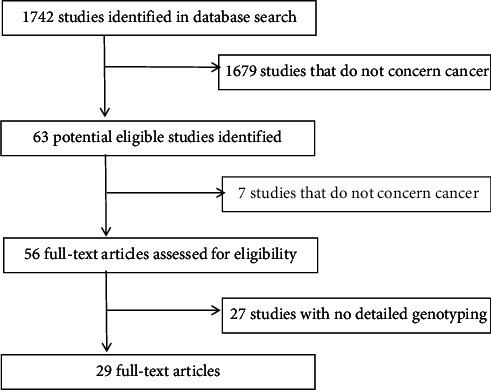 Figure 1
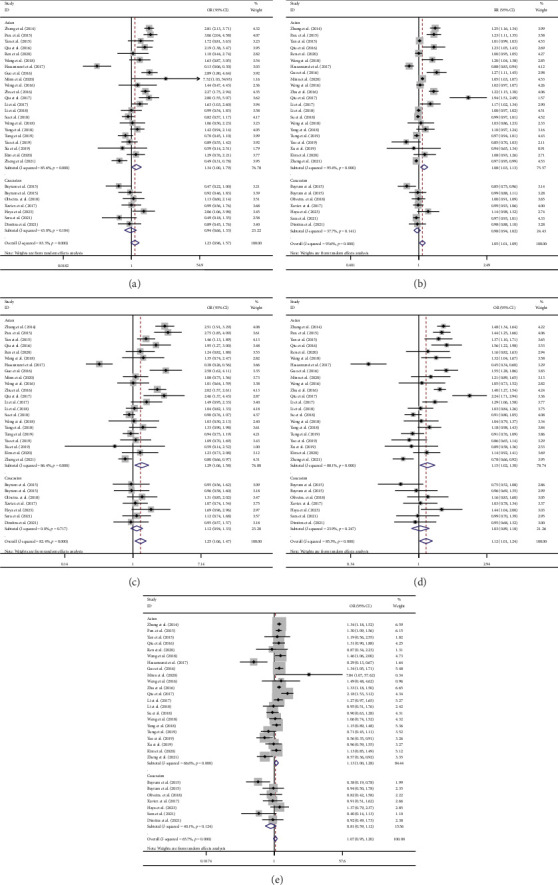 Figure 2
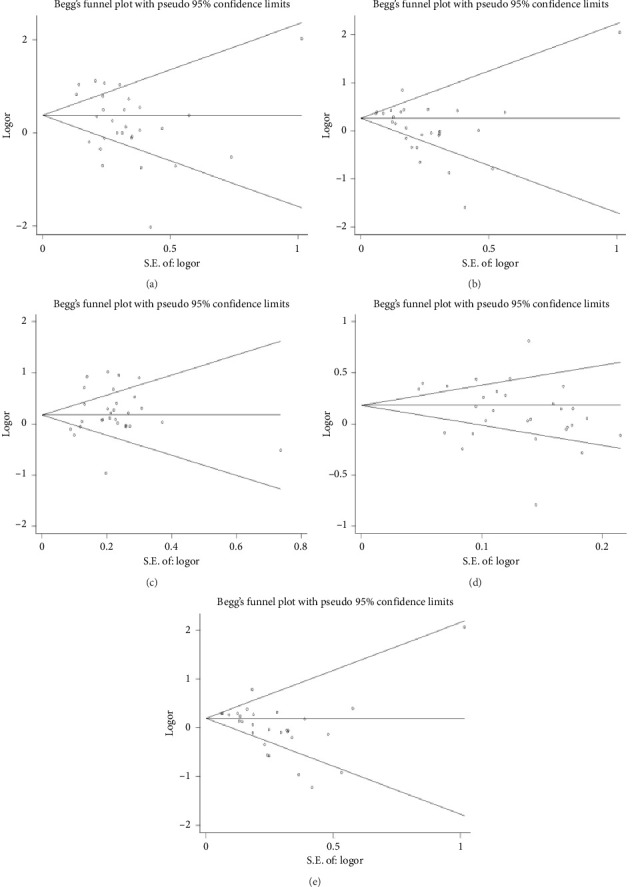 Figure 3
Peer Reviews
No public reviews on file for this paper yet. If you reviewed it on a platform where reviews are public (OpenReview, ICLR, NeurIPS, ICML), you can paste yours below so the community can read it here.
Videos
No videos yet. Explain this paper in a talk, walkthrough, or lecture? Add one.
Taxonomy
TopicsCancer-related molecular mechanisms research · RNA modifications and cancer · RNA Research and Splicing
1. Introduction
Recently, long noncoding RNAs (lncRNAs) have attracted the attention of many researchers due to their comprehensive functions. lncRNAs are endogenous RNAs larger than 200 nucleotides that do not encode any proteins [1]. In humans, > 10,000 lncRNAs have been identified that participate in cell growth, proliferation, survival, metabolism, differentiation, development, and many disease biological processes through genomic packaging, genomic imprinting, gene-regulated alternative splicing, chromatin organization, dose compensation, etc. [2]. Many studies have shown that lncRNAs may affect cancer-related genes by regulating transcription and other biological processes and play a key role in tumor occurrence and development [3]. The lncRNA HOX transcribed antisense RNA (HOTAIR) is one of these RNAs, and the HOTAIR gene is located on the long arm of chromosome 12 (12q13.13). As an oncogene, HOTAIR is expressed in a variety of human cancers, and its overexpression is associated with the proliferation, invasion, progression, and metastasis of cancer cells, as well as a low survival rate [4]. HOTAIR single-nucleotide polymorphisms (SNPs) have been studied as potential cancer susceptibility sites and have been associated with an increased risk of human cancers, such as breast cancer (BC) [5–7], esophageal squamous cell carcinoma [1], stomach cancer [8], lung cancer [9], and colorectal cancer [10]. This suggests that HOTAIR may be an oncogene in different types of cancer. Many studies have shown that overexpression of HOTAIR is a risk factor for poor tumor prognosis during tumor invasion and progression [11]. rs920778, located in intron 2 of the HOTAIR gene, is a new intron enhancer. The rs920778 polymorphism has a genotype-specific effect on HOTAIR expression, resulting in higher HOTAIR expression in T allele carriers, which affects susceptibility to cancer [12]. However, studies have also shown that the rs920778 polymorphism is not associated with other types of cancer, except for lung cancer, and that the rs920778 polymorphism does not affect the total presence of cancer [13]. To date, SNPs in HOTAIR have been extensively studied in malignant tumors. Studies on the strength of the association between the rs920778 polymorphism and cancer risk have been inconsistent. Therefore, we conducted this meta-analysis to provide a more comprehensive meta-analysis of the relationship between the rs920778 polymorphism and cancer based on the synthesis of current relevant studies. We collected all published case and control studies using various research methods and models to detail the role of the HOTAIR rs920778 gene up to September 2023.
2. Methods and Materials
2.1. Publication Search
Comprehensive literature searches were conducted in PubMed, Embase, and Web of Science up to September 8, 2023. The search terms included the following: “Polymorphism or SNP or mutation or variation or allele or genotype,” “HOTAIR or HOX antisense intergenic RNA,” “rs920778,” and “cancer or tumor or malignancy or neoplasm.” In addition, manual searches of reference lists from eligible publications were performed by two authors (LHX and GH) to identify additional relevant studies.
2.2. Inclusion and Exclusion Criteria
2.2.1. Inclusion Criteria
Inclusion criteria included (1) case-control studies, (2) studies focusing on the relationship between HOTAIR rs920778 polymorphism and cancer risk, and (3) studies containing detailed allele frequencies in both cases and controls.
2.2.2. Exclusion Criteria
The exclusion criteria excluded the following: (1) reviews, editorials, or studies without primary data and (2) studies lacking sufficient genotype data for analysis.
2.3. Data Extraction and Quality Assessment
Inclusion criteria were case-control studies published up to September 2023, and articles should include at least allele frequencies in both cases and controls. The following data were extracted from each study: basic article information (first author, year of publication, region, ethnicity, control source, sample size, allele and genotype frequency, age and sex matching status, and cancer type). Discrepancies in data extraction were resolved through discussion with a third author (JD).
2.4. Statistical Analysis
Hardy–Weinberg equilibrium (HWE) was assessed for all eligible studies using chi-square tests. Odds ratios (ORs) with 95% confidence intervals (CIs) were calculated to evaluate the association between HOTAIR rs920778 polymorphism and cancer risk. Five genetic models were analyzed as follows: allele model (T vs. C), dominant model (CT + TT vs. cervical cancer [CC]), recessive model (TT vs. CC + CT), homozygous model (TT vs. CC), and heterozygous model (TC vs. CC). Heterogeneity was assessed using chi-square tests and I^2^ statistics. A random-effects model was applied if significant heterogeneity was detected (p < 0.05 or I^2^ > 50%); otherwise, a fixed-effect model was used. Subgroup analyses were performed based on ethnicity, cancer type, and other covariates. Publication bias was evaluated using funnel plots and Egger's test.
All statistical analyses were performed using STATA software 11.0 (StataCorp LP, College Station, TX). A p value < 0.05 was considered statistically significant.
3. Results
3.1. Characteristics of Eligible Studies
The study selection process is illustrated in Figure 1. A total of 63 publications were initially identified, of which 29 studies [1, 5–7, 12, 14–35], comprising 9433 cases and 12,682 controls, were included in the meta-analysis. Among these, 22 studies focused on Asian populations, and seven on Caucasians in Table 1. The HWE test results indicated that 24 of the 29 studies were in equilibrium (p > 0.05).
3.2. Quantitative Synthesis
This study examined the association of the HOTAIR rs920778 C > T polymorphism with cancer risk. A total of five genetic models of the rs920778 polymorphism were tested for OR and 95% CIs. The main meta-analysis results are shown in Figure 2. Overall analysis revealed that for the population as a whole, mutations in this gene are associated with an increased risk of cancer in dominant, invisible, and additive models (CT + TT vs. CC: OR = 1.051, 95% CI: 1.011–1.092; TT vs. CC + CT: OR = 1.251, 95% CI: 1.063–1.472; T vs. C: OR = 1.122, 95% CI: 1.012–1.244). Ethnic stratification analysis showed that in homozygous, dominant, recessive, and additive models, this gene mutation showed an increased risk of cancer in Asian populations (TT vs. CC: OR = 1.337, 95% CI: 1.001–1.786; CT + TT vs. CC: OR = 1.076, 95% CI: 1.026–1.128; TT vs. CC + CT: OR = 1.293, 95% CI: 1.058–1.580; T vs. C: OR = 1.150, 95% CI: 1.021–1.295). Stratified tumor analysis showed that the mutation of this gene significantly increased the risk of CC based on all five gene models (TT vs. CC: OR = 1.7, I^2^ < 50%; CT + TT vs. CC: OR = 1.294, 95% CI: 1.112–1.505, p=0.281, I^2^ < 25%; CT + TT vs. CC: OR = 1.469, 95% CI: 1.073–2.012, p=0.045, I^2^ < 75%; T vs. C: OR = 1.250, 95% CI: 1.067–1.465, p=0.028, I^2^ < 75%; TC vs. CC: OR = 1.208, 95% CI: 1.054–1.386, p=0.830, I^2^ < 25%). In the heterozygous model, mutation of this gene significantly reduced the risk of BC (TC vs. CC: OR = 0.534, 95% CI: 0.390–0.731, p < 0.05). In the dominant model, this gene mutation was associated with a decreased risk of BC (CT + TT vs. CC: OR = 0.511, 95% CI: 0.254–1.026). In the additive model, this gene mutation significantly increased the risk of cancer in LC (T vs. C: OR = 1.156, 95% CI: 1.018–1.313, p=0.462, I^2^ < 25%). In homozygous models, mutations in this gene tended to increase the risk of LC (TT vs. CC: OR = 1.225, 95% CI: 0.956–1.571). In recessive and dominant models, this gene mutation was associated with an increased risk of OC (CT + TT vs. CC: OR = 1.195, 95% CI: 1.007–1.418; TT vs. CC + CT: OR = 1.353, 95% CI: 1.051–1.5744).
3.3. Publication Bias and Sensitivity Analysis
No significant publication bias was detected using Egger's test and funnel plots (Figure 3). Sensitivity analyses confirmed the robustness of the results.
4. Discussion
Cancer continues to be one of the major public health threats worldwide [37]. By 2022, 1,918,030 new cancer cases and 609,360 cancer deaths were estimated to occur in the United States, making cancer the second leading cause of death in the United States and the leading cause of death worldwide [38]. Many factors have been found to contribute to the development and progression of cancer, such as high BMI, infections, smoking, and heavy alcohol consumption. In addition to the above factors, genetic variation has received increasing attention as one of the risk factors for cancer [36]. Among genetic risk factors, SNPs in some genetically modified oncogenes or tumor-suppressor genes are involved in the onset and progression of the disease [39]. HOTAIR is a well-studied lncRNA, and several polymorphisms of the HOTAIR gene have been found, which may affect its transcriptional activity. Some of these polymorphisms are thought to be genetic susceptibility factors for cancer [40]. Zhang et al. determined that the HOTAIR SNP rs920788 affects its specific expression through intron enhancers [41]. Zhang et al. first studied the relationship between HOTAIR gene polymorphisms and cancer susceptibility and reported that HOTAIR rs920778 was significantly associated with the risk of esophageal squamous cell carcinoma in the Chinese population [1]. In 2020, Liu et al. found that the HOTAIR rs920778 C > T polymorphism was significantly associated with overall cancer risk and gastrointestinal cancer risk in subgroup analysis [36]. In 2017, Yating Ge et al.'s analysis found a significant association between the rs920778 polymorphism and increased cancer susceptibility in both homozygous and recessive models. Stratified analysis was also performed according to cancer type, and a significant increase in susceptibility to esophageal squamous cell carcinoma was found in all genetic models and a significant increase in susceptibility to gastric cancer in the dominant model [40]. However, in 2016, Tian et al. did not find a significant association between the HOTAIR rs920778 polymorphism and cancer risk [41]. There are an increasing number of studies on the HOTAIR rs920788 polymorphism, and results of these studies in regard to susceptibility to different cancer types in different populations are inconsistent. We therefore pooled 29 studies to assess the association of HOTAIR rs920778 polymorphisms with cancer susceptibility.
Our meta-analysis produced results consistent with previous studies, as well as inconsistent results. For example, Ge et al. [40], Bayram et al. [5], Pan et al. [14], and Zhang et al. [42] all showed a significant association between the rs920778 polymorphism and cancer susceptibility, which was consistent with the results of our meta-analysis. Zhang et al. reported that the rs920778 polymorphism was associated with cancer susceptibility in Asian populations but not in Turkish populations [42]. Our meta-analysis showed that homozygous (TT vs. CC: OR = 1.337, 95% CI: 1.001–1.786), dominant (CT + TT vs. CC: OR = 1.076, 95% CI: 1.026–1.1280), recessive (TT vs. TC + CC: OR = 1.293, 95% CI: 1.058–1.580), and additive (T vs. C: under the OR = 1.150, 95% CI: 1.021–1.295) genetic models and HOTAIR rs920778 gene mutation revealed an increased risk of cancer in Asian populations but no significant association in Caucasian populations. This may be related to the differences in HOTAIR allele frequencies between Asians and other ethnicities. Different races have different lifestyles and are affected by different environmental factors. It is suggested that the rs920778 polymorphism is associated with cancer susceptibility in the Asian population. In 2023, Wang et al.'s study showed that the HOTAIR rs920778 polymorphism had no significant relationship with BC risk, and the rs920778 polymorphism showed a completely opposite association with BC risk in West Asian and East Asian populations in ethnic subgroup analysis [43]. Yan et al. indicated that the rs920778 polymorphism may be a risk factor for BC [6]. This suggests that the association between the rs920778 polymorphism and BC risk is currently inconsistent. In the current meta-analysis, analysis of a heterozygous genetic model based on the rs920778 locus showed that mutations in this gene were significantly negatively associated with BC risk (OR = 0.534, 95% CI: 0.390-0.731, p < 0.05). This clarifies the relationship between the rs920778 polymorphism and BC. In 2018, Li et al. found that the expression of rs920778 was not clearly associated with the risk of BC, CC, and OC [2]. In 2016, Qiu et al. reported for the first time that the TT genotype of HOTAIR rs920778 significantly increased the risk of neutron CC in the Chinese population [31]. The stratified analysis of tumor types in our meta-analysis showed that under 5 genetic models (OR = 1.733, 95% CI: 1.242–2.417, p=0.106, I^2^ < 50%; OR = 1.294, 95% CI: 1.112–1.505, p=0.281, I^2^ < 25%; OR = 1.469, 95% CI: 1.073–2.012, p=0.045, I^2^ < 75%; OR = 1.250, 95% CI: 1.067–1.465, p=0.028, I^2^ < 75%; OR = 1.208, 95% CI: 1.054–1.386, p=0.830, I^2^ < 25%), HOTAIR rs920778 gene mutation significantly increased the risk of CC in Asians, which confirms that the rs920778 polymorphism increases the risk of CC in Asian ethnic groups and suggests that it may serve as a prognostic marker for CC.
5. Conclusion
The HOTAIR rs920778 polymorphism is an important cancer risk factor that significantly influences susceptibility to CC and BC. The rs920778 polymorphism may affect the expression of HOTAIR, thereby altering cancer-related pathways. For BC, the protective effect may be related to different gene regulations or interactions with hormonal factors. HOTAIR is involved in the modification and regulation of epigenesis in the cells via targeting chromatin-modifying complex occupancy/localization. Cancer is a multifactorial malignant disease that likely arises from complex interactions between genetic mutations, environmental changes, lifestyle, diet, age, and sex. In our meta-analysis, we only focused on the HOTAIR polymorphisms, while the fundamental underlying mechanisms cannot be explained citing [17, 23]. Our meta-analysis confirmed the association between the HOTAIR rs920778 polymorphism and cancer susceptibility, especially in Asian populations, and the findings are more plausible than previous analyses. This provides accurate evidence for future cancer-related studies. However, there are some limitations to this study. For example, the small sample size for the subgroup analysis. The predominantly Asian population limits generalizability. There may be unmeasured confounders in the included studies. Future research should focus on larger, multiethnic cohorts and functional studies to elucidate the underlying mechanisms.
The reference list from the paper itself. Each links out to its DOI / PubMed record.
- 1Zhang X. Zhou L. Fu G. The Identification of an ESCC Susceptibility SNP Rs 920778 that Regulates the Expression of lnc RNA HOTAIR via a Novel Intronic Enhancer Carcinogenesis 20149352062206710.1093/carcin/bgu 10324788237 · doi ↗ · pubmed ↗
- 2Li J. Liu R. Tang S. The Effect of Long Noncoding RN As HOX Transcript Antisense Intergenic RNA Single‐Nucleotide Polymorphisms on Breast Cancer, Cervical Cancer, and Ovarian Cancer Susceptibility: A Meta‐Analysis Journal of Cellular Biochemistry 20191205705670673048489010.1002/jcb.27975 · doi ↗ · pubmed ↗
- 3Huarte M. Rinn J. L. Large Non-Coding RN As: Missing Links in Cancer? Human Molecular Genetics 201019 R 2R 152R 1612072929710.1093/hmg/ddq 353PMC 2953740 · doi ↗ · pubmed ↗
- 4Rinn J. L. Kertesz M. Wang J. K. Functional Demarcation of Active and Silent Chromatin Domains in Human HOX Loci by Noncoding RN As Cell 20071297131113231760472010.1016/j.cell.2007.05.022PMC 2084369 · doi ↗ · pubmed ↗
- 5Bayram S. Sümbül A. T. BatmacıC. Y. GençA. Effect of HOTAIR Rs 920778 Polymorphism on Breast Cancer Susceptibility and Clinicopathologic Features in a Turkish Population Tumor Biology 2015365386338702558634710.1007/s 13277-014-3028-0 · doi ↗ · pubmed ↗
- 6Yan R. Cao J. Song C. Polymorphisms in lnc RNA HOTAIR and Susceptibility to Breast Cancer in a Chinese Population Cancer Epidemiology 20153969789852654779210.1016/j.canep.2015.10.025 · doi ↗ · pubmed ↗
- 7Bayram S. Ülger Y. Sümbül A. T. A Functional HOTAIR Rs 920778 Polymorphism Does Not Contributes to Gastric Cancer in a Turkish Population: A Case–Control Study Familial Cancer 20151445615672598089710.1007/s 10689-015-9813-0 · doi ↗ · pubmed ↗
- 8Guo W. Dong Z. Bai Y. Associations Between Polymorphisms of HOTAIR and Risk of Gastric Cardia Adenocarcinoma in a Population of North China Tumor Biology 2015364284528542547685710.1007/s 13277-014-2912-y · doi ↗ · pubmed ↗