Artificial Intelligence Applications in Decision-Making for Disease Management: A scoping review
Mohammadhiwa Abdekhoda, Fatemeh R. Madiseh

TL;DR
This review explores how artificial intelligence can support medical decision-making in disease management through various applications.
Contribution
The study systematically identifies and categorizes AI applications in disease management using a scoping review approach.
Findings
Eighty sub-themes were identified and grouped into six main categories of AI applications in disease management.
AI can improve the reliability and confidence of medical decisions, enhancing intervention accuracy and effectiveness.
Abstract
Artificial intelligence (AI) has several potential applications in medicine, creating opportunities for reliable and evidence-based decision-making in disease management. To explore the practical aspects of AI in decision-making, this scoping review was conducted to identify AI applications in disease management using the PRISMA-ScR checklist. Data collection involved searching relevant keywords in Web of Science and Scopus databases in May 2023. Eligibility criteria for study inclusion and exclusion were established, and the review process adhered to the PRISMA-ScR checklist. A total of 80 extracted sub-themes were identified and categorised into 6 main themes: data processing and management, characterisation and analysis, prediction and risk stratification, screening, prognosis and diagnosis. The application of AI can enhance the reliability and confidence in medical decision-making,…
Genes, proteins, chemicals, diseases, species, mutations and cell lines named across the full text — each resolved to its canonical identifier and authoritative record.
Click any figure to enlarge with its caption.
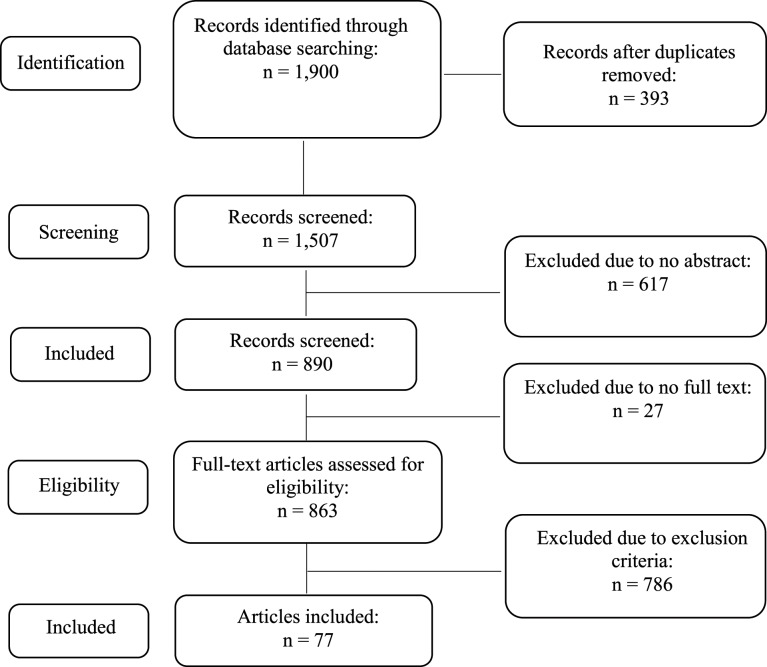 Fig. 1
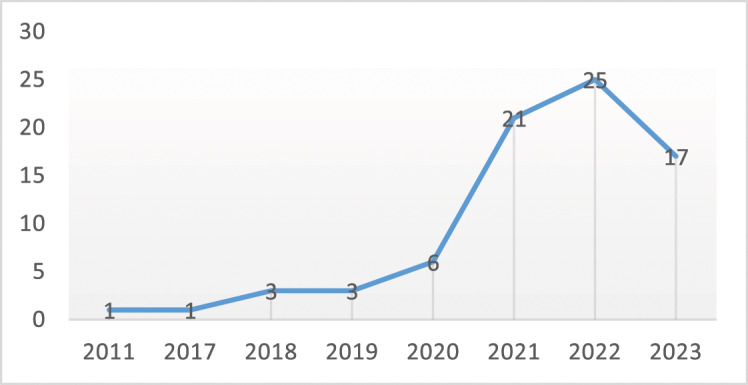 Fig. 2
| Theme | Subtheme |
|---|---|
|
|
Analysis and integration of large datasets Analysis of biofluid biomarkers in retinal vein Analysis of large-volume, unstructured medical data Analysis of raw image data from cardiac imaging techniques Big data analysis Data capture/acquisition, data processing and data analytics Effective medical data classification models Enhance the understanding of data Extract valuable information Insights from the massive amounts of available data Integration of big multimodal data to generate models Integration of different types of data from various sources Lung ultrasound image reading Manage and analyse enormous biomedical datasets Mining of vital data Process and use the information in urine Process huge amounts of data Quantitative interpretation of patients’ information Scaling up the information processing |
|
|
Accurate prediction of cardiovascular disease Classification of COVID-19 medical images Deep learning-based decision-tree classifier Develop predictive models from large datasets Disease prediction and risk stratification Forecast the occurrence of chronic kidney disease Identification of bleeding to predict outcomes Prediction of infectious diseases Predict aging-related diseases and issues Predict disease risk for anomaly detection Predict the onset of gastroesophageal reflux disease Predict the risk of mortality Predict events in the future Predict the spread of disease Predict disease risk, diagnosis, prognosis Prediction of eye diseases Predictive model for eye diseases Stratification strategies for each stroke patient |
|
|
Improve the screening, diagnosis and classification of the severity of peripheral artery disease Supports the screening process and enhances the detection efficiency Discriminating scalp psoriasis and seborrheic dermatitis Colorectal cancer screening Screening and staging of colorectal cancer Screening optical coherence tomography |
|
|
Precise prognosis predictions Prognosis analysis of genetics and genomics Prognosis of optical coherence tomography Prognosis prediction of common liver diseases Prognostic assumptions Prognostic decision-making in a clinical setting Rapid progression of pneumonia lesions |
|
|
Diagnosing myocardial infarction Diagnosing periapical lesions Diagnosing thyroid nodules Diagnosis and staging of prostate cancer Diagnosis of oesophageal cancer Diagnosis of outcomes for heart failure Diagnosis and treatment evaluation Diagnostic assumptions Diagnostic decision-making in a clinical setting Endodontic diagnosis and therapy |
|
Improve diagnosis, advance understanding of disease pathogenesis Neurological diagnostic support and novel image recognition technologies | |
|
|
Automated detection and quantification Automatic detection of thyroid diseases Covid-19 detection and prevention Detect and classify different classes of colorectal cancer Detecting and diagnosing periapical lesions Detection to minimise incomplete colon capsule endoscopy Detection of COVID-19 medical images Detection of disease and differentiation of pathology Detection of malignant arrhythmias Detection, determination and disease prediction Early detection of cardiac events Early disease detection Early fertility detection Non-invasive detection of atherosclerotic coronary artery aneurysms Proper detection and treatment of oral cancer Recognition discrete |
Peer Reviews
No public reviews on file for this paper yet. If you reviewed it on a platform where reviews are public (OpenReview, ICLR, NeurIPS, ICML), you can paste yours below so the community can read it here.
Videos
No videos yet. Explain this paper in a talk, walkthrough, or lecture? Add one.
Taxonomy
TopicsHealthcare Systems and Public Health · Artificial Intelligence in Healthcare and Education · Artificial Intelligence in Healthcare
1. Introduction
Recently, there has been extensive discussion regarding the impact of artificial intelligence (AI), and many individuals are fascinated by how its capabilities and affordances are revolutionising various aspects of human life on a daily basis. AI has modernised traditional methods and offers easier, more efficient and cost-effective solutions.
AI generally refers to utilising computers to model intelligent behaviour with minimal human intervention.^1^ While AI has demonstrated numerous potential applications in medicine, it remains unknown which of these will have a greater impact on the field. Nevertheless, it is certain that change is inevitable. Consequently, it is essential for all physicians to become knowledgeable of the latest developments in AI, as it is likely to influence the future practice of healthcare.^2^
Over the past 5 decades, there have been dramatic advancements in AI and the field of medicine. The emergence of machine learning (ML) and deep learning (DL) has led to an expansion of AI applications in healthcare, paving the way for personalised medicine as opposed to only algorithm-based approaches. The future holds the possibility of using predictive models for disease diagnosis, predicting therapeutic responses and ultimately advancing preventative medicine. AI has the potential to enhance diagnostic accuracy, facilitate provider workflow and clinical operations, enhance disease and therapeutic monitoring and improve procedural accuracy, ultimately leading to better patient outcomes.^345^
Medicine, as an application domain, presents some of the greatest challenges for AI/ML/DL. Medical decision support is fraught with ample uncertainty, unknowns, incomplete, imbalanced, heterogeneous, erroneous, inaccurate and missing datasets in arbitrarily high-dimensional spaces.^6^ AI in medicine can be divided into 2 subgroups: virtual and physical. The virtual subgroup includes applications such as electronic health record (EHR) systems and neural network-based guidance for treatment decisions. The physical subgroup encompasses technologies associated with robotic-assisted surgeries, intelligent prostheses for handicapped people and smart cars for the elderly.^7^ In the near future, AI will evolve within the public health sector, significantly impacting every aspect of primary care. AI-enabled computer applications will assist primary care physicians in more readily identifying patients who require extra care and in providing personalised treatment protocols for each individual. These applications can help physicians take notes, evaluate their consultations with patients and directly register required information into EHR systems.^89^ By using these tools, primary care physicians will be facilitated in collecting and analysing patient data while gaining insights into their patients' medical needs.^5^
As AI becomes an essential aspect of medicine in the near future, the new generation of medical trainees must be trained on AI concepts and their applicability.^10^ They will need to get acquainted with how these applications function productively in a workspace together with machines to improve efficiency while also cultivating soft skills such as empathy.^7^ The future of AI and its implementation in clinical practice anticipates a promising area of development, one that will rapidly evolve alongside other modern fields such as precision medicine, genomics and teleconsultation.^11^
It is well known that decision-making ability includes various aspects, including the understanding of information and input received, recognising their significance, reasoning about the costs and advantages of various courses of action and effectively communicating the decisions made. Although researchers use terms such as understand, recognise and reason in different contexts, this definition is generally acknowledged by the medical community.^7^ In the event a clinician correctly identifies a patient as lacking decision-making capacity, evidence indicates that they often struggle to align their treatment plans with the patient's preferences. Possible reasons for this non-fulfilment are multifaceted and include clinicians' inability to synthesise information about the patient and the cognitive biases existing in the hospital environment.^12^
AI provides abundant applications for decision-making in disease management. For example, Loftus et al. found that integrating AI into surgical decision-making has the ability to revolutionise care by augmenting operating decisions, improving the informed consent process, identifying and mitigating modifiable risk factors, facilitating postoperative management decisions and promoting shared decisions on resource use.^13^
Several studies have addressed the application of AI in decision-making for disease management. However, there appears to be a considerable gap in the literature concerning AI's capabilities in this area. Therefore, this scoping review aimed to identify AI applications for decision-making in disease management. The research questions were: (1) how can AI be applied to improve decision-making in disease management and clinical practice; and (2) what are the opportunities for integrating AI into decision-making processes for disease management?
2. Methods
This scoping review was conducted in May 2023 and followed the PRISMA-ScR checklist. The search included the Web of Science (WOS) and Scopus databases, covering the period from 2011 to May 2023. The following search strategies were used: ‘Artificial intelligence’ AND ‘Decision Making’ AND (Disease OR Illness) and ‘AI’ AND ‘Decision Making’ AND (Disease OR Illness).
In WOS, the following search strategies were used: (1) TI = (‘Artificial intelligence’ OR ‘AI’) AND TS = (‘Decision Support System’ OR ‘Decision Making’) AND TS = (Disease OR Illness); and (2) AB = (‘Artificial intelligence’ AND ‘Decision Making’ AND [Disease OR Illness]) OR TI = (‘AI’ AND ‘Decision Making’ AND [Disease OR Illness]).
Additionally, in Scopus, the following search strategies were used to locate articles: (1) TITLE-ABS-KEY (‘Artificial intelligence’ OR ‘AI’) AND TITLE-ABS-KEY (‘Clinical Decision Making’ OR ‘Medical Decision Making’) AND TITLE (disease OR illness); and (2) ABS (‘Artificial intelligence’ AND ‘Decision Making’ AND [disease OR illness]) OR TITLE ([‘AI’ AND ‘Decision Making’] AND [disease]).
Articles that explored the use of AI in decision-making for disease detection, prognosis, screening and diagnosis; articles that focused on AI in data processing and management, including data understanding and integration; and studies published in English and conducted between 2011 and 2023 were included in this review. Articles focusing on theoretical discussions about AI in decision-making; articles addressing aspects of disease treatment beyond decision-making, such as treatment and follow-up; and erratum articles and letters to the editor were excluded.
3. Results
A total of 1,900 articles were retrieved from the databases following the initial search. After removing 393 duplicates, 1,507 articles remained. Of these, 617 articles were excluded due to the absence of abstracts. Additionally, 27 articles were excluded because their full texts were not available in the databases. Consequently, 863 articles were available for further screening and assessment of eligibility. From these 863 articles, 786 were excluded for reasons including irrelevant topics, insufficient information and a lack of specific applications of AI in decision-making for disease. Ultimately, 77 articles were selected for further analysis [Fig. 1 and Supplementary Table 1].
Search strategy and inclusion process for this review.
The number of publications addressing AI applications in decision-making for disease management has increased during the publication period. Between 2011 and April 2023, the highest number of publications occurred in 2022. It is anticipated that this rising trend will continue through 2023 and beyond [Fig. 2].
Trend of publications from 2011 to April 2023.
The results concerning the countries where the studies were conducted indicate that articles were published in 26 countries, including the USA (18 articles), China (10 articles), India (8 articles), Saudi Arabia and England (5 articles each), Egypt (3 articles) and several other countries (each with 1 or 2 articles).
Based on the latest classification by the World Trade Bank for the years 2019–2020, 39 studies were conducted in high-income countries, 22 studies in average-to-high-income countries and 16 studies in average-to-low-income countries. These findings suggest a higher intention to investigate AI applications in decision-making for disease management in high-income countries.
The themes and sub-themes of AI applications in decision-making for disease management can be categorised into 6 main themes: data processing and management, characterisation and analysis, prediction and risk stratification, screening, prognosis and diagnosis. A total of 80 sub-themes were extracted from the studies, which were organised into 7 overarching themes [Table 1].
4. Discussion
This scoping review highlights the significant role of AI in enhancing decision-making for disease management. The findings, supported by existing literature, reveal AI's diverse applications, including the prediction of disease progression, early screening, prognosis assessment, accurate diagnosis and efficient data processing. AI facilitates the management and analysis of extensive healthcare data, providing evidence-based recommendations for treatment strategies and patient care. These advancements underscore AI's potential to transform healthcare by improving precision, efficiency and patient outcomes, emphasising the need for its integration into modern medical practices.
The role of AI in ‘processing and managing data’ is the first theme identified through an analysis of the studies. Prominent AI applications in the processing and management of disease-related data include big data analysis, data capturing/data acquisition, integration, classification, processing, understanding and mining.^141516^ Data analysis and capacity assessment play a considerable role in decision-making for clinicians involved in disease management.^171819^ Furthermore, clinicians can improve the accuracy of their decisions and interventions by accessing more reliable data and possessing a greater ability to conduct precise analyses of this data.^202122^ Thus, based on the results of this review, AI demonstrates a vital role and capability in managing disease-related data. ‘Processing and managing data’ involves AI applications that analyse large, unstructured datasets, including medical images and biofluid biomarkers. This theme emphasises the integration of multimodal data, the improvement of classification models and the extraction of valuable insights. These AI-driven techniques enhance decision-making, support big data analysis and facilitate the management of complex biomedical information for effective disease management.
‘Prediction and risk stratification’ of disease is the second theme extracted from studies on AI applications in decision-making.^232425^ Disease prediction and risk stratification, forecast of disease occurrence, prediction of infectious diseases, prediction of ageing-related diseases, prediction of disease risk for anomaly detection, prediction of mortality risk, prediction of future events, prediction of the spread of disease and predictive models for diseases are some AI applications in disease prediction and their risk stratification.^26272829^ Therefore, AI has considerable capacity in disease prediction and risk stratification, which should be considered in paraclinical centres.^30^ ‘Prediction and risk stratification’ in AI involves the development of models designed to accurately predict disease occurrence and outcomes. This includes predicting cardiovascular diseases, classifying COVID-19, assessing chronic kidney disease, estimating mortality risk and identifying ageing-related conditions. AI models not only forecast the spread of diseases but also identify risk factors and offer stratification strategies, thereby enhancing early diagnosis and facilitating personalised treatment.
The results of this review reveal that AI has important applications in disease screening. AI can play a major role in the screening process and staging, which is categorised as the third theme entitled ‘screening’.^31323334^ Screening is a vital stage in decision-making for disease management and subsequent interventions and treatments.^3435^ The ability of AI and its tools to contribute to disease screening and deliver accurate and reliable outputs is promising news for healthcare professionals, patients and stakeholders.^3536^ Therefore, the potential of AI in disease screening should not be neglected. AI in ‘screening’ improves detection and diagnosis by enhancing efficiency in conditions such as peripheral artery disease, scalp psoriasis, seborrhoeic dermatitis and colorectal cancer (CC). It also aids in staging and screening, particularly using optical coherence tomography (OCT) for better outcomes.
‘Prognosis’ is the fourth theme extracted from the studies, highlighting its main application of AI in decision-making for disease management. Prognosis refers to the prediction of the course of a disease following its onset, encompassing possible outcomes such as death, chances of recovery and recurrence and the frequency with which these outcomes are expected to occur.^37^ Precise prognostic predictions, prognostic analysis, prognostic assumptions and prognostic decision-making in clinical settings are practical aspects of AI in disease prognosis.^383940^ This ability of AI can help clinicians in making informed decisions regarding the possible outcomes of diseases.^4142^ AI in ‘prognosis’ enables precise predictions for various conditions, including genetic disorders, liver diseases and pneumonia progression. Furthermore, it enhances decision-making in clinical settings and supports prognosis through advanced technologies such as OCT.
Another capability of AI in decision-making for disease management is ‘diagnosis’ (fifth theme), which refers to the process of identifying the conditions that explain a person's symptoms and signs, typically derived from the patient's medical history and physical examination. For example, research has demonstrated that AI has considerable ability in diagnosing myocardial infarction (MI), periapical lesions, thyroid nodules, prostate cancer diagnosis and staging, oesophageal cancer, outcomes for heart failure, endodontic diagnosis and therapy, as well as providing neurological diagnostic support through novel image recognition technologies.^434445^ Thus, AI can serve as a reliable assistant for clinicians in disease diagnosis.^4647^ AI in ‘diagnosis’ improves accuracy for diagnosing various conditions, including MI, cancer and thyroid nodules. It supports clinical decision-making, enhances the understanding of disease progression and advances diagnostic techniques, such as innovative image recognition and endodontic therapy.
‘Detection and quantification’ is the sixth theme extracted after analysis of the studies.^4849^ This study found that AI is applied in various applications, including automated detection and quantification, the automatic identification of thyroid diseases, COVID-19 detection and prevention, detection and classification of different types of CC and the detection to minimise incomplete colon capsule endoscopy. Additionally, AI plays a role in the detection of diseases and the differentiation of pathology, the detection of malignant arrhythmias, the early detection of cardiac events, the early fertility detection, the non-invasive detection of atherosclerotic coronary artery aneurysms, the proper detection and treatment of oral cancer (OC) and discrete recognition.^505152^ Therefore, AI's ability to detect and quantify diseases should not be underestimated; rather, this feature should be further optimised.^535455^ AI aids in the automated detection and quantification of various diseases, including thyroid diseases, CC and COVID-19. It enables the early detection of cardiac events, atherosclerosis and OC, thereby enhancing diagnostic accuracy and disease prediction through non-invasive methods.
The findings of this review must be considered in light of certain limitations. The search strategy was restricted to the WOS and Scopus databases; consequently, articles published in regional journals, particularly those written in Persian, were likely excluded. This may lead to an underestimation of the total number of studies. Additionally, some articles lacked abstracts or full texts and were therefore excluded from the review, although they could contribute to a more comprehensive future review.
5. Conclusion
Decision-making is a critical aspect of the medical field, as it significantly influences the duration and quality of life, timing of treatment, cost of treatment, effectiveness of interventions and the continuation of a patient's life. Evidence suggests that when clinicians attempt to diagnose patients lacking decision-making capacity, they often struggle to align their treatment plans with the patient's preferences. Therefore, this stage of treatment must be approached with great care and sensitivity. Evidence-based and reliable decisions need strong tools and proper mechanisms. AI possesses considerable capabilities in disease treatment by helping physicians make informed decisions and is poised to become an integral part of medicine in the future. The six main identified themes (data processing and management, characterisation and analysis, prediction and risk stratification, screening, prognosis and diagnosis) highlight AI's potential in decision-making for disease management. It is well-established that AI has a significant and growing role in the management and treatment of diseases, as well as in decision-making within this field. This potential should be acknowledged by planners, policymakers and medical staff. Making use of these capabilities can result in more trustworthy and confident medical decisions, thereby enhancing the accuracy and effectiveness of medical interventions and alleviating the burden of disease and suffering.
Authors' Contribution
Mohammadhiwa Abdekhoda: Conceptualization, Investigation, Data Curation, Formal analysis, Funding acquisition, Investigation, Project administration, Resources, Software, Supervision, Validation, Visualization, Writing - Original Draft, Writing - Review & Editing. Fatemeh R. Madiseh: Data Curation, Formal analysis, Writing - Original Draft, Writing - Review & Editing.
Acknowledgement
The authors would like to express their appreciation for the efforts of specialists who reviewed the eligible articles.
Ethics Statement
Different ethical aspects of the present research were approved by the Ethics Council of Tabriz University of Medical Sciences (IR.TBZMED.REC.1402.538).
Conflict of Interest
The authors declare that there are no conflicts of interest.
Funding
This study was funded by Tabriz University of Medical Sciences (Grant Number: 72335).
Data Availability
Data are available upon reasonable request from the corresponding author.
The reference list from the paper itself. Each links out to its DOI / PubMed record.
- 1Hamet P Tremblay J. Artificial intelligence in medicine. Metabolism 2017; 69:S 36–40. https://doi.org/10.1016/j.metabol.2017.01.011.10.1016/j.metabol.2017.01.01128126242 · doi ↗ · pubmed ↗
- 2Kulkarni S Seneviratne N Baig MS Khan AHA. Artificial intelligence in medicine: Where are we now? Acad Radiol 2020; 27:62–70. https://doi.org/10.1016/j.acra.2019.10.001.10.1016/j.acra.2019.10.00131636002 · doi ↗ · pubmed ↗
- 3Kaul V Enslin S Gross SA. History of artificial intelligence in medicine. Gastrointest Endosc 2020; 92:807–12. https://doi.org/10.1016/j.gie.2020.06.040.10.1016/j.gie.2020.06.04032565184 · doi ↗ · pubmed ↗
- 4Beranger KS Bender MS Garcia E Renner JDP. Artificial intelligence in the health context. Inteligência artificial no contexto de saúde 2023; 1–9. https://doi.org/10.56238/seven II Imulti 2023-166.10.56238/seven II Imulti 2023-166 · doi ↗
- 5Mehta V. Artificial intelligence in medicine: Revolutionizing healthcare for improved patient outcomes. J Med Res Innov 2023; 7:e 000292. https://doi.org/10.32892/jmri.292.10.32892/jmri.292 · doi ↗
- 6Holzinger A Langs G Denk H Zatloukal KMüller H. Causability and explainability of artificial intelligence in medicine. Wiley Interdiscip Rev: Data Min Knowl Discov 2019; 9:e 1312. https://doi.org/10.1002/widm.1312.10.1002/widm.131232089788 PMC 7017860 · doi ↗ · pubmed ↗
- 7Malik P Pathania M Rathaur VK. Overview of artificial intelligence in medicine. J Family Med Prim Care 2019; 8:2328. https://doi.org/10.4103/jfmpc.jfmpc_440_19.10.4103/jfmpc.jfmpc_440_1931463251 PMC 6691444 · doi ↗ · pubmed ↗
- 8Carrasco-Ribelles LA Llanes-Jurado J Gallego-Moll C Cabrera-Bean M Monteagudo-Zaragoza M Violán C. Prediction models using artificial intelligence and longitudinal data from electronic health records: A systematic methodological review. J Am Med Inform Assoc 2023; 30:2072–82. https://doi.org/10.1093/jamia/ocad 168.10.1093/jamia/ocad 16837659105 PMC 10654870 · doi ↗ · pubmed ↗