Temporal and thermal optimization of trypsin digestion for the cryptococcal proteome
Jing Sun, Jason A. McAlister, Jennifer Geddes-McAlister

TL;DR
This paper finds the best conditions for breaking down proteins in a fungus to study its biology better.
Contribution
The study identifies optimal trypsin digestion conditions for the Cryptococcus neoformans proteome.
Findings
Trypsin digestion parameters were evaluated for Cryptococcus neoformans.
Optimal conditions for protein identification were determined.
The study aims to improve proteomic analysis reproducibility and efficiency.
Abstract
Proteomics investigates diverse biological systems, providing insights into regulation, signaling, modifications, and interactions. Optimized sample preparation is critical to ensure robust and reproducible analyses balanced with time and cost. Herein, we evaluated trypsin digestion parameters for the human fungal pathogen, Cryptococcus neoformans, and determined conditions for optimal protein identification.
Genes, proteins, chemicals, diseases, species, mutations and cell lines named across the full text — each resolved to its canonical identifier and authoritative record.
Click any figure to enlarge with its caption.
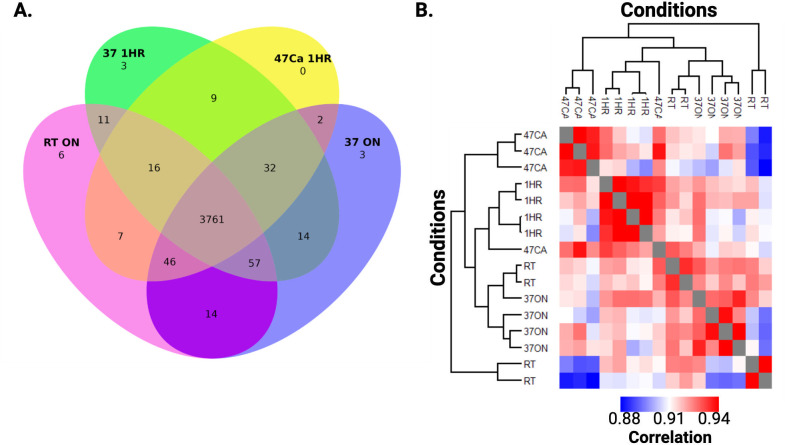 Figure 1
Peer Reviews
No public reviews on file for this paper yet. If you reviewed it on a platform where reviews are public (OpenReview, ICLR, NeurIPS, ICML), you can paste yours below so the community can read it here.
Videos
No videos yet. Explain this paper in a talk, walkthrough, or lecture? Add one.
Taxonomy
TopicsFungal Infections and Studies · Glycosylation and Glycoproteins Research · Biochemical and Structural Characterization