A holistic framework for intradialytic hypotension prediction using generative adversarial networks-based data balancing
Hsuan-Ming Lin, JrJung Lyu

TL;DR
This study introduces a new method using generative adversarial networks to balance data for predicting intradialytic hypotension, improving prediction accuracy over traditional methods.
Contribution
The novel contribution is an enhanced CWGAN-GP framework for generating synthetic data to address class imbalance in IDH prediction.
Findings
The GAN Balanced dataset achieved the highest predictive performance with statistically significant improvements in PR-AUC and Accuracy.
SHAP analysis identified key predictors like Dialysis Date and hemodynamic indicators for IDH.
Traditional methods like SMOTE and ADASYN underperformed compared to the proposed GAN-based approach.
Abstract
Intradialytic Hypotension (IDH) is a frequent complication in hemodialysis, yet predictive modeling is challenged by class imbalance. Traditional oversampling methods often struggle with complex clinical data. This study evaluates an enhanced conditional Wasserstein Generative Adversarial Network with Gradient Penalty (CWGAN-GP) framework to improve IDH prediction by generating high-utility synthetic data for balancing. A CWGAN-GP was developed using multi-level hemodialysis data. Following rigorous preprocessing, including a strict temporal train-test split, the CWGAN-GP generated minority class samples exclusively on the training data. eXtreme Gradient Boosting (XGBoost) models were trained on the original imbalanced data and datasets balanced using the proposed CWGAN-GP method, benchmarked against traditional Synthetic Minority Over-sampling Technique(SMOTE) and Adaptive Synthetic…
Genes, proteins, chemicals, diseases, species, mutations and cell lines named across the full text — each resolved to its canonical identifier and authoritative record.
Click any figure to enlarge with its caption.
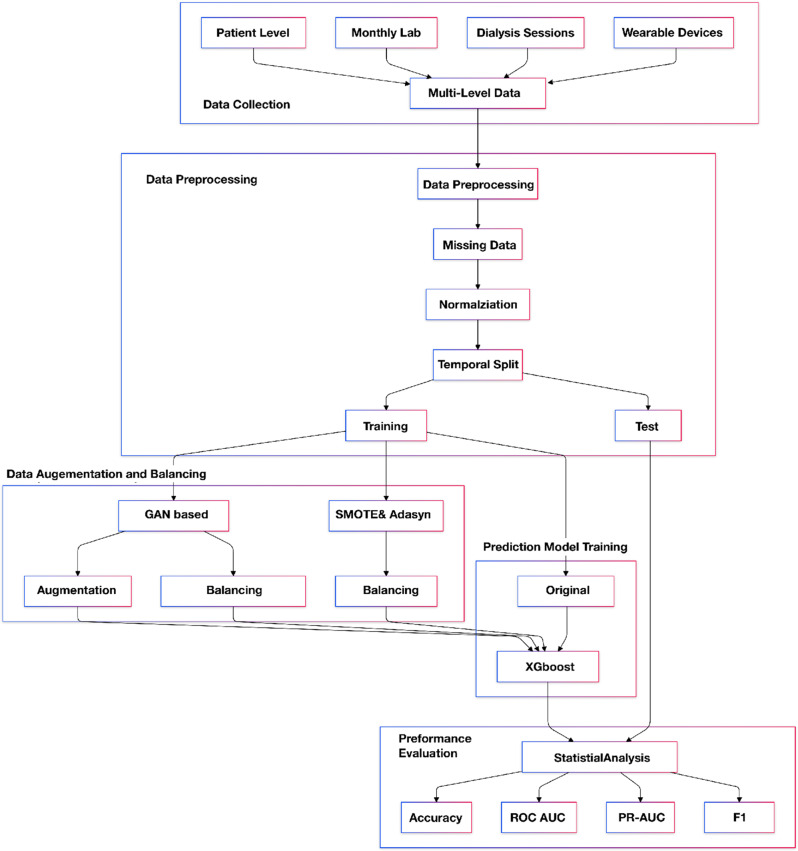 Figure 1
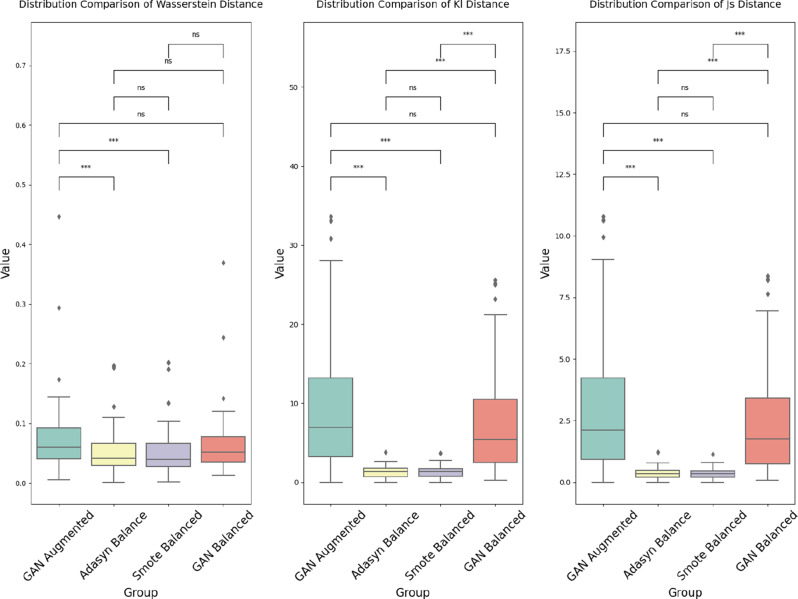 Figure 2
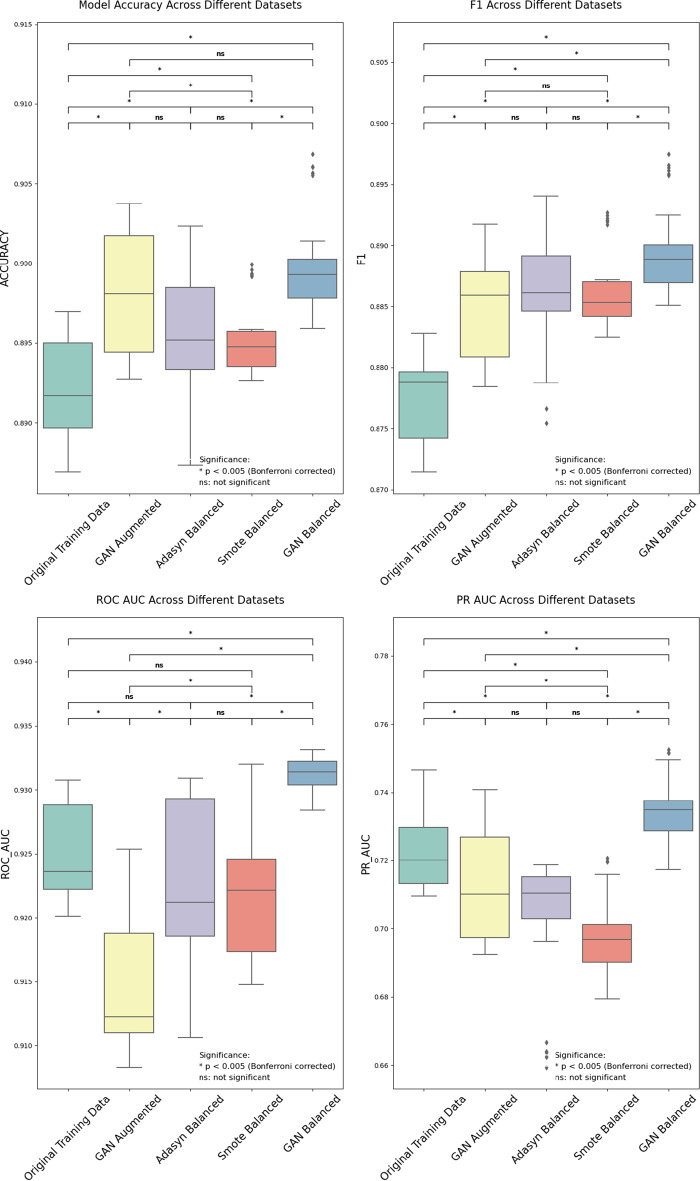 Figure 3
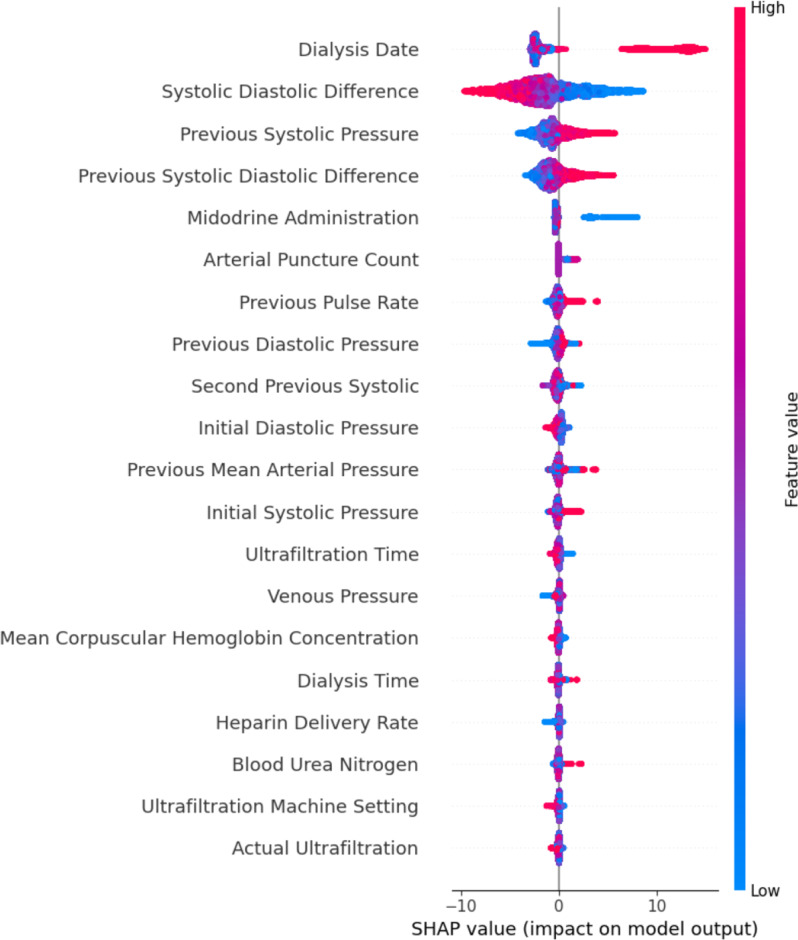 Figure 4
Peer Reviews
No public reviews on file for this paper yet. If you reviewed it on a platform where reviews are public (OpenReview, ICLR, NeurIPS, ICML), you can paste yours below so the community can read it here.
Videos
No videos yet. Explain this paper in a talk, walkthrough, or lecture? Add one.
Taxonomy
TopicsHemodynamic Monitoring and Therapy · Heart Rate Variability and Autonomic Control · Non-Invasive Vital Sign Monitoring