Supine Bridge Exercise in Degenerative and Functional Hip Disorders: A Biomechanical and Therapeutic Approach (Part III)
Saverio Colonna, Riccardo Tarozzi, Antonio D'Alessandro, Fabio Casacci

TL;DR
This paper explores how the supine bridge exercise can help manage hip disorders by improving joint stability and muscle activation.
Contribution
The paper introduces biomechanical insights and therapeutic applications of the supine bridge exercise for hip dysfunctions.
Findings
SBE variations can promote posterior femoral head translation and joint stability.
Tailored SBE sessions may help prevent hip issues in athletes like soccer players and dancers.
Proper SBE use can aid in conservative management and functional retraining of hip dysfunctions.
Abstract
The supine bridge exercise (SBE) is widely recognized in rehabilitation for improving core stability and hip extensor strength. While its benefits in low back pain have been documented, its role in hip joint dysfunctions remains underexplored. This narrative review investigates the application of the SBE in degenerative and functional hip disorders, including femoroacetabular impingement (FAI), microinstability, and femoral anterior glide syndrome (FAGS). Particular attention is given to the biomechanical rationale behind gluteus maximus activation (especially the lower portion, or LGM) and the inhibition of synergistic dominance by the hamstrings Based on current evidence, specific SBE variations, including hip and ankle positioning, spinal alignment, and neuromuscular control strategies, may promote posterior femoral head translation and joint stability. Furthermore, the review…
Genes, proteins, chemicals, diseases, species, mutations and cell lines named across the full text — each resolved to its canonical identifier and authoritative record.
Click any figure to enlarge with its caption.
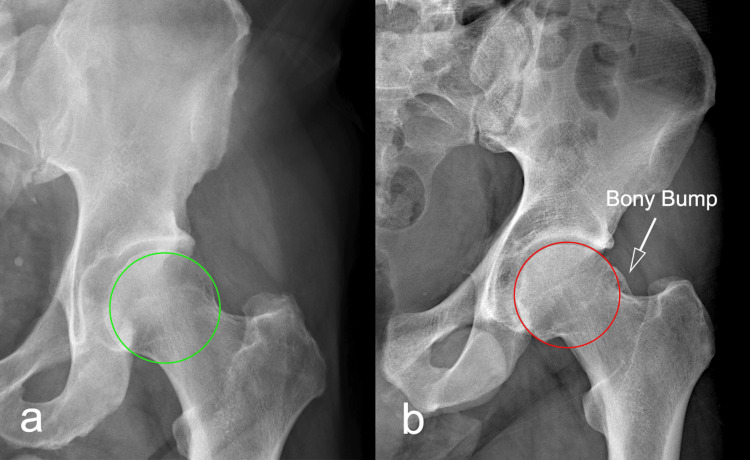 Figure 1
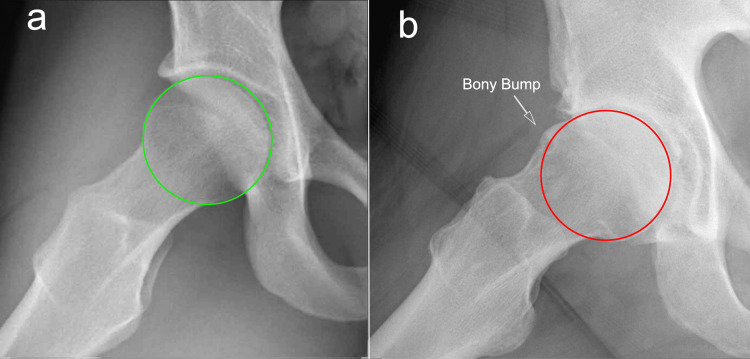 Figure 2
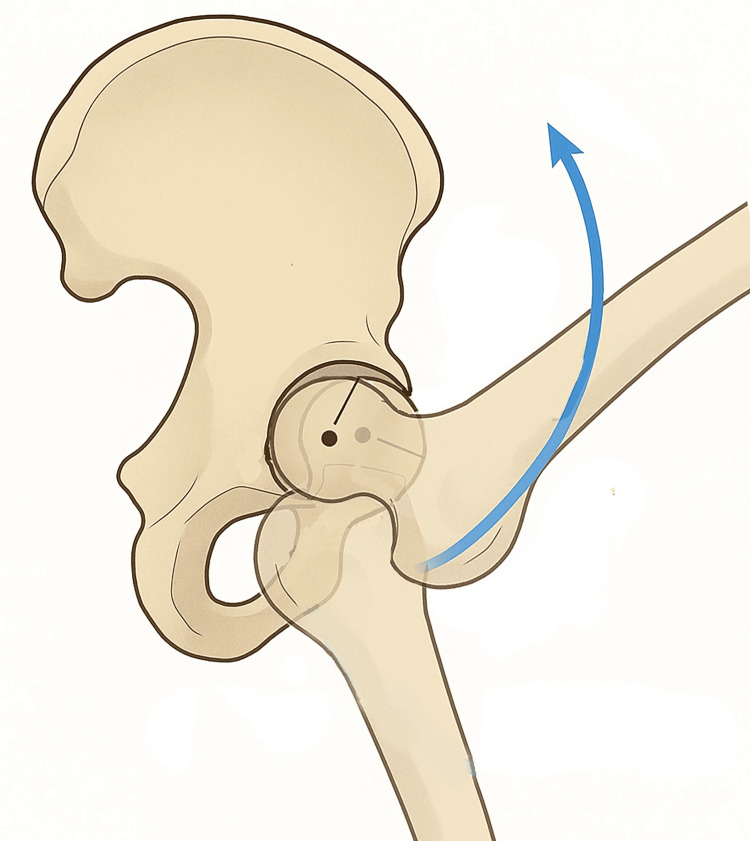 Figure 3
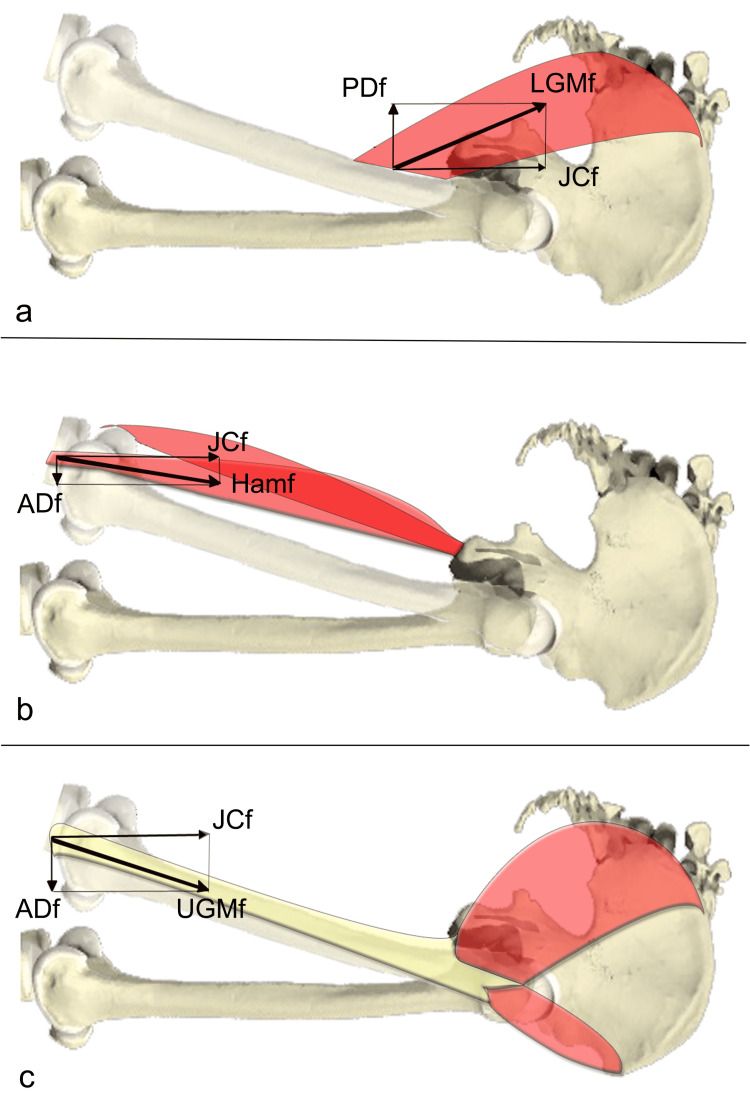 Figure 4
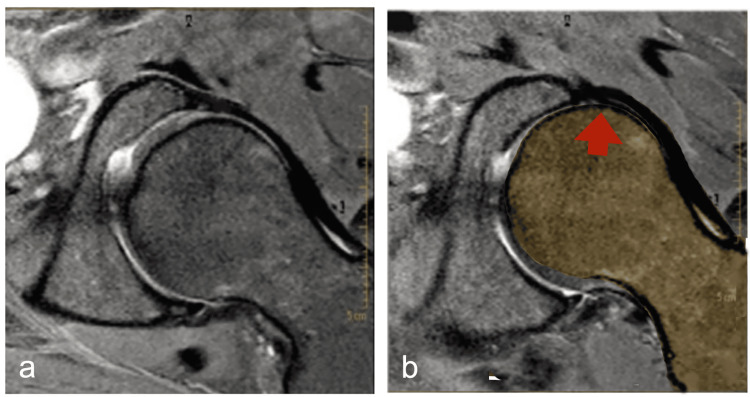 Figure 5
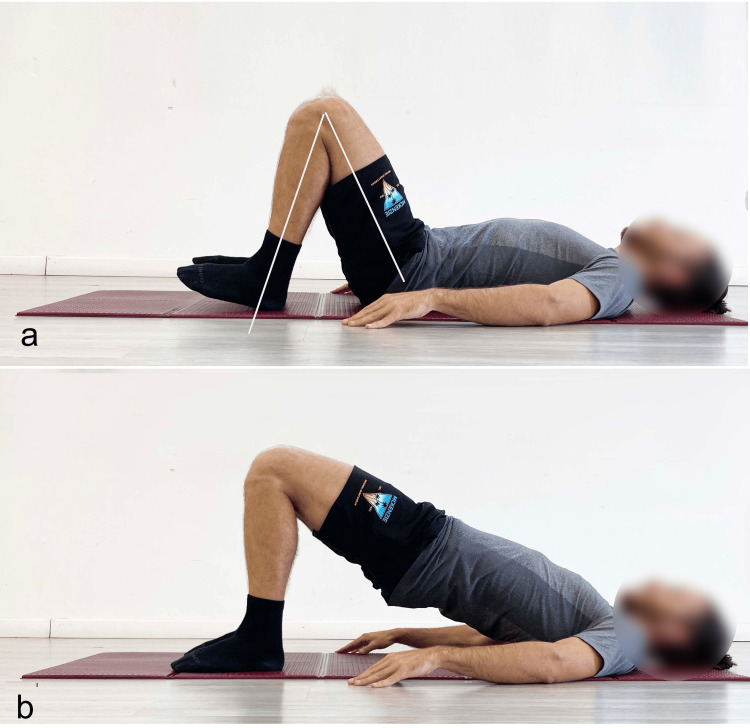 Figure 6
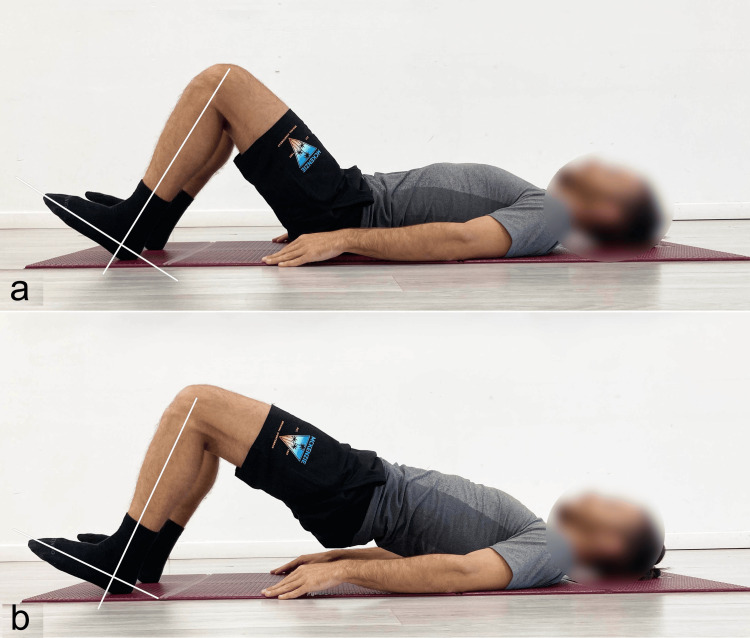 Figure 7
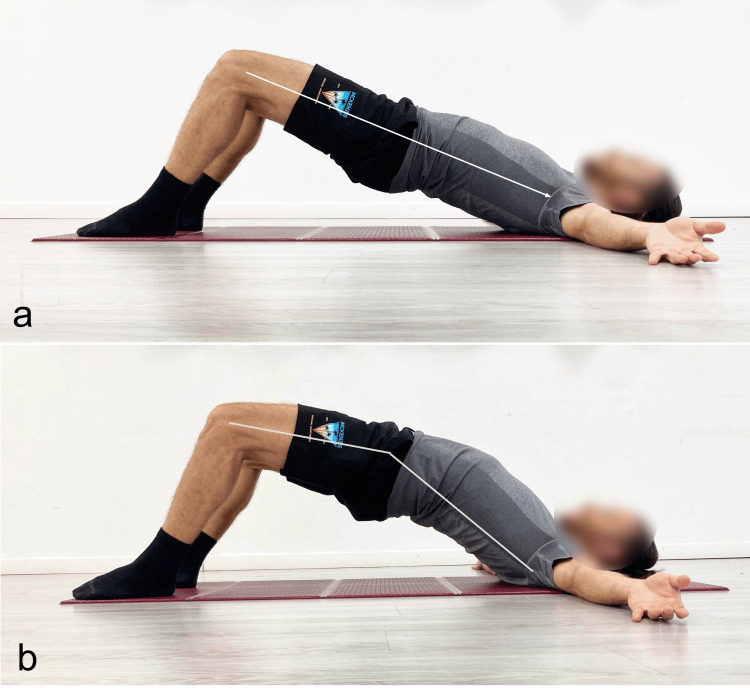 Figure 8
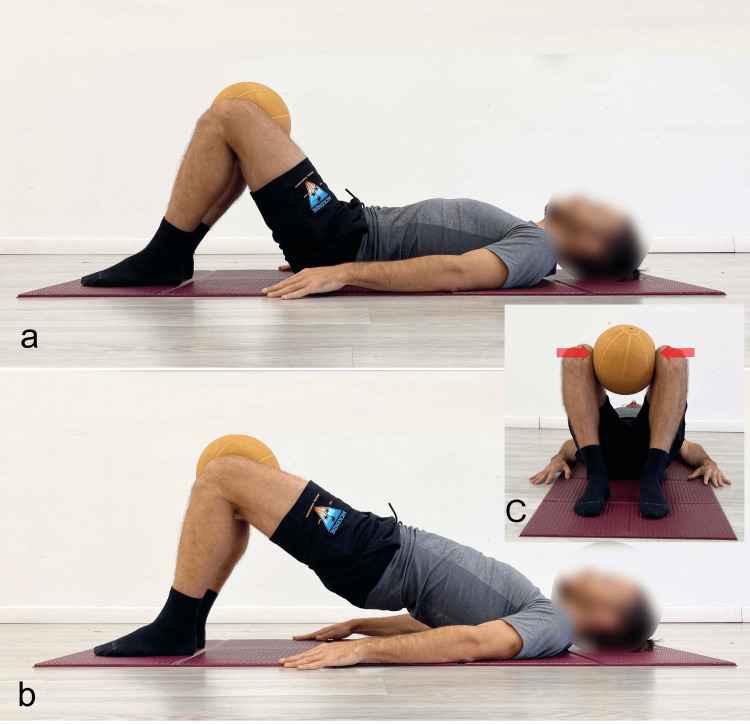 Figure 9
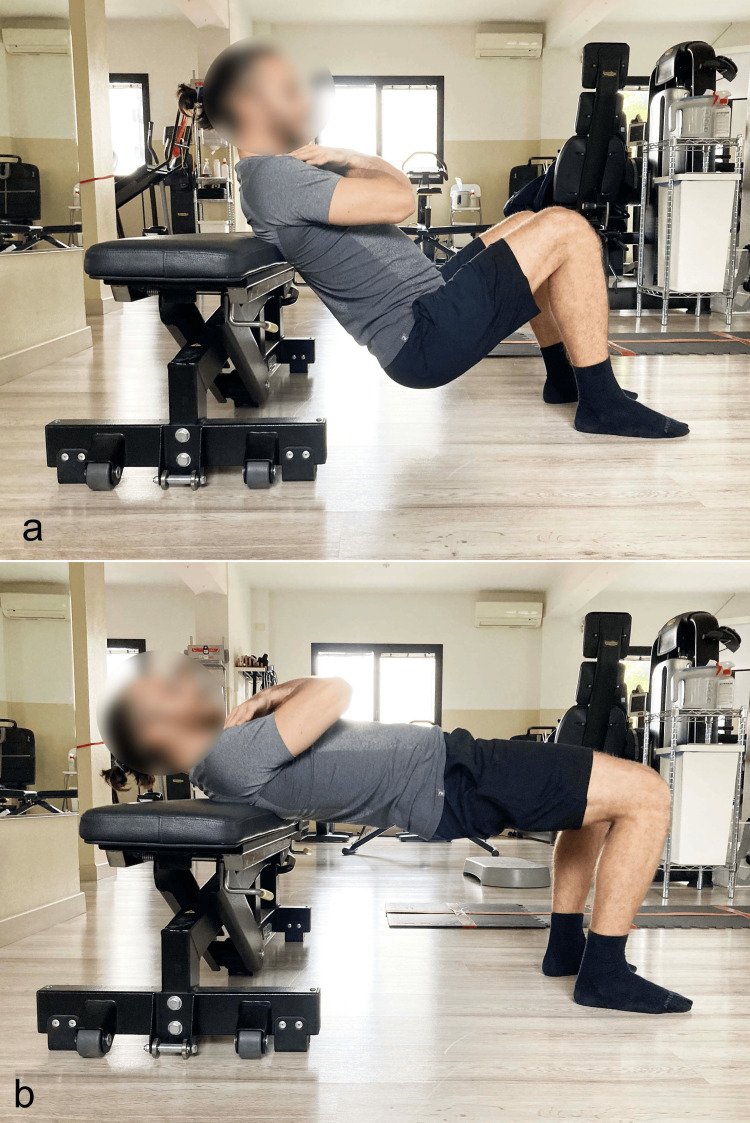 Figure 10
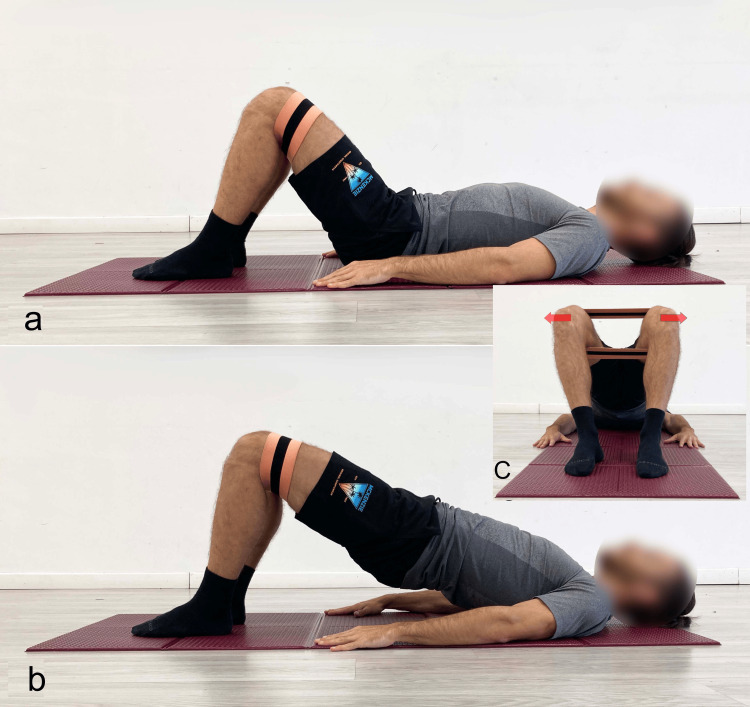 Figure 11
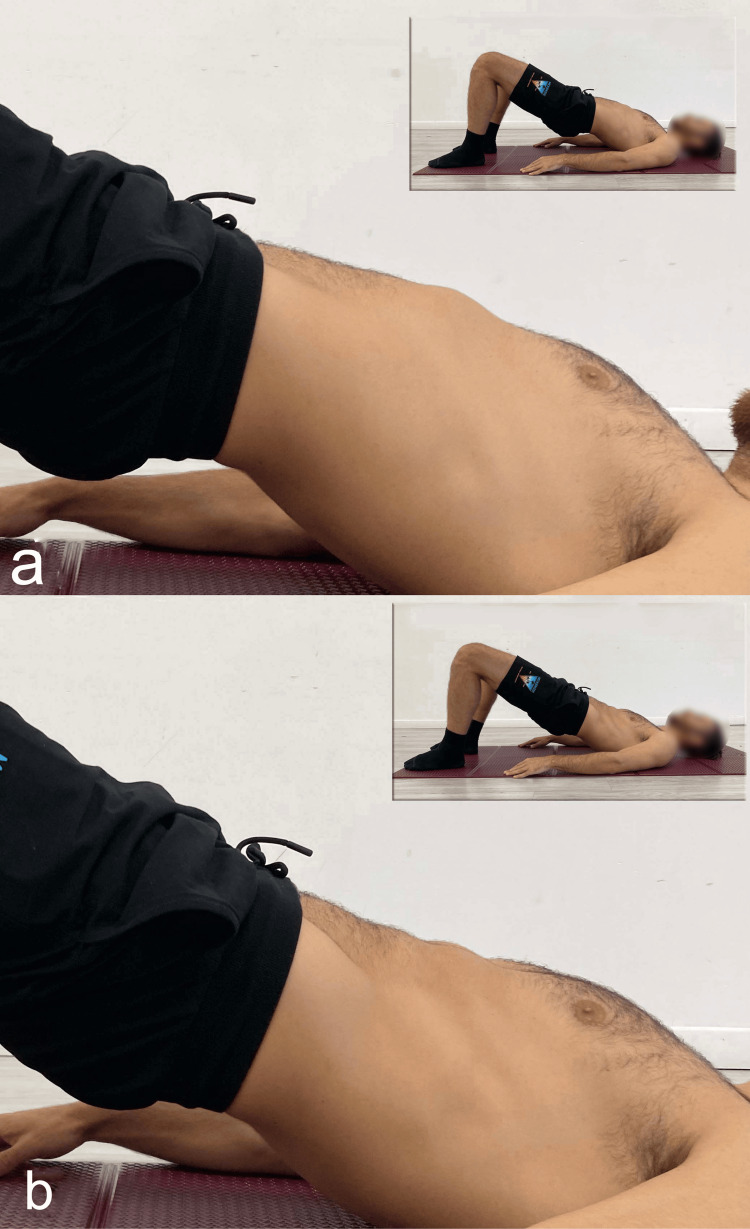 Figure 12
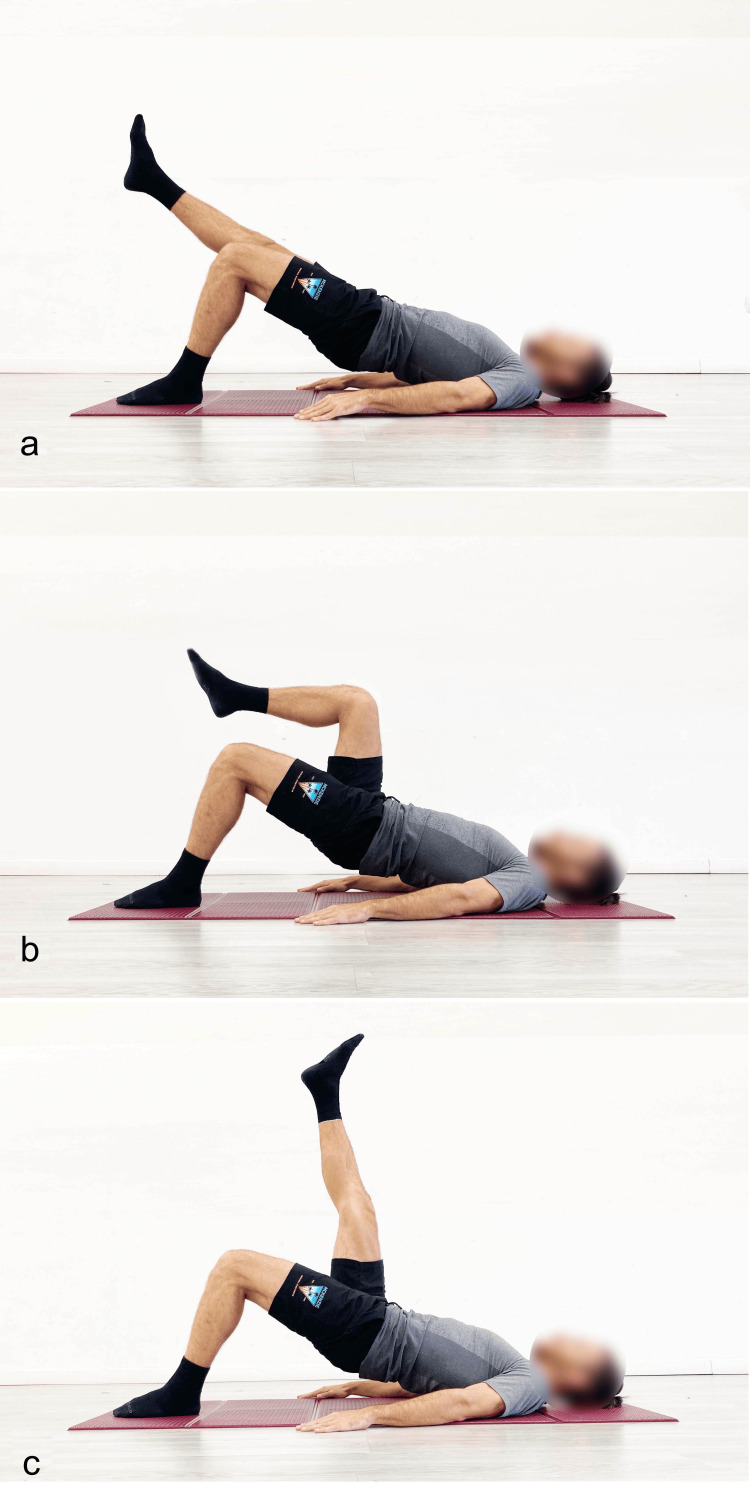 Figure 13
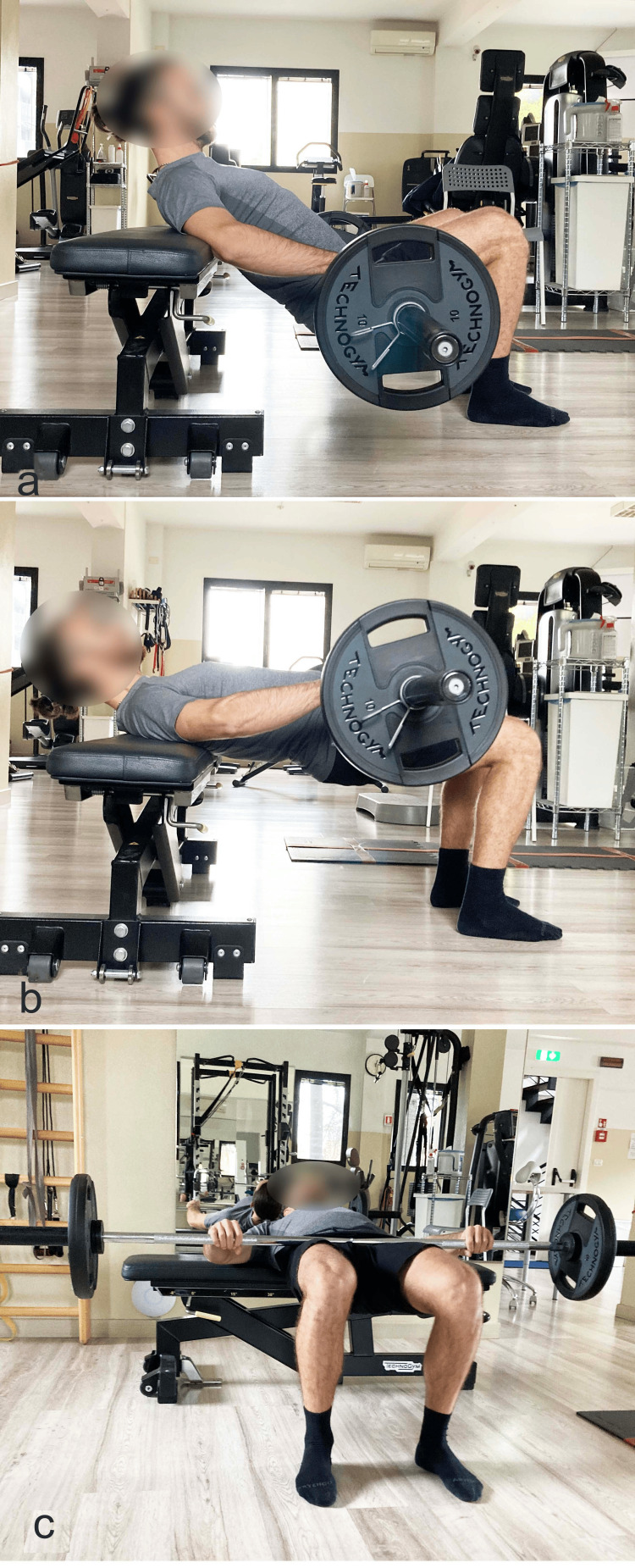 Figure 14
Peer Reviews
No public reviews on file for this paper yet. If you reviewed it on a platform where reviews are public (OpenReview, ICLR, NeurIPS, ICML), you can paste yours below so the community can read it here.
Videos
No videos yet. Explain this paper in a talk, walkthrough, or lecture? Add one.
Taxonomy
TopicsHip disorders and treatments · Orthopaedic implants and arthroplasty · Shoulder Injury and Treatment