Correlation of Antimuscarinic Acetylcholine Receptor Antibody Titers With Pemphigus Disease Activity at Baseline and Following Phase I Pulse Therapy
Biswanath Behera, Aparna Palit, Suchanda Sahu, Soumya S Sahoo, Madhusmita Sethy

TL;DR
This study finds that antimuscarinic acetylcholine receptor antibody levels decrease with treatment and correlate with disease activity in pemphigus patients.
Contribution
The study is among the first in the Indian context to show a correlation between anti-M-AChR antibody titers and pemphigus disease activity after pulse therapy.
Findings
Anti-M-AChR antibody titers decreased significantly after Phase I pulse therapy.
PDAI scores showed a moderate correlation with anti-M-AChR antibody levels post-treatment.
Baseline antibody titers did not reliably indicate initial disease activity.
Abstract
Background Pemphigus is a rare autoimmune blistering disorder characterized by involvement of the skin and mucous membranes, primarily due to autoantibodies targeting desmogleins. Emerging evidence has pointed to a potential pathogenic role of antimuscarinic acetylcholine receptor (anti-M-AChR) antibodies and reported a correlation between their titers and pemphigus disease activity. However, data on this association, particularly in relation to different phases of pulse therapy in the Indian context, remain limited. Aim This study aimed to evaluate the correlation between anti-M-AChR antibody titers and pemphigus disease activity at baseline and after Phase I of dexamethasone-cyclophosphamide/azathioprine pulse therapy. Materials and methods This prospective longitudinal observational study included newly diagnosed cases of pemphigus confirmed through histopathology and direct…
Genes, proteins, chemicals, diseases, species, mutations and cell lines named across the full text — each resolved to its canonical identifier and authoritative record.
Click any figure to enlarge with its caption.
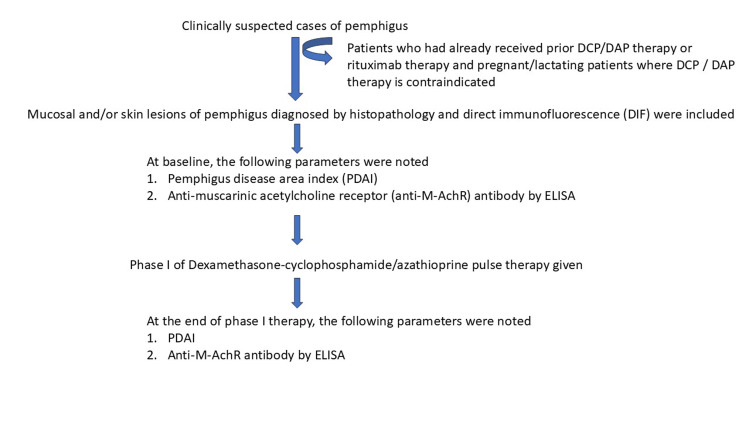 Figure 1
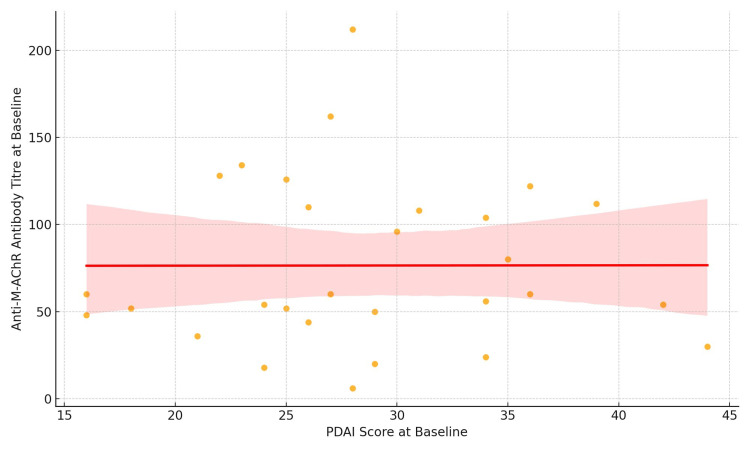 Figure 2
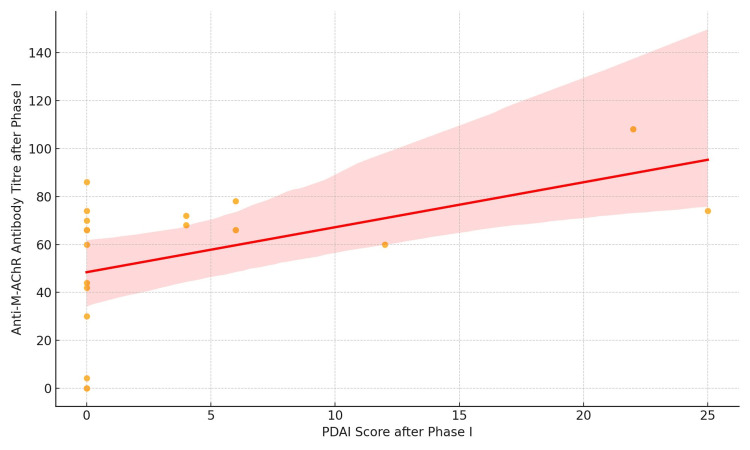 Figure 3
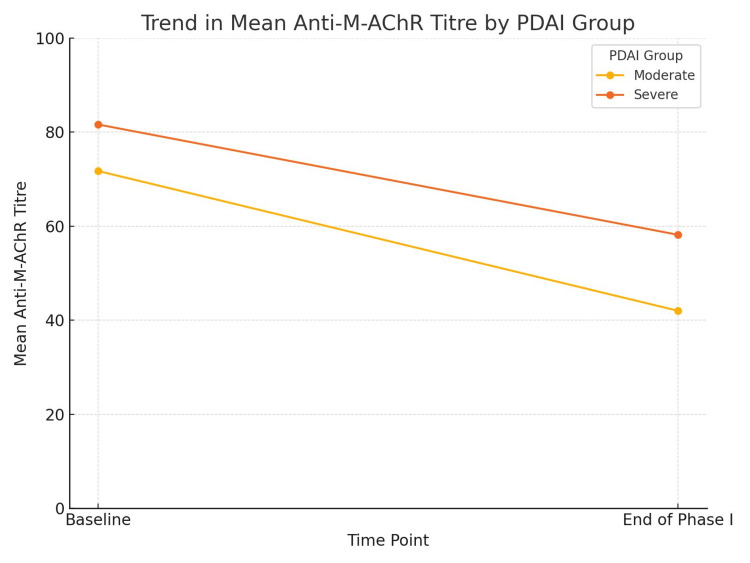 Figure 4
Peer Reviews
No public reviews on file for this paper yet. If you reviewed it on a platform where reviews are public (OpenReview, ICLR, NeurIPS, ICML), you can paste yours below so the community can read it here.
Videos
No videos yet. Explain this paper in a talk, walkthrough, or lecture? Add one.
Taxonomy
TopicsAutoimmune Bullous Skin Diseases · Coagulation, Bradykinin, Polyphosphates, and Angioedema · Urticaria and Related Conditions