Exergy and Exergoeconomic Analysis of the Gas Subcooled Process for the Brazilian Market: An Approach to Enhance Natural Gas Liquids Recovery
Isidro Alejandro Argueta Flores, Ana Paula Meneguelo, Cintia Marangoni, Yuri Nascimento Nariyoshi, Marcelo Silveira Bacelos

TL;DR
This study evaluates different gas subcooled process designs in Brazil to improve natural gas liquids recovery by analyzing energy efficiency and costs.
Contribution
The novel contribution is the detailed exergy and exergoeconomic analysis of four GSP configurations to identify thermodynamic and economic inefficiencies.
Findings
The Turbo-Expander (TE) configuration achieves the highest exergy efficiency at 71%.
The TEMR setup has the highest exergy destruction cost at US $5687/h due to energy-intensive refrigeration.
The analysis provides actionable insights for improving GSP system design and infrastructure modernization.
Abstract
The gas subcooled process (GSP) is the most widely adopted natural gas liquid (NGL) recovery method due to its adaptability to varying gas compositions and its alignment with the market emphasis in Brazil on lighter hydrocarbons. However, the process remains limited by high energy consumption and significant thermodynamic inefficiencies, particularly in the expansion and separation stages. To address these drawbacks, this research employs a detailed exergy and exergoeconomic assessment of four GSP configurations, termed Turbo-Expander (TE), Joule–Thomson (JT), Turbo-Expander with Mechanical Refrigeration (TEMR), and Joule-Thomson with Mechanical Refrigeration (JTMR), to identify and quantify the sources of energy degradation and their associated economic impacts. The results reveal that the TE configuration achieves the highest exergy efficiency (71%) and demonstrates superior cost…
Genes, proteins, chemicals, diseases, species, mutations and cell lines named across the full text — each resolved to its canonical identifier and authoritative record.
Click any figure to enlarge with its caption.
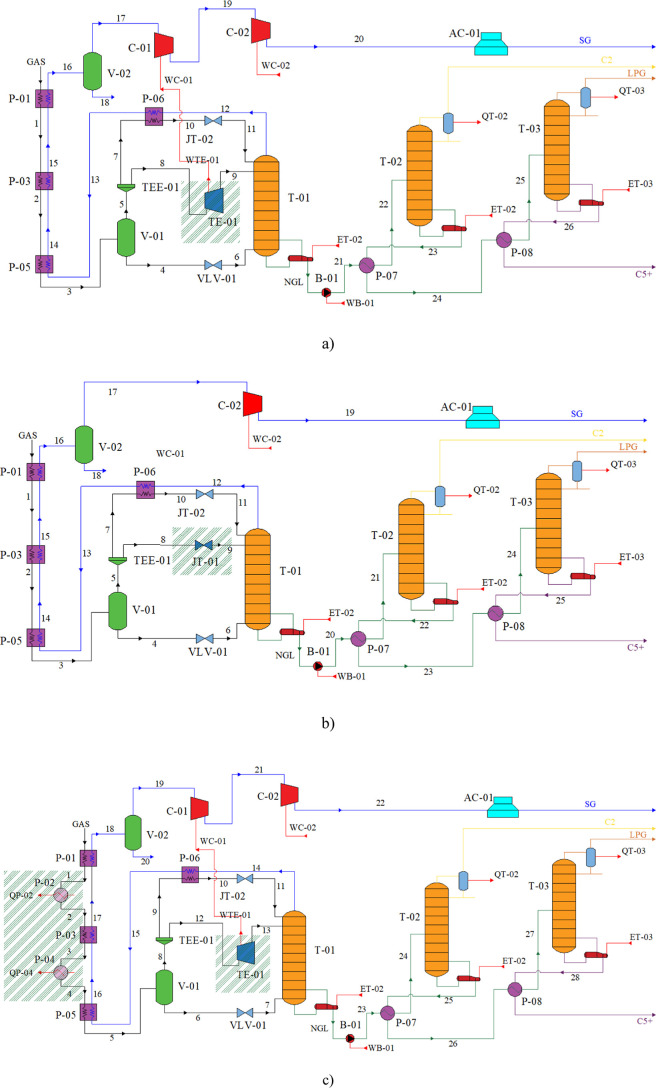 Figure 1
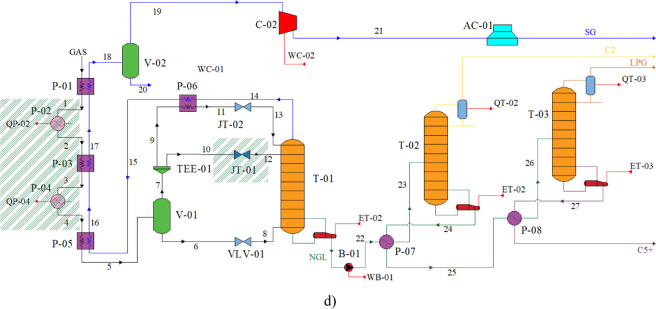 Figure 2
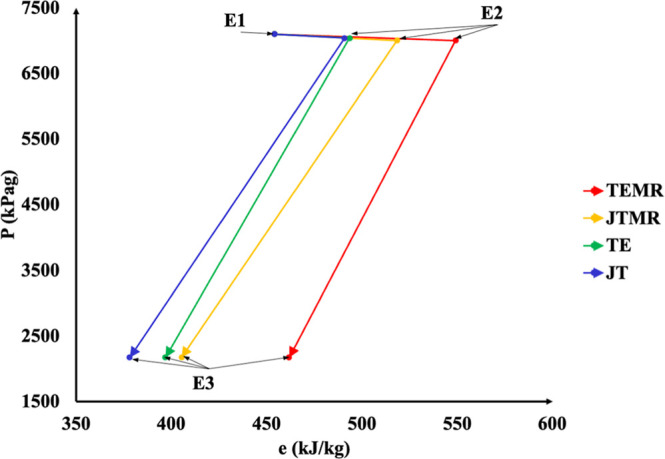 Figure 3
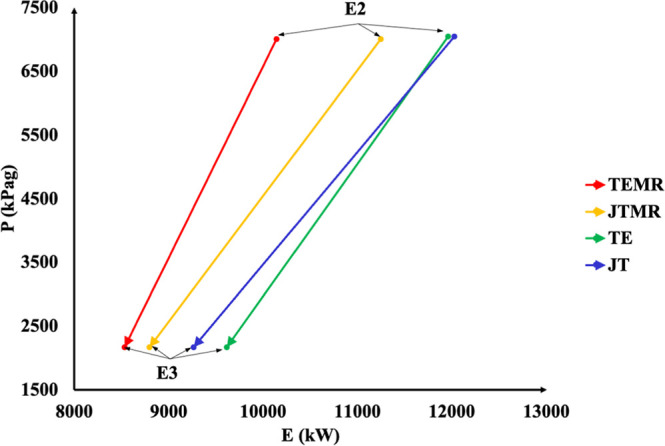 Figure 4
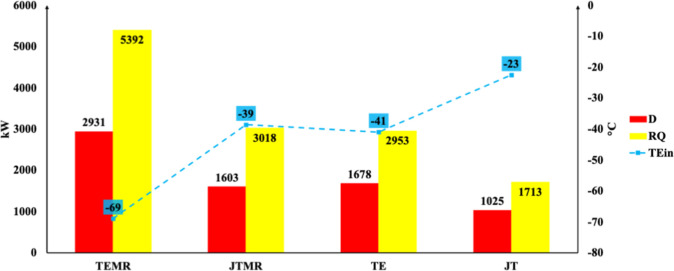 Figure 5
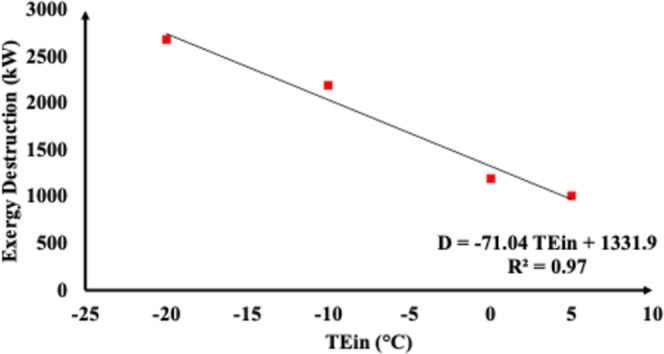 Figure 6
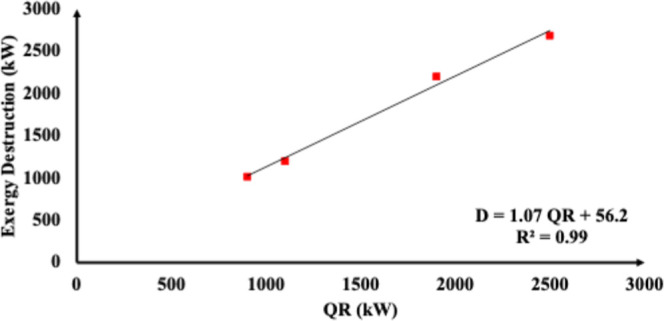 Figure 7
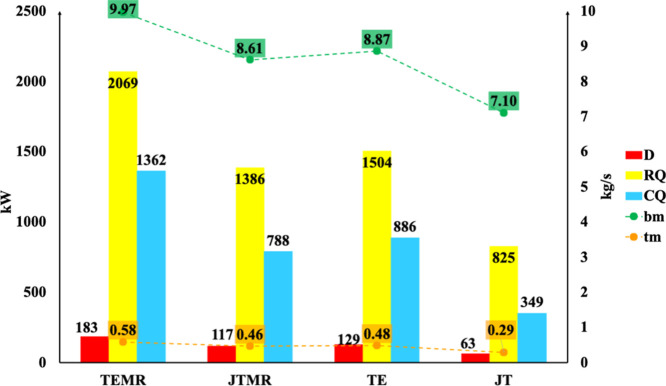 Figure 8
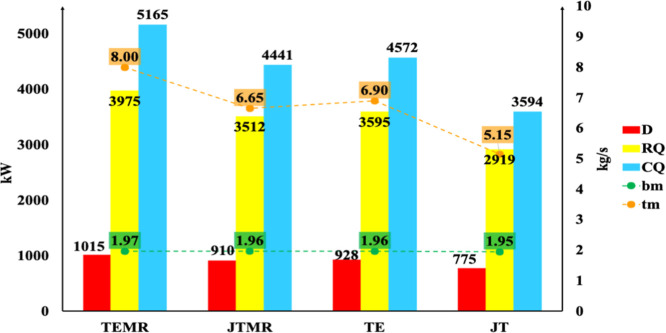 Figure 9
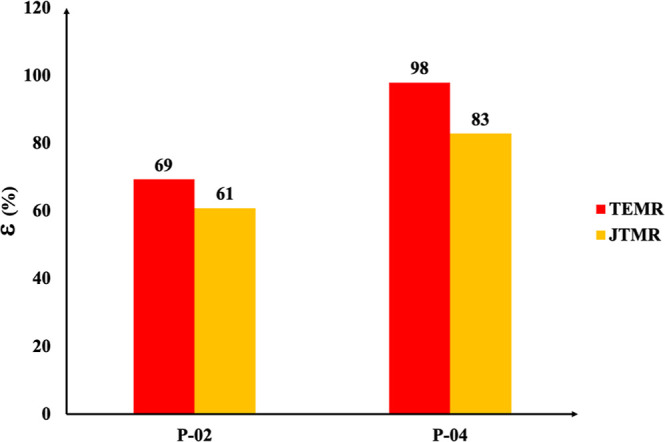 Figure 10
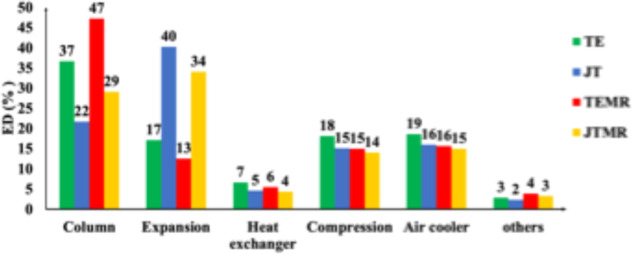 Figure 11
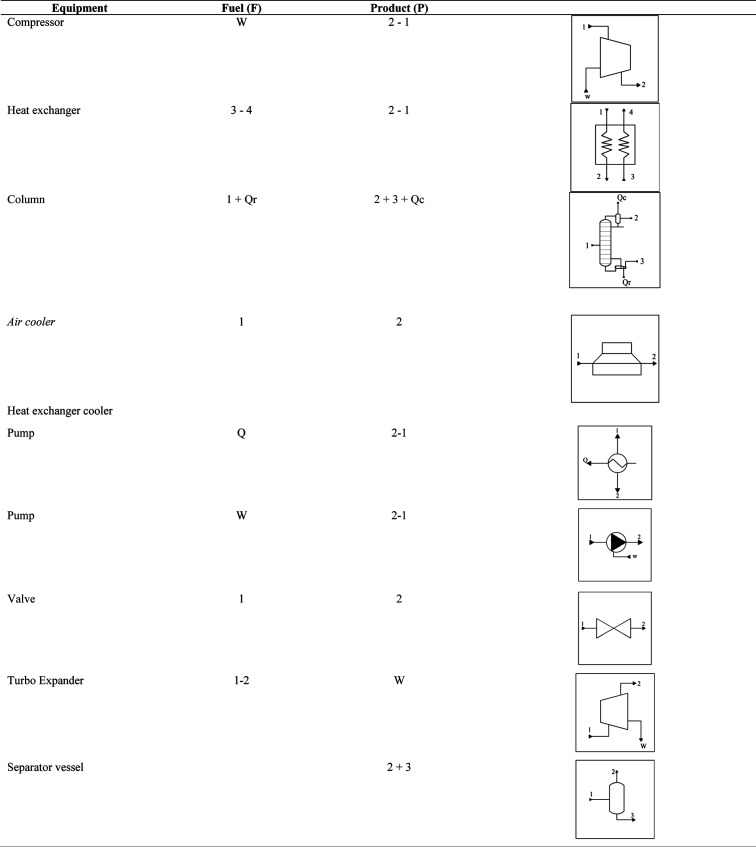 Figure 12
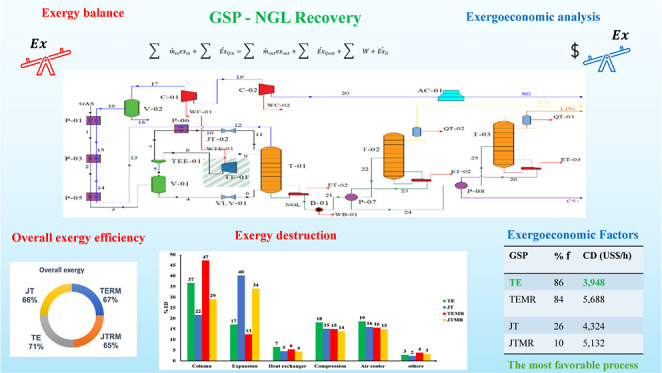 Figure 13
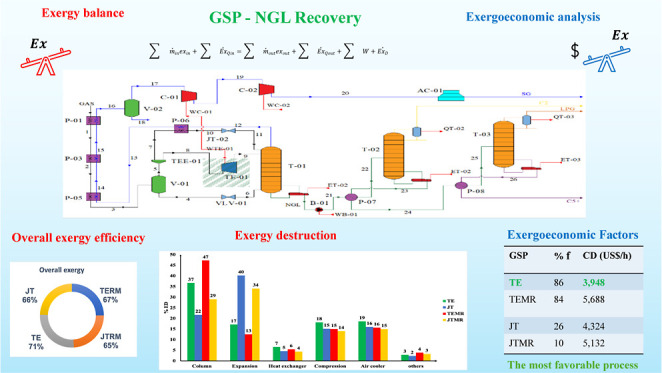 Figure 14
 Figure 15
 Figure 16
 Figure 17
 Figure 18
 Figure 19
 Figure 20
 Figure 21
 Figure 22
 Figure 23
 Figure 24
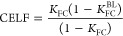 Figure 25
 Figure 26
 Figure 27
 Figure 28
 Figure 29
 Figure 30
 Figure 31
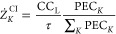 Figure 32
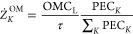 Figure 33
 Figure 34
 Figure 35
 Figure 36
 Figure 37
 Figure 38
 Figure 39
 Figure 40
 Figure 41
 Figure 42
 Figure 43
 Figure 44
 Figure 45
 Figure 46
 Figure 47
 Figure 48
 Figure 49
 Figure 50
Peer Reviews
No public reviews on file for this paper yet. If you reviewed it on a platform where reviews are public (OpenReview, ICLR, NeurIPS, ICML), you can paste yours below so the community can read it here.
Videos
No videos yet. Explain this paper in a talk, walkthrough, or lecture? Add one.
Taxonomy
TopicsThermodynamic and Exergetic Analyses of Power and Cooling Systems · Global Energy and Sustainability Research · Process Optimization and Integration