Analysis of Poly-3-Hydroxybutyrate Production with Different Microorganisms Using the Dynamic Simulations for Evaluation of Economic Potential Approach
Willians de Oliveira Santos, Rafael David de Oliveira, José Gregório Cabrera Gomez, Galo Antonio Carrillo Le Roux

TL;DR
This paper introduces a new method called DySEEP to evaluate the economic potential of producing biodegradable plastics like PHB using different microorganisms.
Contribution
The novel contribution is the DySEEP approach, which combines dynamic simulations with economic metrics to optimize bioplastic production.
Findings
For recombinant E. coli, a PHB yield of 0.37 g/g leads to positive cash flow, and 0.50 g/g maximizes theoretical profit.
Genetic modifications such as knocking out specific metabolic pathways could enhance PHB production in E. coli.
Optimal bioreactor strategies suggest using 20% of glucose in the growth phase and 80% in the production phase for maximum profit.
Abstract
Concerns with sustainability have led to increasing interest in bioprocesses in the last decades. In particular, environmental problems with plastic disposal have been a major issue. Bioplastics such as poly-3-hydroxybutyrate (PHB) are potential substitutes since they are biodegradable and less toxic. However, their production costs are high and optimization is required. Many works have therefore aimed to build strains capable of higher product yields. But in the case of products that share a precursor with biomass and in the case of intracellular metabolites, a trade-off may occur. Not only yield but also final biomass, titer, and productivity have to be considered. Therefore, this work presents an approach named Dynamic Simulations for Evaluation of Economic Potential (DySEEP), which uses dynamic flux balance analysis (DFBA) and an economic metric as a function of the bioprocess…
Genes, proteins, chemicals, diseases, species, mutations and cell lines named across the full text — each resolved to its canonical identifier and authoritative record.
Click any figure to enlarge with its caption.
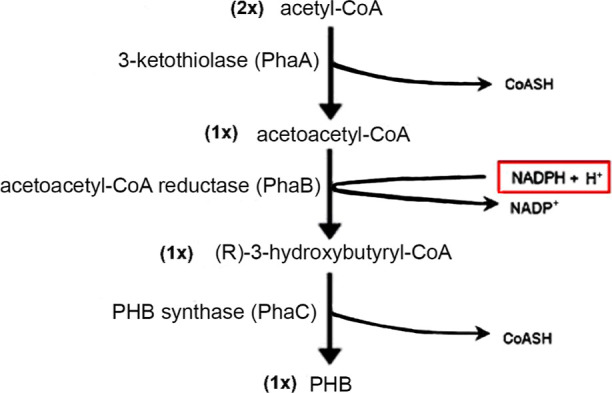 Figure 1
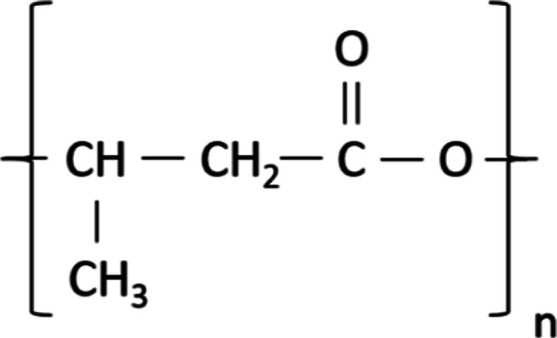 Figure 2
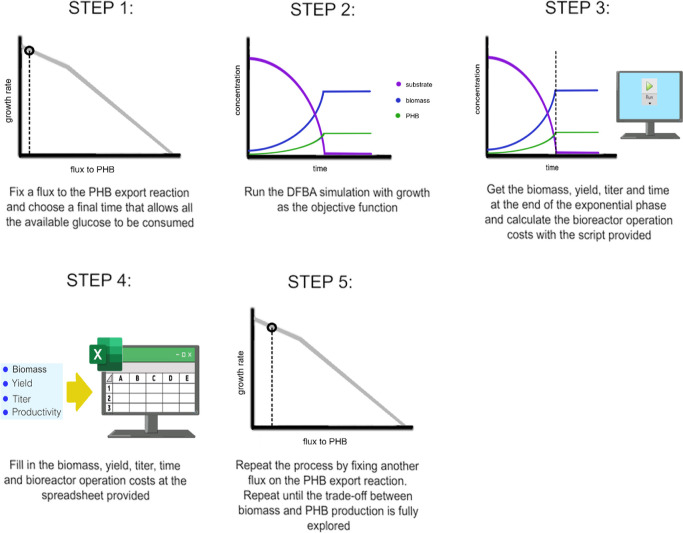 Figure 3
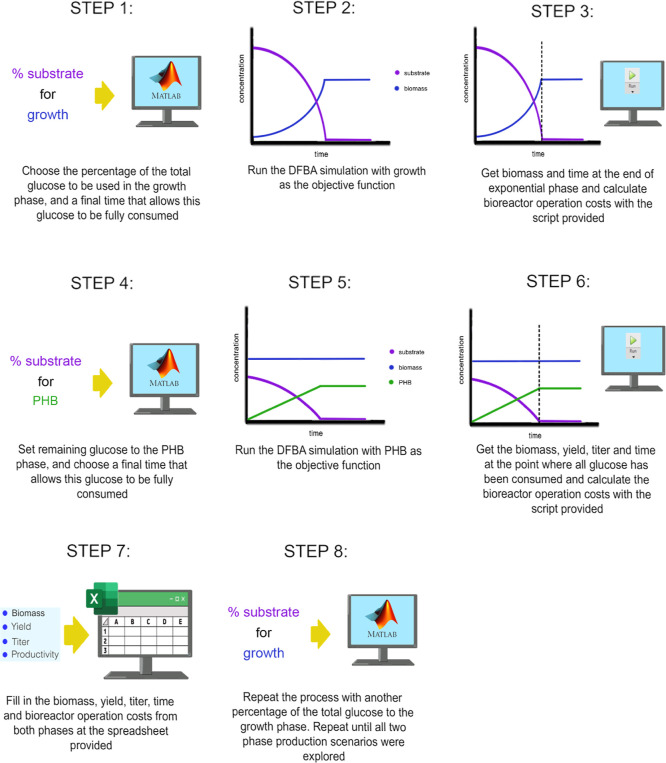 Figure 4
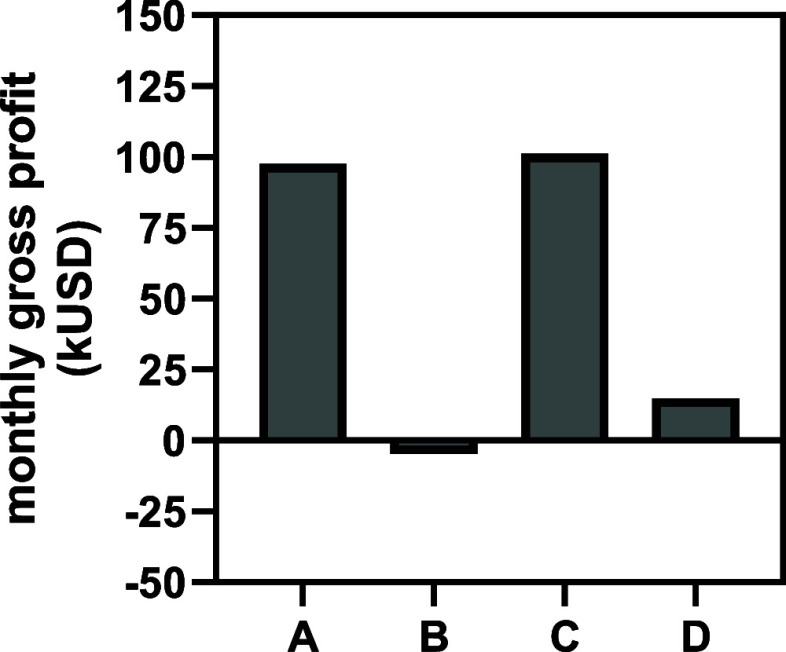 Figure 5
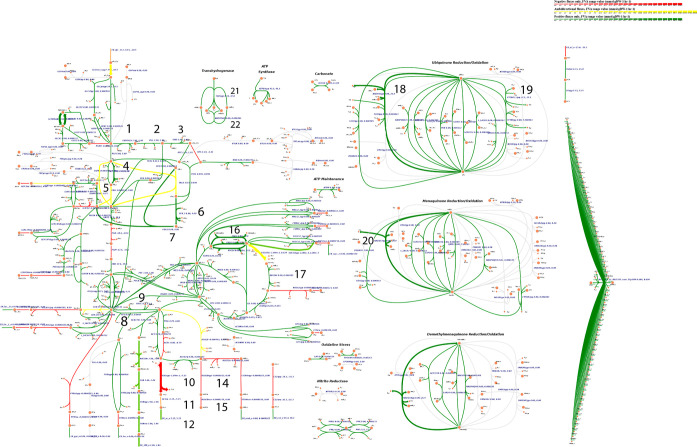 Figure 6
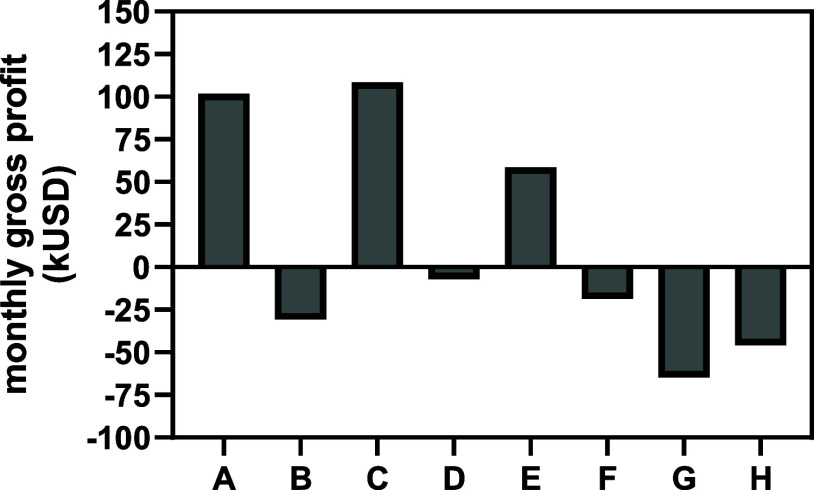 Figure 7
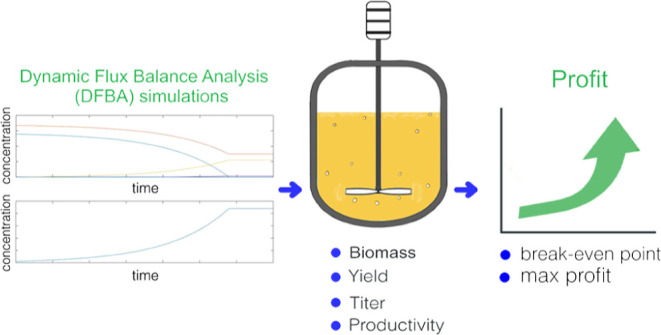 Figure 8
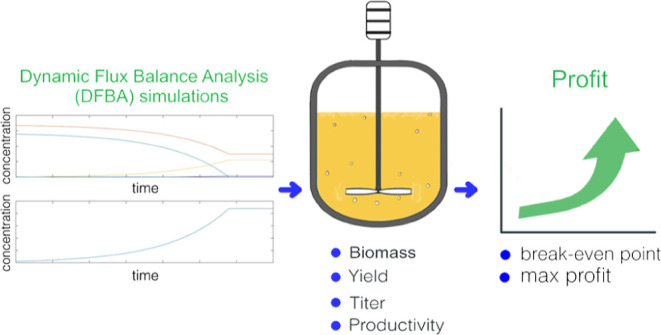 Figure 9
 Figure 10
 Figure 11
 Figure 12
 Figure 13
 Figure 14
 Figure 15
 Figure 16
 Figure 17
 Figure 18
 Figure 19
 Figure 20
 Figure 21
 Figure 22
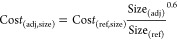 Figure 23
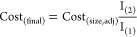 Figure 24
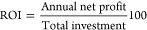 Figure 25
 Figure 26
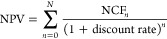 Figure 27
 Figure 28
 Figure 29
 Figure 30
Peer Reviews
No public reviews on file for this paper yet. If you reviewed it on a platform where reviews are public (OpenReview, ICLR, NeurIPS, ICML), you can paste yours below so the community can read it here.
Videos
No videos yet. Explain this paper in a talk, walkthrough, or lecture? Add one.
Taxonomy
TopicsMicrobial Metabolic Engineering and Bioproduction · Biofuel production and bioconversion · biodegradable polymer synthesis and properties