Solubility Modeling for Key Organic Compounds Used in Adavosertib (Anticancer API) Manufacturing
Matthew Blair, Mazaher M. Chalchooghi, Robert J. Cox, Dimitrios I. Gerogiorgis

TL;DR
This paper uses a solubility model to predict the behavior of organic compounds used in making an anticancer drug, reducing the need for extensive lab testing.
Contribution
The study applies the NRTL-SAC model to predict solubility and thermodynamic properties of six compounds in Adavosertib manufacturing.
Findings
The NRTL-SAC model accurately describes the solubility of six organic compounds used in Adavosertib production.
The model estimates melting temperatures and enthalpy of fusion without direct experimental challenges.
This approach minimizes the need for time-consuming and resource-intensive experimentation.
Abstract
The solubility of organic compounds plays an important role in pharmaceutical manufacturing since key unit operations such as reactors, crystallizers, and solvent extraction units all rely on successful reagent and product dissolution. Consequently, predictive solubility modeling is very useful when developing new pharmaceutical processes, so as to minimize the experimentation required to understand the solubility of new molecular entities (NMEs). The present paper has thus employed the Non-Random Two-Liquid Segment Activity Coefficient (NRTL-SAC) model to describe the solubility of six organic compounds used in the production of an experimental anticancer drug, Adavosertib (specifically: AZD1775 Adavosertib Maleate, AZD1775 Aniline Maleate, AZD1775 Nitropip, AZD1775 Hydroxymethylsulfanyl, AZD1775 Bromopyridine.HBr, and AZD1775 Pyrimidine). The NRTL-SAC model has also been employed to…
Genes, proteins, chemicals, diseases, species, mutations and cell lines named across the full text — each resolved to its canonical identifier and authoritative record.
Click any figure to enlarge with its caption.
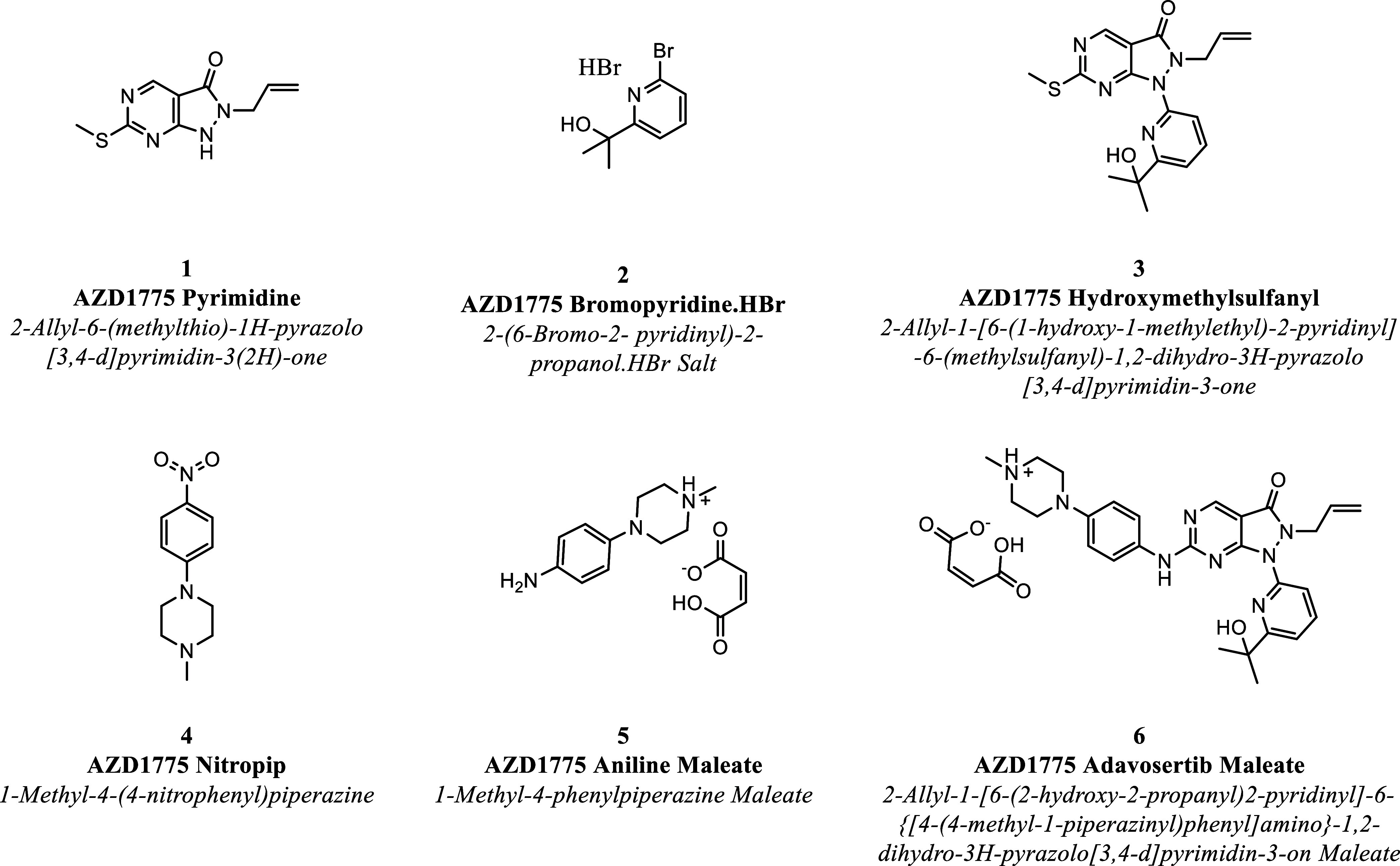 Figure 1
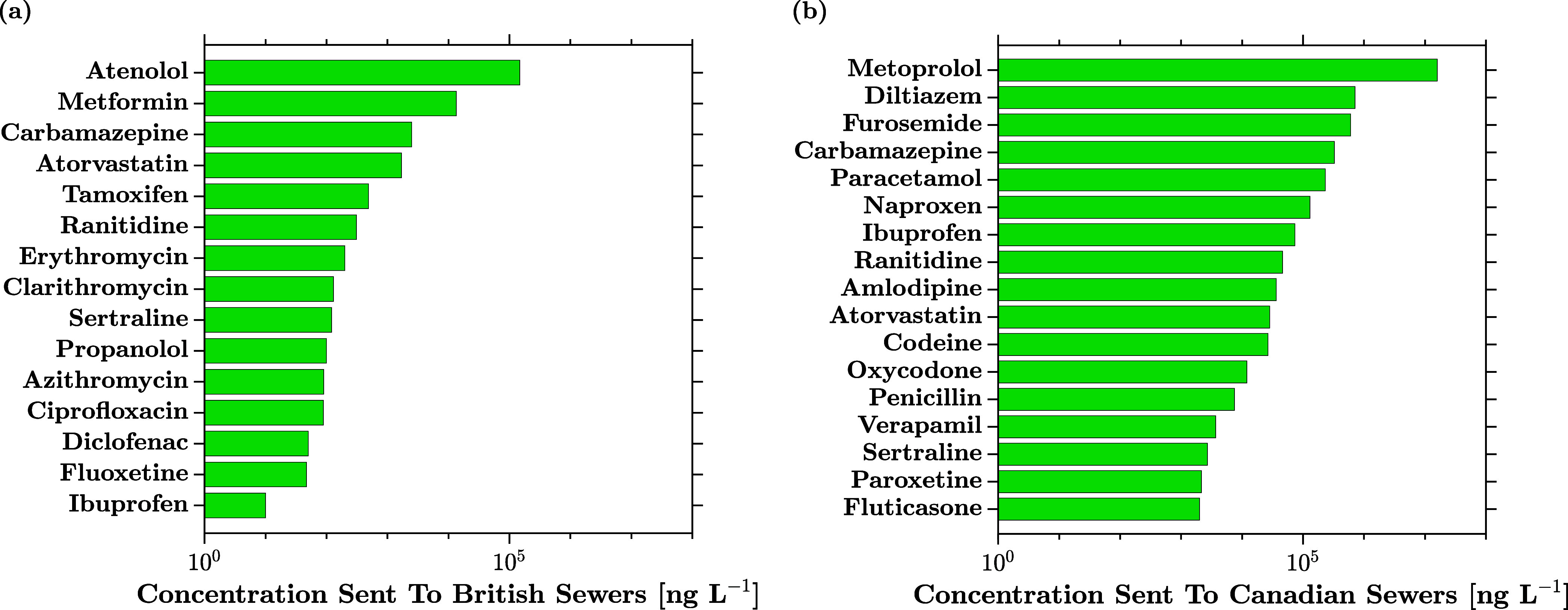 Figure 2
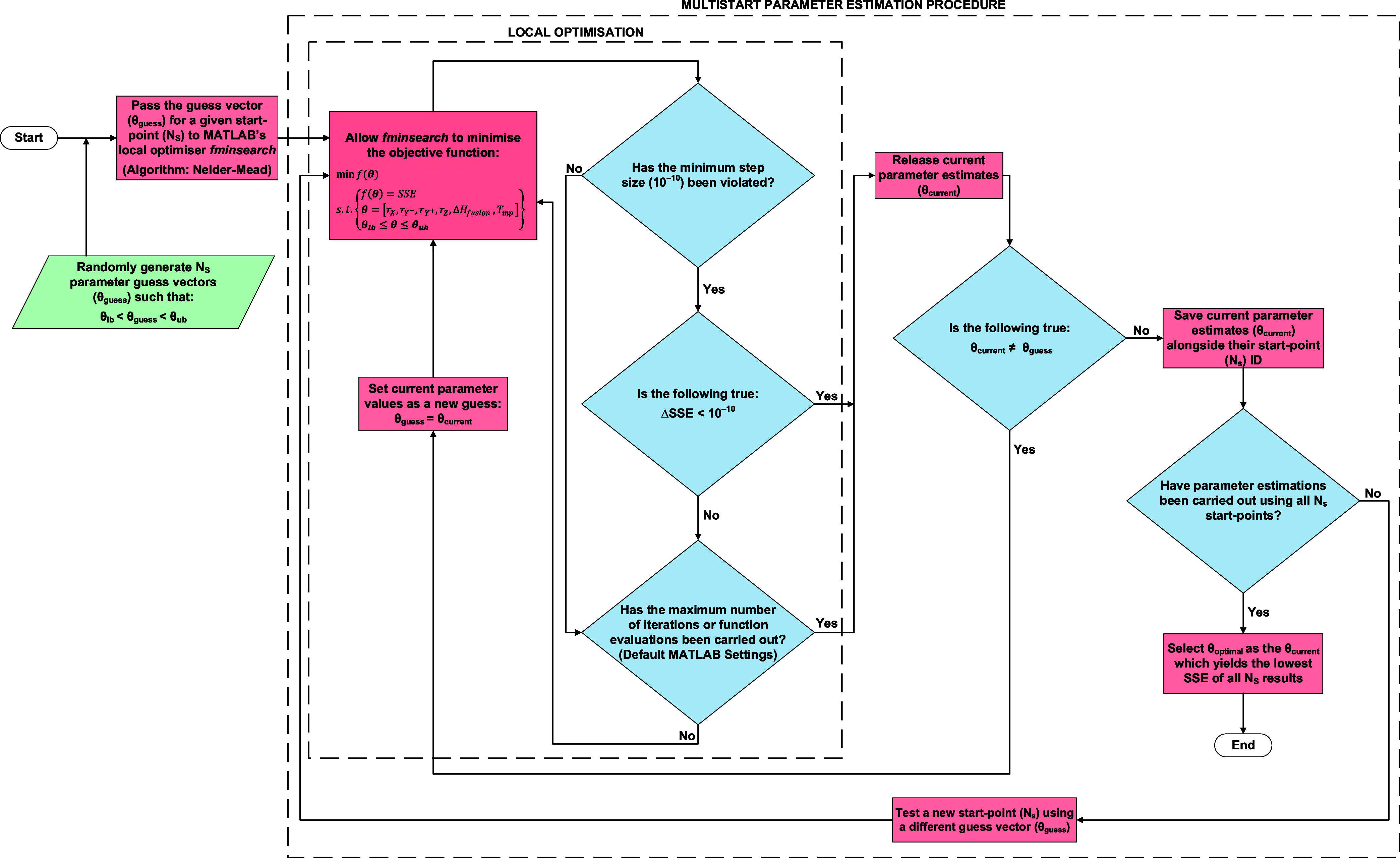 Figure 3
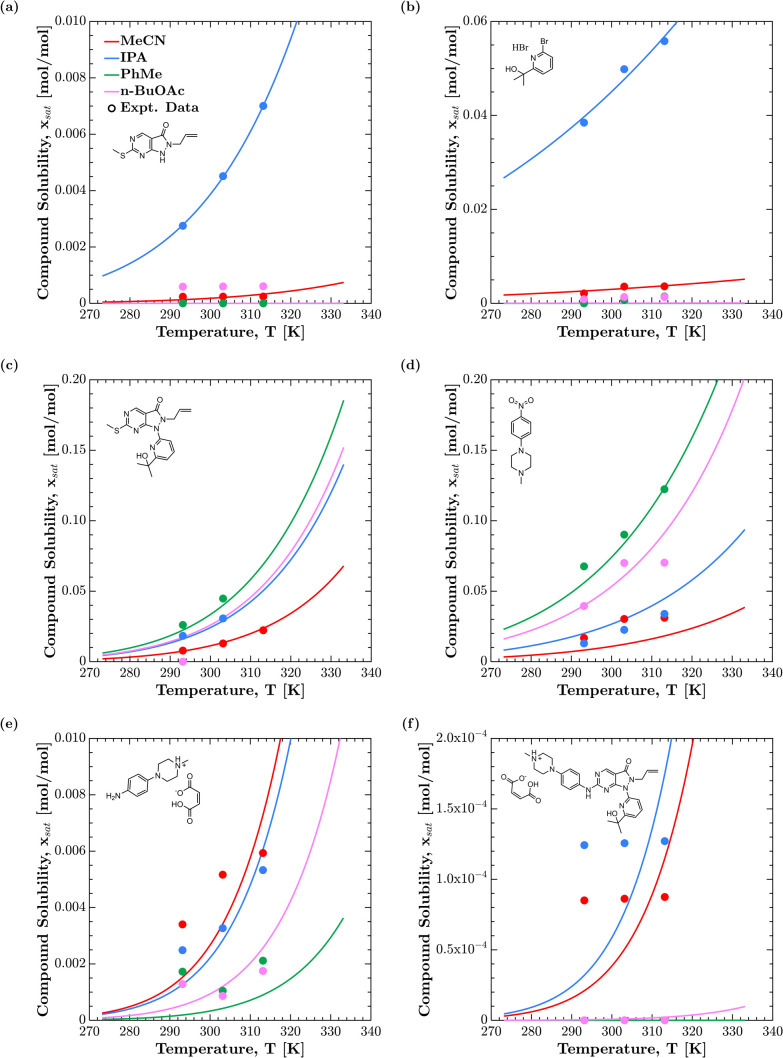 Figure 4
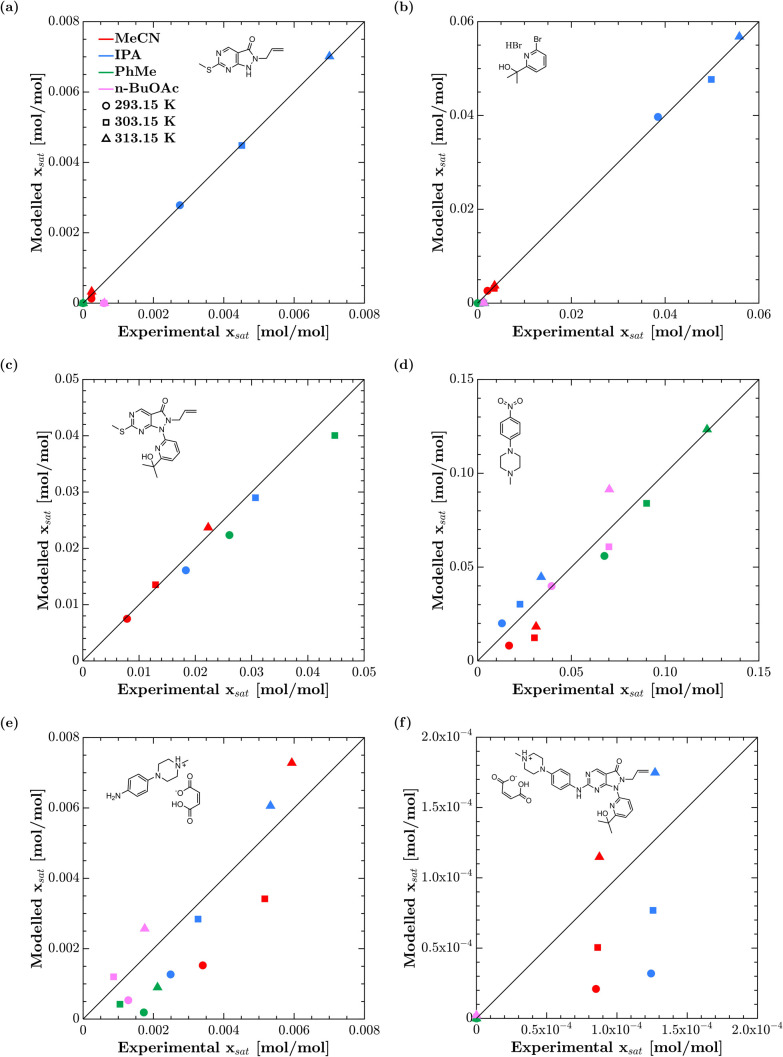 Figure 5
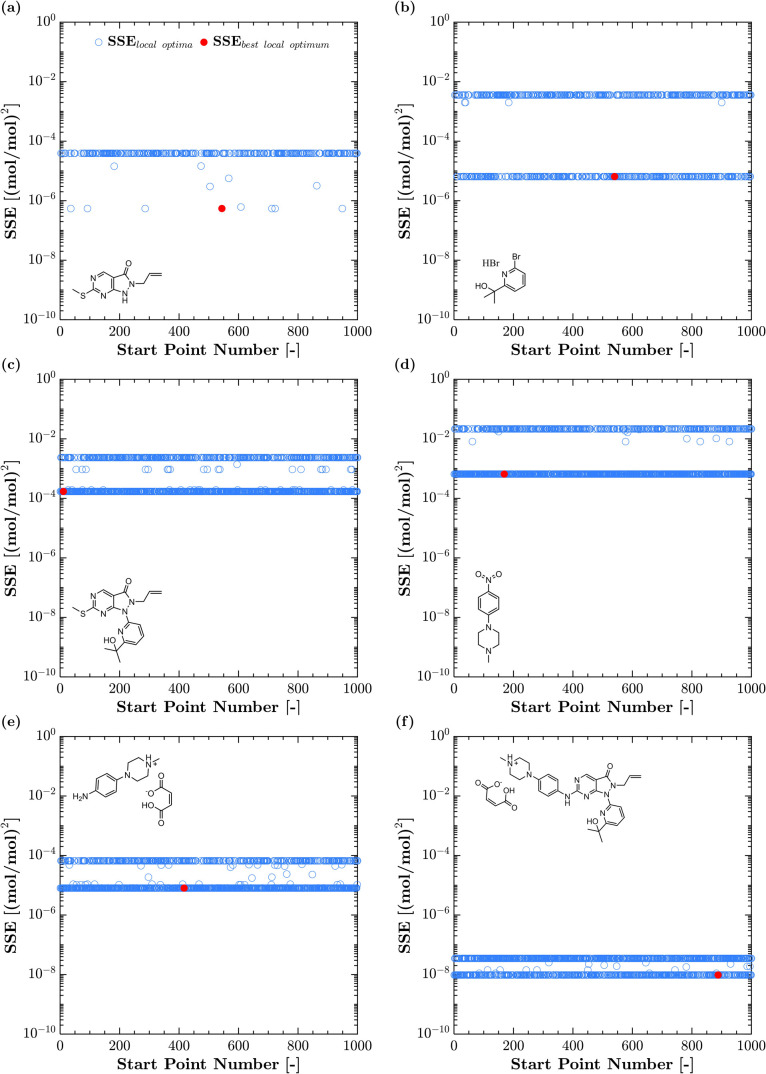 Figure 6
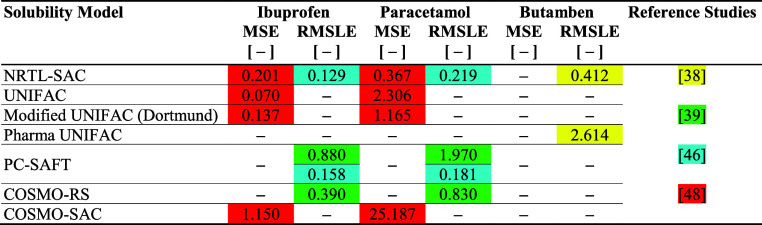 Figure 7
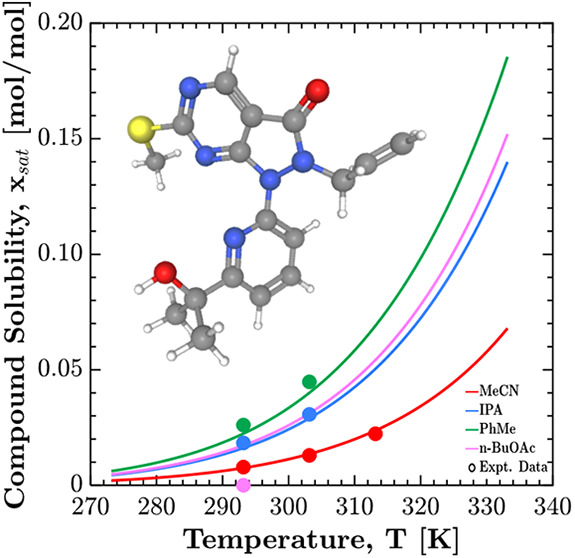 Figure 8
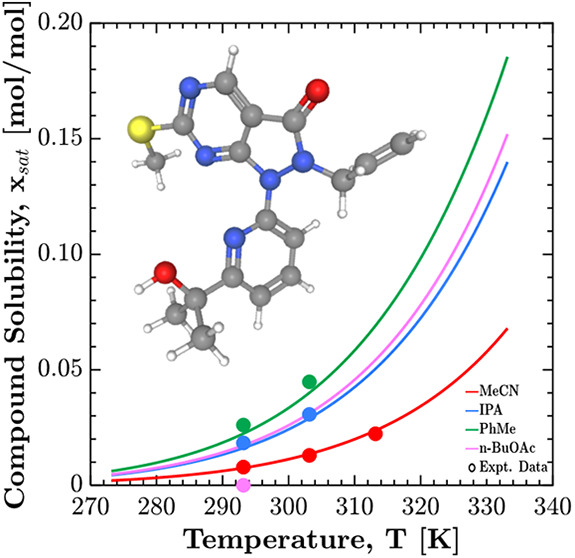 Figure 9
 Figure 10
 Figure 11
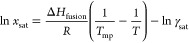 Figure 12
 Figure 13
 Figure 14
 Figure 15
 Figure 16
 Figure 17
 Figure 18
 Figure 19
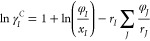 Figure 20
 Figure 21
 Figure 22
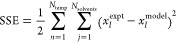 Figure 23
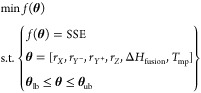 Figure 24
 Figure 25
Peer Reviews
No public reviews on file for this paper yet. If you reviewed it on a platform where reviews are public (OpenReview, ICLR, NeurIPS, ICML), you can paste yours below so the community can read it here.
Videos
No videos yet. Explain this paper in a talk, walkthrough, or lecture? Add one.
Taxonomy
TopicsCrystallization and Solubility Studies · Analytical Chemistry and Chromatography · Chemical Thermodynamics and Molecular Structure