The duplexity of insulin: The integrated bioinformatics analysis and machine learning identified key genes for type 2 diabetes
Nan Gao, Xiteng Chen, Jun Yang, Yuanfeng Jiang, Shaochong Bu, Xiaomei Bai, Zhenyu Kou, Chunjun Li, Fang Tian

TL;DR
This study uses bioinformatics and machine learning to show that insulin therapy for type 2 diabetes has both benefits and risks at the genetic level.
Contribution
The study reveals the dual genetic effects of insulin therapy using integrated machine learning and bioinformatics analysis.
Findings
Insulin therapy reduces inflammation and oxidative stress by downregulating IL-6 and proteasome.
Insulin has a bidirectional effect, causing vascular complications but also reducing inflammation.
Eight key genes, including IL-6, were identified as important in insulin's effects on T2DM.
Abstract
Insulin therapy is still the most important treatment for T2DM, but the discussion about whether insulin brings more benefits or harms to T2DM patients has not stopped. Therefore, we used high-throughput RNA sequencing to investigate the role of insulin in T2DM and its molecular changes. We collected peripheral blood samples from 16 patients with T2DM, and performed RNA-seq on peripheral blood mononuclear cells. Bioinformatics analysis and machine learning were uesd to identify the key differential genes and transcription factor networks. In addition, we performed the flow cytometry and staining to observe ROS level and endothelial-monocyte adhesion in PBMCs of both groups. A total of 529 differential genes were identified by bioinformatics analysis. 8 genes were identified as key genes, among which IL-6 had high importance in the random forest model. In transcription factor analysis,…
Genes, proteins, chemicals, diseases, species, mutations and cell lines named across the full text — each resolved to its canonical identifier and authoritative record.
Click any figure to enlarge with its caption.
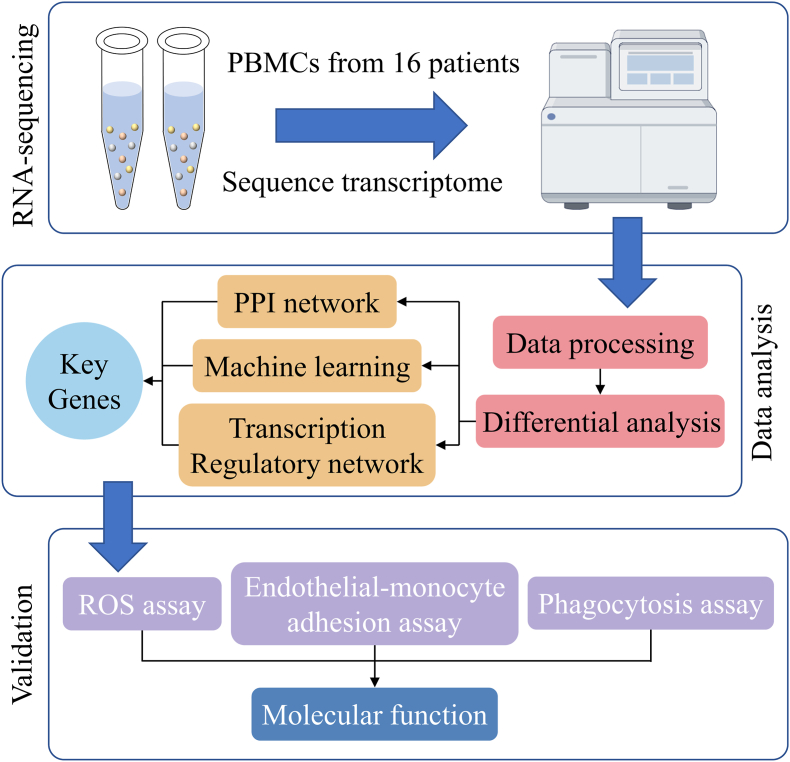 Figure 1
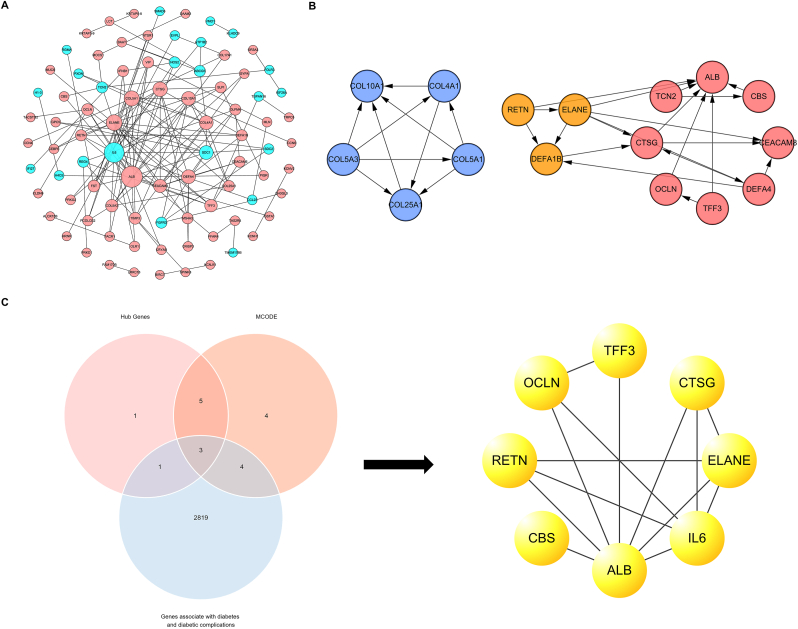 Figure 2
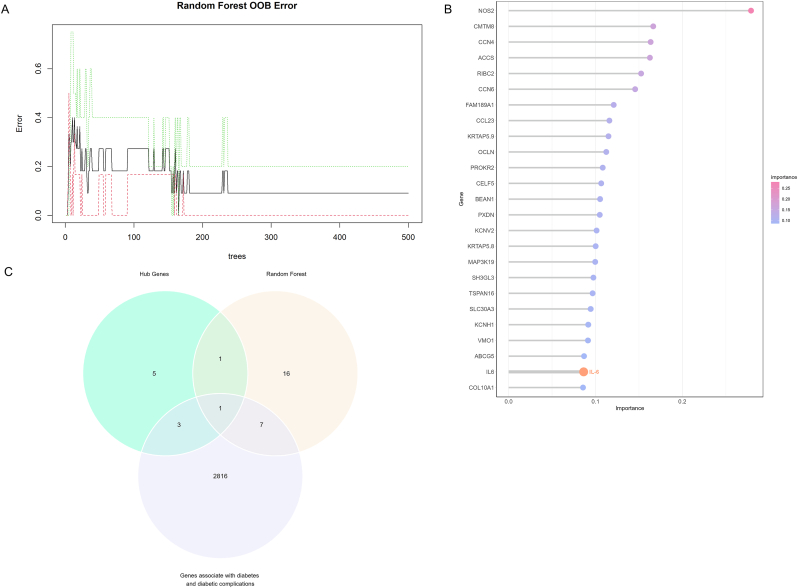 Figure 3
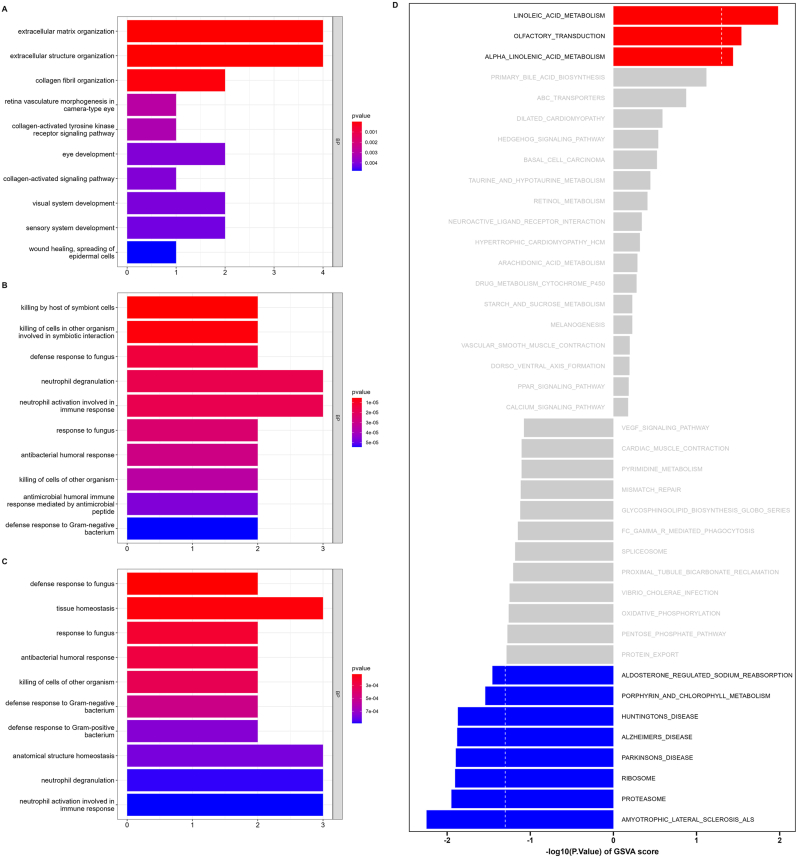 Figure 4
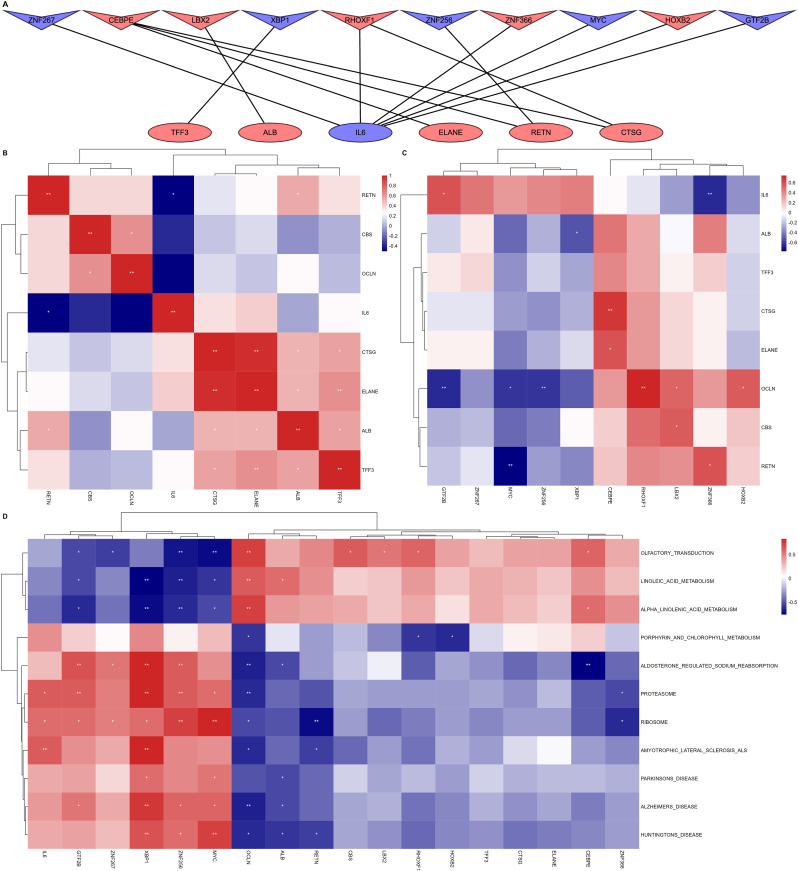 Figure 5
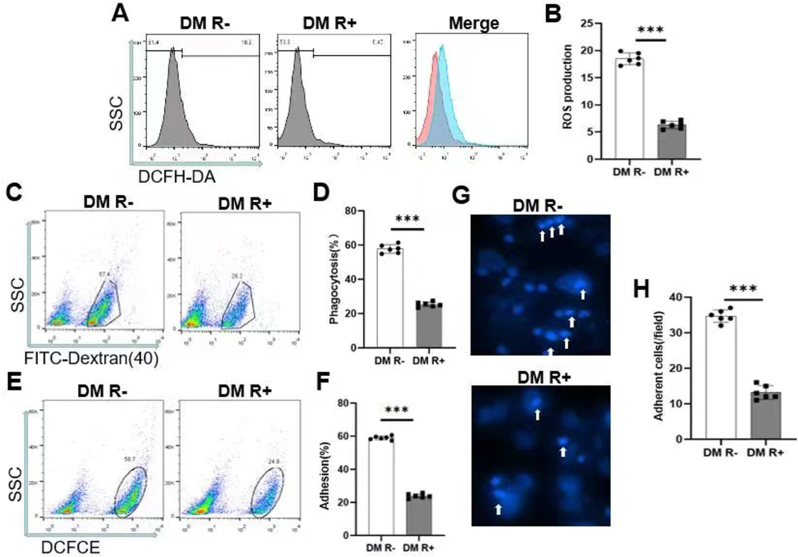 Figure 6
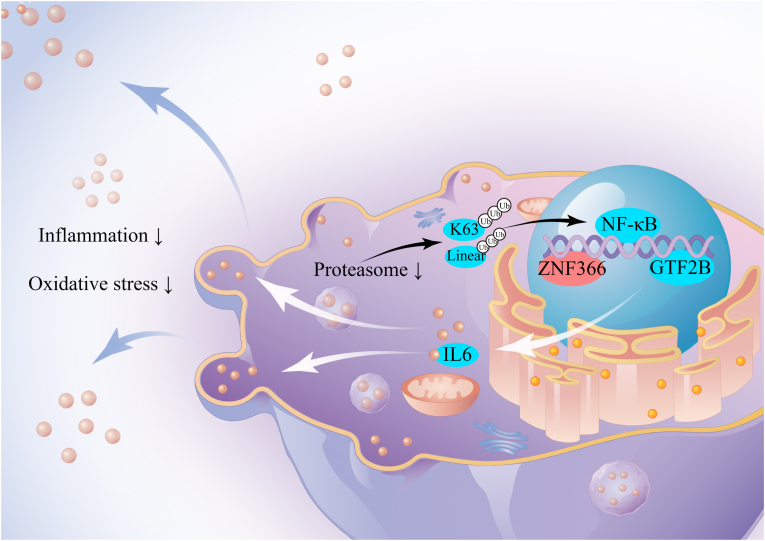 Figure 7
Peer Reviews
No public reviews on file for this paper yet. If you reviewed it on a platform where reviews are public (OpenReview, ICLR, NeurIPS, ICML), you can paste yours below so the community can read it here.
Videos
No videos yet. Explain this paper in a talk, walkthrough, or lecture? Add one.
Taxonomy
TopicsPancreatic function and diabetes · Metabolism, Diabetes, and Cancer · Diabetes and associated disorders