Smartphone-based non-invasive biofeedback therapy for post-stroke sleep disorders: short report
Jisoo Park, Minyong Jung, Jiyeon Ha, Jonghwa Jeonglok Park, Sun Im

TL;DR
A smartphone-based non-invasive therapy improved sleep in stroke patients who did not respond to medication.
Contribution
A smartphone-based biofeedback therapy for post-stroke insomnia is introduced and tested.
Findings
All patients showed significant improvement in subjective sleep quality using the RCSQ.
ISI scores indicated remission from insomnia in all patients, exceeding the MCID.
PSQI-K scores improved, with two patients reaching thresholds for insomnia resolution.
Abstract
Post-stroke sleep disorders (PSSDs), particularly insomnia, are common yet insufficiently recognized complications that can negatively affect recovery in stroke patients. Existing treatment options are often hindered by side effects, complex protocols, or cumbersome equipment. This short report introduces a smartphone-based biofeedback intervention designed to address insomnia by targeting autonomic nervous system (ANS) dysfunction. The intervention was tested on three subacute stroke in-patients unresponsive to pharmacological therapies. All patients demonstrated significant improvements in subjective sleep quality, assessed primarily with the Korean version of the Richards-Campbell Sleep Questionnaire (RCSQ) and secondarily with the Insomnia Severity Index (ISI-K) and Pittsburgh Sleep Quality Index (PSQI-K). RCSQ results indicated improvements in subjective sleep quality across all…
Genes, proteins, chemicals, diseases, species, mutations and cell lines named across the full text — each resolved to its canonical identifier and authoritative record.
Click any figure to enlarge with its caption.
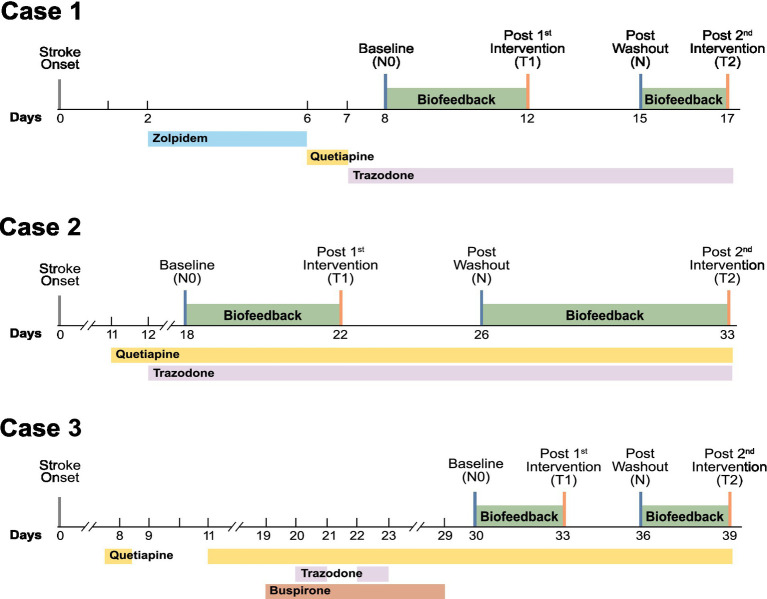 Figure 1
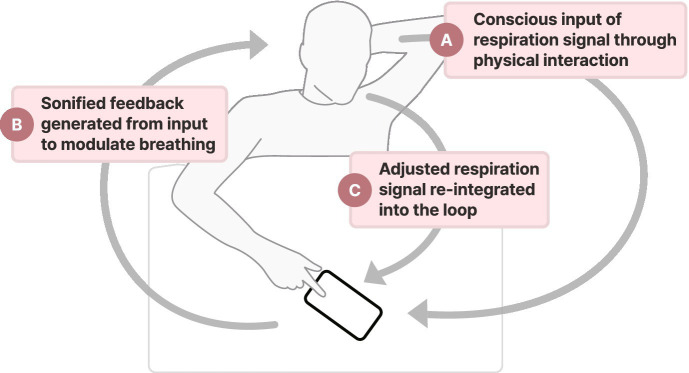 Figure 2
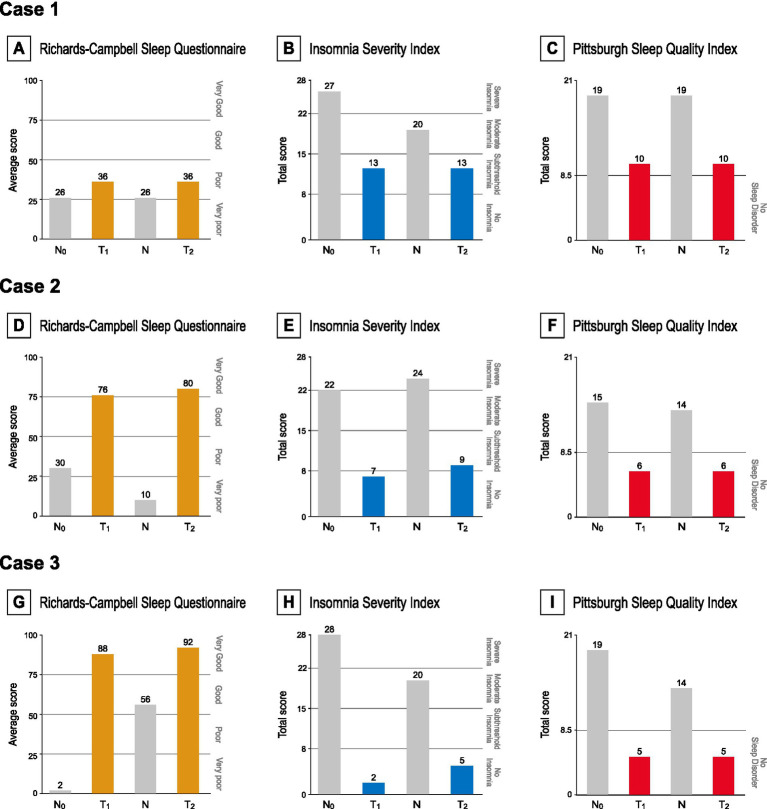 Figure 3
Peer Reviews
No public reviews on file for this paper yet. If you reviewed it on a platform where reviews are public (OpenReview, ICLR, NeurIPS, ICML), you can paste yours below so the community can read it here.
Videos
No videos yet. Explain this paper in a talk, walkthrough, or lecture? Add one.
Taxonomy
TopicsSleep and related disorders · Sleep and Wakefulness Research · Obstructive Sleep Apnea Research