Increased sensorimotor noise in Tourette syndrome
Aikaterini Gialopsou, Mairi S Houlgreave, Isabel Farr, Stephen R Jackson

TL;DR
This study shows that people with Tourette syndrome have more variable brain responses to touch, suggesting less stable neural activity at rest.
Contribution
The study provides new evidence of increased sensorimotor noise in Tourette syndrome using EEG measurements.
Findings
Trial-by-trial variability in somatosensory evoked potentials was higher in Tourette syndrome patients.
The P100 component was increased in Tourette syndrome, indicating somatosensory hypersensitivity.
Neural variability normalized in response to stimulation in the Tourette syndrome group.
Abstract
Tourette syndrome is a neurological disorder characterized by the occurrence of vocal and motor tics. The pathophysiology of Tourette syndrome has been linked to a substantial reduction in the number of inhibitory GABAergic interneurons found within the striatum, which may lead to increased neural ‘noise’ within the cortical-striatal-thalamic-cortical circuit implicated in movement production. In the current study, we used EEG to investigate increased neural noise in a group of 19 adults with Tourette syndrome compared to a matched neurotypical control group. We operationalized neural noise in this study as increased trial-by-trial variability in the magnitude and/or the timing of responses to a discrete somatosensory stimulation event. Specifically, we examined trial-by-trial variability in responses to a single pulse of median nerve electrical stimulation. Our results demonstrate that…
Genes, proteins, chemicals, diseases, species, mutations and cell lines named across the full text — each resolved to its canonical identifier and authoritative record.
Click any figure to enlarge with its caption.
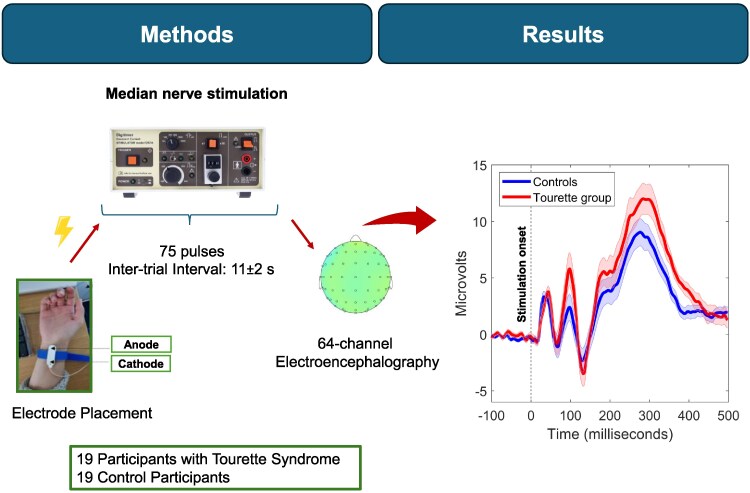 Figure 1
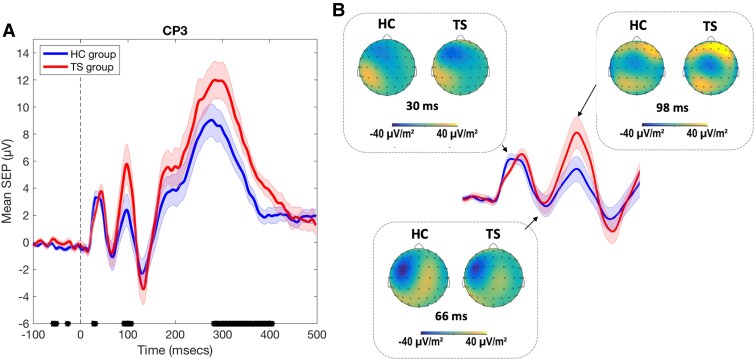 Figure 2
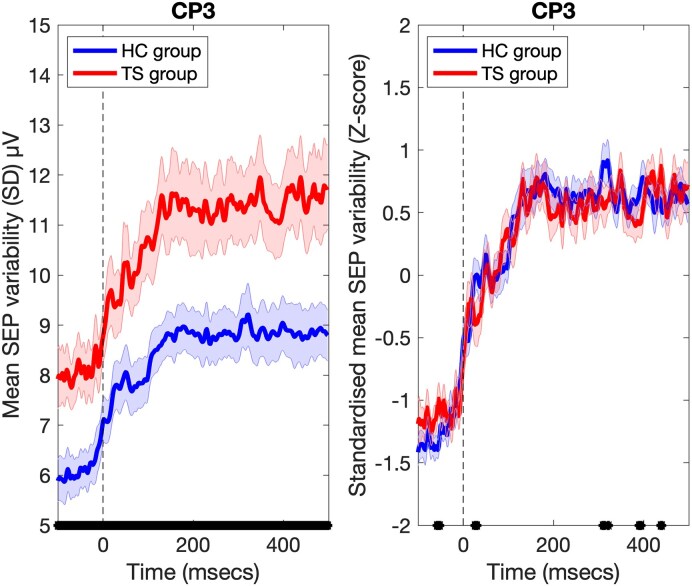 Figure 3
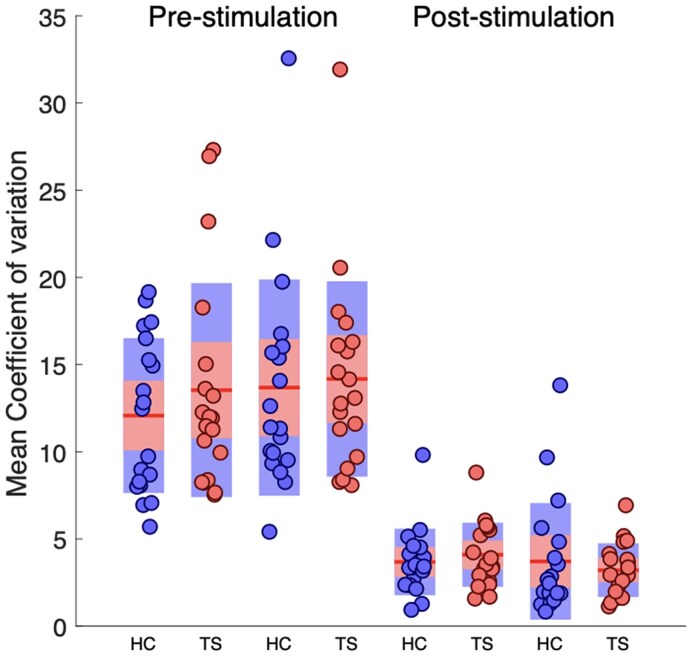 Figure 4
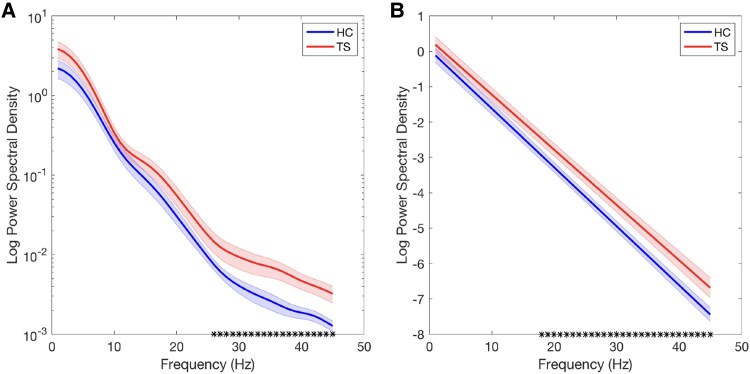 Figure 5
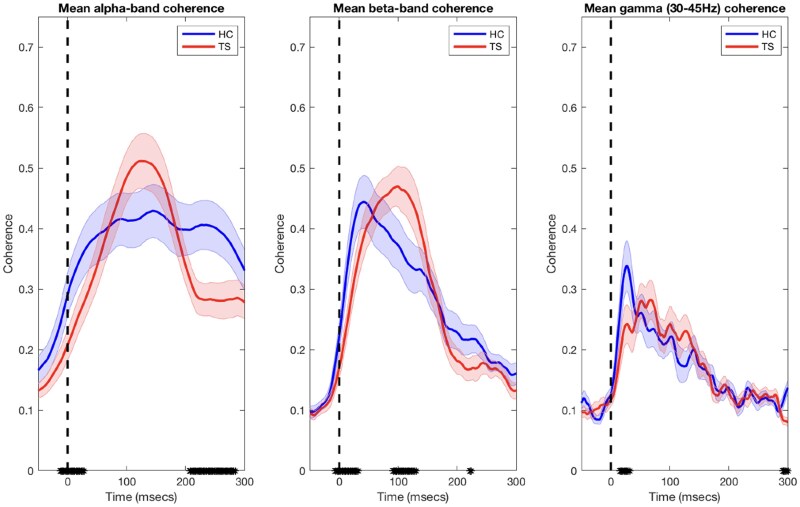 Figure 6
Peer Reviews
No public reviews on file for this paper yet. If you reviewed it on a platform where reviews are public (OpenReview, ICLR, NeurIPS, ICML), you can paste yours below so the community can read it here.
Videos
No videos yet. Explain this paper in a talk, walkthrough, or lecture? Add one.
Taxonomy
TopicsObsessive-Compulsive Spectrum Disorders