Population Phylogenomics and Genetic Structure of the Polyphagous Leafminer, Liriomyza trifolii (Burgess) (Diptera: Agromyzidae)
Jing‐Li Xuan, Sonja J. Scheffer, John Soghigian, Brian Cassel, Matthew L. Lewis, Shu‐Peng Li, Jian‐Yang Guo, Ravindra C. Joshi, Wan‐Xue Liu, Brian M. Wiegmann

TL;DR
This study reveals that the leafminer Liriomyza trifolii is actually two distinct species, with implications for pest management and understanding its global spread.
Contribution
The study identifies a previously unrecognized species within Liriomyza trifolii using genome-wide phylogenetic analyses.
Findings
L. trifolii individuals from pepper and tomatillo populations form a distinct monophyletic group.
There is no gene flow between the PT and non-PT groups, suggesting reproductive isolation.
A monophyletic group of Chinese L. trifolii specimens aligns with the invasion history in Asia.
Abstract
The agromyzid leafminer Liriomyza trifolii (Burgess) is an important polyphagous pest of vegetable crops and ornamental plants. It is native to the Americas but has spread throughout the world over the past 50 years. Previous molecular research has indicated that this species contains highly distinct mitochondrial lineages suggestive of cryptic species. To better interpret the mitochondrial divergence, we used anchored hybrid enrichment datasets in order to conduct genome‐wide phylogenetic analyses. We found that individuals of L. trifolii from pepper and tomatillo populations form a monophyletic group (“PT group”) distinct from the remaining L. trifolii (“non‐PT group”). These results corroborate previous mitochondrial and nuclear datasets and indicate an absence of gene flow between the PT and non‐PT groups. This is consistent with previous work on reproductive isolation and…
Genes, proteins, chemicals, diseases, species, mutations and cell lines named across the full text — each resolved to its canonical identifier and authoritative record.
Click any figure to enlarge with its caption.
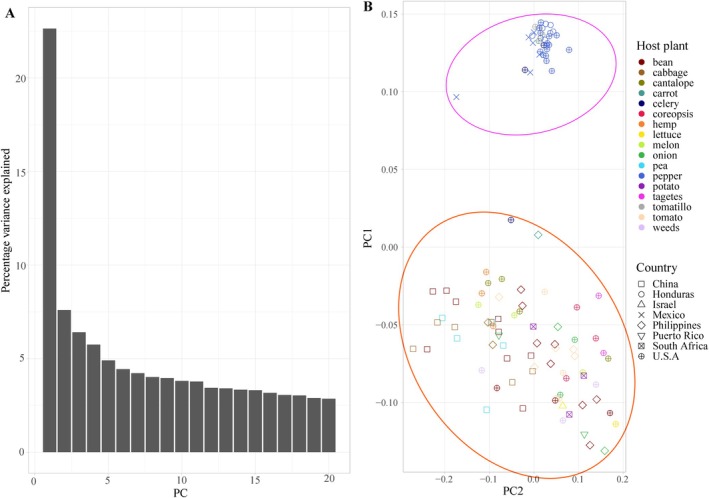 Figure 1
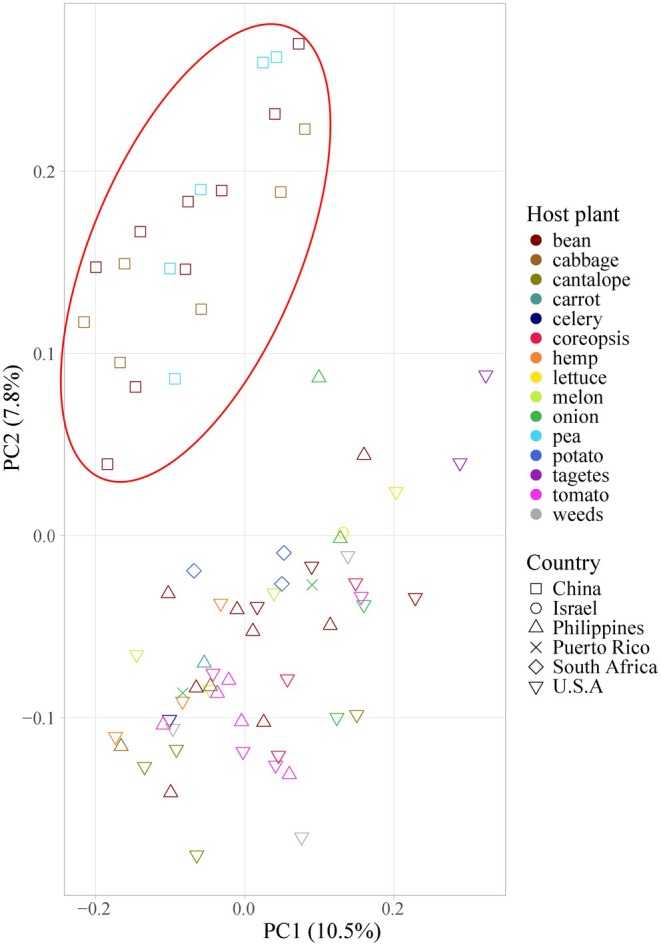 Figure 2
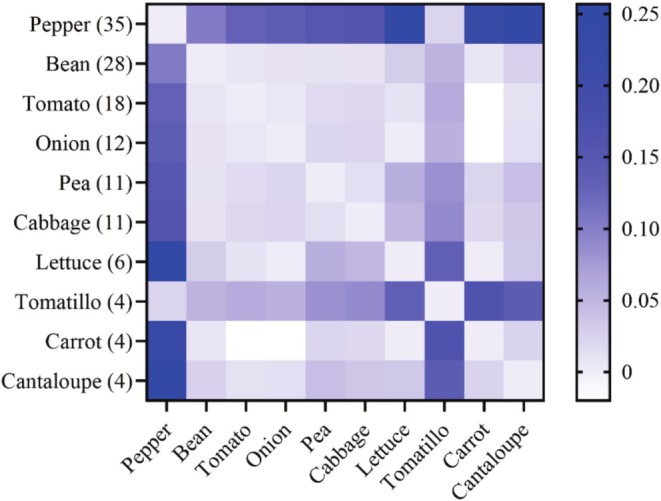 Figure 3
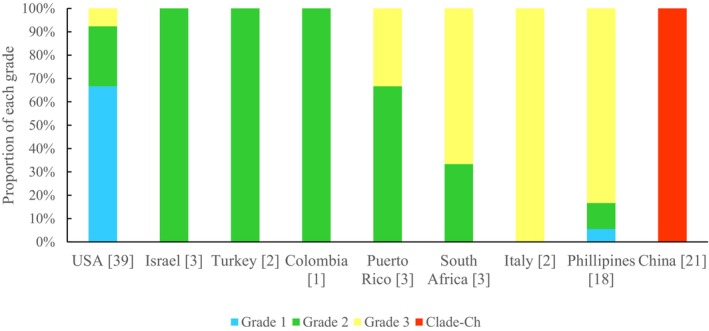 Figure 4
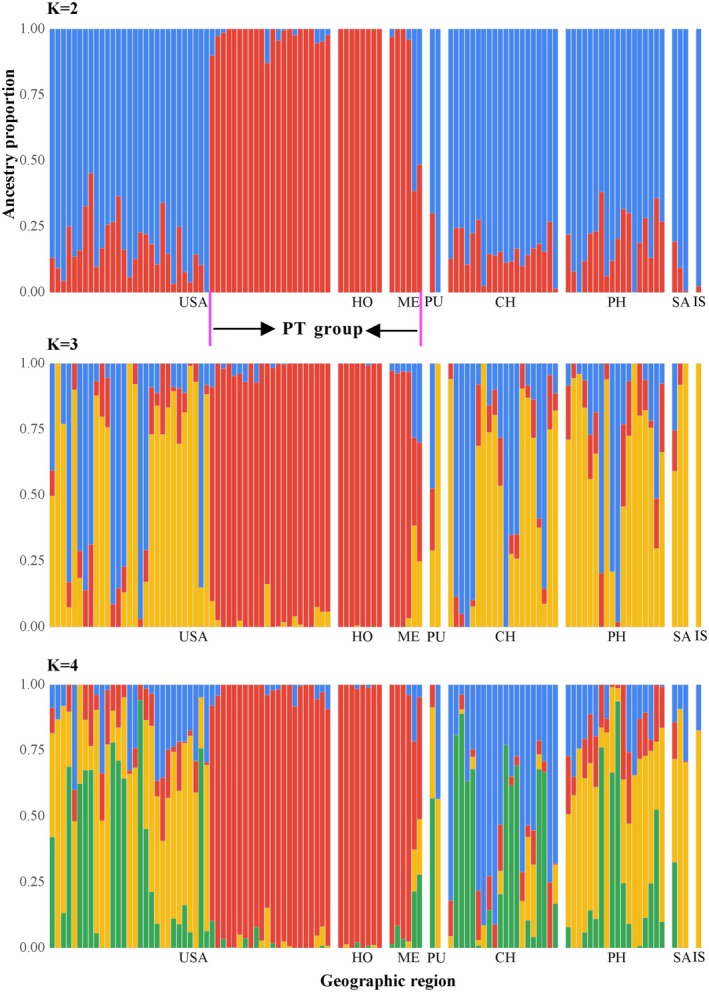 Figure 5
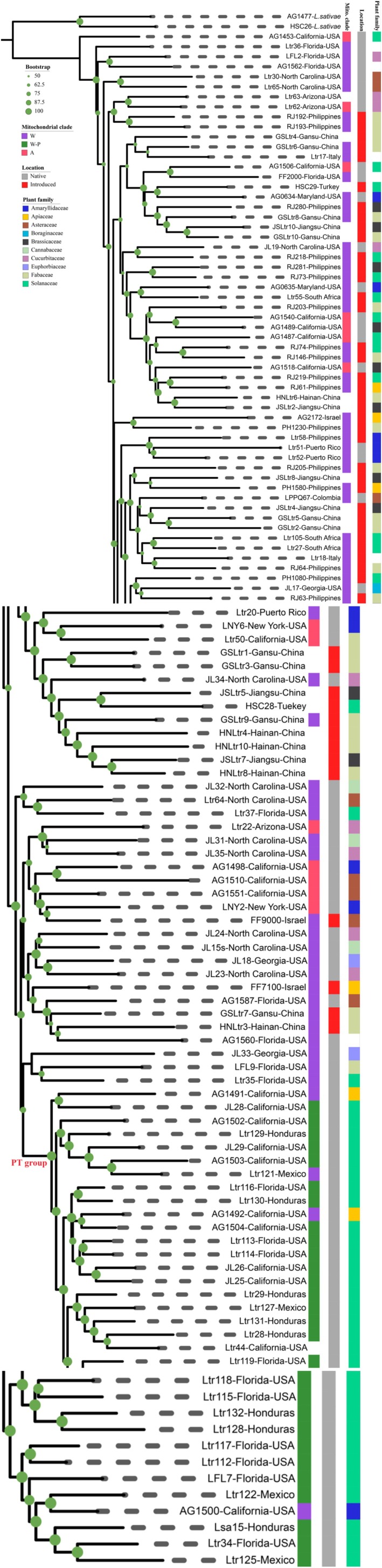 Figure 6
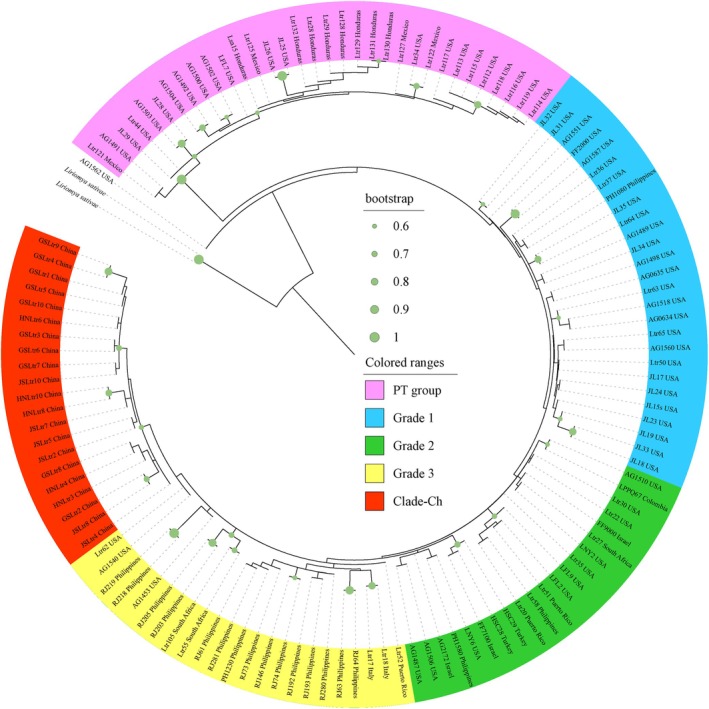 Figure 7
Peer Reviews
No public reviews on file for this paper yet. If you reviewed it on a platform where reviews are public (OpenReview, ICLR, NeurIPS, ICML), you can paste yours below so the community can read it here.
Videos
No videos yet. Explain this paper in a talk, walkthrough, or lecture? Add one.
Taxonomy
TopicsInsect-Plant Interactions and Control · Insect Resistance and Genetics · Insect and Pesticide Research