Failure to resolve inflammation contributes to juvenile onset cardiac damage in a mouse model of Duchenne muscular dystrophy
James S. Novak, Amy Lischin, Prech Uapinyoying, Ravi Hindupur, Young Jae Moon, Surajit Bhattacharya, Sarah Tiufekchiev-Grieco, Victoria Barone, Davi A. G. Mázala, Iteoluwakishi H. Gamu, Gabriela Walters, Jyoti K. Jaiswal

TL;DR
A new mouse model shows early heart damage in Duchenne muscular dystrophy, linked to unresolved inflammation, and suggests a new treatment approach to prevent cardiac degeneration.
Contribution
The D2-mdx mouse model reveals juvenile-onset cardiac damage in DMD and introduces pro-resolution therapy as a novel treatment strategy.
Findings
The D2-mdx mouse model exhibits juvenile-onset cardiac degeneration due to unresolved inflammation.
Pro-resolution therapy using an FPR agonist mitigates fibrotic degeneration in the heart.
Chronic inflammation and ECM fibrosis are key drivers of cardiac damage in the D2-mdx model.
Abstract
Absence of dystrophin protein causes cardiac dysfunction in patients with Duchenne muscular dystrophy (DMD). Unlike boys with DMD, the common mouse model of DMD (B10-mdx) does not manifest cardiac deficits until late adulthood. This has limited our understanding of the mechanism and therapeutic approaches to target the pediatric onset of cardiac pathology in DMD. Here we show that the mdx mouse model on the DBA/2 J genetic background (D2-mdx) displays juvenile-onset cardiac degeneration. Molecular and histological analysis revealed that cardiac damage in this model is linked to increased leukocyte chemotactic signaling and an inability to resolve inflammation. These deficiencies result in chronic inflammation and fibrotic conversion of the extracellular matrix (ECM) in the juvenile D2-mdx heart. To address these pathologies, we tested the utility of pro-resolution therapy to clear…
Genes, proteins, chemicals, diseases, species, mutations and cell lines named across the full text — each resolved to its canonical identifier and authoritative record.
Click any figure to enlarge with its caption.
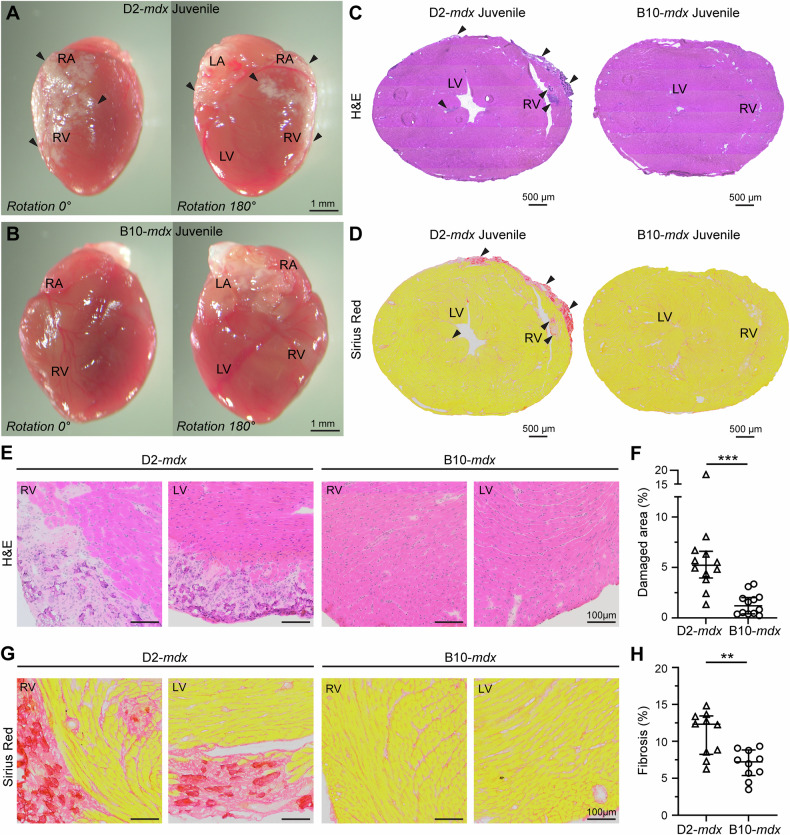 Figure 1
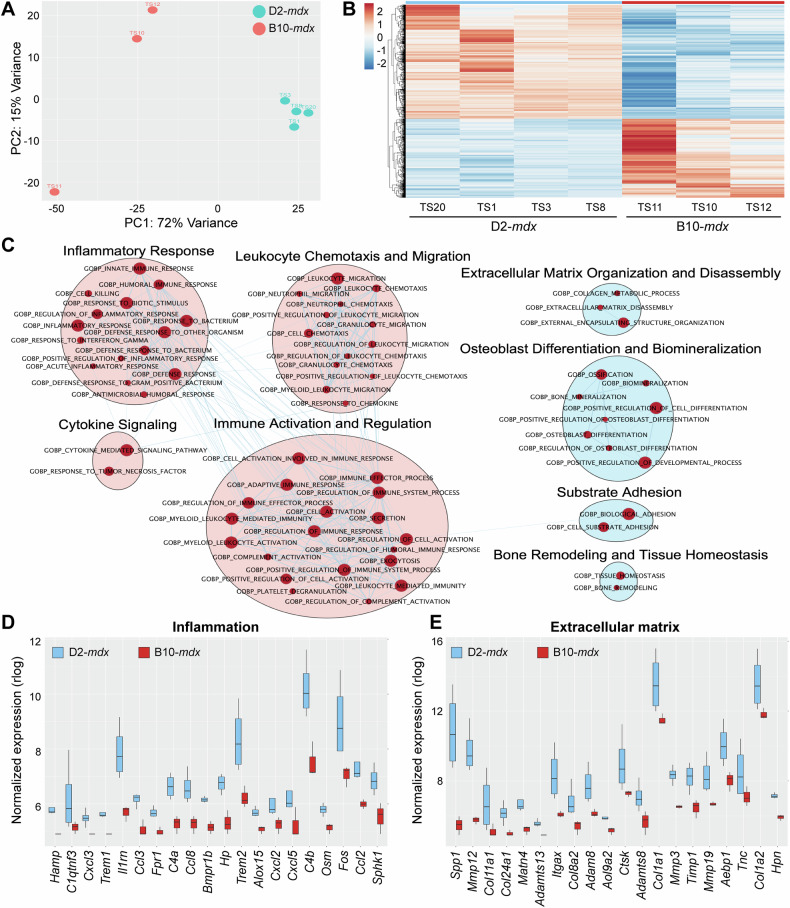 Figure 2
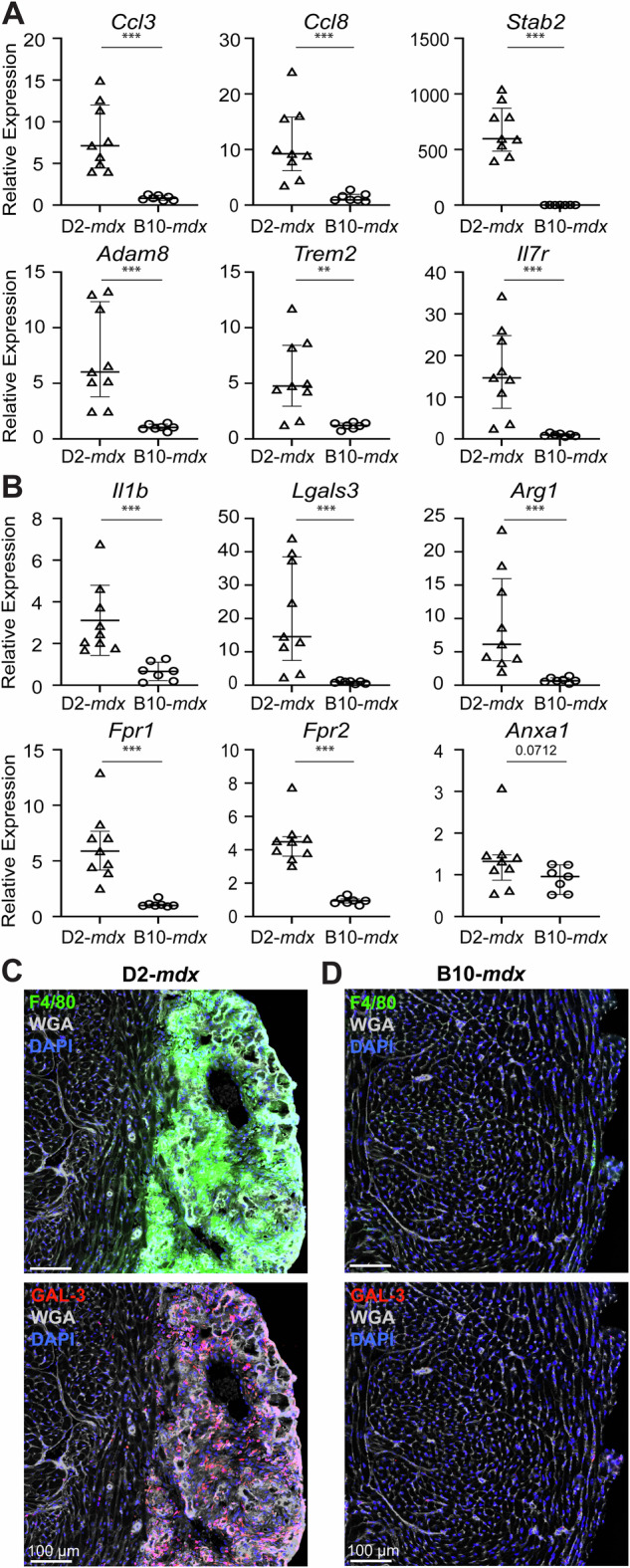 Figure 3
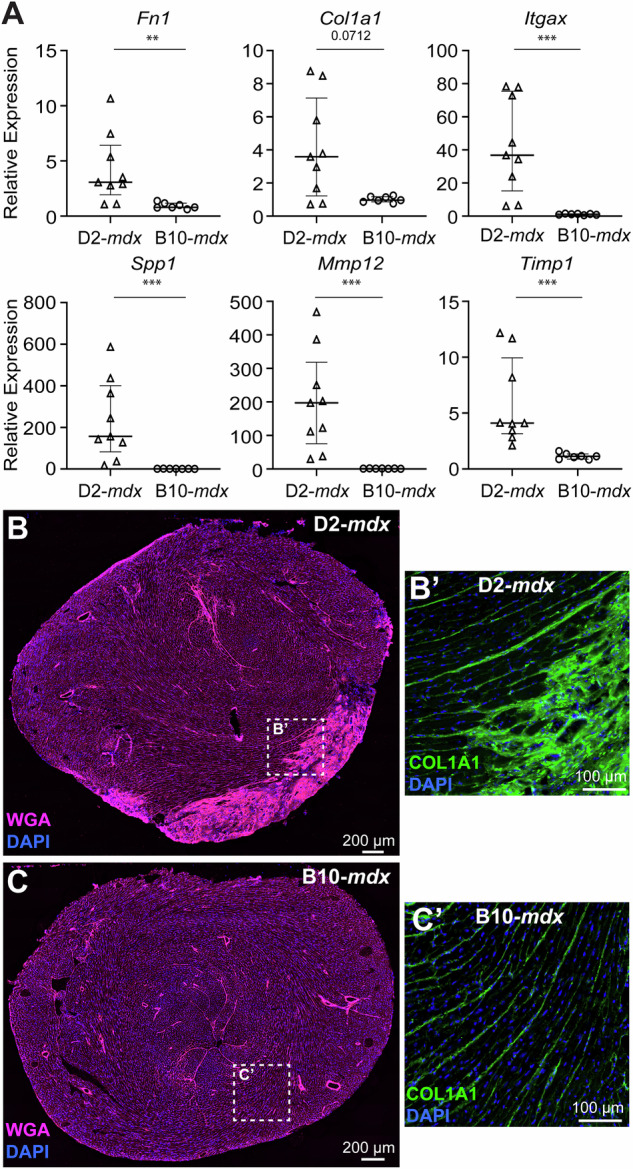 Figure 4
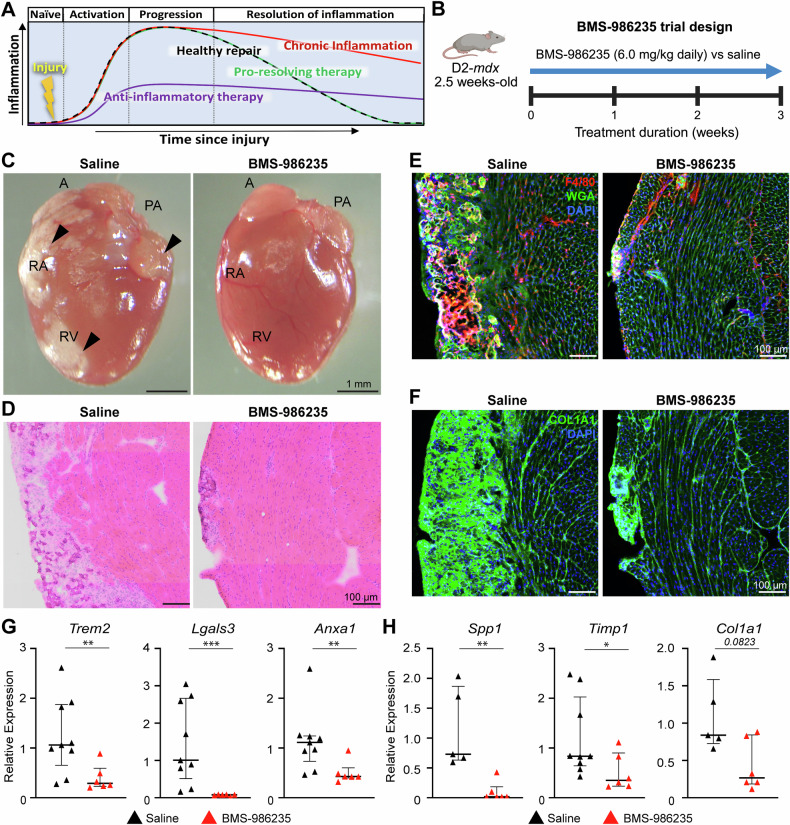 Figure 5
Peer Reviews
No public reviews on file for this paper yet. If you reviewed it on a platform where reviews are public (OpenReview, ICLR, NeurIPS, ICML), you can paste yours below so the community can read it here.
Videos
No videos yet. Explain this paper in a talk, walkthrough, or lecture? Add one.
Taxonomy
TopicsMuscle Physiology and Disorders · Adipose Tissue and Metabolism · Cardiac Fibrosis and Remodeling