Liebenberg syndrome severity arises from variations in Pitx1 locus topology and proportion of ectopically transcribing cells
Olimpia Bompadre, Raquel Rouco, Fabrice Darbellay, Antonella Rauseo, Fanny Guerard-Millet, Claudia Gentile, Marie Kmita, Guillaume Andrey

TL;DR
This study shows how changes in the Pitx1 gene's genomic structure lead to more severe symptoms in Liebenberg syndrome by increasing abnormal gene activity in the wrong tissues.
Contribution
The study reveals that severity in Liebenberg syndrome is linked to the proportion of cells with ectopic Pitx1 expression and genomic positioning.
Findings
Reducing Pitx1-Pen genomic distance increases forelimb-expressing cells and worsens skeletal defects.
Ectopic Pitx1 expression correlates with active chromatin topology but not with enhancer-promoter contact changes.
Pitx1 transcription levels remain consistent across alleles in ectopically expressing cells.
Abstract
Enhancer hijacking, a common cause of gene misregulation linked to disease, occurs when non-matching enhancers and promoters interact ectopically due to genetic alterations. While the concept of enhancer hijacking is well understood, the reasons behind the variation in phenotypic severity remain unexplored. In this work, we expand on the ectopic activation of the hindlimb-specific transcription factor Pitx1 by one of its own enhancers, Pen, in forelimb tissues that causes the Liebenberg syndrome. Using a series of inversions and relocations we show that reduction in Pitx1-Pen relative genomic positioning leads to increased proportions of Pitx1 forelimb-expressing cells and more severe phenotypical outcomes. We demonstrate in ectopically expressing cells that the Pitx1 locus assumes an active topology and that its promoter generates consistent transcription levels across different…
Genes, proteins, chemicals, diseases, species, mutations and cell lines named across the full text — each resolved to its canonical identifier and authoritative record.
Click any figure to enlarge with its caption.
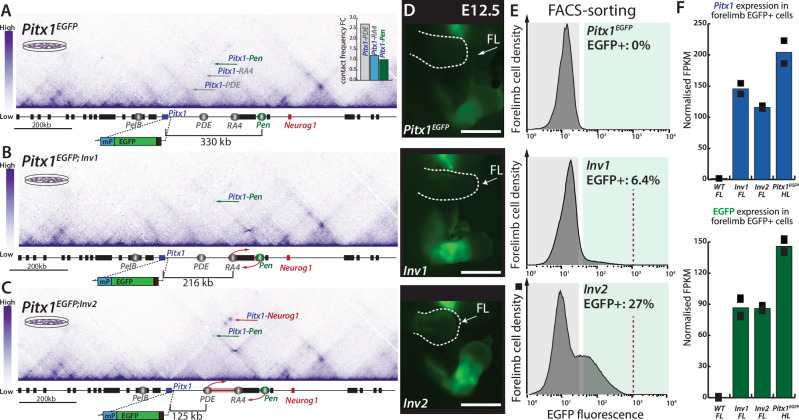 Figure 1
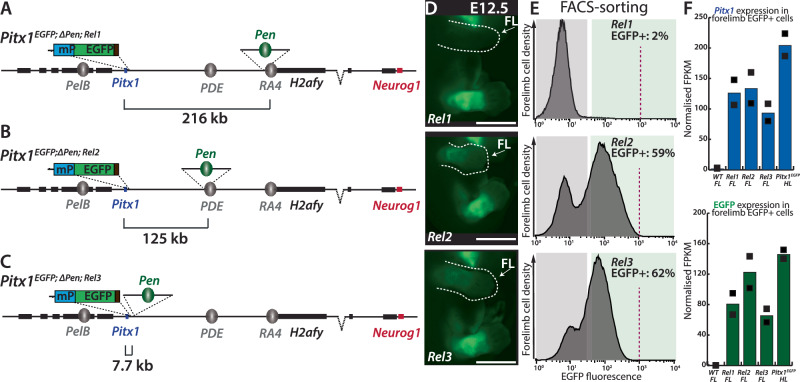 Figure 2
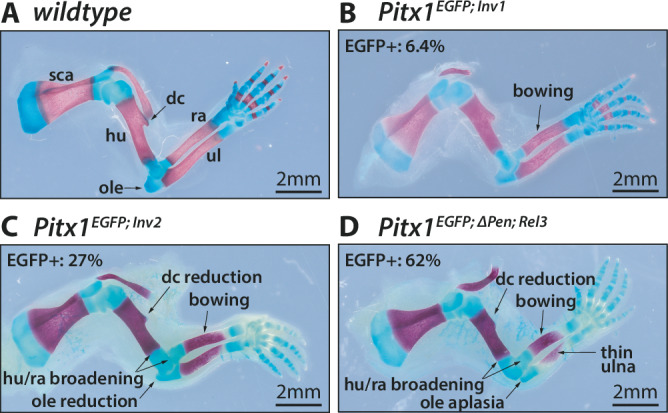 Figure 3
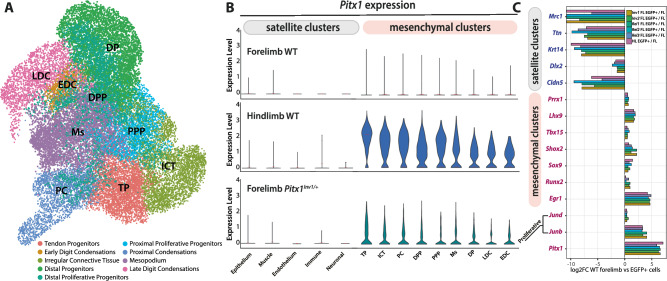 Figure 4
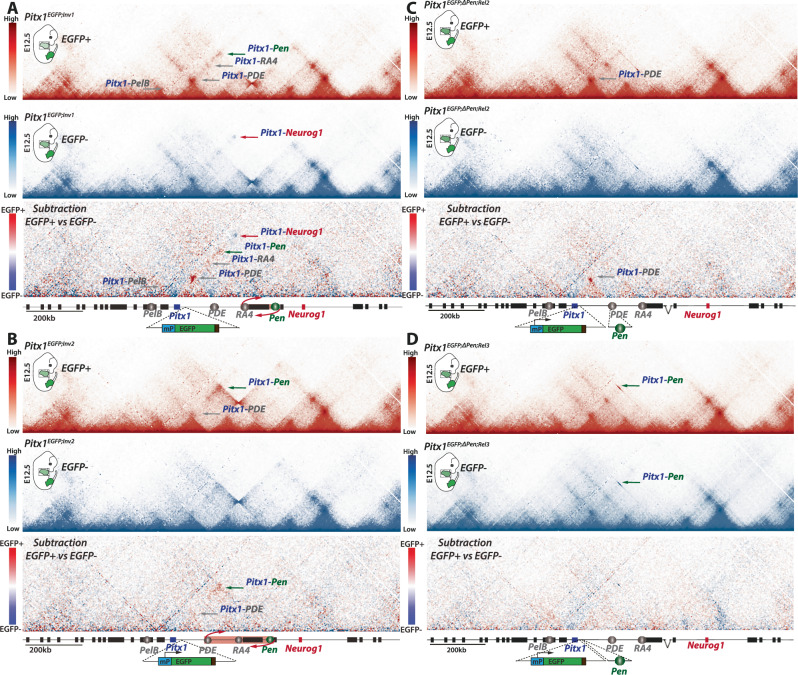 Figure 5
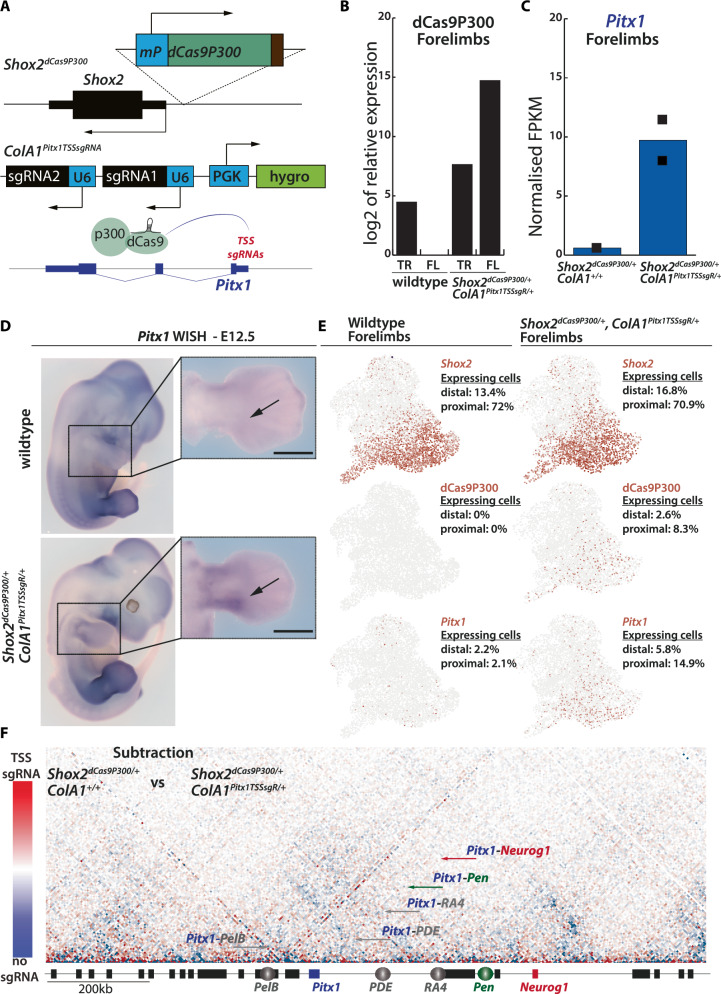 Figure 6
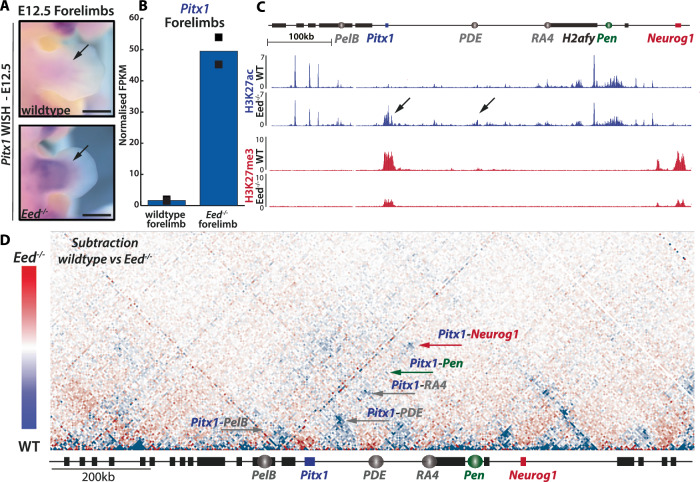 Figure 7
Peer Reviews
No public reviews on file for this paper yet. If you reviewed it on a platform where reviews are public (OpenReview, ICLR, NeurIPS, ICML), you can paste yours below so the community can read it here.
Videos
No videos yet. Explain this paper in a talk, walkthrough, or lecture? Add one.
Taxonomy
TopicsRNA regulation and disease · RNA modifications and cancer · T-cell and Retrovirus Studies