Two-Point Versus Three-Point Fixation in Zygomaticomaxillary Complex (ZMC) Fractures: A Narrative Review
Rishabh Kasrija, Himanshi Gupta, Tarun Mittal, Mansi Dang, Riya Behl, Munish Kumar, Seema Gupta

TL;DR
This review compares two and three-point fixation techniques for treating zygomaticomaxillary complex fractures, focusing on their effectiveness, stability, and complications.
Contribution
The paper provides a comparative analysis of two-point and three-point fixation methods for ZMC fractures, emphasizing clinical outcomes and decision-making factors.
Findings
Three-point fixation offers superior mechanical stability and better malar projection in complex fractures.
Two-point fixation is less invasive and suitable for minimally displaced fractures with reduced surgical time.
Three-point fixation demonstrates better malar height restoration and stability under functional loads.
Abstract
Zygomaticomaxillary complex (ZMC) fractures are among the most prevalent facial injuries encountered during maxillofacial surgery because of the anatomical prominence and structural significance of the zygoma. These fractures often result from high-energy impacts, such as road traffic accidents, assaults, falls, and sports injuries, predominantly affecting males in their third to fourth decades of life. The management of ZMC fractures requires restoring facial aesthetics, orbital integrity, and masticatory function while minimizing surgical morbidity. Open reduction and internal fixation (ORIF) remains the primary approach, with two- and three-point fixation being the most commonly employed techniques. This narrative review evaluates and compares the clinical outcomes, stability, aesthetic results, and complications associated with two- and three-point fixation methods. Three-point…
Genes, proteins, chemicals, diseases, species, mutations and cell lines named across the full text — each resolved to its canonical identifier and authoritative record.
Click any figure to enlarge with its caption.
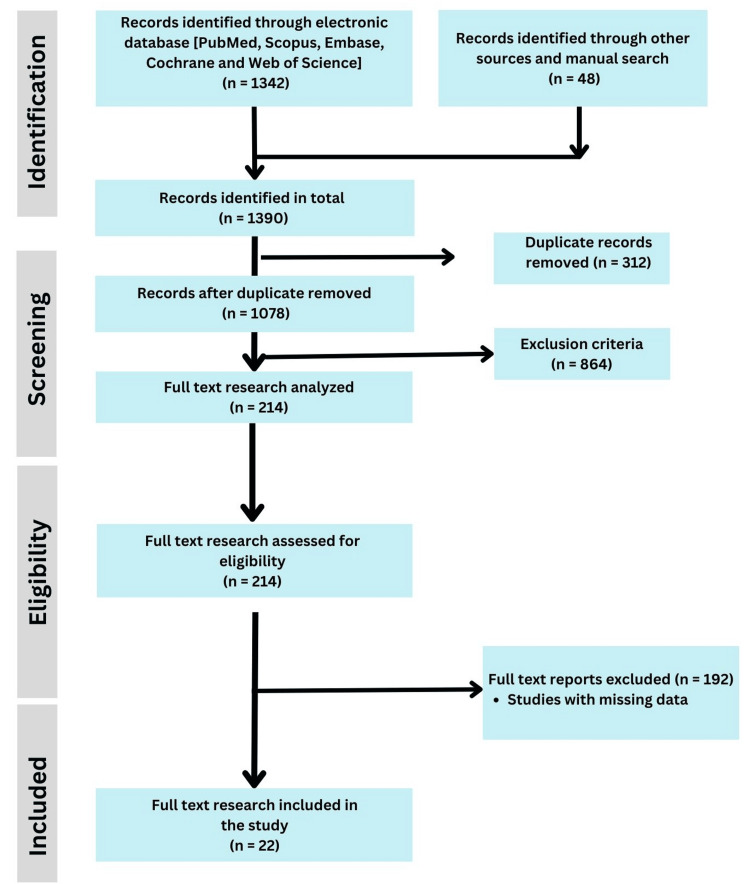 Figure 1
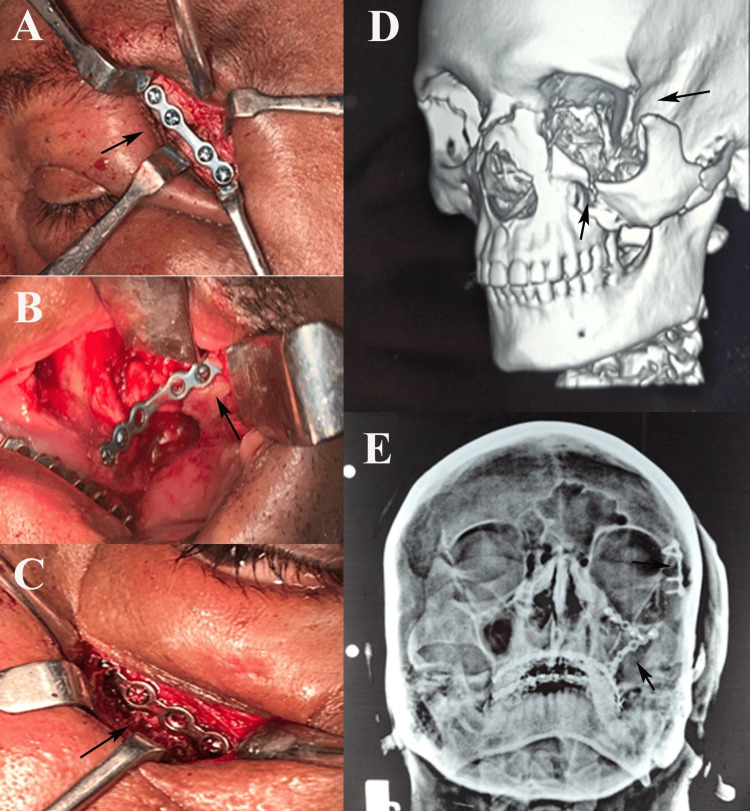 Figure 2
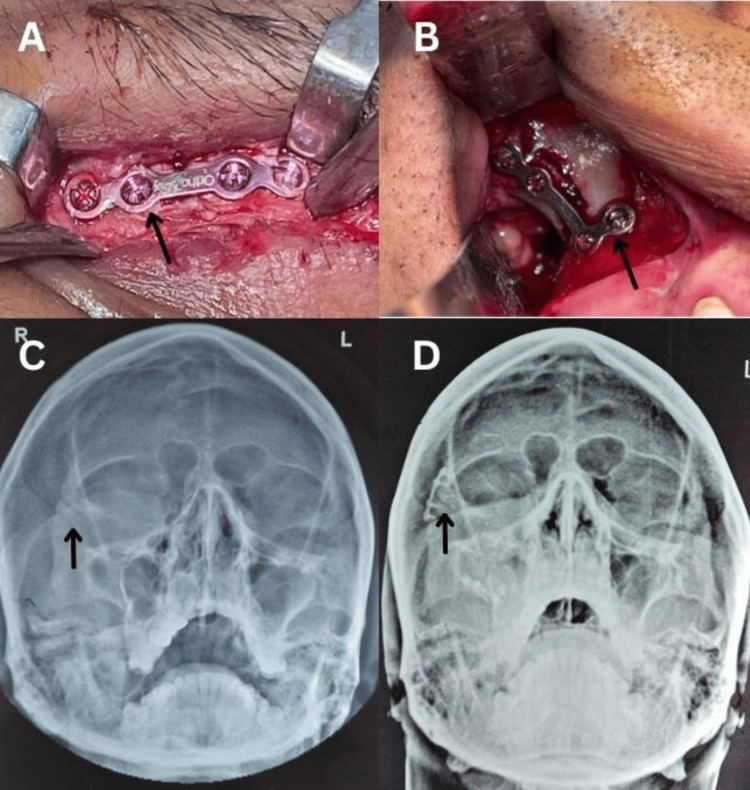 Figure 3
Peer Reviews
No public reviews on file for this paper yet. If you reviewed it on a platform where reviews are public (OpenReview, ICLR, NeurIPS, ICML), you can paste yours below so the community can read it here.
Videos
No videos yet. Explain this paper in a talk, walkthrough, or lecture? Add one.
Taxonomy
TopicsFacial Trauma and Fracture Management · Dental Radiography and Imaging · Facial Nerve Paralysis Treatment and Research