Involvement of TRPV1 and MOR-NMDAR complex on the antiallodynic effect of LMH-2, a sigma-1 receptor antagonist, in mouse model of diabetic neuropathy - a behavioral approach
Rosa Ventura-Martínez, Guadalupe Esther Ángeles-López, Tania Domínguez-Páez, Gabriel Navarrete-Vázquez, Wendy Arratia-Damián, Maria Eva González-Trujano, Myrna Déciga-Campos

TL;DR
This study shows that LMH-2, a sigma-1 receptor antagonist, reduces neuropathic pain in diabetic mice, likely through TRPV1 and partial interaction with the MOR-NMDAR complex.
Contribution
The study identifies TRPV1 as a key player in LMH-2's antiallodynic effect and explores its limited interaction with the MOR-NMDAR complex in diabetic neuropathy.
Findings
Capsazepine blocked LMH-2's antinociceptive effect, suggesting TRPV1 involvement.
NMDA reduced LMH-2's antiallodynic effect, but naloxone did not.
Molecular docking supports a potential interaction between LMH-2 and TRPV1.
Abstract
Recently, the antinociceptive effect of LMH-2, a σ1 receptor antagonist, has been reported in diabetic mice with neuropathic pain. However, the mechanism by which this effect is produced is not completely clear. In this study, we explored the involvement of TRPV1 and the MOR-NMDAR complex in the antiallodynic effect of LMH-2 in hyperglycemic mice with neuropathic pain. Hyperglycemia was induced in mice by administering streptozotocin-nicotinamide. Four weeks later, once neuropathic pain was established, the antiallodynic effect of LMH-2 (56.2 mg/kg) was evaluated using the up-down method with the von Frey filaments, both in the absence and the presence of capsazepine (8 mg/kg, ip), naloxone (NLX, 1 mg/kg, ip), NMDA (0.4 nM/10 µL, it), or their co-administration (NLX-NMDA). Gabapentin was used as positive control. Pretreatment with NLX did not alter the antiallodynic effect of LMH-2 in…
Genes, proteins, chemicals, diseases, species, mutations and cell lines named across the full text — each resolved to its canonical identifier and authoritative record.
Click any figure to enlarge with its caption.
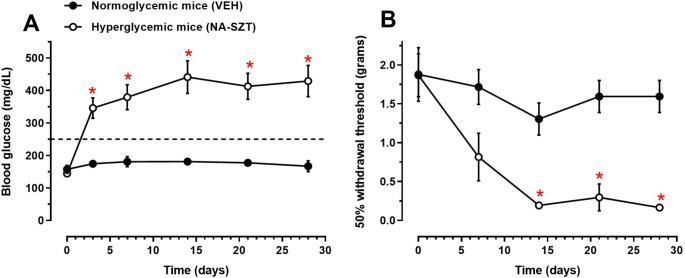 Figure 1
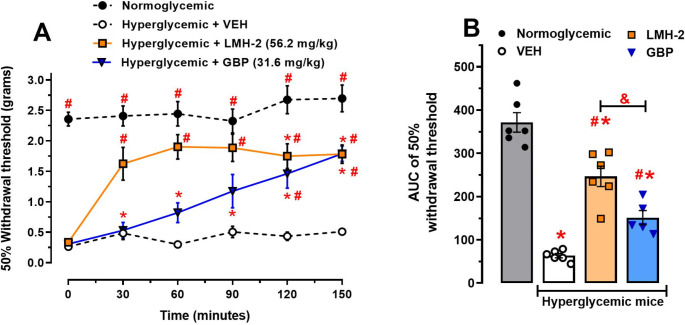 Figure 2
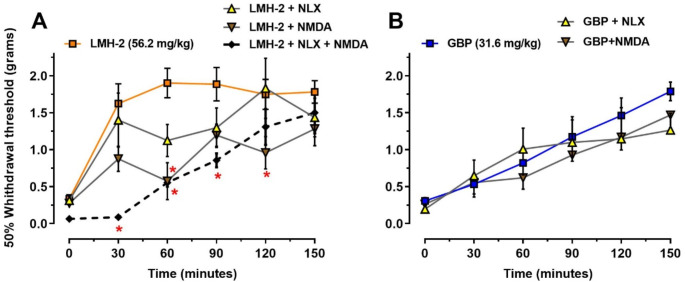 Figure 3
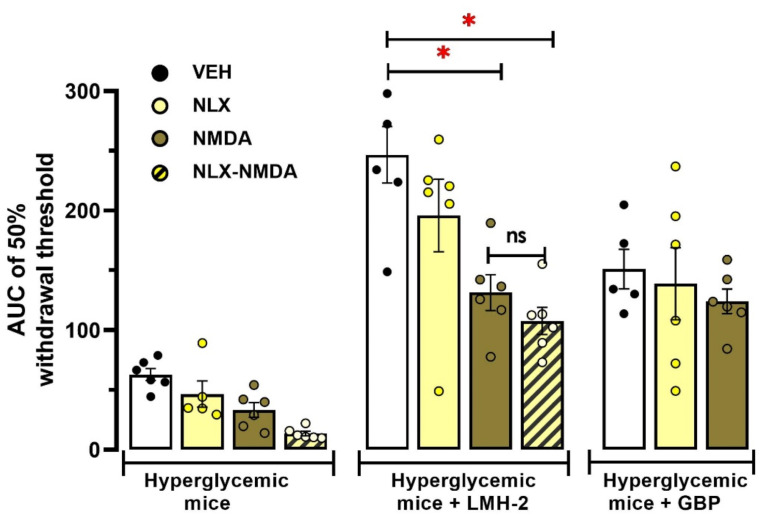 Figure 4
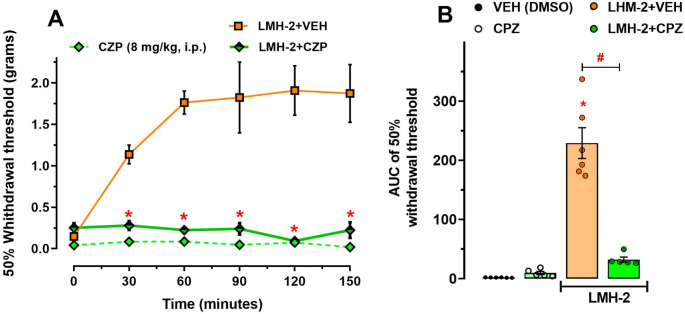 Figure 5
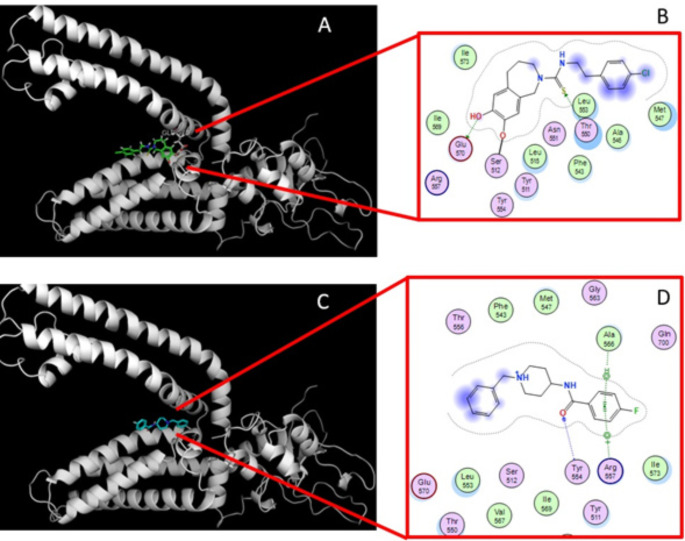 Figure 6
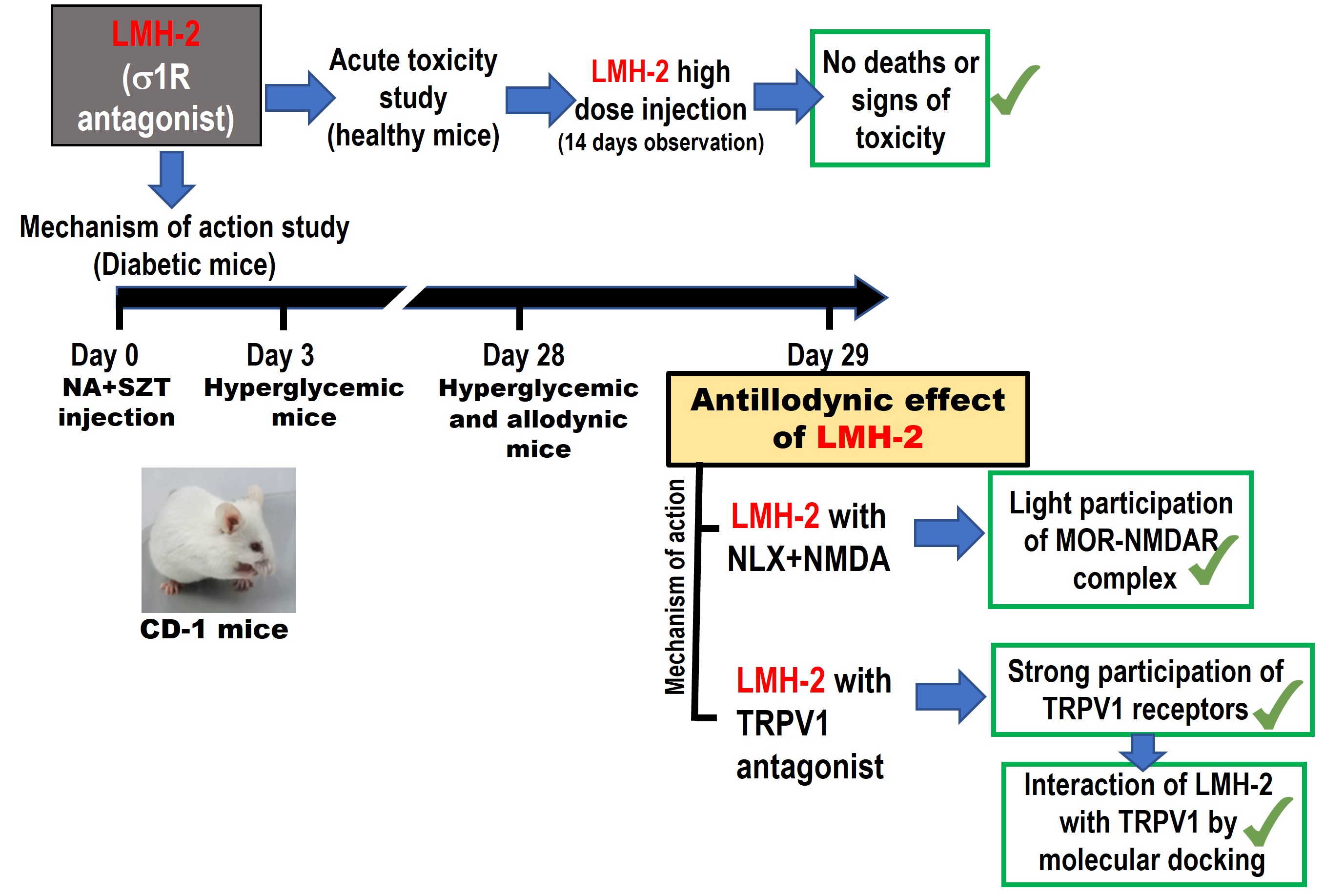 Figure 7
Peer Reviews
No public reviews on file for this paper yet. If you reviewed it on a platform where reviews are public (OpenReview, ICLR, NeurIPS, ICML), you can paste yours below so the community can read it here.
Videos
No videos yet. Explain this paper in a talk, walkthrough, or lecture? Add one.
Taxonomy
TopicsPharmacological Receptor Mechanisms and Effects · Neuropeptides and Animal Physiology · Pain Mechanisms and Treatments