Reconstruction of the perineal defect after abdominoperineal resection with vertical rectus abdominis myocutaneous (VRAM) flap versus primary direct closure - a single center retrospective cohort study
Georgi Kalev, Sylvia Buettner, Mohamad El-Ahmar, Christoph Reissfelder, Steffen Seyfried, Georgi Vassilev, Julia Hardt

TL;DR
This study compares two methods for closing perineal wounds after surgery and finds that one method may reduce complications in certain patients.
Contribution
The study provides new evidence on the effectiveness of VRAM flap versus direct closure for perineal wound reconstruction after abdominoperineal resection.
Findings
VRAM flap and direct closure had similar overall wound complication rates.
Pelvic abscesses requiring drainage were more common with direct closure.
VRAM flap reduced severe complications in patients who had prior radiochemotherapy.
Abstract
The closure of the perineal defect following pelvic surgery that includes abdomino-perineal resection (APR) can often be challenging and remains an important issue given the reported high wound morbidity. The vertical rectus abdominis myocutaneous (VRAM) flap, which was proposed in the past as an alternative to direct closure (DC), enables the reconstruction of extensive perineal wounds. 184 consecutive patients who underwent abdominoperineal resection at tertiary university institution between January 2014 and June 2024 were included in this retrospective analysis. The aim of the study was to evaluate the outcomes of perineal wound reconstruction using a VRAM flap (n = 29) compared to DC (n = 155). The rate of overall perineal and abdominal wall wound complications did not differ significantly (p = 0.321 and p = 1.000, respectively). However, significantly more pelvic abscesses…
Genes, proteins, chemicals, diseases, species, mutations and cell lines named across the full text — each resolved to its canonical identifier and authoritative record.
Click any figure to enlarge with its caption.
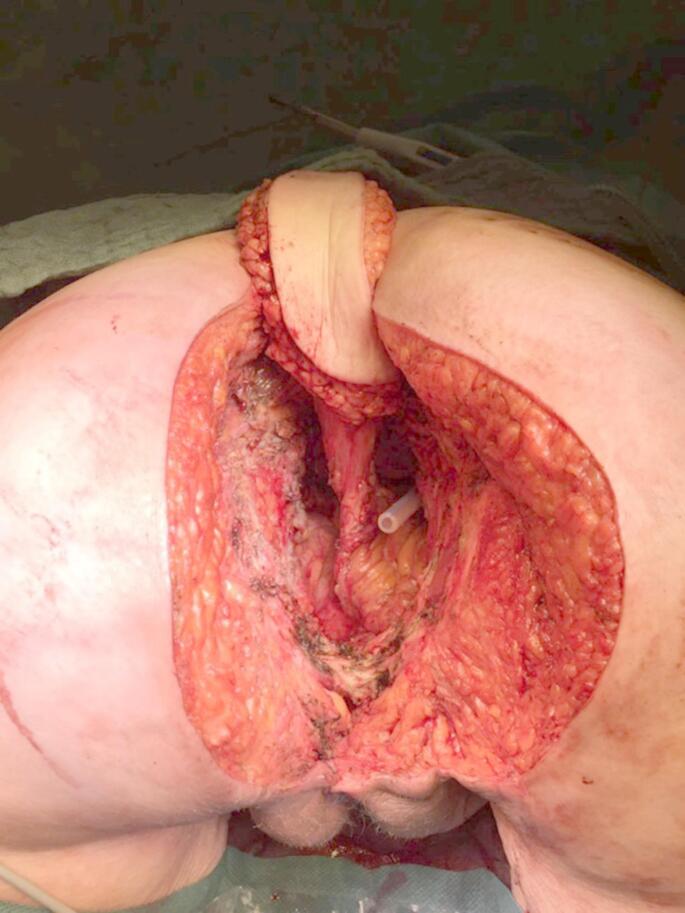 Figure 1
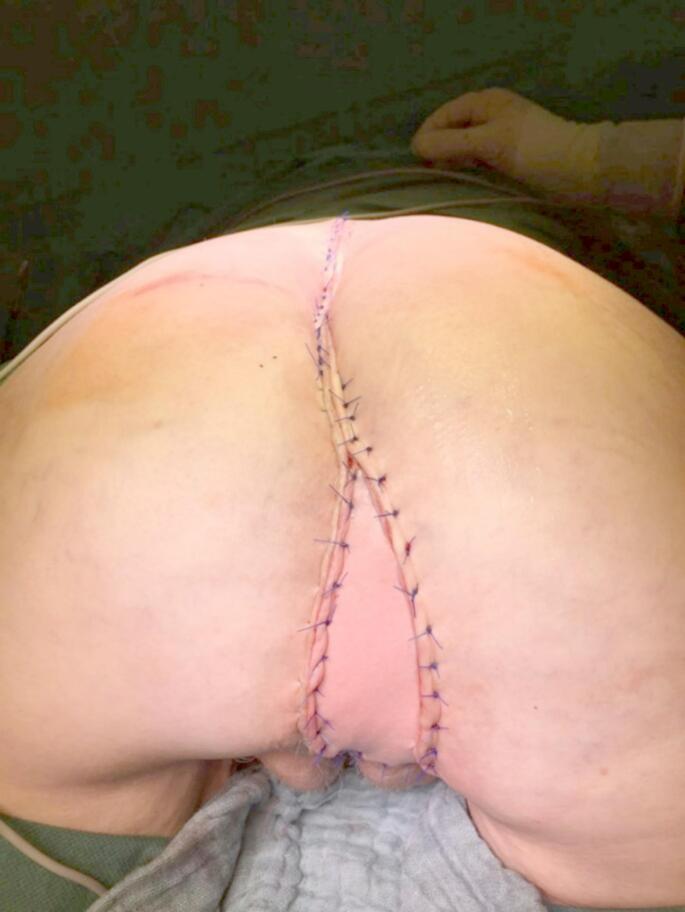 Figure 2
Peer Reviews
No public reviews on file for this paper yet. If you reviewed it on a platform where reviews are public (OpenReview, ICLR, NeurIPS, ICML), you can paste yours below so the community can read it here.
Videos
No videos yet. Explain this paper in a talk, walkthrough, or lecture? Add one.
Taxonomy
TopicsColorectal and Anal Carcinomas · Anorectal Disease Treatments and Outcomes · Colorectal Cancer Surgical Treatments