One night with Venus, a lifetime with mercury: Analyses of heavy metals in Franz Schubert’s hair are consistent with syphilis treatment
Lisa Fischer, Stephan Hann, Christina Amory, Walther Parson, Farkas Pintér, Christian Reiter

TL;DR
Analysis of Franz Schubert’s hair shows high mercury levels, suggesting he received syphilis treatment months before his death.
Contribution
Heavy metal analysis of Schubert’s hair provides new evidence supporting historical claims of syphilis treatment.
Findings
Mercury and lead concentrations in Schubert’s hair were significantly elevated.
Metal concentration patterns across samples suggest they originated from the same individual.
Mercury levels decreased closer to the time of death, consistent with syphilis treatment.
Abstract
Samples from three strands of Franz Schubert’s hair, which are very likely to be authentic due to their well-documented origin and the chain of custody that is still valid today, were analyzed in terms of molecular biology and heavy metal content. The two hair samples presumably taken from the deceased’s head showed matching molecular biological parameters, while the sample taken 35 years after his burial did not contain any usable DNA. Heavy metal analyses along the hair samples using LA-ICP-MS (laser ablation inductively coupled plasma mass spectrometry) with a temporal resolution of 4–5 h revealed significantly increased mercury and lead concentrations in all samples with a decreasing tendency towards the time of death. Taking the different storage conditions into account, the patterns of metal concentrations in the samples match well, suggesting that all three samples came from the…
Genes, proteins, chemicals, diseases, species, mutations and cell lines named across the full text — each resolved to its canonical identifier and authoritative record.
Click any figure to enlarge with its caption.
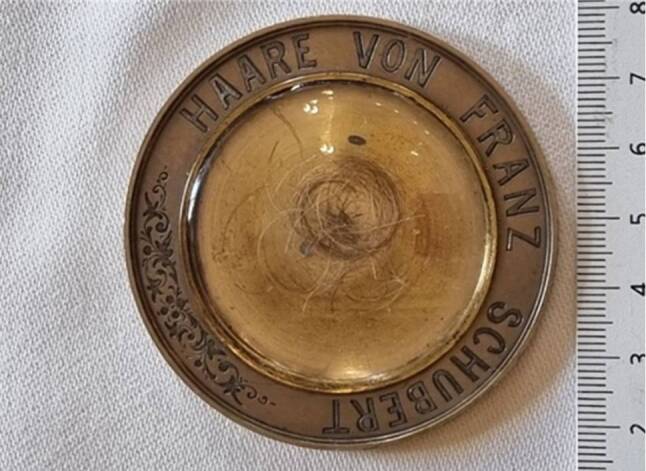 Figure 1
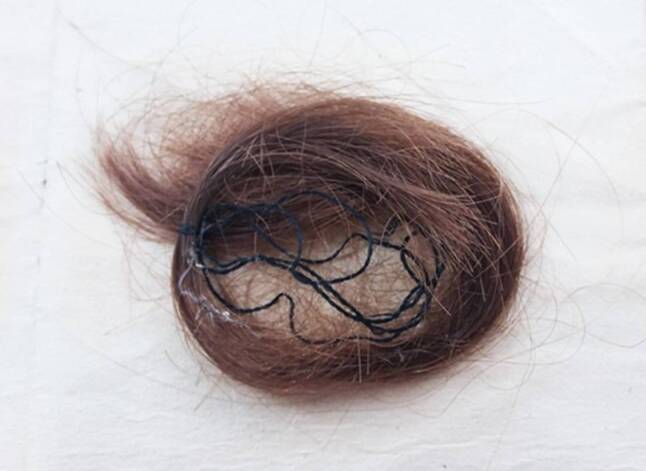 Figure 2
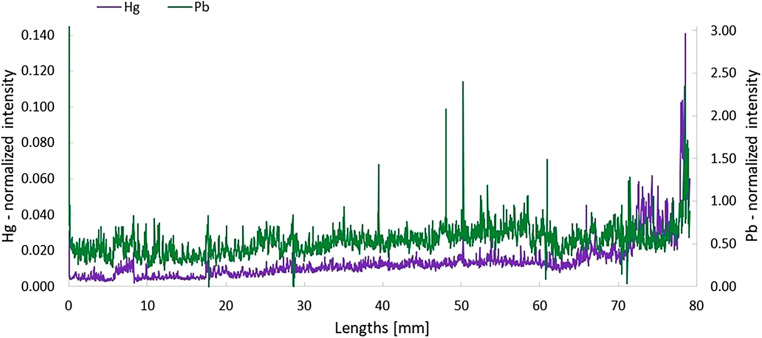 Figure 3
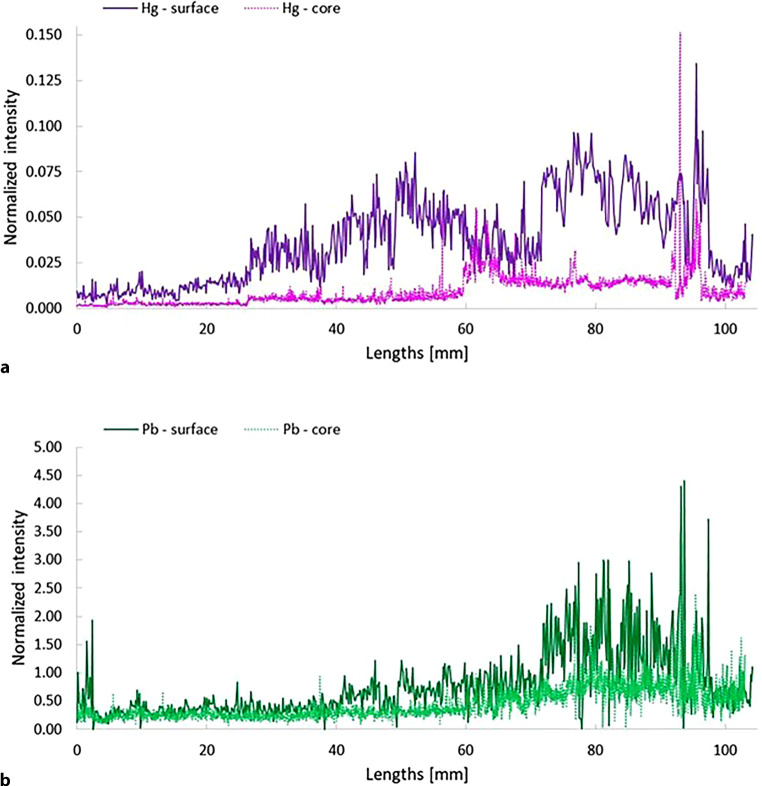 Figure 4
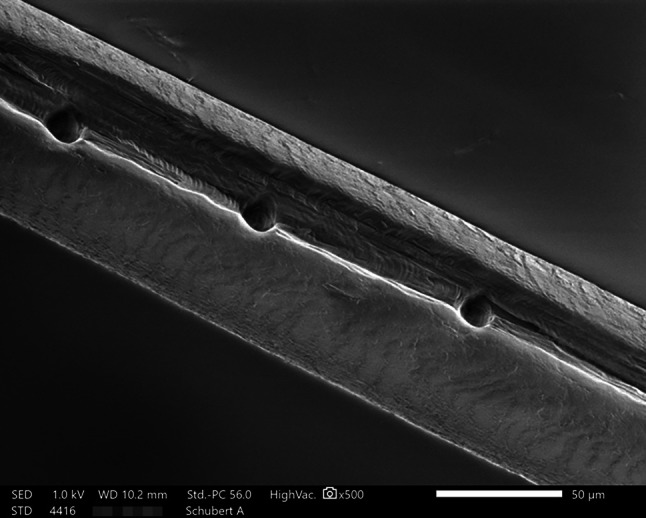 Figure 5
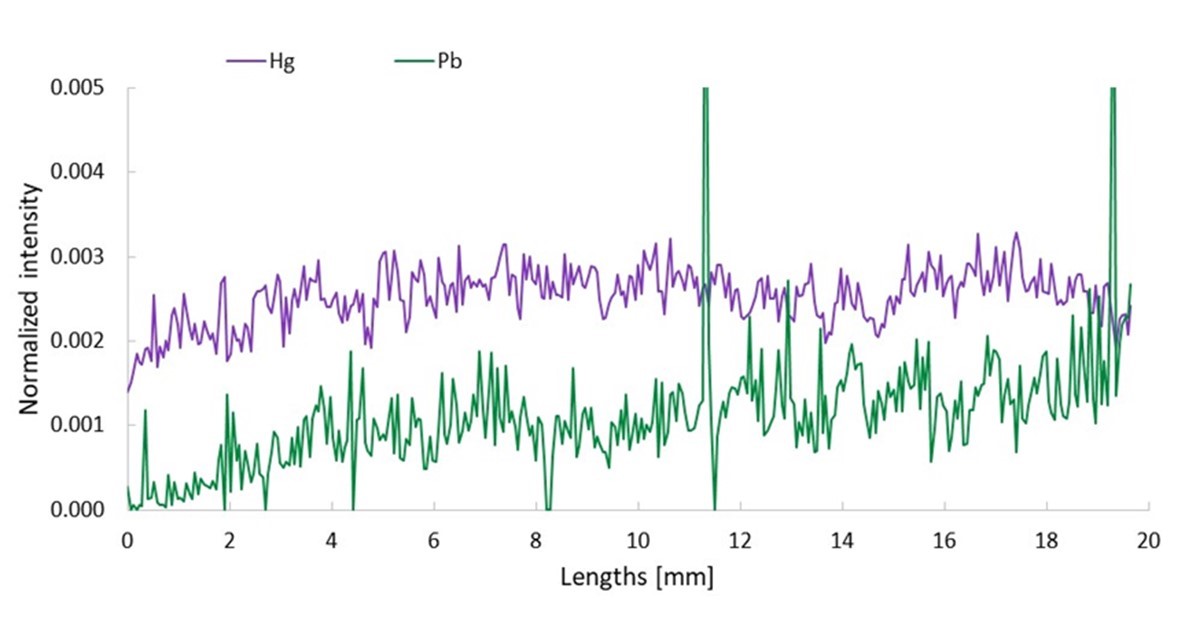 Figure 6
Peer Reviews
No public reviews on file for this paper yet. If you reviewed it on a platform where reviews are public (OpenReview, ICLR, NeurIPS, ICML), you can paste yours below so the community can read it here.
Videos
No videos yet. Explain this paper in a talk, walkthrough, or lecture? Add one.
Taxonomy
TopicsPaleopathology and ancient diseases · Forensic and Genetic Research · Psychedelics and Drug Studies