Molecular mechanisms underlying Fagopyrum dibotrys-derived nanovesicles induced ferroptosis in hepatocellular carcinoma: a dual-pathway analysis of lipid peroxidation and mitochondrial damage
Ling Wu, Hongyao Chen, Jingting Zhang, Jincheng Tang, Zhibin Wang, Peisen Xue, Wenhui Gao, Renyi Yang, Puhua Zeng

TL;DR
This study shows that nanovesicles from Fagopyrum dibotrys can inhibit liver cancer cell growth by triggering a type of cell death called ferroptosis, which involves iron and oxidative stress.
Contribution
The study reveals a novel dual-pathway mechanism of Fagopyrum dibotrys-derived nanovesicles in inducing ferroptosis in hepatocellular carcinoma cells.
Findings
FdNVs dose-dependently suppressed HepG2 cell proliferation, migration, and invasion in vitro.
FdNVs induced ferroptosis by increasing intracellular Fe2+ and ROS, reducing GSH, and modulating ferroptosis-related genes.
In vivo experiments confirmed FdNVs' antitumor efficacy in a HepG2 xenograft model.
Abstract
Hepatocellular carcinoma (HCC) is a prevalent malignant tumor globally, with high incidence and mortality rates that seriously endanger human health. While traditional therapeutic approaches have demonstrated some efficacy in controlling disease progression, they are still fraught with numerous limitations. In recent years, plant-derived nanovesicles have garnered significant attention owing to their distinctive biological activities and promising antitumor characteristics. The effects of Fagopyrum dibotrys, a plant with various medicinal values, and its-derived nanovesicles (FdNVs) on HCC cells have not been clarified. This study aimed to explore the inhibitory effects of FdNVs on human HCC cells and subcutaneous xenograft tumors, as well as the underlying molecular mechanisms. FdNVs were isolated and purified through ultracentrifugation, characterized via Nanoparticle Tracking…
Genes, proteins, chemicals, diseases, species, mutations and cell lines named across the full text — each resolved to its canonical identifier and authoritative record.
Click any figure to enlarge with its caption.
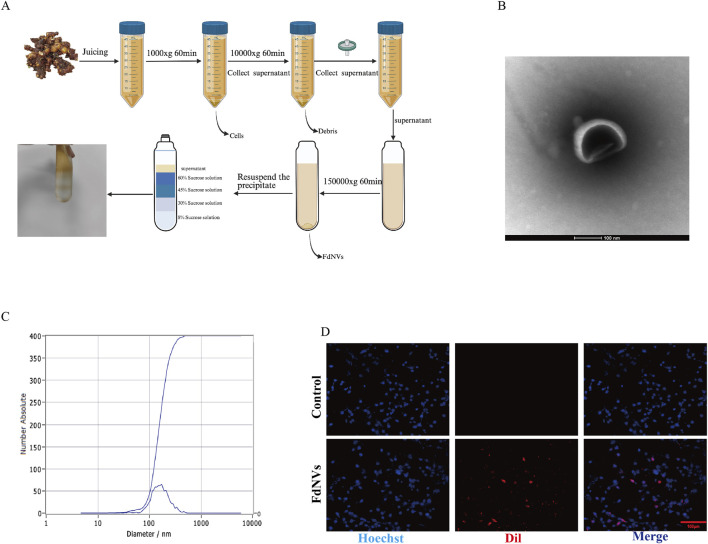 Figure 1
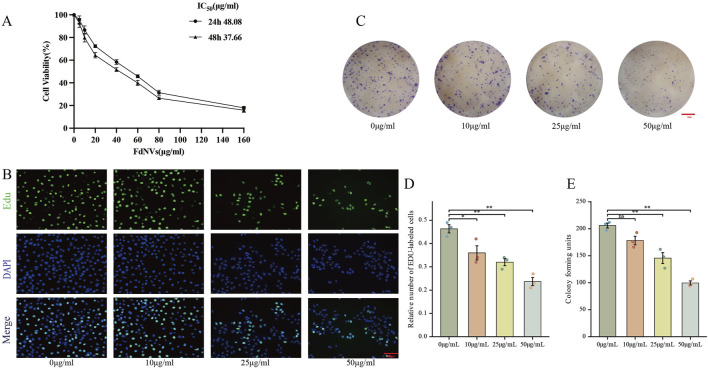 Figure 2
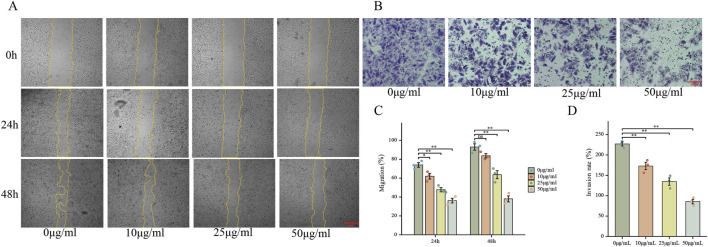 Figure 3
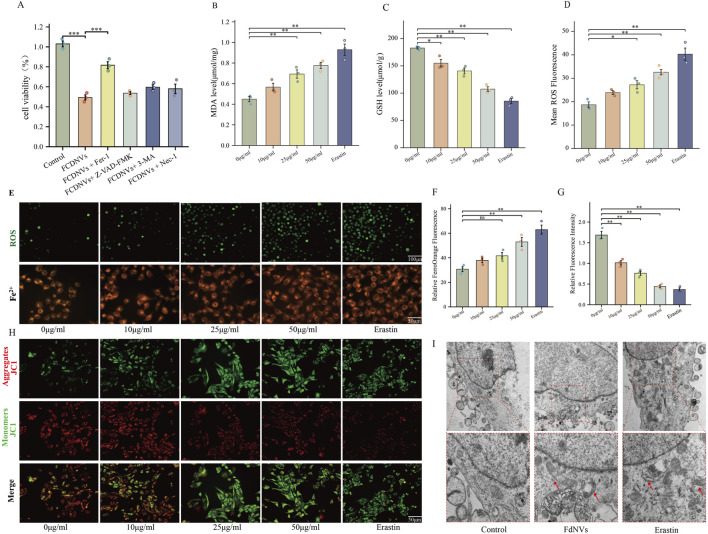 Figure 4
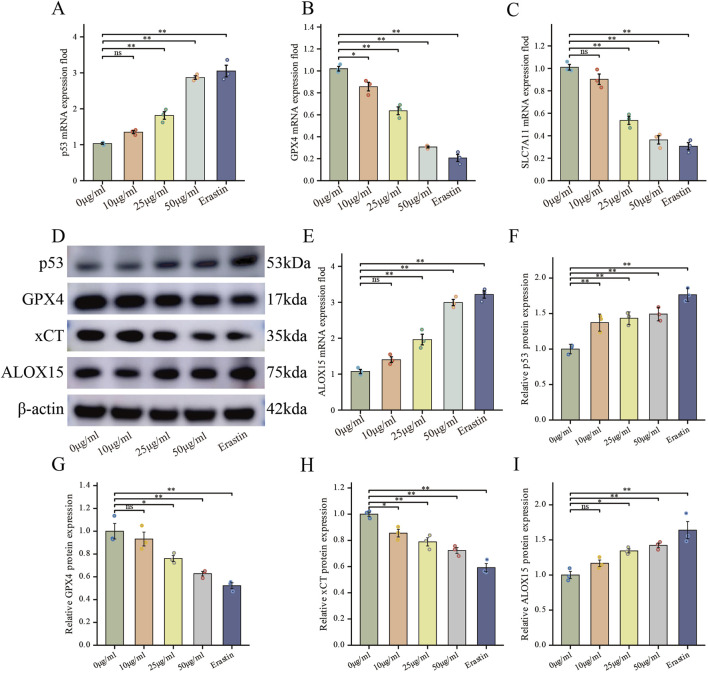 Figure 5
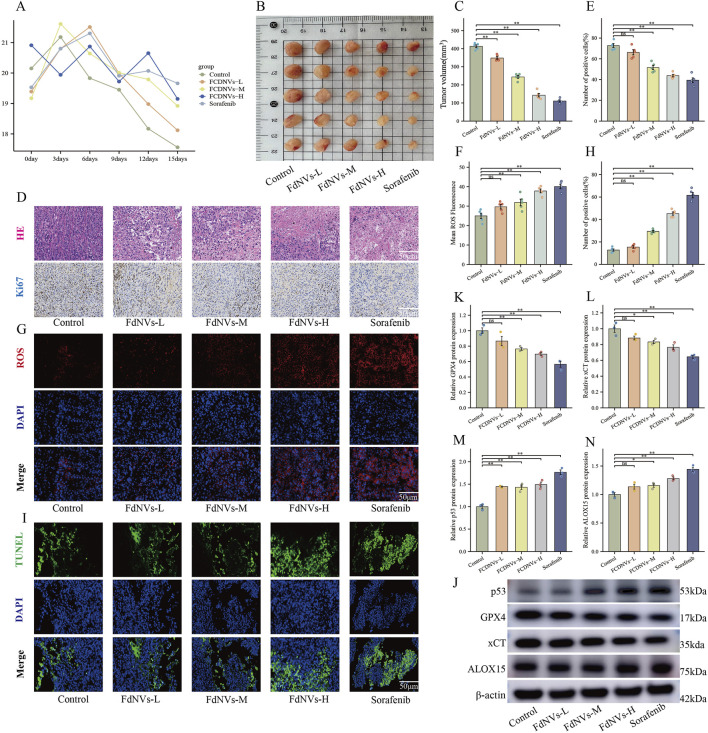 Figure 6
Peer Reviews
No public reviews on file for this paper yet. If you reviewed it on a platform where reviews are public (OpenReview, ICLR, NeurIPS, ICML), you can paste yours below so the community can read it here.
Videos
No videos yet. Explain this paper in a talk, walkthrough, or lecture? Add one.
Taxonomy
TopicsFerroptosis and cancer prognosis · Circular RNAs in diseases · MicroRNA in disease regulation