Exposure to subtle dominance cues activates the stress response and affects decision-making
Maryam Bamshad, Karina Xie, Rema Rasheed, Kathryn Holt, Grace Assabil-Bentum, Nicholas B. Aoki

TL;DR
Exposure to subtle dominance cues can trigger stress and influence decisions, even when the cues are not overtly aggressive.
Contribution
The study shows how low-intensity emotions from social cues affect decision-making, relevant for human-like AI design.
Findings
Most participants found subtle dominance cues offensive, regardless of text or image presentation.
Combining condescending text with a dominant face influenced medication-taking decisions.
Arousal levels increased with dominance cues but decreased when making decisions after exposure.
Abstract
Dominance cues may offend and elicit anger. Based on theories of affect-as-information, we tested whether subtle cues in words or images indicative of dominance could activate the stress response and impact decision-making. Participants asked to imagine being patients were exposed to subtle dominance cues of a doctor. By measuring the skin conductance levels and through self-reported assessments, we examined whether participants would be offended when exposed to dominance cues in text alone or when combined with facial images. Participants assessed the probability of a medication’s side effects and chose to take the medication prescribed after reading a doctor’s advice that was worded to sound either condescending or neutral. The doctor’s statements were shown alone or matched with a photo of either a dominant-looking or a trustworthy-looking face. Most found dominance cues presented…
Genes, proteins, chemicals, diseases, species, mutations and cell lines named across the full text — each resolved to its canonical identifier and authoritative record.
Click any figure to enlarge with its caption.
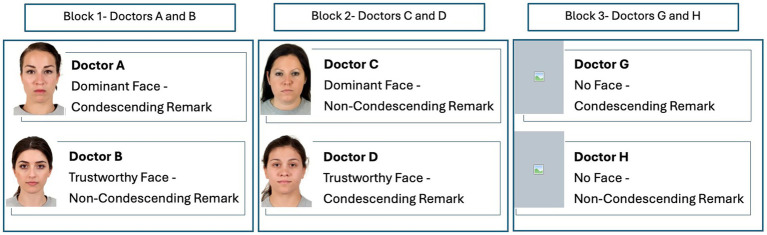 Figure 1
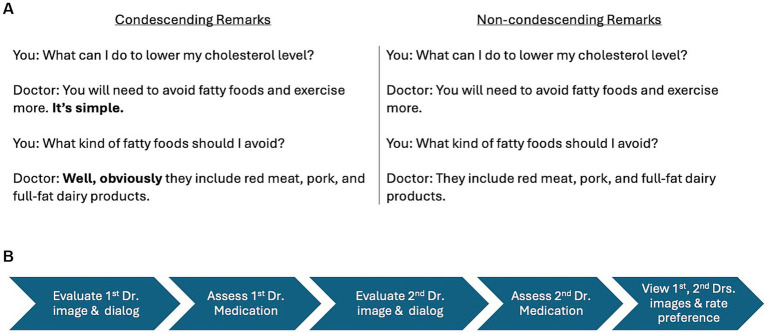 Figure 2
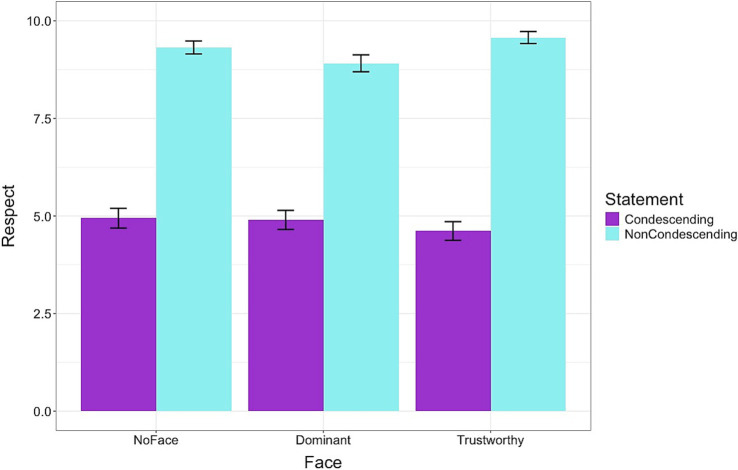 Figure 3
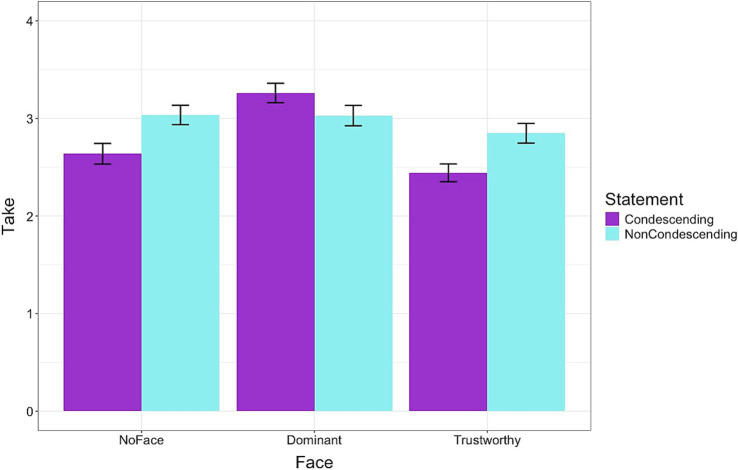 Figure 4
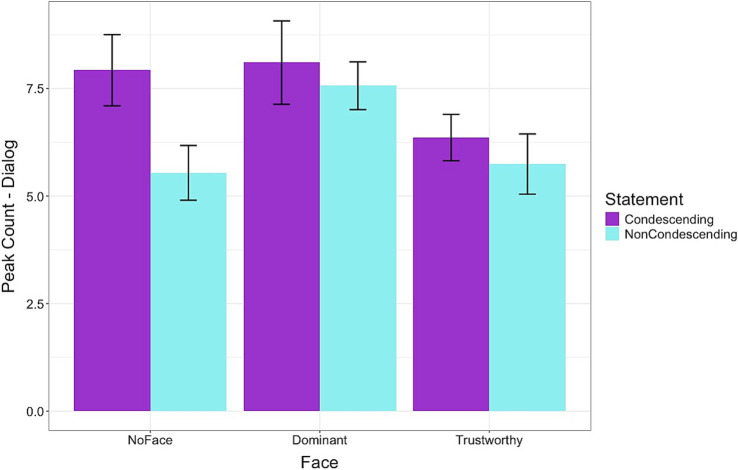 Figure 5
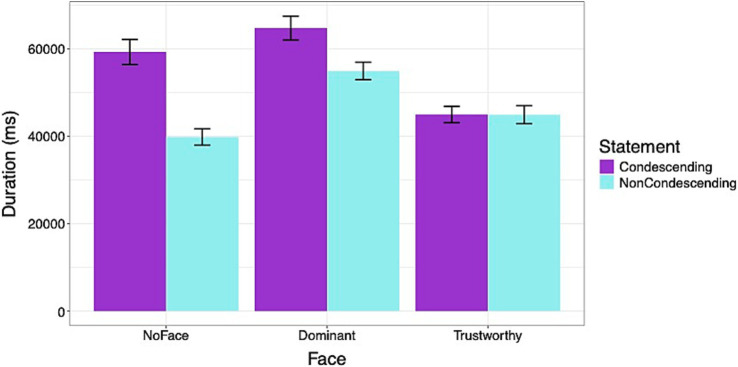 Figure 6
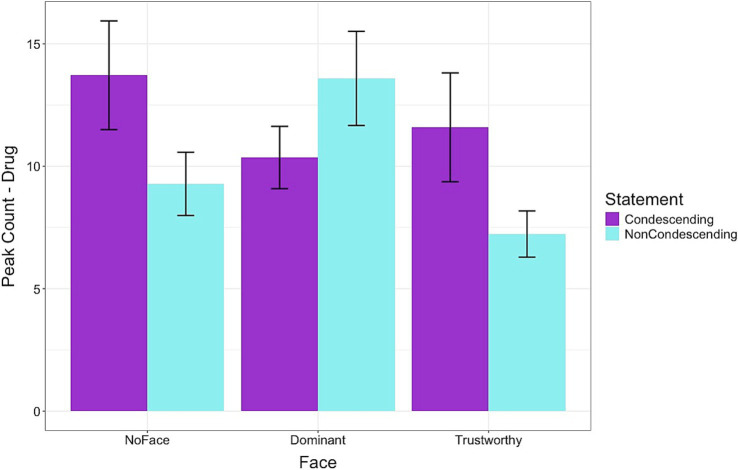 Figure 7
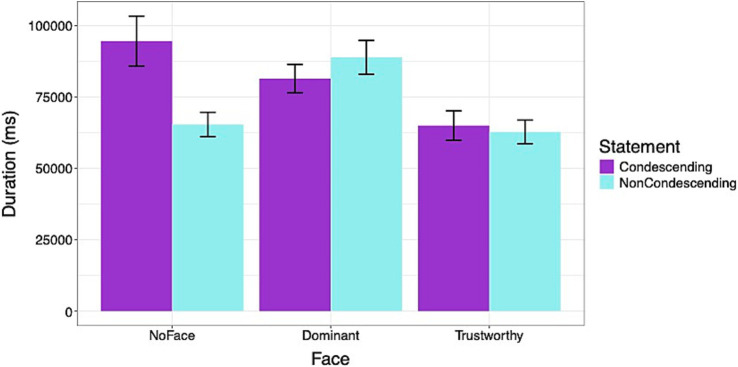 Figure 8
 Figure 9
Peer Reviews
No public reviews on file for this paper yet. If you reviewed it on a platform where reviews are public (OpenReview, ICLR, NeurIPS, ICML), you can paste yours below so the community can read it here.
Videos
No videos yet. Explain this paper in a talk, walkthrough, or lecture? Add one.
Taxonomy
TopicsEmotions and Moral Behavior · Psychology of Moral and Emotional Judgment · Deception detection and forensic psychology