Nanolipoprotein particle (NLP) vaccine confers protection against Yersinia pestis aerosol challenge in a BALB/c mouse model
Sergei S. Biryukov, Amy Rasley, Michael L. Davies, Christopher P. Klimko, Jennifer L. Dankmeyer, Melissa Hunter, Nathaniel O. Rill, Jennifer L. Shoe, Jeremy Miller, Yuli Talyansky, Barbara Sullinger, Matheo Herrera, Daniel Huang, Leslie Bautista, Lucy Pepe, Sandra K. G. Peters

TL;DR
A new nanolipoprotein-based vaccine protects mice from pneumonic plague, showing strong immune responses and complete protection against a lethal challenge.
Contribution
The NLP vaccine platform demonstrates superior immunogenicity and protective efficacy against Yersinia pestis compared to traditional subunit vaccines.
Findings
The NLP-based vaccine induced a stronger cytokine response against F1, V, and F1V proteins than the F1V vaccine.
Mice receiving two doses of F1:V:NLP + Alu and CpG were fully protected from a lethal Y. pestis aerosol challenge.
NLPs offer a versatile platform for incorporating diverse adjuvants and antigens for multi-antigen vaccines.
Abstract
Yersinia pestis is the etiological agent of plague, a disease that remains a concern as demonstrated by recent outbreaks in Madagascar. Infection with Y. pestis results in a rapidly progressing illness that can only be successfully treated with antibiotics given shortly after symptom onset. Live attenuated or whole cell inactivated vaccines confer protection against bubonic plague, but pneumonic plague has been more difficult to prevent. Novel effective subunit vaccine formulations may circumvent some of these shortfalls. Here, we compare the immunogenicity generated by an advanced subunit vaccine (F1V fusion protein) and a nanolipoprotein particle (NLP)-based vaccine. The NLP, a high-density lipoprotein mimetic, provides a nanoscale delivery platform for recombinant Y. pestis antigens LcrV (V) and F1. BALB/c mice were immunized via subcutaneous injection twice, three or four weeks…
Genes, proteins, chemicals, diseases, species, mutations and cell lines named across the full text — each resolved to its canonical identifier and authoritative record.
Click any figure to enlarge with its caption.
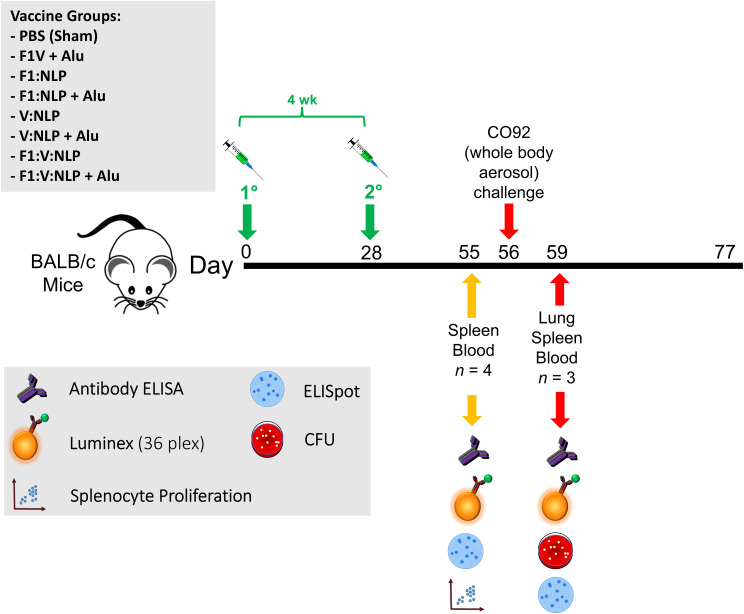 Figure 1
 Figure 2
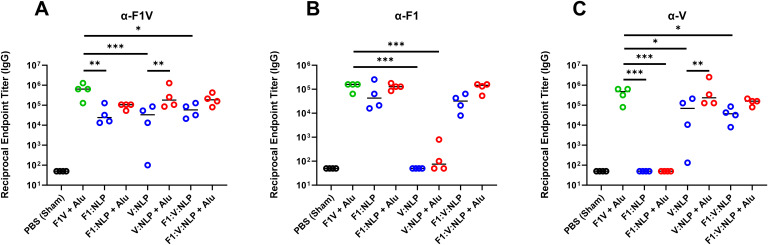 Figure 3
 Figure 4
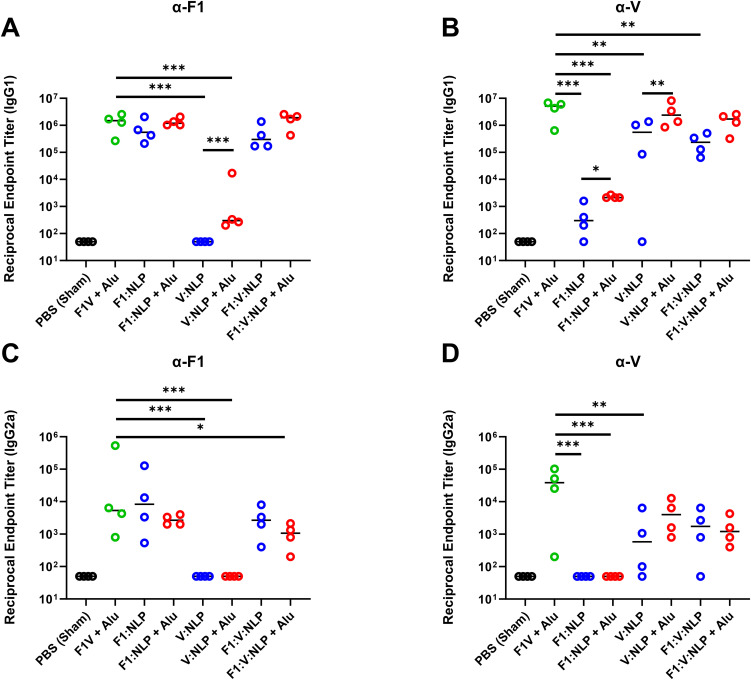 Figure 5
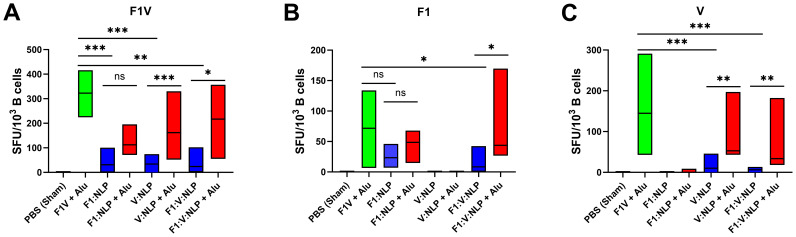 Figure 6
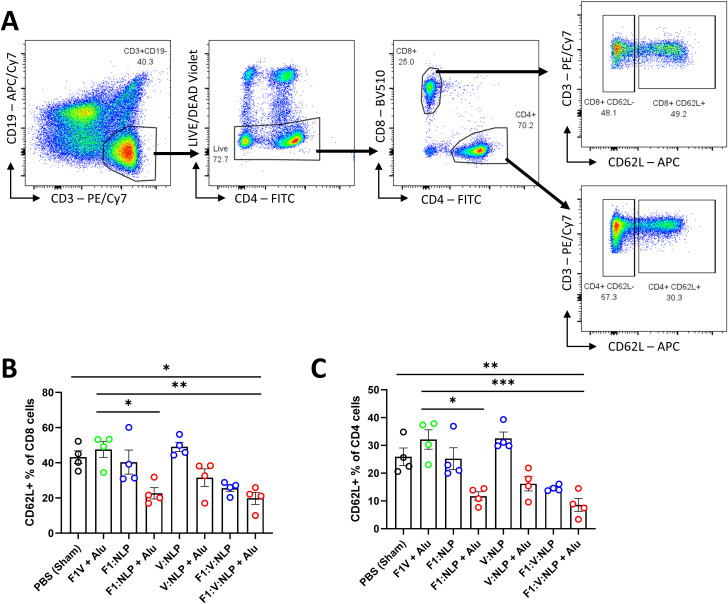 Figure 7
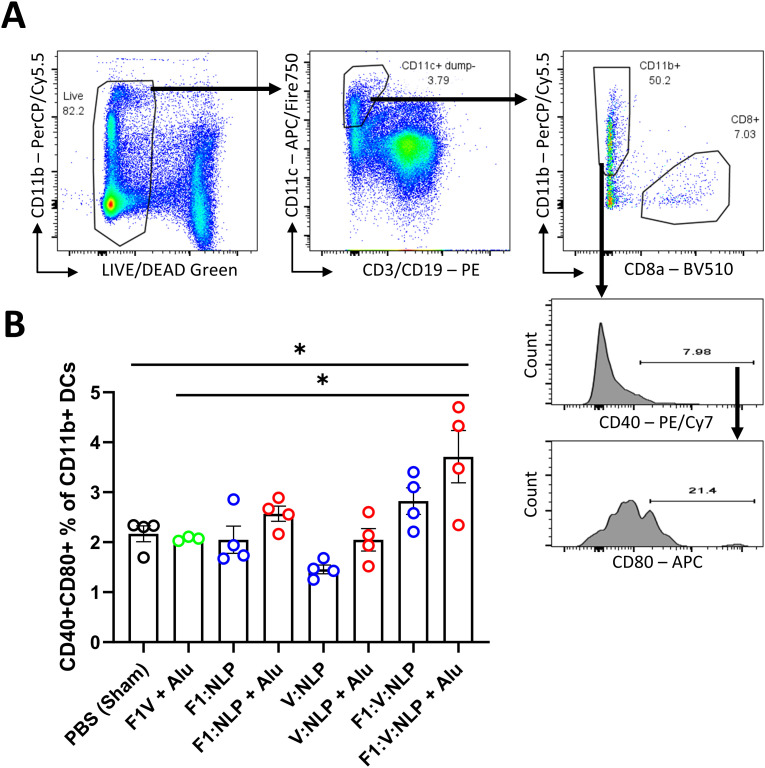 Figure 8
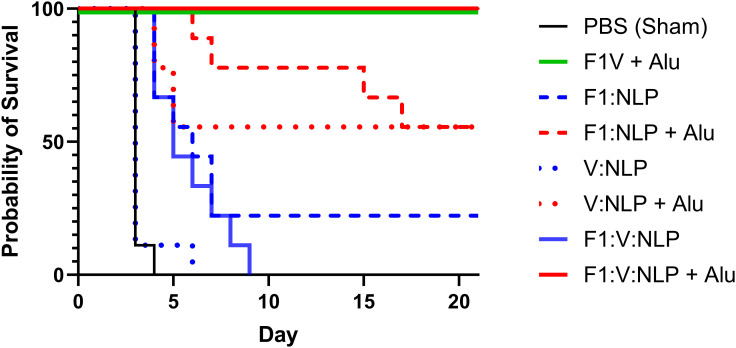 Figure 9
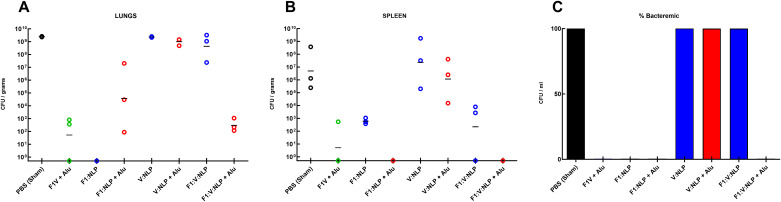 Figure 10
 Figure 11
Peer Reviews
No public reviews on file for this paper yet. If you reviewed it on a platform where reviews are public (OpenReview, ICLR, NeurIPS, ICML), you can paste yours below so the community can read it here.
Videos
No videos yet. Explain this paper in a talk, walkthrough, or lecture? Add one.
Taxonomy
TopicsYersinia bacterium, plague, ectoparasites research · Vector-borne infectious diseases · Bacillus and Francisella bacterial research