A systematic quantification of hemodynamic differences persisting after aortic coarctation repair
Christopher Jensen, Arash Ghorbannia, David Urick, G. Chad Hughes, Amanda Randles

TL;DR
This study uses simulations to show that abnormal blood flow patterns persist in repaired aortas, which may explain long-term complications in aortic coarctation patients.
Contribution
The study introduces a novel approach to quantify hemodynamic differences in repaired aortas and identifies a nonlinear relationship between stenosis severity and wall shear stress.
Findings
Repaired aortas showed significantly higher TAWSS compared to healthy aortas in both the aortic arch and repair site.
A nonlinear relationship was found between stenosis severity and TAWSS, suggesting a feedback mechanism that worsens outcomes.
Persistent high TAWSS may explain the poor long-term prognosis in patients with repaired aortic coarctation.
Abstract
Aortic coarctation (CoA) comprises 6%–8% of all congenital heart diseases and is the second most common cardiovascular disease requiring neonatal surgical correction. However, patients remain at high risk for long-term complications, notably recoarctation. Hemodynamic simulations were performed in a group of six patients following CoA repair, as compared to a group of age and sex-matched healthy controls. Progressive narrowing at the CoA repair site was modeled to simulate the recoarctation process. Key measurements included time-averaged wall shear stress (TAWSS) in the aortic arch and CoA repair site. Repaired aortas demonstrated significantly higher TAWSS compared to healthy aortas in the aortic arch (3.46 vs 1.24 Pa, p < 0.05) and CoA repair site (4.34 vs 1.56 Pa, p < 0.05). A pronounced nonlinear relationship between stenosis severity and TAWSS was observed suggesting that…
Genes, proteins, chemicals, diseases, species, mutations and cell lines named across the full text — each resolved to its canonical identifier and authoritative record.
Click any figure to enlarge with its caption.
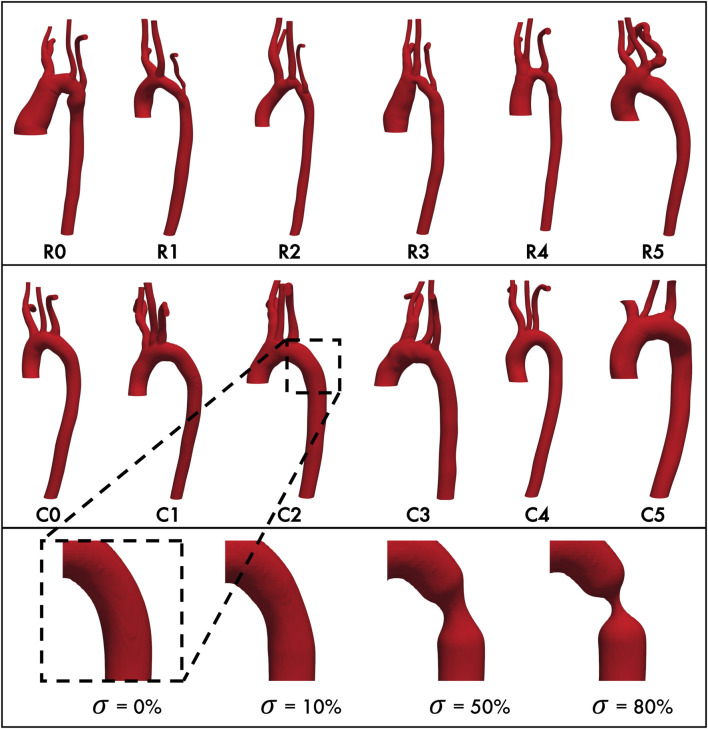 Figure 1
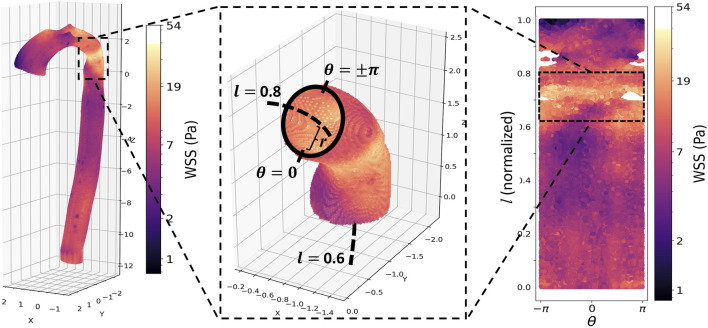 Figure 2
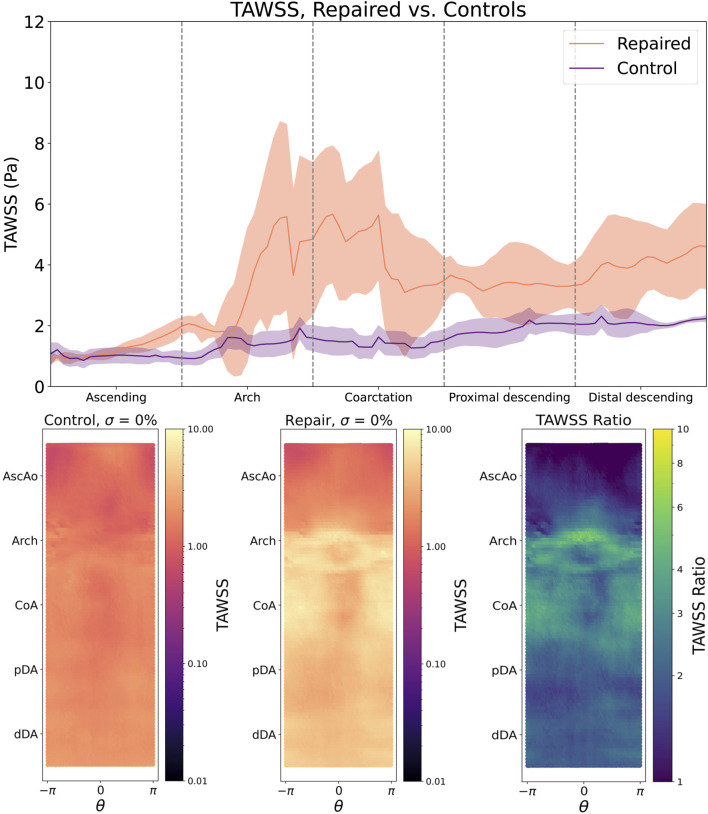 Figure 3
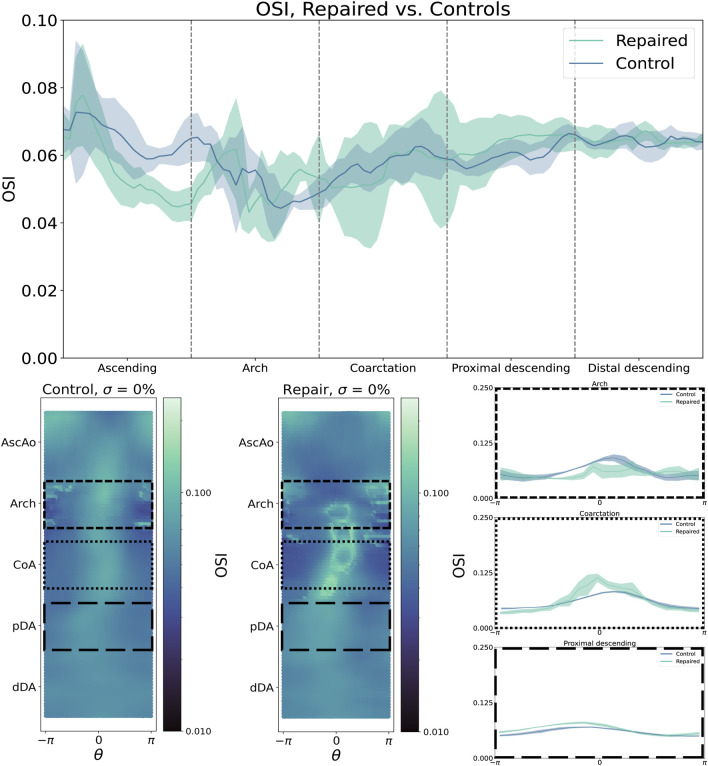 Figure 4
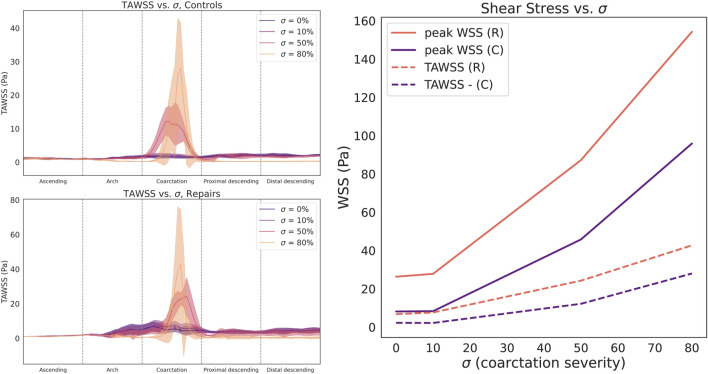 Figure 5
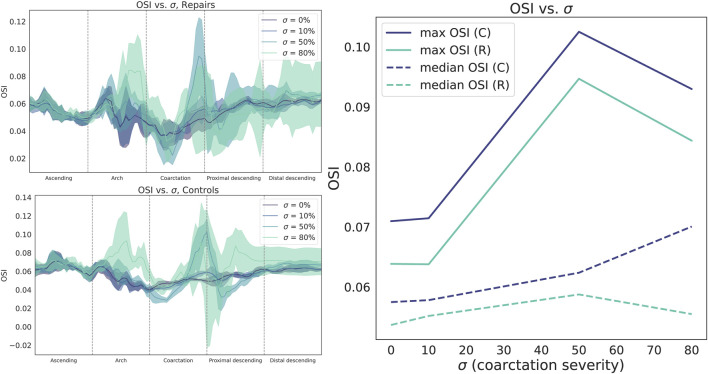 Figure 6
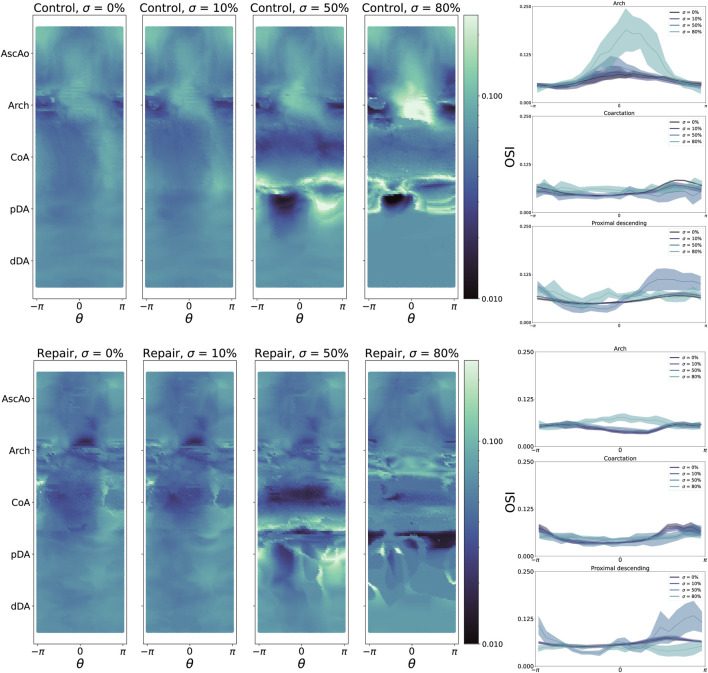 Figure 7
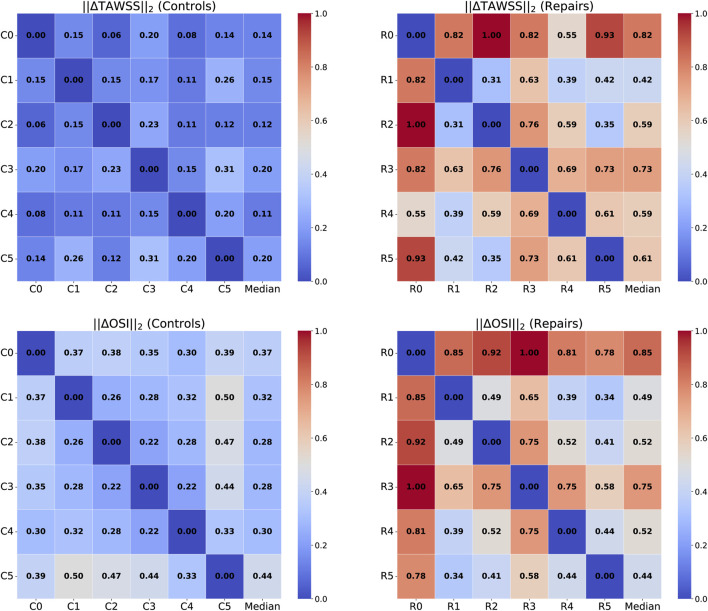 Figure 8
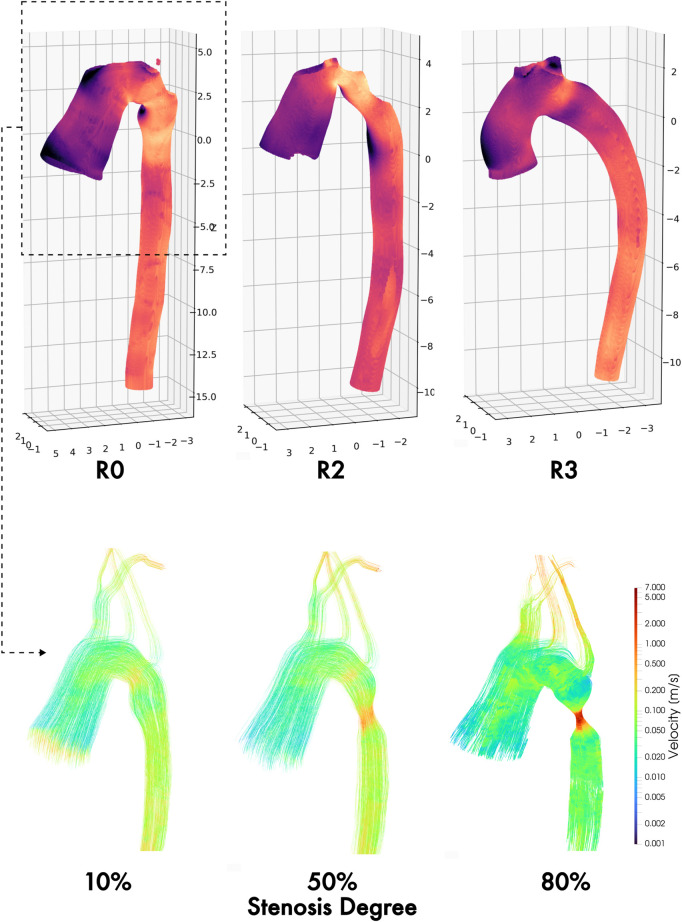 Figure 9
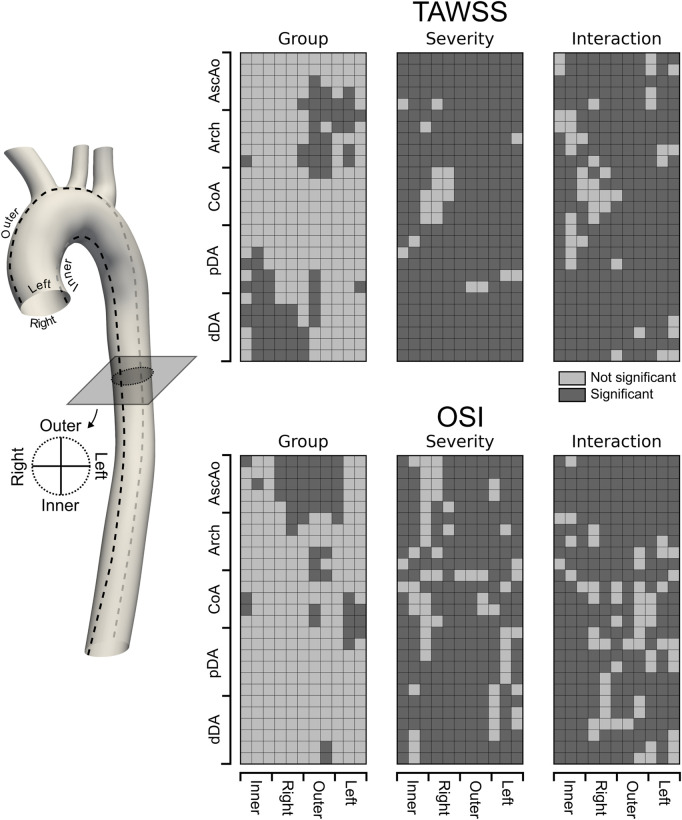 Figure 10
Peer Reviews
No public reviews on file for this paper yet. If you reviewed it on a platform where reviews are public (OpenReview, ICLR, NeurIPS, ICML), you can paste yours below so the community can read it here.
Videos
No videos yet. Explain this paper in a talk, walkthrough, or lecture? Add one.
Taxonomy
TopicsCongenital Heart Disease Studies · Cardiac Structural Anomalies and Repair · Mechanical Circulatory Support Devices