Evaluation of intestinal tissue safety during the compression process of circular end-to-end anastomosis stapler based on finite element simulation
Yuanda Zhou, Zhen Tan, Peishi Jiang, Yi Sun, Dewang Wu

TL;DR
This study uses computer simulations to determine the safe compression range for a surgical stapler used in intestinal anastomosis, finding that a 60% compression ratio is generally safe.
Contribution
The paper introduces a novel finite element analysis framework to evaluate stapler-induced tissue injury risks based on stress thresholds and tissue states.
Findings
A safe compression ratio of around 60% was consistently observed across different tissue thicknesses.
Thicker tissues showed a broader safe compression range and lower injury risk.
Stress distribution was uneven, with higher stress on the lower intestinal segment.
Abstract
Currently, there is no standardized finite element analysis method for investigating the safe compression range of circular end-to-end anastomosis stapler. This study aims to develop a finite element analysis framework based on stress thresholds and the volumetric distribution of tissue states, and to investigate the effects of tissue thickness and compression ratio on the risk of compression-induced injury during anastomosis. The evaluation is conducted by calculating the proportion of the volume of elements categorized as “effective fixation” or “damaged” based on equivalent stress. A disposable circular end-to-end anastomosis stapler was used as the reference model to create a 1:1 scale 3D model of the key components at the contact surface, including the anvil, staple cartridge, and cutting washer. Finite element models of intestinal tissue with varying thicknesses were established…
Genes, proteins, chemicals, diseases, species, mutations and cell lines named across the full text — each resolved to its canonical identifier and authoritative record.
Click any figure to enlarge with its caption.
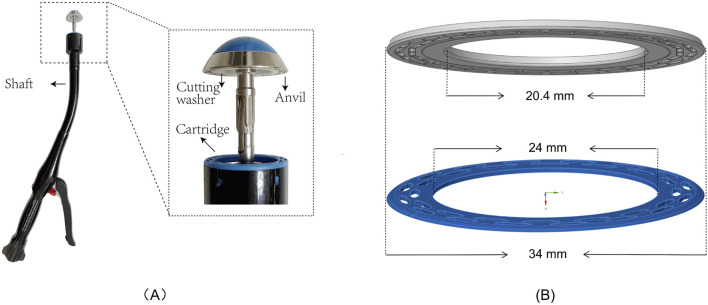 Figure 1
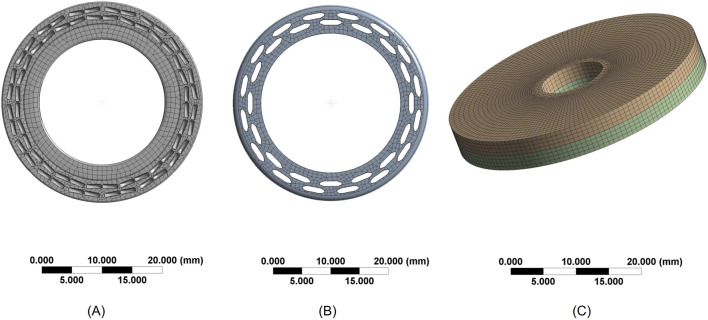 Figure 2
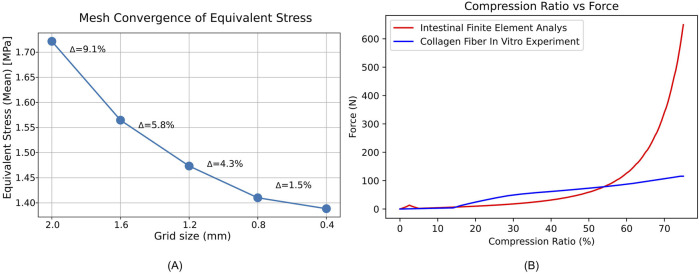 Figure 3
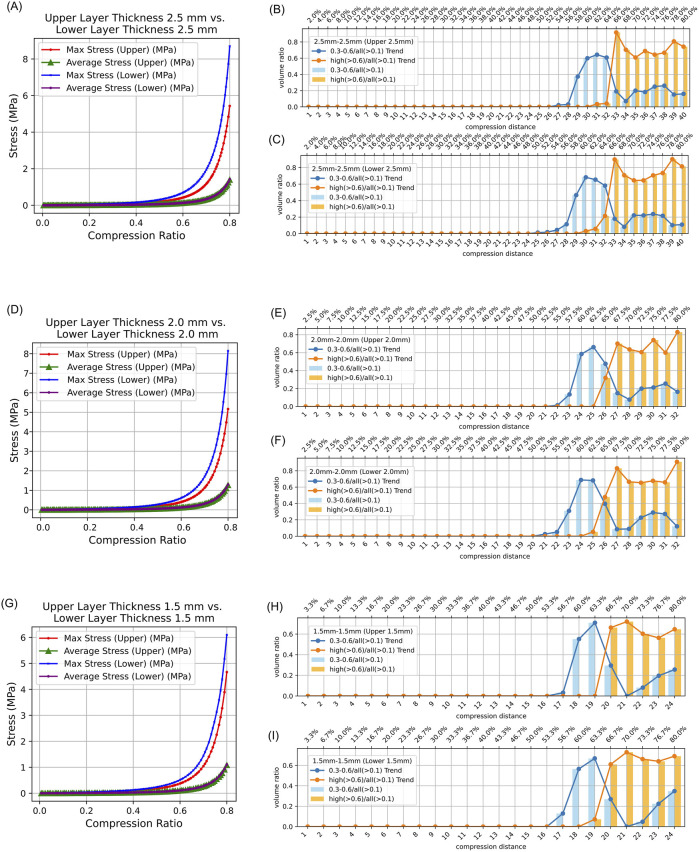 Figure 4
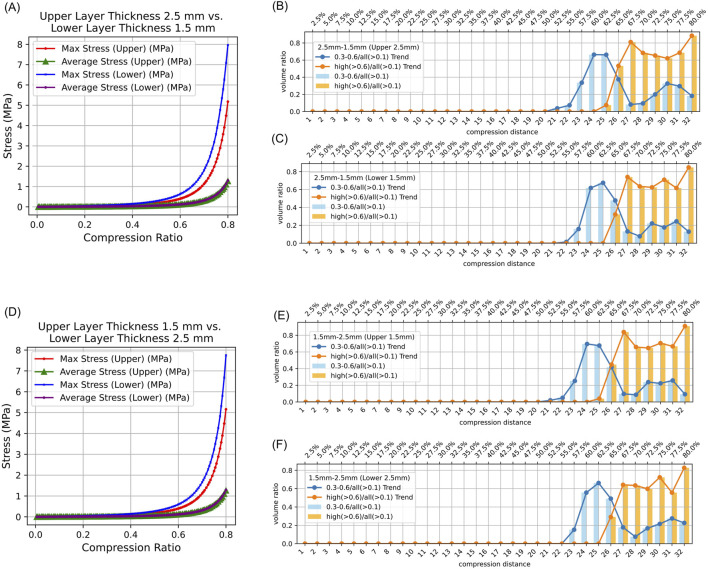 Figure 5
Peer Reviews
No public reviews on file for this paper yet. If you reviewed it on a platform where reviews are public (OpenReview, ICLR, NeurIPS, ICML), you can paste yours below so the community can read it here.
Videos
No videos yet. Explain this paper in a talk, walkthrough, or lecture? Add one.
Taxonomy
TopicsReconstructive Surgery and Microvascular Techniques · Pelvic and Acetabular Injuries · Orthopaedic implants and arthroplasty