Hydrogen sulfide alleviates high-salt-stimulated myocardial fibrosis through inhibiting hypoxia-inducible factor-1α
Qian Peng, Pan Huang, Boyang Lv, Chaoshu Tang, Hongfang Jin, Yaqian Huang

TL;DR
Hydrogen sulfide reduces heart tissue scarring caused by a high-salt diet by blocking a key protein involved in stress response.
Contribution
This study reveals a new mechanism by which hydrogen sulfide inhibits high-salt-induced heart fibrosis through downregulating HIF-1α.
Findings
High-salt exposure reduces hydrogen sulfide production and CBS protein levels in cardiac cells.
Hydrogen sulfide inhibits fibroblast activation and collagen synthesis in high-salt conditions.
HIF-1α upregulation by high-salt is reversed by hydrogen sulfide, and blocking HIF-1α stabilizes the antifibrotic effect.
Abstract
Endogenous hydrogen sulfide (H2S) and its key generating enzyme, cystathionine β-synthase (CBS), prevent vascular remodeling and damage to target organs during the advancement of hypertension induced by a high-salt diet. The contribution of the H2S/CBS pathway to high-salt–induced myocardial fibrosis (MF) was explored, with a focus on the mechanistic involvement of hypoxia-inducible factor-1α (HIF-1α). We used primary rat cardiac fibroblasts stimulated with high-salt medium and an MF model induced by a high-salt diet in Dahl salt-sensitive rats. Sodium hydrosulfide (NaHS), a commonly used H2S donor, was administered in vitro at 100 μmol/L and in vivo at 90 μmol/kg to maintain adequate H2S levels. An HIF-1α stabilizer, dimethyloxalylglycine (DMOG), was used to maintain the HIF-1α protein level. The H2S/CBS pathway was followed using Western blotting and a sulfide-sensitive probe. The…
Genes, proteins, chemicals, diseases, species, mutations and cell lines named across the full text — each resolved to its canonical identifier and authoritative record.
Click any figure to enlarge with its caption.
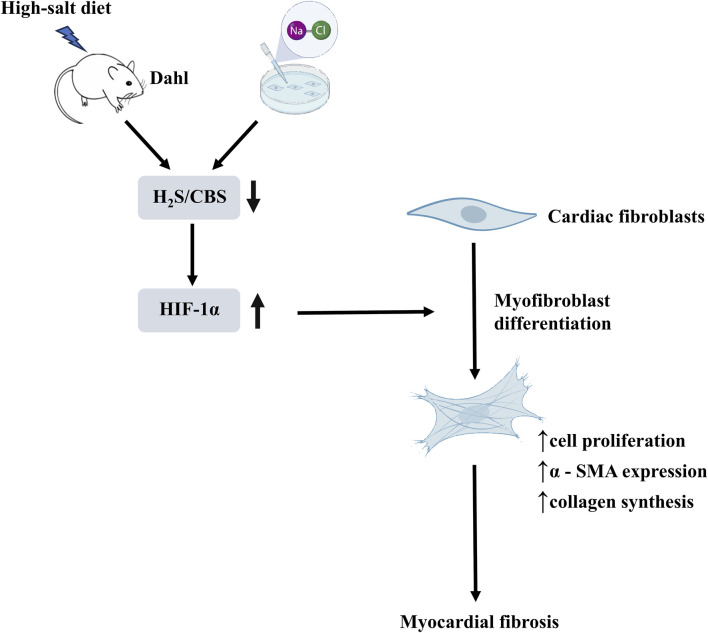 Figure 1
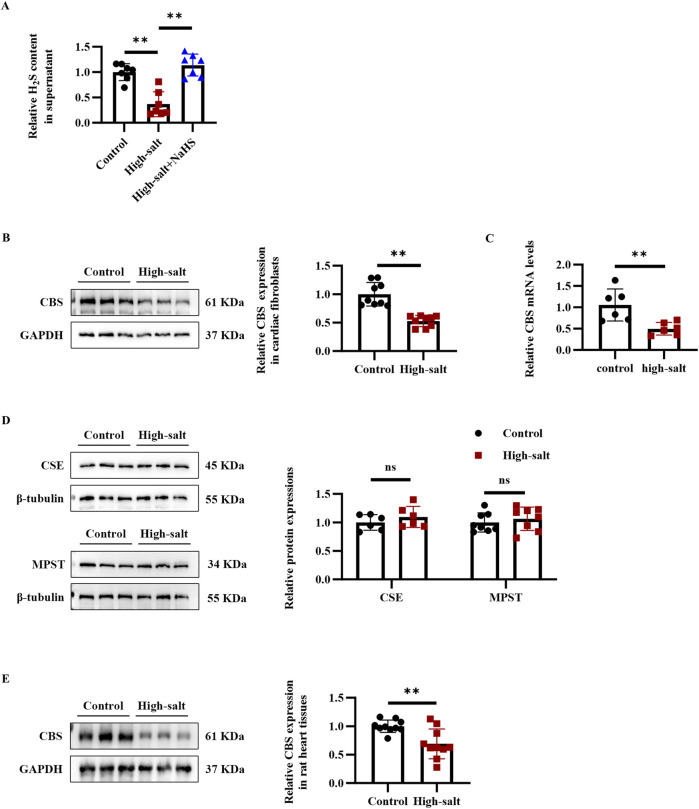 Figure 2
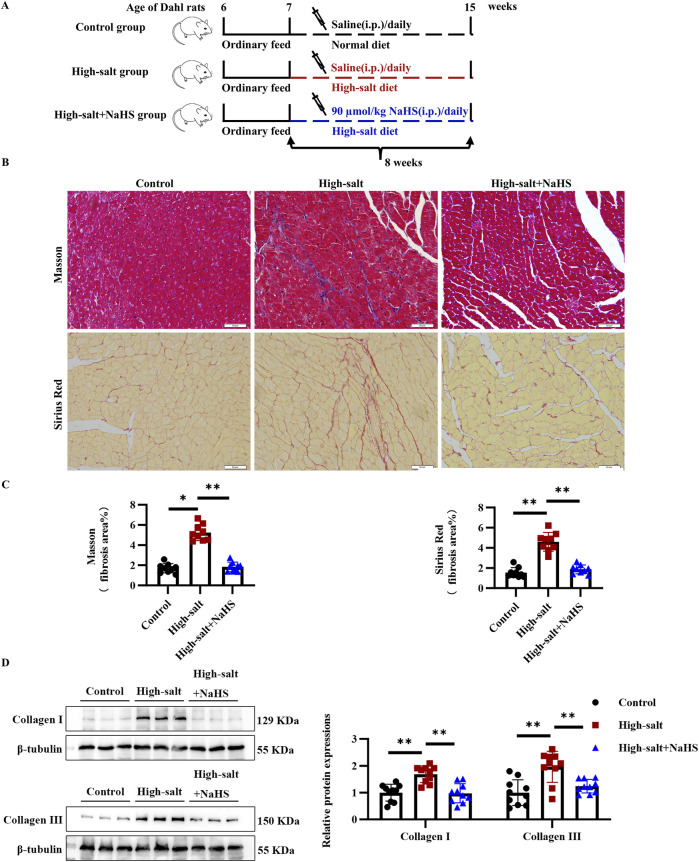 Figure 3
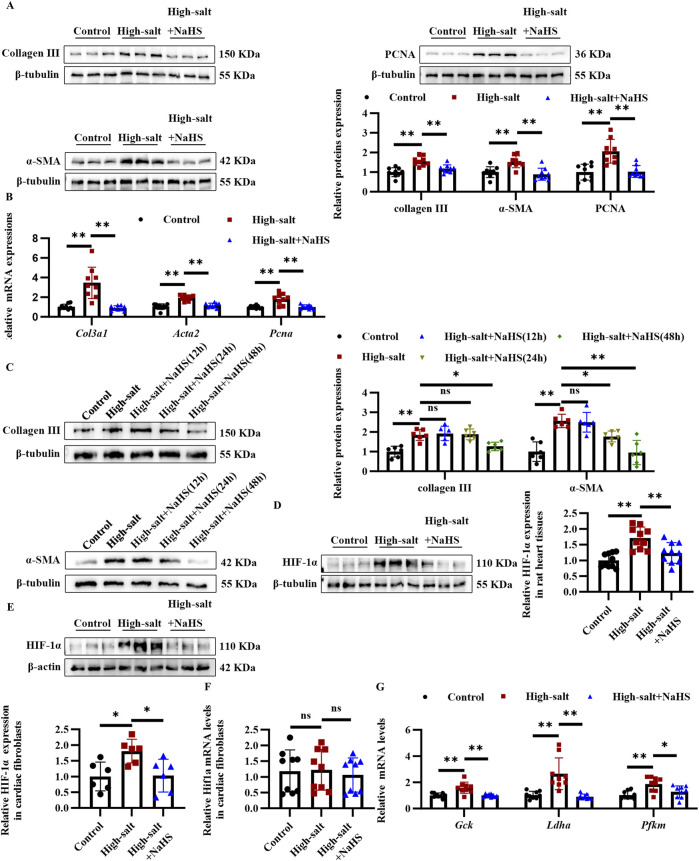 Figure 4
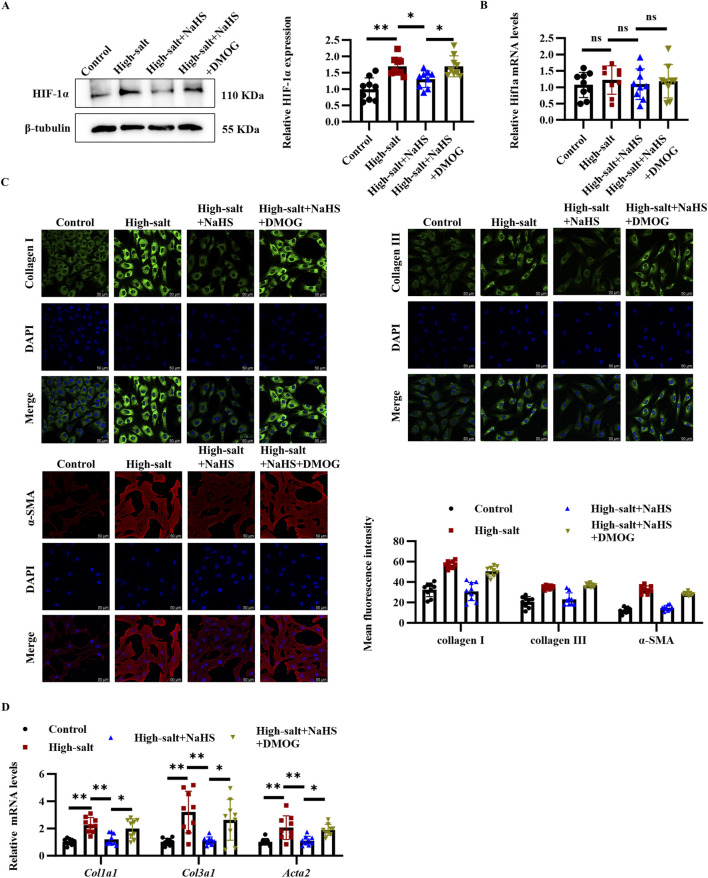 Figure 5
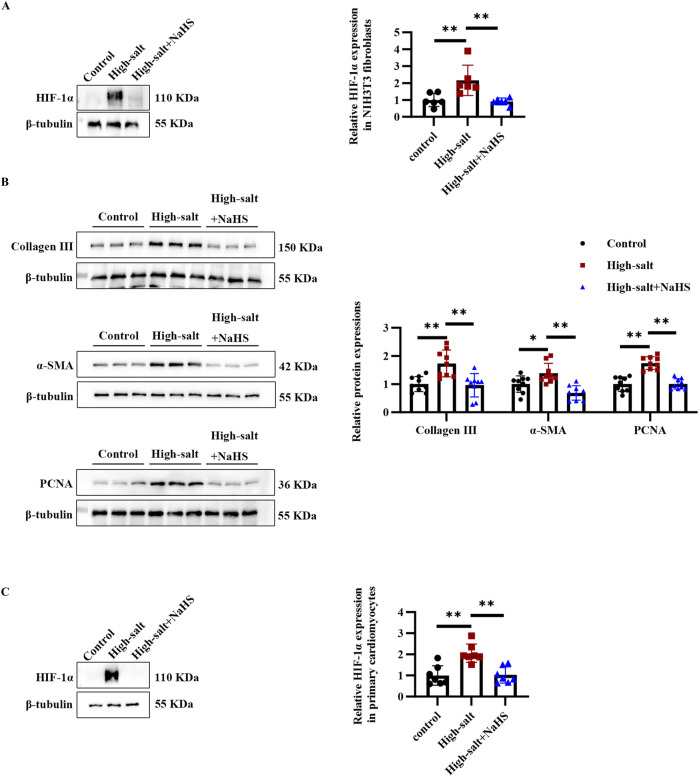 Figure 6
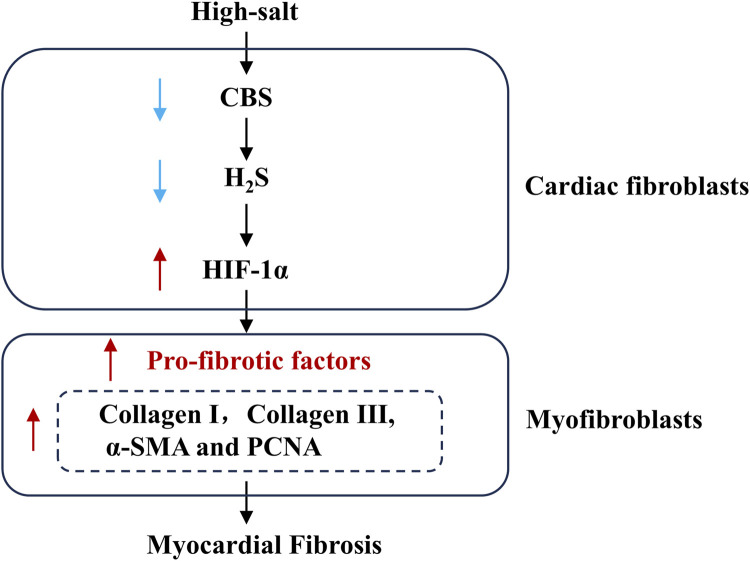 Figure 7
Peer Reviews
No public reviews on file for this paper yet. If you reviewed it on a platform where reviews are public (OpenReview, ICLR, NeurIPS, ICML), you can paste yours below so the community can read it here.
Videos
No videos yet. Explain this paper in a talk, walkthrough, or lecture? Add one.
Taxonomy
TopicsSulfur Compounds in Biology · Cardiovascular Disease and Adiposity · Electron Spin Resonance Studies