A giant angiomyolipoma arising from the hepatic round ligament: a case report and literature review
Hai-Bo Zheng, Xiang-Qian Wang, Xian-Ni Liu, Xiu-Min Han, Hai-Hong Zhu

TL;DR
This paper reports the first case of a rare liver tumor called angiomyolipoma arising from the hepatic round ligament in a young woman, highlighting the importance of accurate diagnosis for effective treatment.
Contribution
The first documented case of angiomyolipoma originating from the liver’s round ligament.
Findings
A 22-year-old woman had a 41-month history of a painless abdominal mass misdiagnosed as primary hepatic carcinoma.
Surgical excision confirmed the tumor was an angiomyolipoma arising from the liver’s round ligament.
The patient remains recurrence-free 46 months after surgery, emphasizing the importance of early detection and complete surgical removal.
Abstract
Angiomyolipoma (AML) is a type of tumor of mesenchymal origin that is most commonly found in the kidney, although it has been found in the liver in rare cases. Herein, we document the first known instance of an AML identified within the liver’s round ligament. A 22-year-old woman presented with a 41-month history of a painless abdominal mass that gradually enlarged. She was misdiagnosed with primary hepatic carcinoma 34 months prior at another hospital and received transcatheter arterial chemoembolization (TACE). After failure of TACE, computed tomography (CT) indicated possible malignant neoplasms. In our hospital, an abdominal CT scan revealed a large mass occupying the right hypochondrium but no evidence of metastatic disease. Consequently, the decision was made to proceed with surgery. During laparotomy, a large, well-defined tumor was discovered, which, surprisingly, was attached…
Genes, proteins, chemicals, diseases, species, mutations and cell lines named across the full text — each resolved to its canonical identifier and authoritative record.
Click any figure to enlarge with its caption.
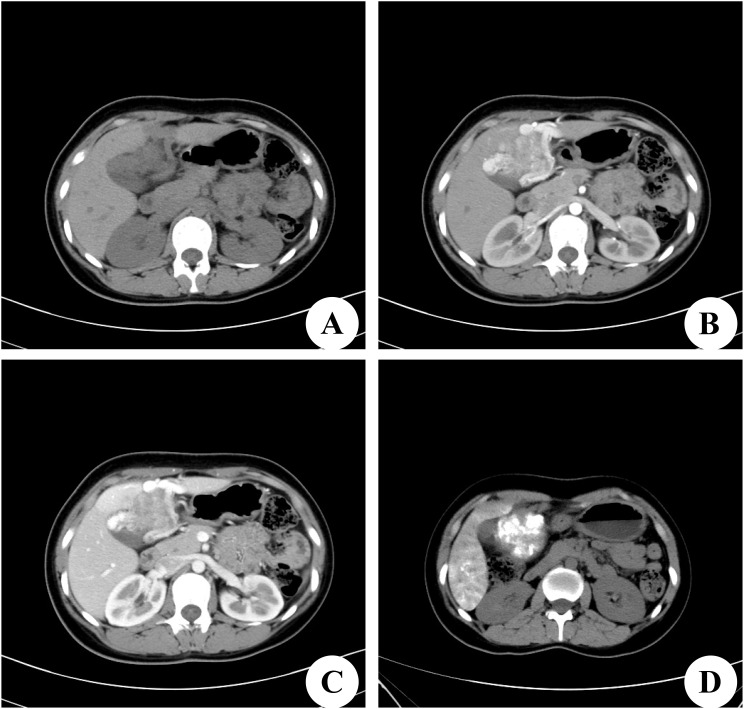 Figure 1
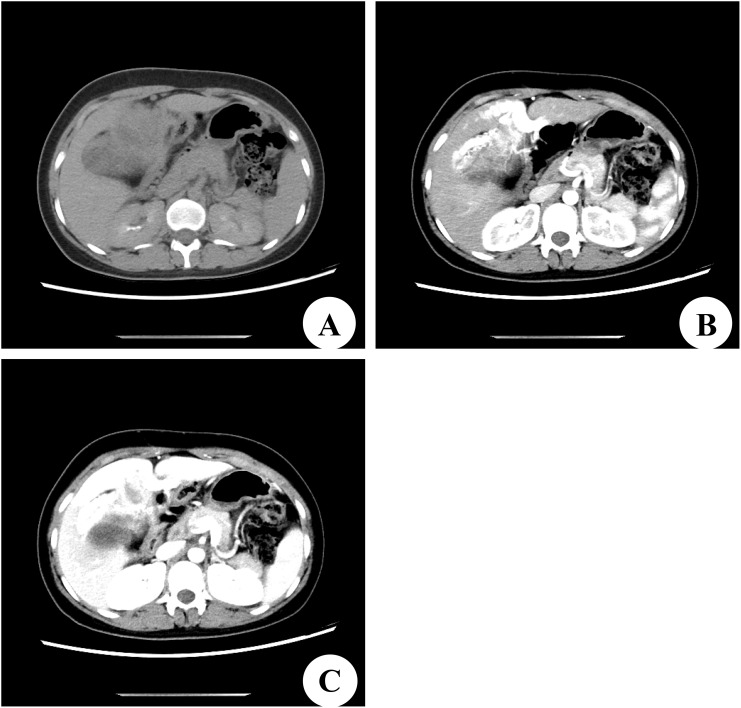 Figure 2
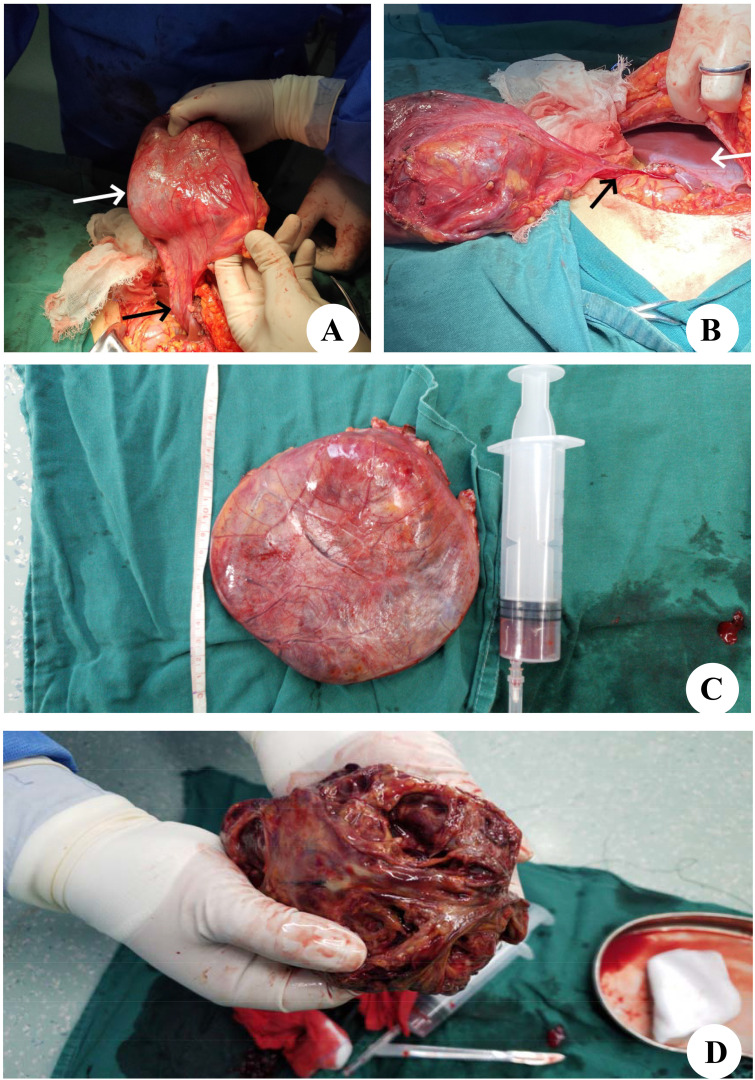 Figure 3
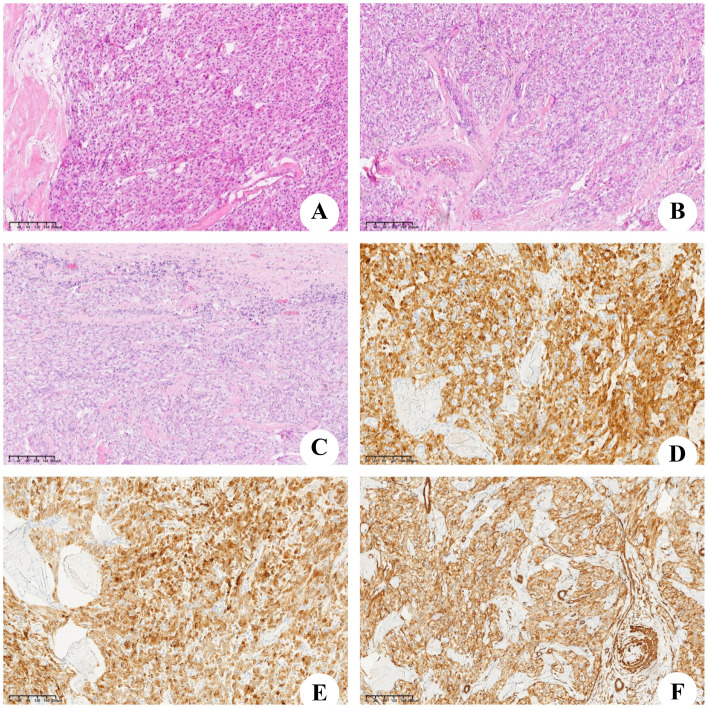 Figure 4
Peer Reviews
No public reviews on file for this paper yet. If you reviewed it on a platform where reviews are public (OpenReview, ICLR, NeurIPS, ICML), you can paste yours below so the community can read it here.
Videos
No videos yet. Explain this paper in a talk, walkthrough, or lecture? Add one.
Taxonomy
TopicsTuberous Sclerosis Complex Research