Comparative analysis of small molecule and growth factor-derived human induced pluripotent stem cell-derived hepatocyte-like cells
Faizal Z. Asumda, Shadia Alzoubi, Kiyasha Padarath, Kimya Jones, Ravindra Kolhe, Ashis Kumar Mondal, Ahmet Alptekin, Wenbo Zhi, Tae Jin Lee, Robert C. Huebert, Nathan P. Staff, Lewis R. Roberts, Lindsey A. Kirkeby

TL;DR
This study compares two methods for generating liver-like cells from stem cells and finds that one method produces more mature liver-like cells suitable for metabolism and infection studies.
Contribution
The study provides a comparative analysis of growth factor and small molecule protocols for generating hepatocyte-like cells from human iPSCs.
Findings
Growth factor-derived HLCs show mature hepatocyte morphology and gene/protein expression.
Small molecule-derived HLCs resemble liver tumor-derived cells with a dedifferentiated phenotype.
Growth factor-derived HLCs are better suited for metabolism and viral infection studies.
Abstract
The growth factor and small molecule protocol are the two primary approaches for generating human induced pluripotent stem cell-derived hepatocyte-like cells (iPSC-HLCs). We compared the efficacy of the growth factor and small molecule protocols across fifteen different human iPSC lines. Morphological assessment, relative quantification of gene expression, protein expression and proteomic studies were carried out. HLCs derived from the growth factor protocol displayed mature hepatocyte morphological features including a raised, polygonal shape with well-defined refractile borders, granular cytoplasm with lipid droplets and/or vacuoles with multiple spherical nuclei or a large centrally located nucleus; significantly elevated hepatocyte gene and protein expression including AFP, HNF4A, ALBUMIN, and proteomic and metabolic features that are more aligned with a mature phenotype. HLCs…
Genes, proteins, chemicals, diseases, species, mutations and cell lines named across the full text — each resolved to its canonical identifier and authoritative record.
Click any figure to enlarge with its caption.
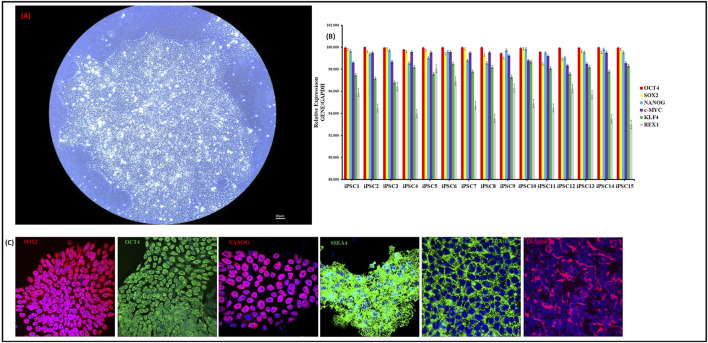 Figure 1
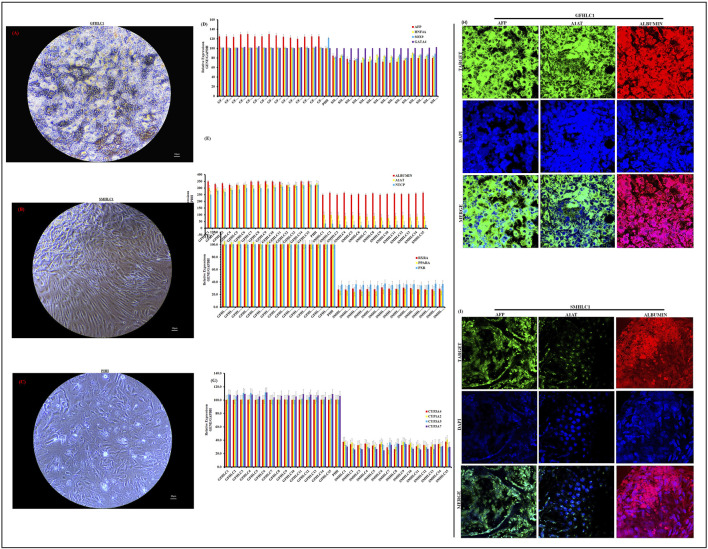 Figure 2
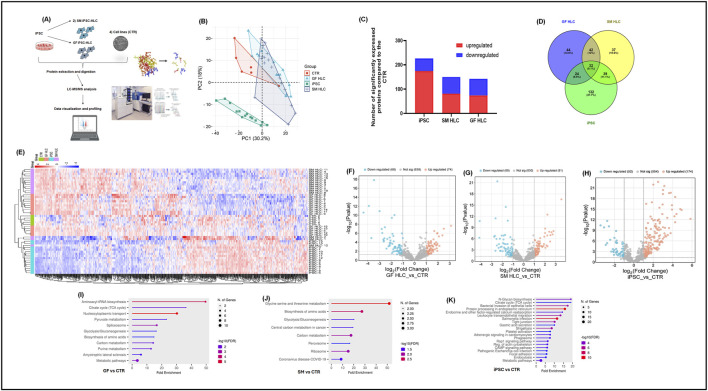 Figure 3
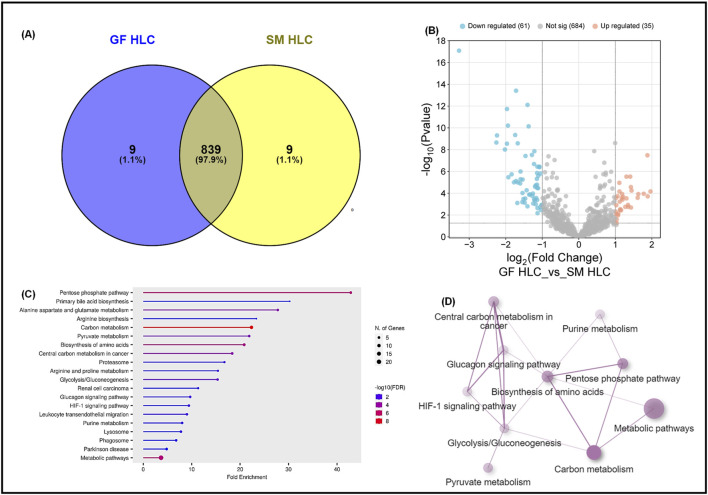 Figure 4
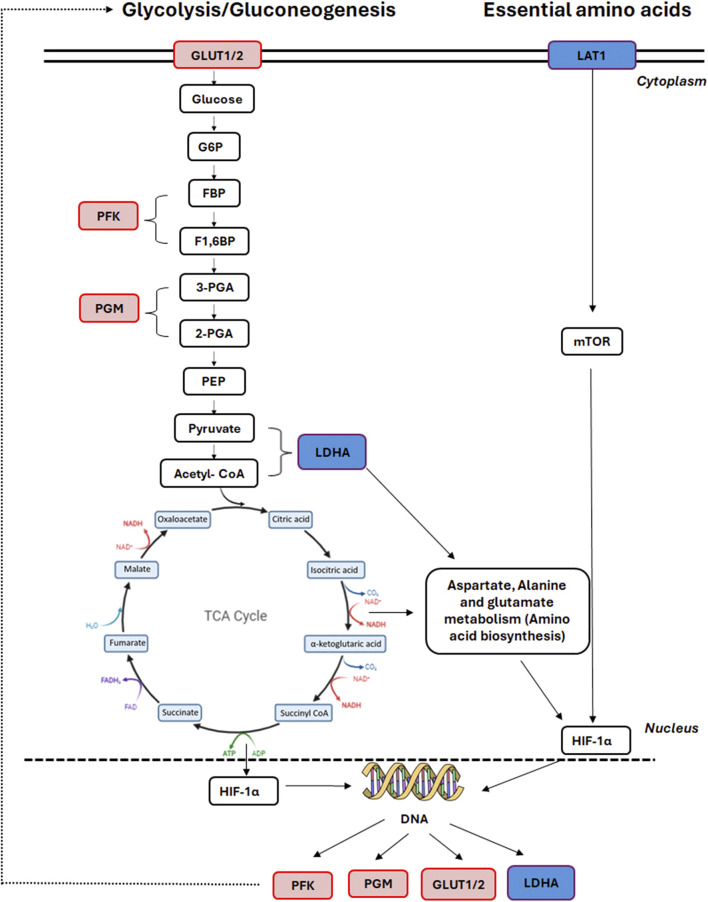 Figure 5
Peer Reviews
No public reviews on file for this paper yet. If you reviewed it on a platform where reviews are public (OpenReview, ICLR, NeurIPS, ICML), you can paste yours below so the community can read it here.
Videos
No videos yet. Explain this paper in a talk, walkthrough, or lecture? Add one.
Taxonomy
TopicsPancreatic function and diabetes · Pluripotent Stem Cells Research · Liver physiology and pathology