Detection of IgG antibody against the porcine norovirus GII.11 in human, domestic and wild animals
Jiayi Xu, Huisha Du, Junxuan Yu, Ruojun Wu, Yu Zhang, Qianxin Lu, Xin Jiang, Bingwen Zeng, Tianhui Li, Qing Chen, Ying-Chun Dai

TL;DR
This study finds evidence that a pig norovirus can infect humans and other animals, suggesting a potential zoonotic threat.
Contribution
The first detection of GII.11 PorNoV antibodies in humans and non-swine species, indicating possible zoonotic transmission.
Findings
Seroprevalence of GII.11 PorNoV IgG antibodies was detected in humans (15.2%), pigs (49.3%), dogs (30.6%), wild rats (9.5%), and bats (65.1%).
Bats showed the highest seropositivity and antibody levels compared to humans and pigs.
The findings suggest bats may act as reservoirs and challenge the assumption of strict host specificity in noroviruses.
Abstract
Zoonotic diseases pose a critical threat to global public health, with noroviruses (NoVs) increasingly recognized for their potential to cross species barriers. Traditionally, NoVs were considered host-specific; however, recent evidence suggests the possibility of interspecies transmission. This study investigates the zoonotic potential of porcine NoV (PorNoV) genotype GII.11, which shares high genetic similarity with human NoVs (HuNoVs), by detecting GII.11-specific IgG antibodies in humans and various animals using a Luciferase Immunosorbent Assay (LISA). Seroprevalence was observed in humans (15.2%), pigs (49.3%), dogs (30.6%), wild rats (9.5%), and bats (65.1%), marking the first detection of GII.11 PorNoV antibodies in humans and non-swine species. Bats exhibited the highest seropositivity and antibody levels [vs. humans (P = 0.0011) and pigs (P = 0.0164)], suggesting their…
Genes, proteins, chemicals, diseases, species, mutations and cell lines named across the full text — each resolved to its canonical identifier and authoritative record.
Click any figure to enlarge with its caption.
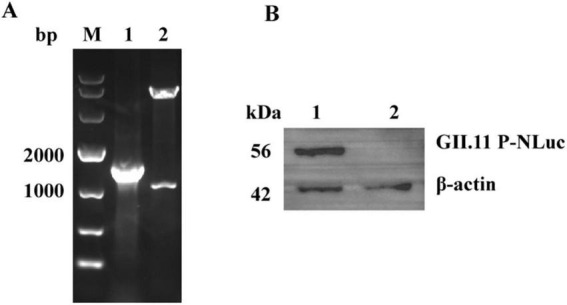 Figure 1
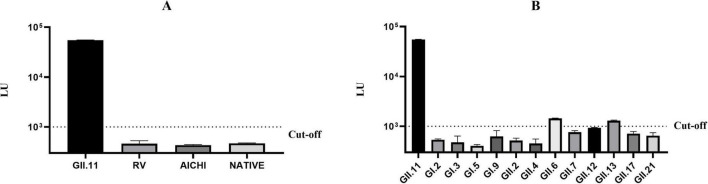 Figure 2
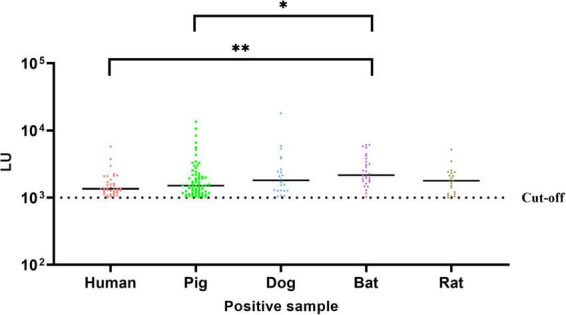 Figure 3
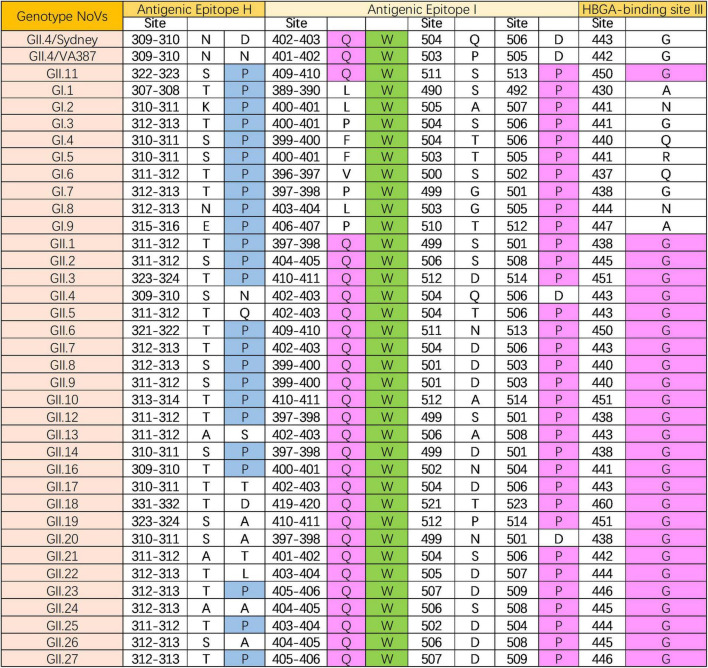 Figure 4
Peer Reviews
No public reviews on file for this paper yet. If you reviewed it on a platform where reviews are public (OpenReview, ICLR, NeurIPS, ICML), you can paste yours below so the community can read it here.
Videos
No videos yet. Explain this paper in a talk, walkthrough, or lecture? Add one.
Taxonomy
TopicsViral gastroenteritis research and epidemiology · Animal Virus Infections Studies · Virus-based gene therapy research