The OT-II model reveals dual in vitro and in vivo immunomodulatory properties of CD6 in T cell activation
Alejandra Leyton-Pereira, Irene Fernández-Delgado, María José Rodríguez-Lagunas, Cristina Català, Sergi Casadó-Llombart, Noa Beatriz Martin-Cofreces, Eugenio Bustos-Morán, Natalia Díaz-Garrido, Marta Consuegra-Fernández, Ana Cristina Calpena, Fernando Aranda

TL;DR
CD6 can both enhance and suppress T-cell activation depending on the context, which is important for developing CD6-targeted therapies.
Contribution
The study reveals CD6's dual immunomodulatory role in T-cell activation using OT-II mice models.
Findings
CD6 deficiency reduced lymphocyte activation in vitro and in vivo DTH, suggesting a negative role.
CD6 promoted T-cell activation in immunological synapse studies with dendritic cells, indicating a positive role.
CD6 functions as a dual modulator of T-cell activation depending on experimental conditions.
Abstract
CD6 is a signal transducing transmembrane glycoprotein expressed on T-cells and a subset of B and NK cells that has emerged as a promising therapeutic target in autoimmunity and cancer.The extracellular domain of CD6 interacts with endogenous (CD166/ALCAM, Galectins 1 and 3,CD318/CDCP-1 and CD44) and exogenous (Pathogen-associated Molecular Patterns) ligands, and the phosphorylatable Thr/Ser/Tyr residues of its intracellular region can dock signal transduction effectors.This, together with its physical association with the T cell receptor (TCR) complex at the immunological synapse (IS) supports a relevant immunomodulatory role for CD6 in T cell activation , differentiation and survival. However, activation or inhibitory signalling properties have been observed by CD6 contingent on different experimental settings,rendering its precise function not well understood. To ascertain CD6’s…
Genes, proteins, chemicals, diseases, species, mutations and cell lines named across the full text — each resolved to its canonical identifier and authoritative record.
Click any figure to enlarge with its caption.
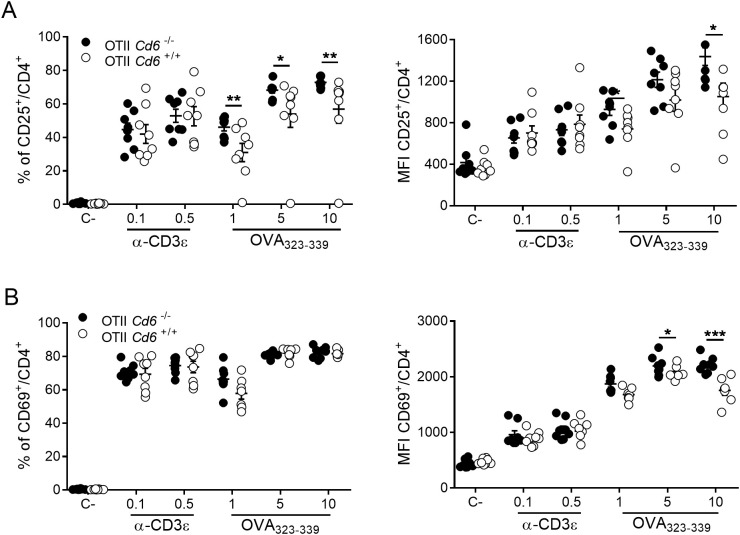 Figure 1
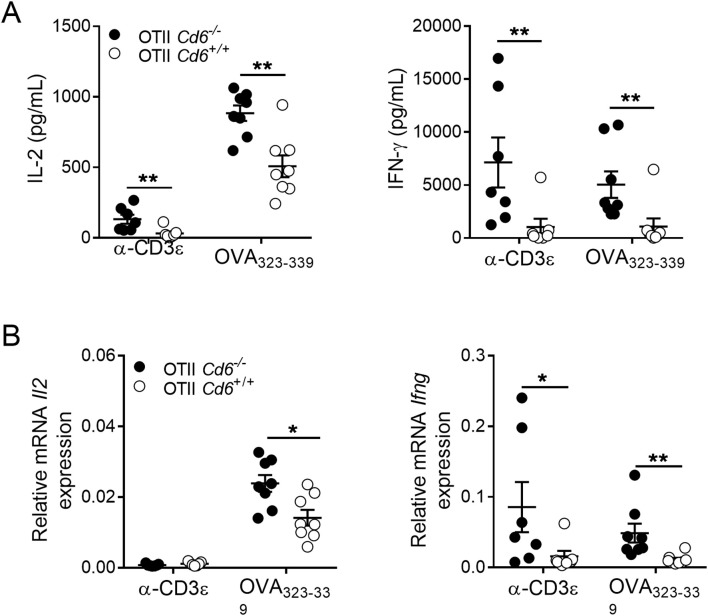 Figure 2
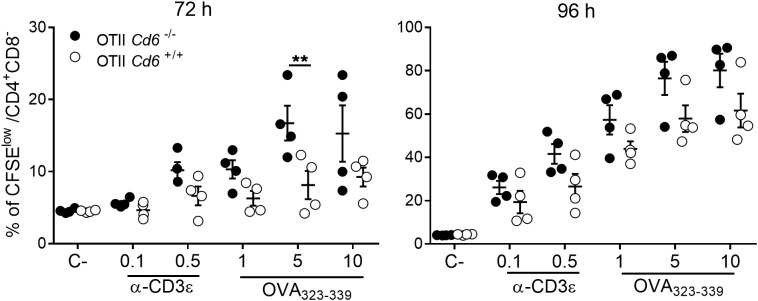 Figure 3
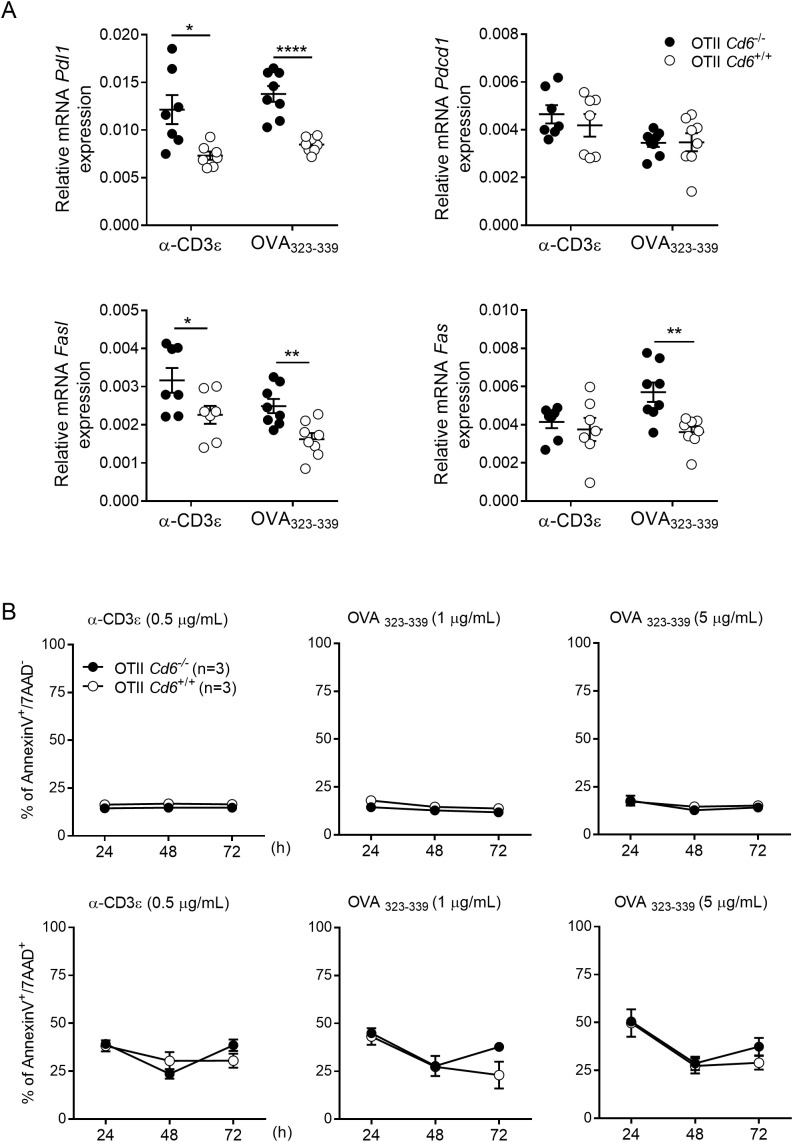 Figure 4
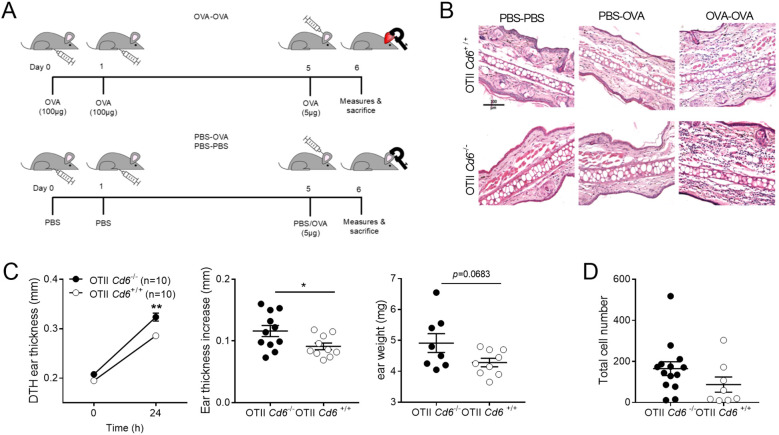 Figure 5
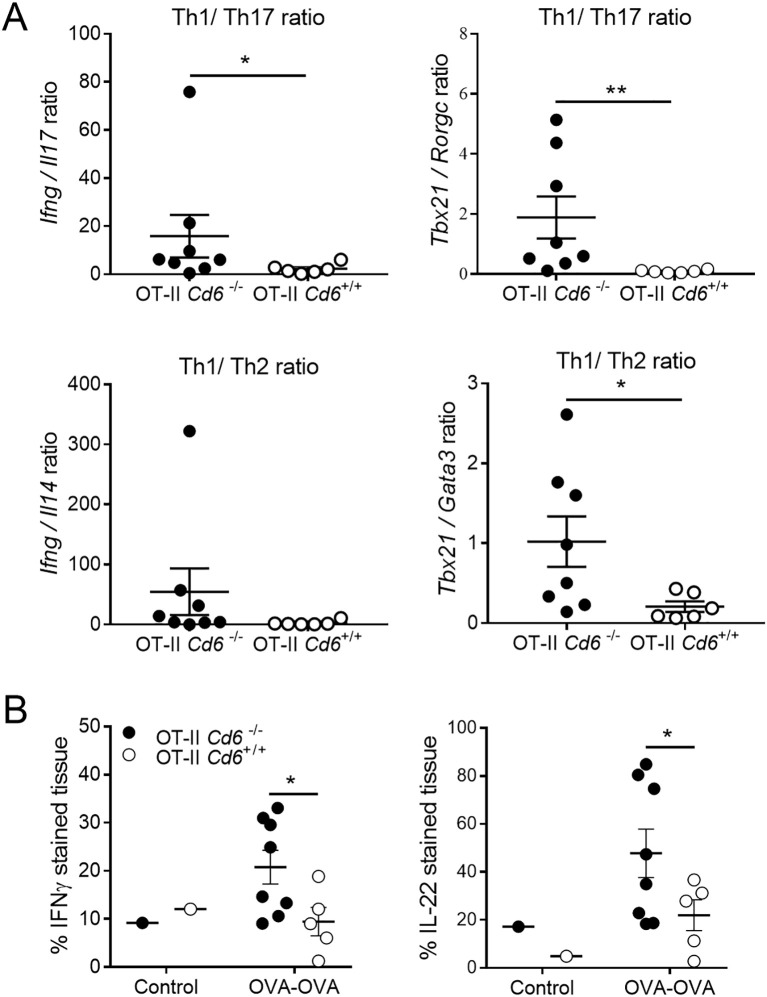 Figure 6
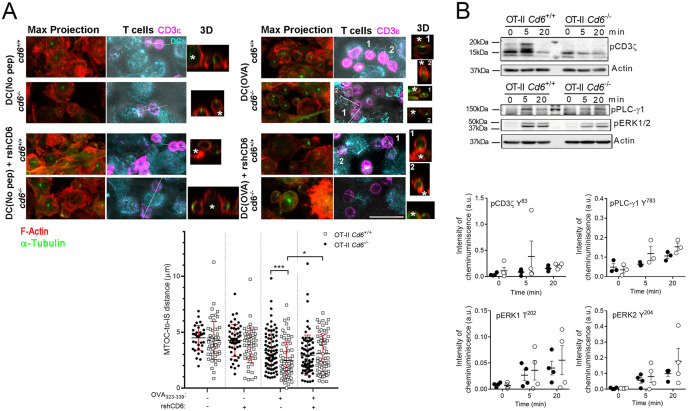 Figure 7
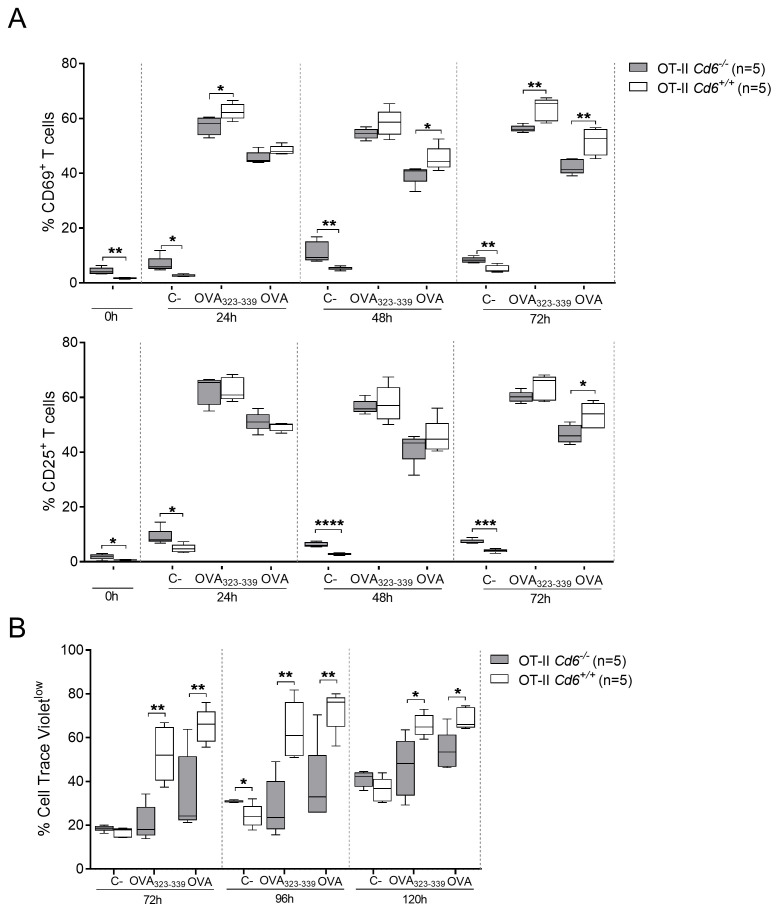 Figure 8
Peer Reviews
No public reviews on file for this paper yet. If you reviewed it on a platform where reviews are public (OpenReview, ICLR, NeurIPS, ICML), you can paste yours below so the community can read it here.
Videos
No videos yet. Explain this paper in a talk, walkthrough, or lecture? Add one.
Taxonomy
TopicsImmune Cell Function and Interaction · Galectins and Cancer Biology · Immunotherapy and Immune Responses