The influence of H. pylori infection in HER2-positive gastric cancer cell lines: insights from Wnt/β-catenin pathway
Valli De Re, Mariateresa Casarotto, Giulia Brisotto, Stefania Zanussi, Mariangela De Zorzi, Ombretta Repetto, Elena Muraro, Paola Spessotto, Paolo Baldo, Vito Racanelli, Marco Vincenzo Lenti, Marino Venerito, Matteo Fassan, Agostino Steffan, Stefano Realdon, Renato Cannizzaro

TL;DR
This study explores how virulent H. pylori strains affect HER2-positive gastric cancer cells, particularly in relation to DNA repair and immune evasion.
Contribution
The study reveals how H. pylori infection alters DNA repair and immune signals in HER2+ gastric cancer cells, potentially impacting trastuzumab resistance and immunotherapy response.
Findings
HV-HP infection reduces MSH6 mRNA and increases PDCD1LG2, suggesting impaired DNA repair and enhanced immunosuppression.
HER2 amplification correlates with TP53, but this is independent of H. pylori infection.
TRAS resistance in N87 cells is linked to a reduced CDH1/SNAI ratio.
Abstract
The impact of H. pylori infection on the efficacy of trastuzumab in HER2-positive gastric cancer (GC) remains poorly understood, despite growing evidence that tumor microenvironment and host-pathogen interactions influence therapeutic outcomes. This study aimed to investigate how H. pylori strains of differing virulence, one high (HV-HP) and one low (LV-HP), affect GC cell behavior, particularly in the context of ERBB2 (HER2) amplification and Trastuzumab (TRAS)-resistance. We used the HER2-amplified NCI-N87 GC cell line, alongside four non-HER2-amplified cell lines (AGS, SNU-1, SNU-16 and SNU-5), to examine the impact of infection. TRAS-resistant derivative cells (N87R) were generated by gradual exposure of the sensitive parental N87 cells (N87p) to increasing TRAS concentrations. Both N87R and N87p cells were infected with HV-HP and LV-HP strains and then treated with epidermal…
Genes, proteins, chemicals, diseases, species, mutations and cell lines named across the full text — each resolved to its canonical identifier and authoritative record.
Click any figure to enlarge with its caption.
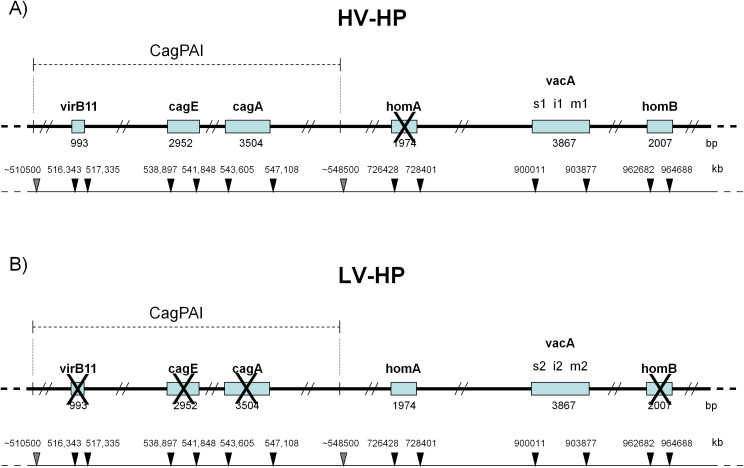 Figure 1
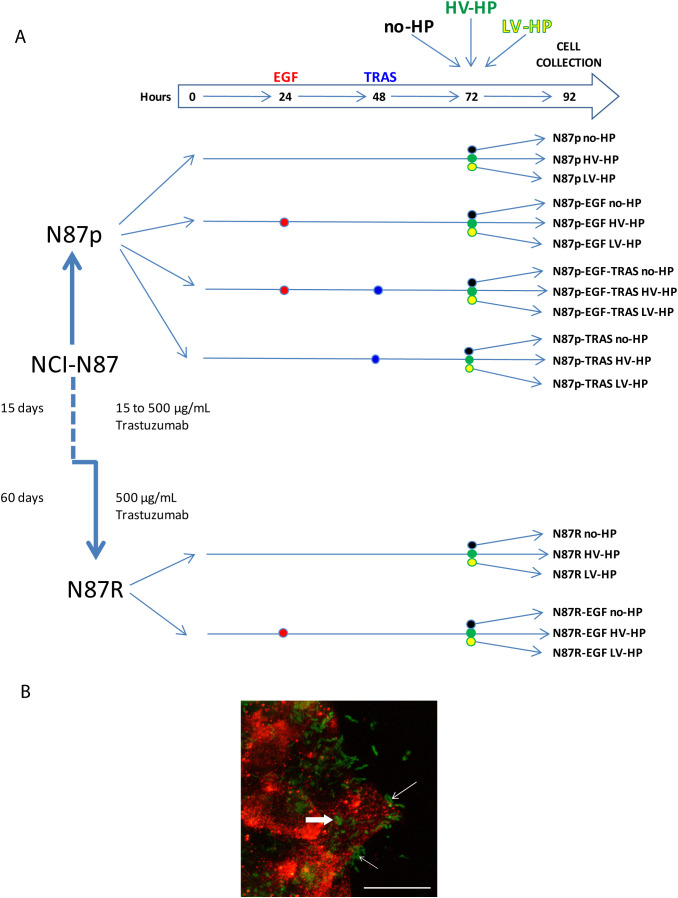 Figure 2
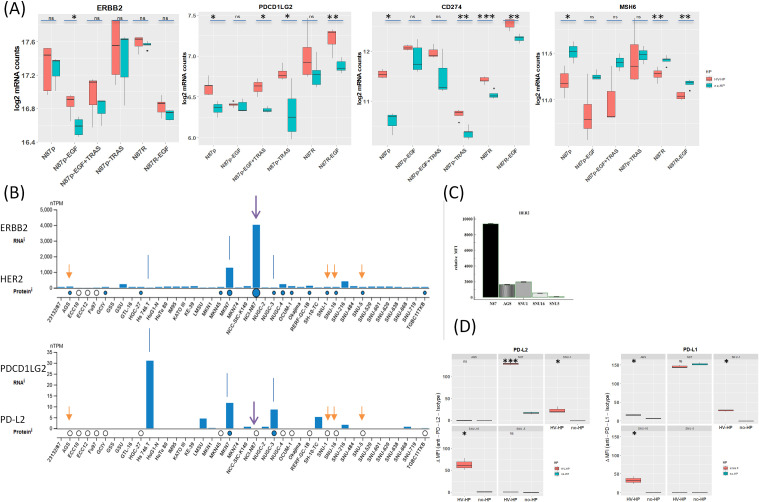 Figure 3
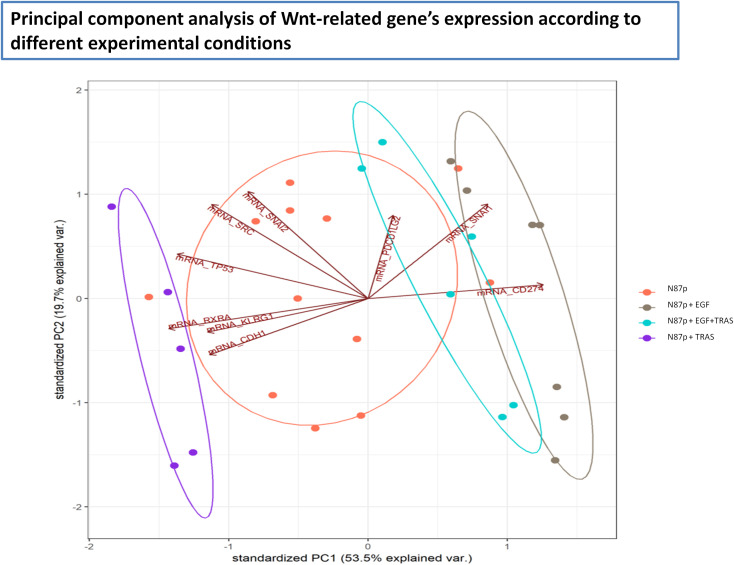 Figure 4
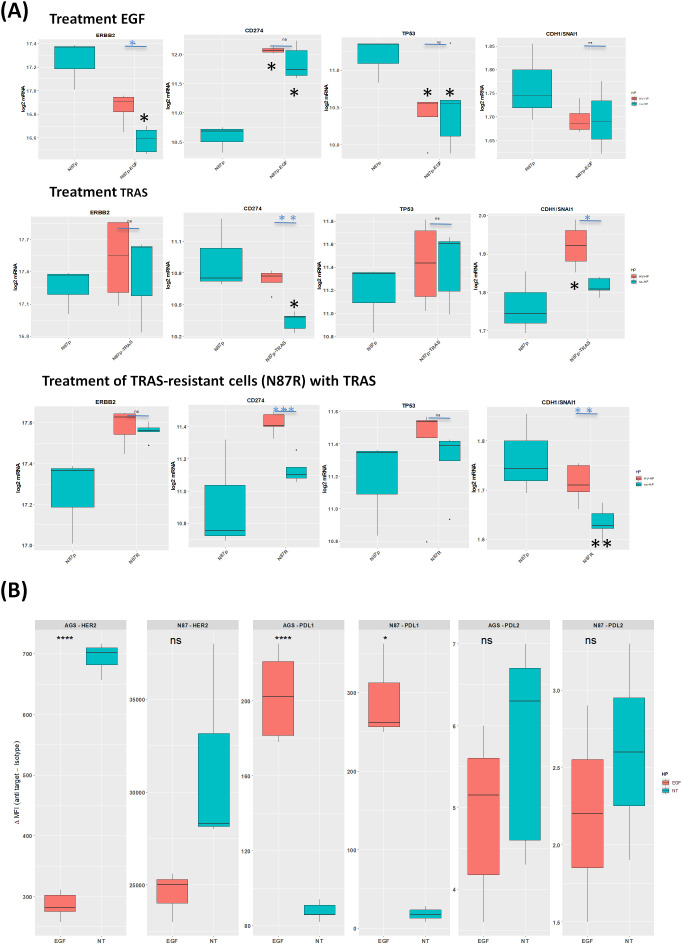 Figure 5
Peer Reviews
No public reviews on file for this paper yet. If you reviewed it on a platform where reviews are public (OpenReview, ICLR, NeurIPS, ICML), you can paste yours below so the community can read it here.
Videos
No videos yet. Explain this paper in a talk, walkthrough, or lecture? Add one.
Taxonomy
TopicsHelicobacter pylori-related gastroenterology studies · Gastric Cancer Management and Outcomes · Galectins and Cancer Biology