Exploring the association between circadian rhythms and osteoporosis: new diagnostic and therapeutic targets identified via machine learning
Jian Du, Tian Zhou, Ran Meng, Wei Zhang, Jin Zhou, Wei Peng

TL;DR
This study uses machine learning to find new biomarkers linking circadian rhythms and osteoporosis, offering potential for early diagnosis and treatment.
Contribution
Novel circadian rhythm-related biomarkers for osteoporosis identified using machine learning and bioinformatics.
Findings
140 circadian rhythm-related differentially expressed genes were identified in osteoporosis.
Five key genes (ECE1, FLT3, APPL1, RAB5C, FCGR2A) showed high diagnostic performance with AUC of 0.904 and 0.887.
Immune cell infiltration analysis revealed altered immune profiles in osteoporosis patients.
Abstract
Osteoporosis (OP) is a systemic metabolic bone disease that may increase the risk of disability or death. Increasing evidence suggests that circadian rhythms play an important role in OP, yet the specific mechanisms remain unclear. Therefore, this study aims to utilize bioinformatics and machine learning algorithms to identify novel diagnostic biomarkers related to the circadian rhythm in OP, providing new targets for early diagnosis and treatment of OP. The OP dataset GSE56815 was downloaded from the GEO database, differential expression analysis was performed to identify differentially expressed genes (DEGs) between OP and control samples. DEGs were intersected with circadian rhythm-related genes (CRRGs) to obtain circadian rhythm-related differentially expressed genes (CRRDEGs), which were subjected to Gene Ontology (GO) and Kyoto Encyclopedia of Genes and Genomes (KEGG) enrichment…
Genes, proteins, chemicals, diseases, species, mutations and cell lines named across the full text — each resolved to its canonical identifier and authoritative record.
Click any figure to enlarge with its caption.
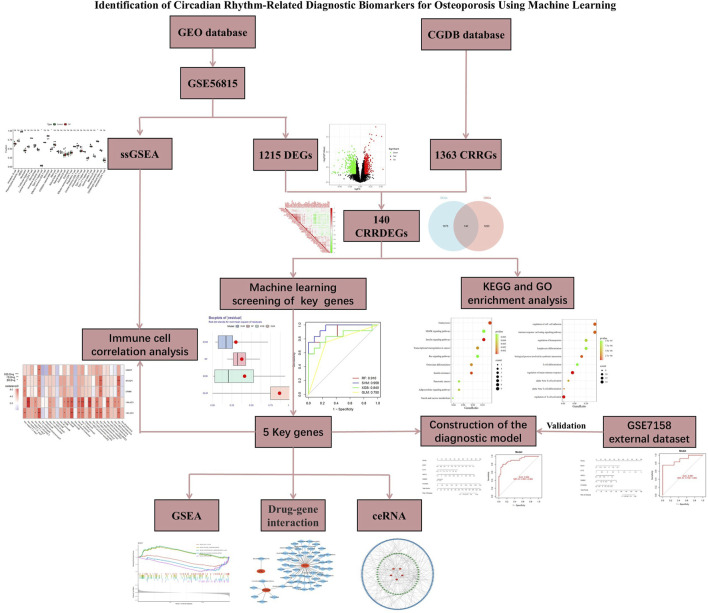 Figure 1
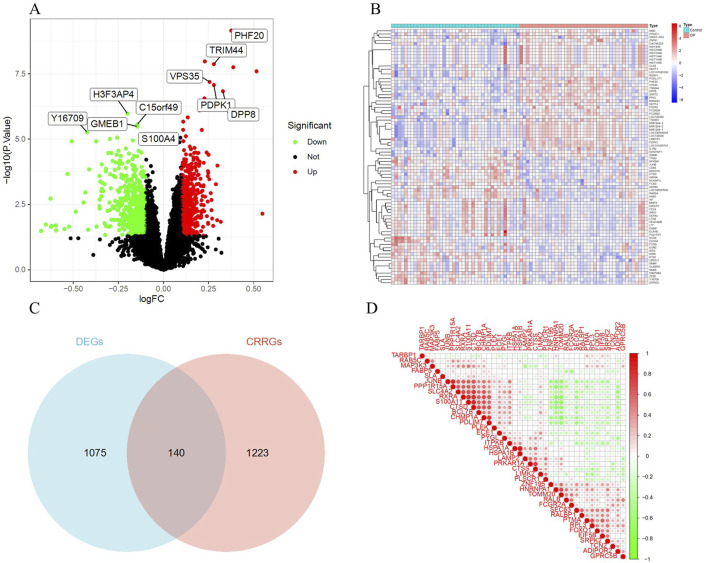 Figure 2
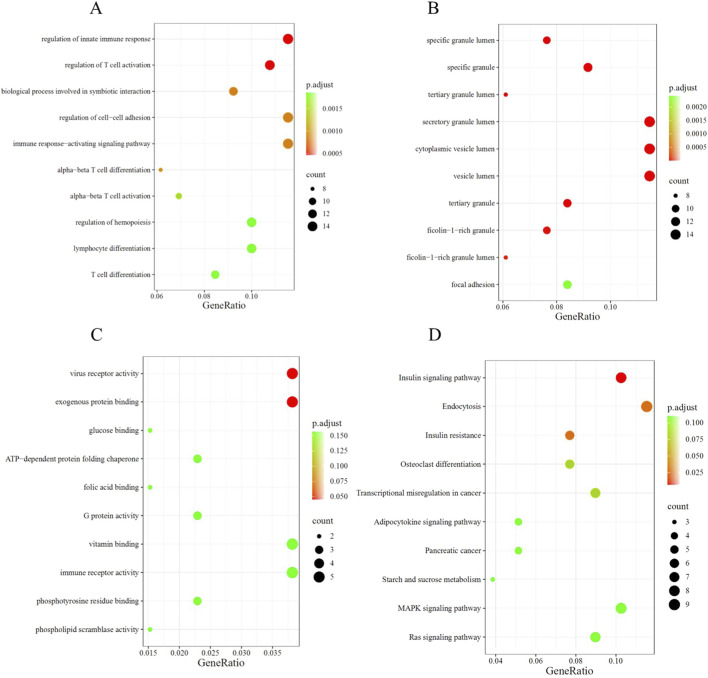 Figure 3
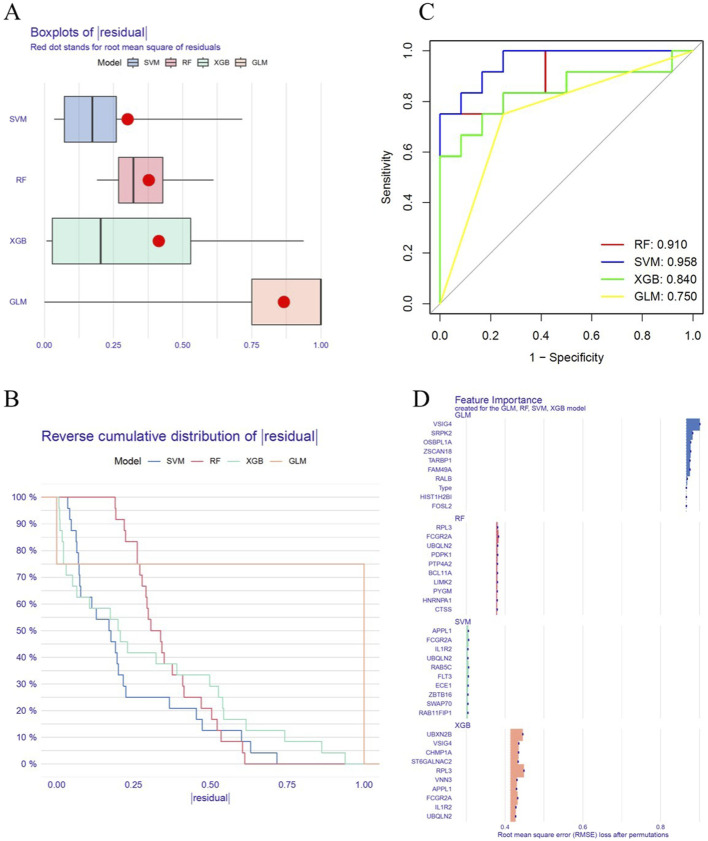 Figure 4
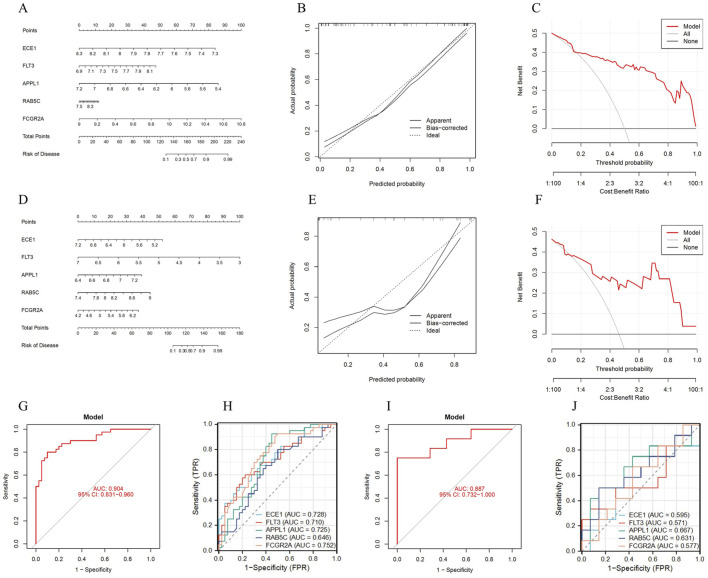 Figure 5
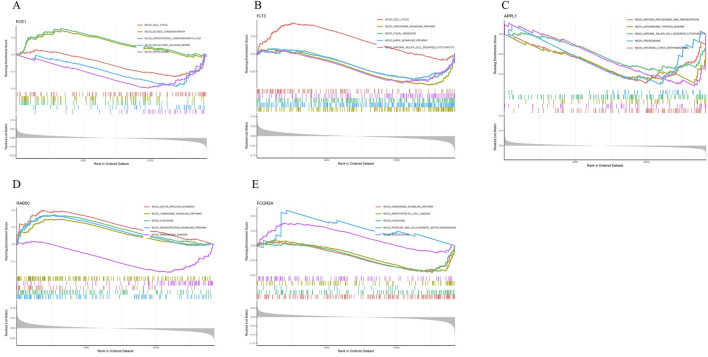 Figure 6
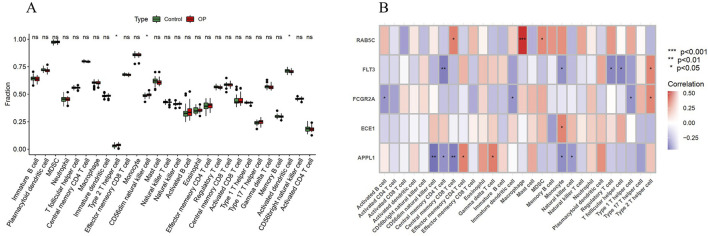 Figure 7
 Figure 8
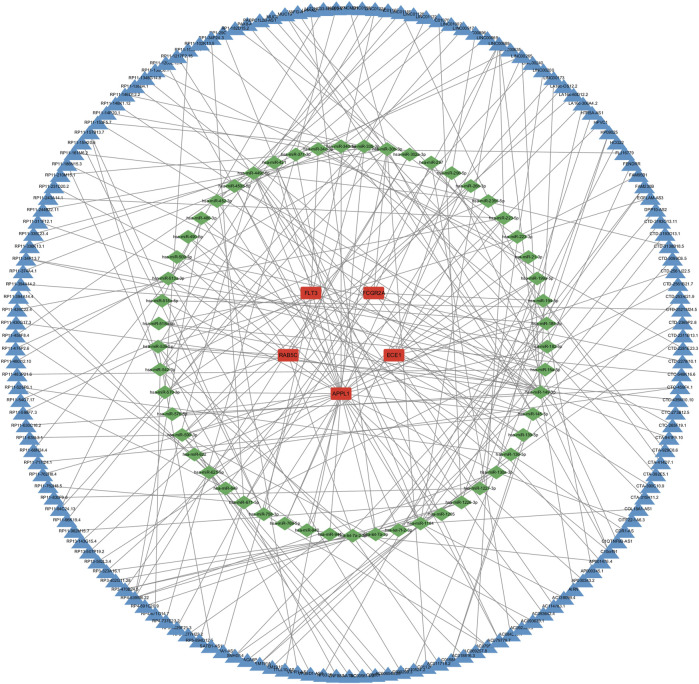 Figure 9
Peer Reviews
No public reviews on file for this paper yet. If you reviewed it on a platform where reviews are public (OpenReview, ICLR, NeurIPS, ICML), you can paste yours below so the community can read it here.
Videos
No videos yet. Explain this paper in a talk, walkthrough, or lecture? Add one.
Taxonomy
TopicsBirth, Development, and Health · Glutathione Transferases and Polymorphisms · Genetic Associations and Epidemiology