Network pharmacology and UHPLC-HRMS reveal the mechanism of QSFZYL and BMSCs overexpressing IFN-γ against lung adenocarcinoma
Zhen Lv, MingXuan Liu, YingYing Yang, YaHui Xie, YiHong Tian, XiangNing Xu, YinDi Wang, XingMing Wei, DongJing Ma, XueJiao Tian, JianJun Wu

TL;DR
This study explores how a traditional Chinese medicine, QSFZYL, combined with IFN-γ, may help treat lung adenocarcinoma by affecting immune response and cancer pathways.
Contribution
The novel contribution is identifying QSFZYL's mechanism in LUAD via network pharmacology and UHPLC-HRMS, combined with IFN-γ's role in suppressing tumor growth.
Findings
QSFZYL combined with IFN-γ significantly inhibited LUAD growth and promoted CD3 and CD8 T cell infiltration.
The JAK2/STAT3 signaling pathway and PD-L1 expression were downregulated by the treatment.
26 differential components in QSFZYL were identified, including astragalus lysine alkaloids and flavonoids.
Abstract
Lung cancer is a significant public health concern in China, posing a serious threat to the population. The QiShenFuZhengYiLiu (QSFZYL) is commonly prescribed as a complementary treatment for cancer patients, although its anticancer mechanism remains unclear. The purpose of this study was to explore the therapeutic mechanisms of QSFZYL in lung adenocarcinoma (LUAD). The mechanism of QSFZYL for treating LUAD was analyzed using comprehensive network pharmacology and UHPLC-HRMS, combined with experimental validation (in vivo). Network pharmacology analysis suggested that the therapeutic effects of QSFZYL on LUAD may involve the JAK/STAT signaling pathway. UHPLC-HRMS identified 26 differential components, with representative compounds including astragalus lysine alkaloids, monoterpenoids, isoflavonoids, and flavonoids. In vivo experiments demonstrated that QSFZYL combined with IFN-γ…
Genes, proteins, chemicals, diseases, species, mutations and cell lines named across the full text — each resolved to its canonical identifier and authoritative record.
Click any figure to enlarge with its caption.
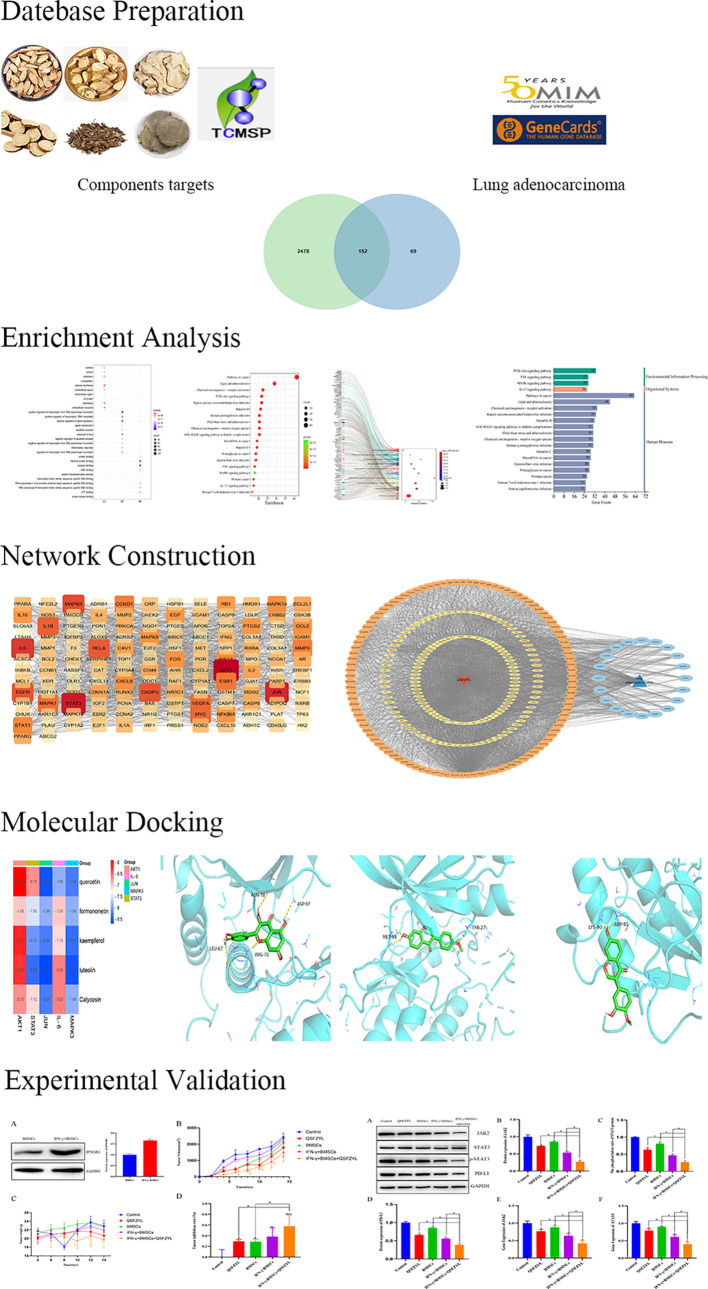 Figure 1
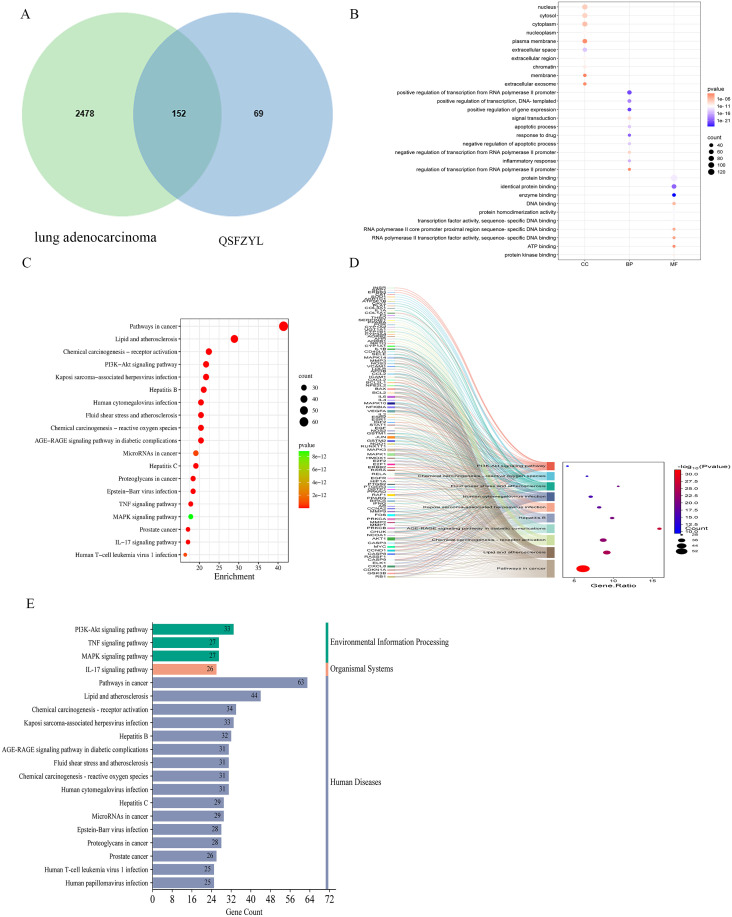 Figure 2
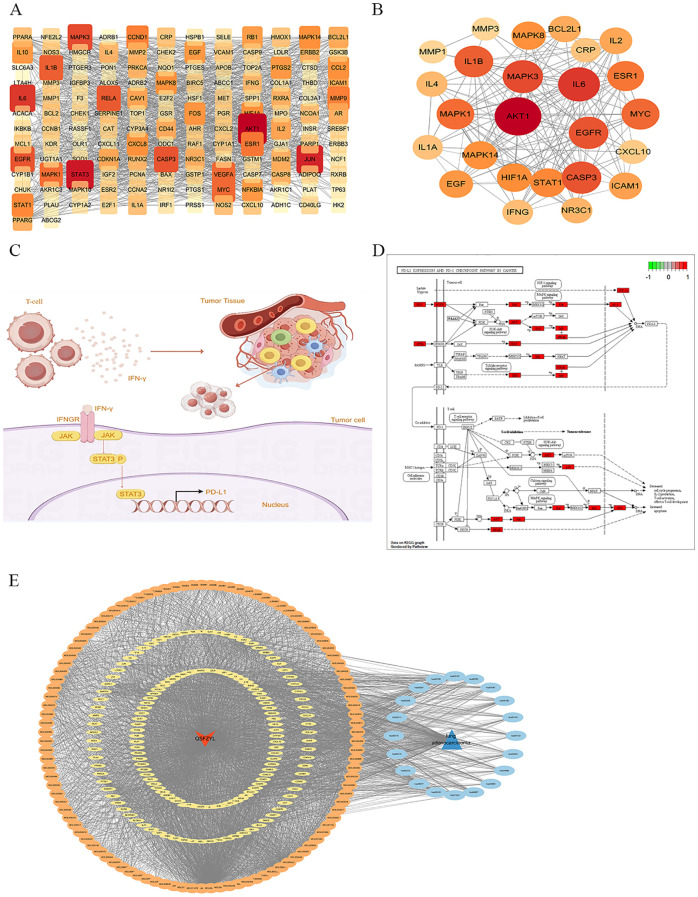 Figure 3
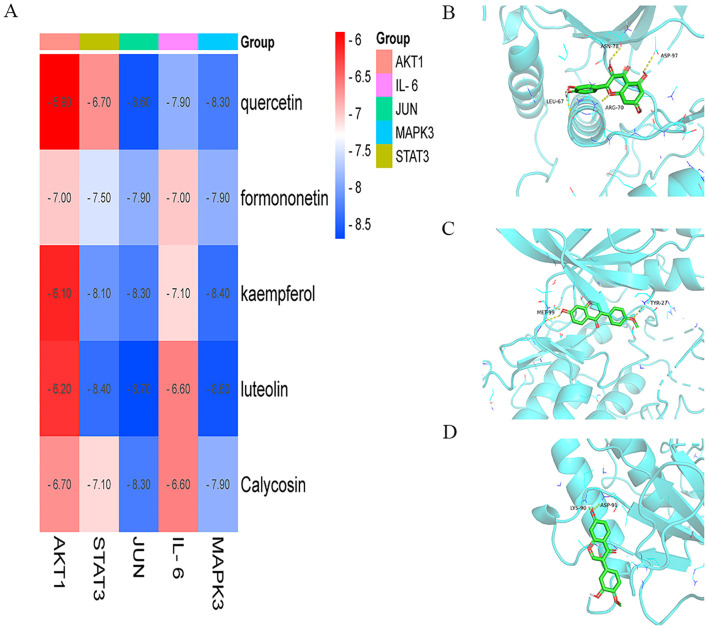 Figure 4
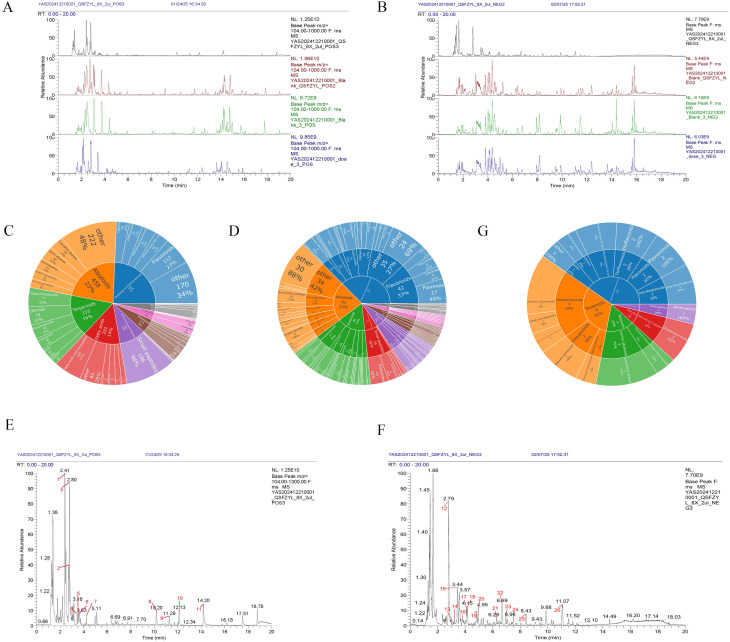 Figure 5
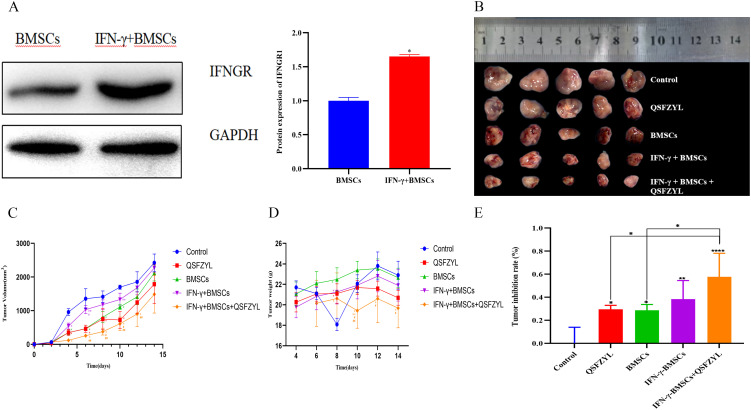 Figure 6
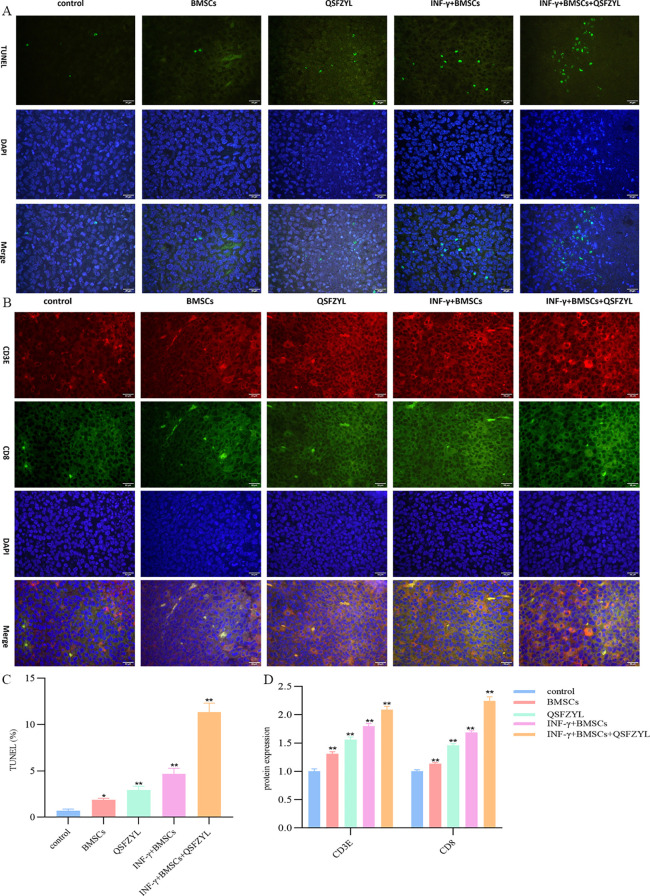 Figure 7
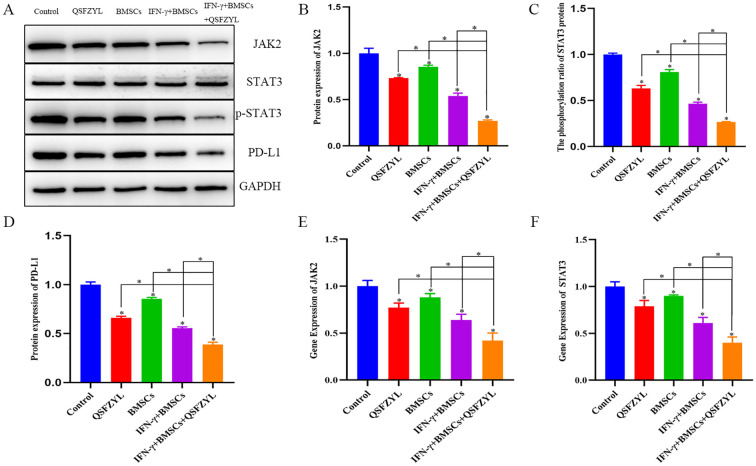 Figure 8
Peer Reviews
No public reviews on file for this paper yet. If you reviewed it on a platform where reviews are public (OpenReview, ICLR, NeurIPS, ICML), you can paste yours below so the community can read it here.
Videos
No videos yet. Explain this paper in a talk, walkthrough, or lecture? Add one.
Taxonomy
TopicsPharmacological Effects of Natural Compounds · Ginseng Biological Effects and Applications · Cytokine Signaling Pathways and Interactions