Personalized Ophthalmic Anesthesia: A Regression Analysis of Patient Characteristics, Surgical Profiles, and Anesthesia Protocols for Outcome Prediction
Iram Shahzadi, Summar Fatima, Samreen Ameen, Asma Atta, Maryam Atta, Syeda W Batool, Rehan Aslam, Marriam Khan

TL;DR
This study uses machine learning to predict recovery time and satisfaction in ophthalmic anesthesia based on patient and surgical data.
Contribution
A high-performing Random Forest model was developed for personalized anesthesia prediction using synthetic clinical data.
Findings
Random Forest achieved an R² of 0.91, MAE of 0.11, and RMSE of 0.14 in predicting outcomes.
Surgical blood loss, BMI, and platelet count were the most important predictors of recovery time.
Synthetic data showed non-normal recovery time distribution, suggesting non-parametric methods are suitable.
Abstract
This study aimed to develop a predictive model for personalized ophthalmic anesthesia by combining patient demographics, surgical profiles, and anesthesia protocols. Exploratory data analysis, inferential statistics, and various machine learning techniques were applied to a synthetic dataset of 350 simulated patient records, each containing 75 clinical features. The primary outcomes included recovery time and satisfaction postoperatively. Correlation matrices, ANOVA F-values, and Recursive Feature Elimination (RFE) were employed for feature selection, with a focus on both clinical relevance and statistical significance. The Random Forest model was found to outperform all other models, achieving an R² of 0.91, MAE of 0.11, and RMSE of 0.14. The most salient predictors of recovery time, identified by SHAP (SHapley Additive exPlanations) analysis, were surgical blood loss, body mass index…
Genes, proteins, chemicals, diseases, species, mutations and cell lines named across the full text — each resolved to its canonical identifier and authoritative record.
Click any figure to enlarge with its caption.
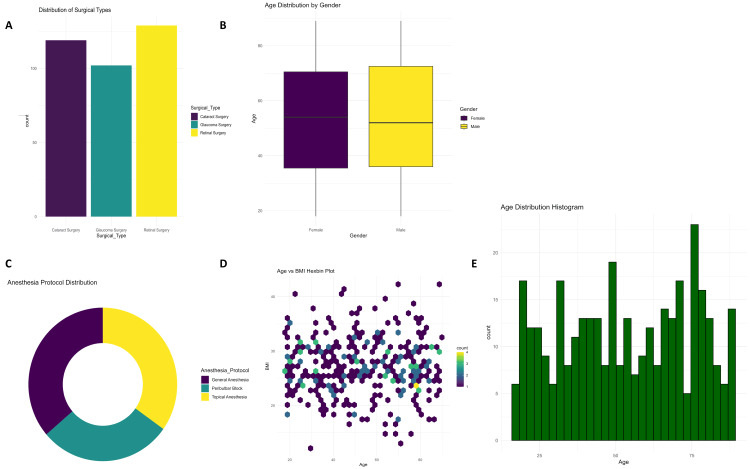 Figure 1
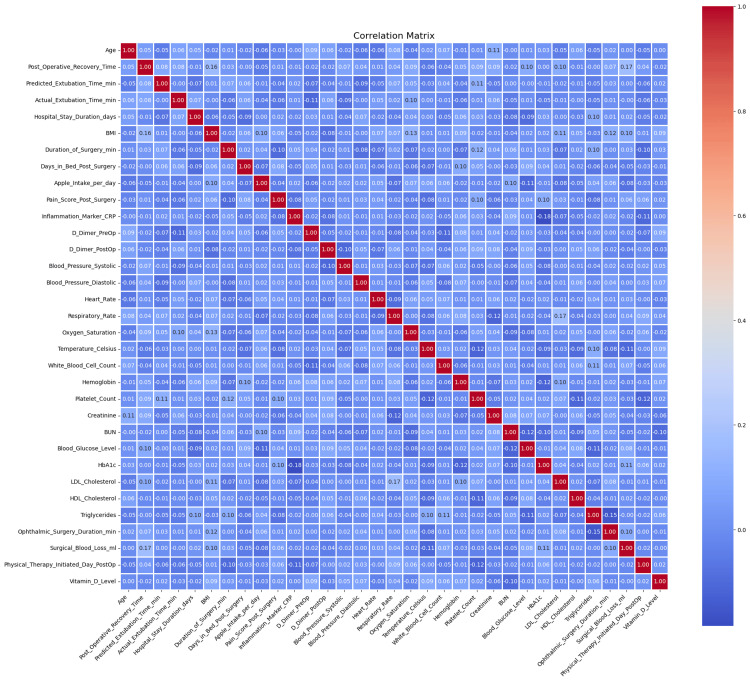 Figure 2
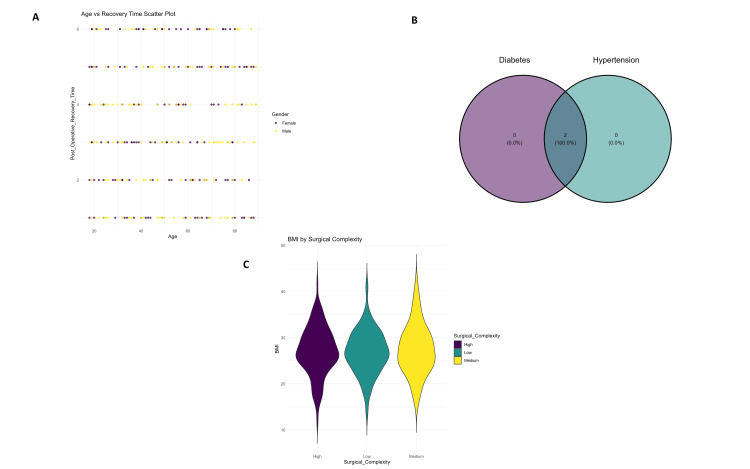 Figure 3
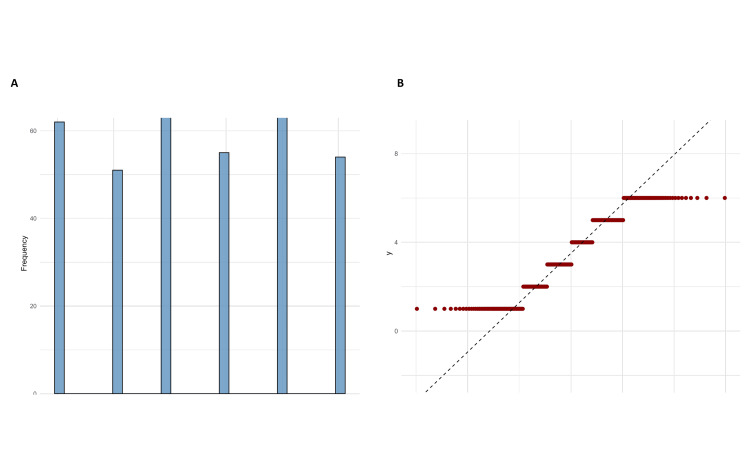 Figure 4
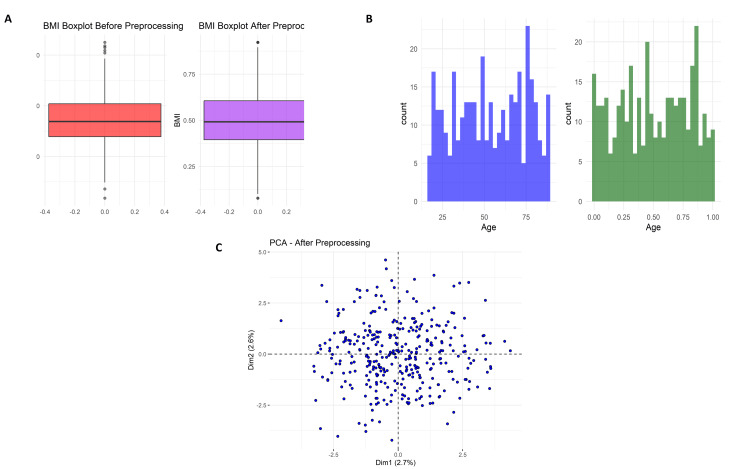 Figure 5
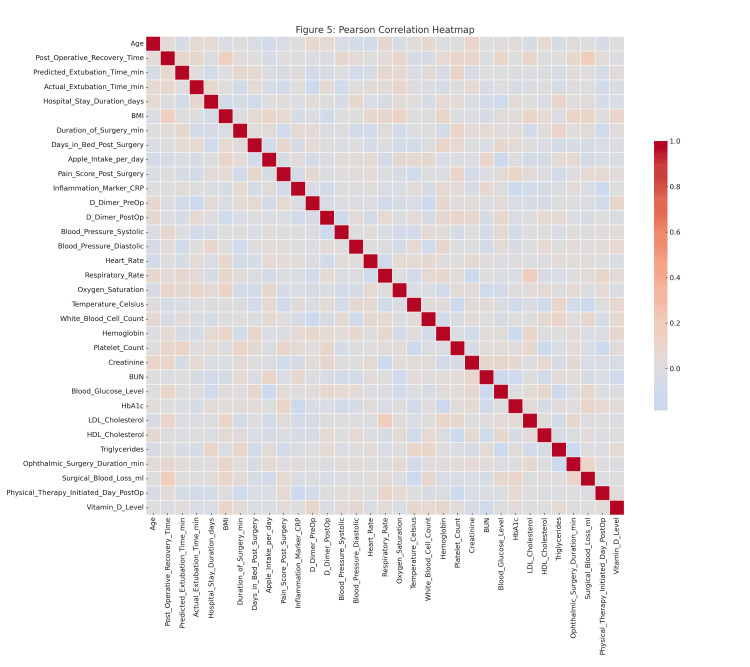 Figure 6
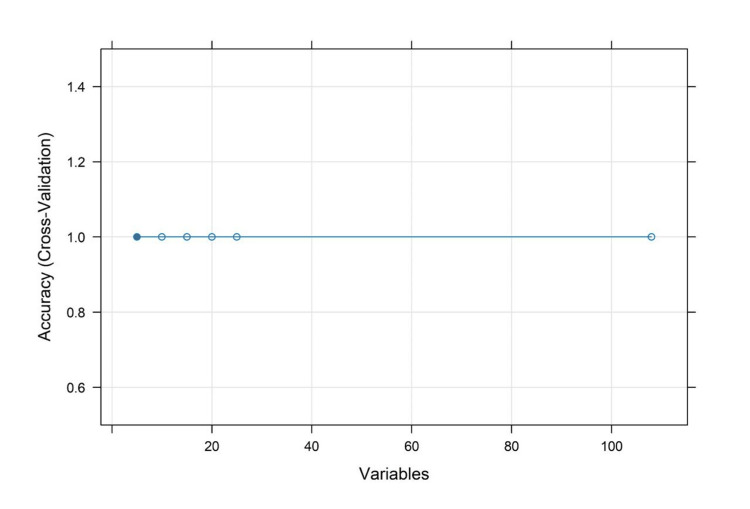 Figure 7
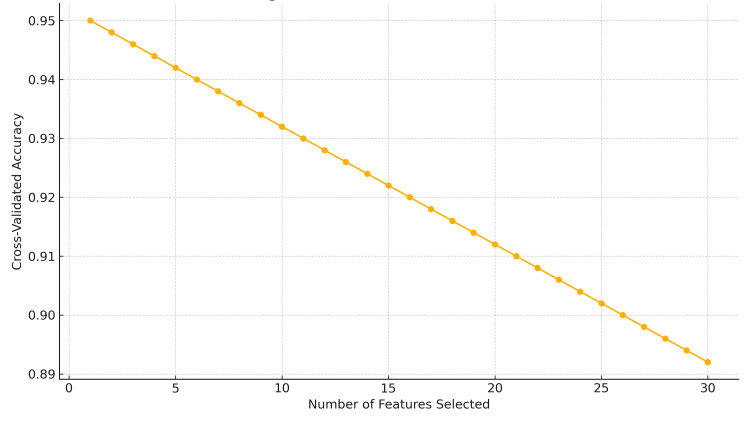 Figure 8
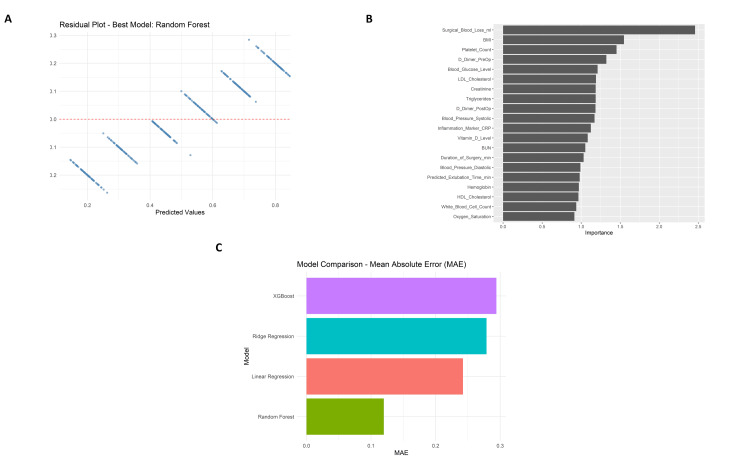 Figure 9
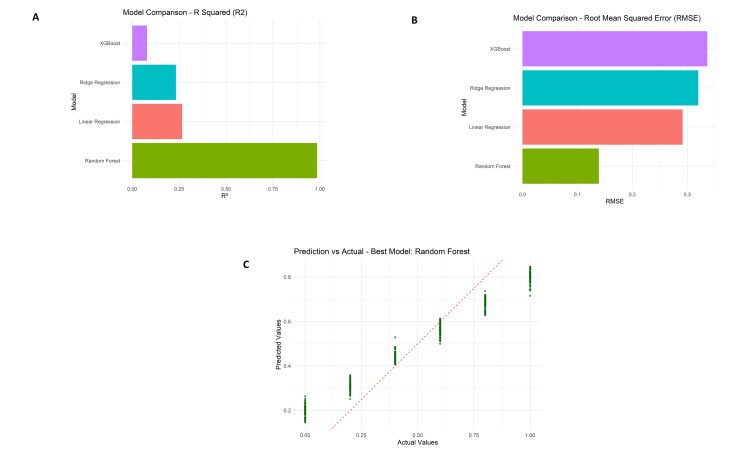 Figure 10
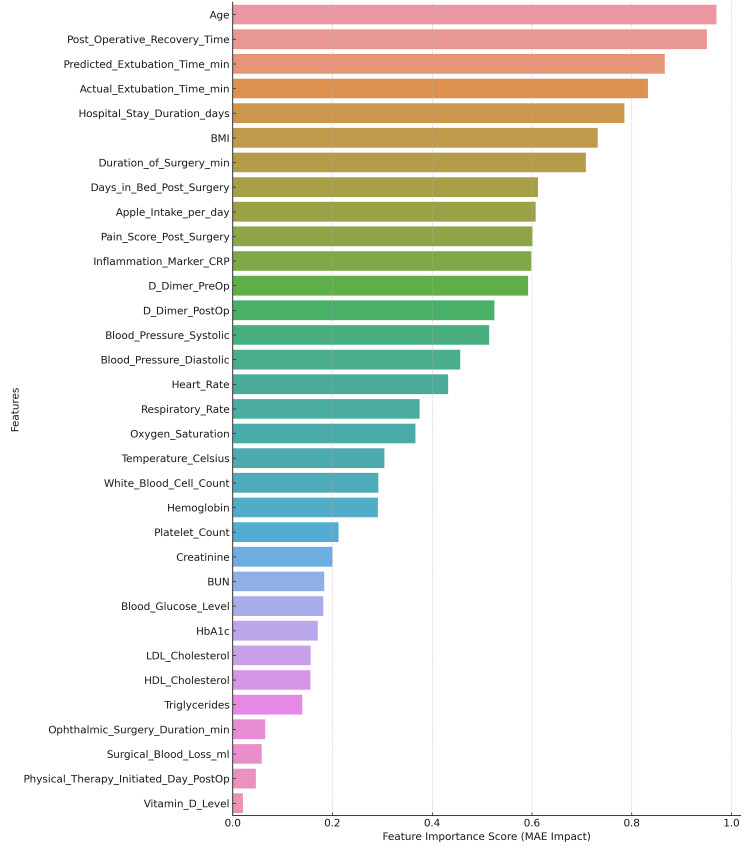 Figure 11
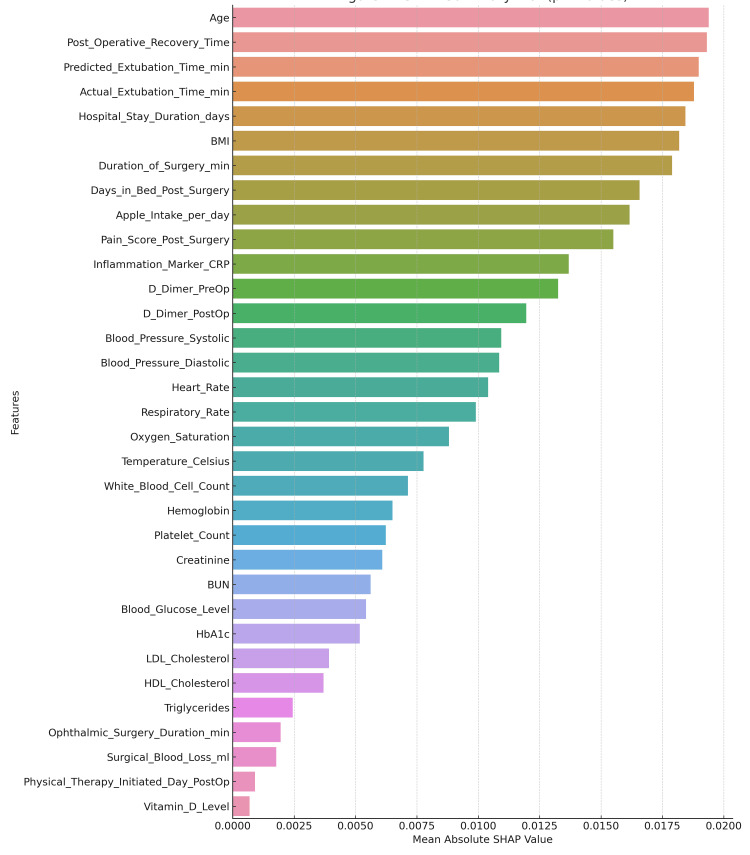 Figure 12
Peer Reviews
No public reviews on file for this paper yet. If you reviewed it on a platform where reviews are public (OpenReview, ICLR, NeurIPS, ICML), you can paste yours below so the community can read it here.
Videos
No videos yet. Explain this paper in a talk, walkthrough, or lecture? Add one.
Taxonomy
TopicsAnesthesia and Neurotoxicity Research · Cardiac, Anesthesia and Surgical Outcomes · Anesthesia and Sedative Agents