The Road Not Taken: Endoscopic Management of an Unexpected Enteric Biliary Fistula
Raahi Patel, Varshita Goduguchinta, Shil Punatar, Zohair Ahmed

TL;DR
This case report describes a rare anatomical variation where a biliary fistula was used to perform an ERCP for ascending cholangitis.
Contribution
The paper presents a novel approach to ERCP using a choledochoduodenal fistula as an access point.
Findings
A choledochoduodenal fistula was successfully used for ERCP in a patient with ascending cholangitis.
The case highlights the importance of recognizing rare anatomical variations in biliary disease management.
Abstract
Ascending cholangitis represents an endoscopic emergency demanding prompt recognition and intervention, typically via endoscopic retrograde cholangiopancreatography (ERCP). While routine ERCP access is achieved through the major papilla in the duodenum, this case highlights a unique anatomical variation: a choledochoduodenal fistulous tract in an 81-year-old male presenting with ascending cholangitis. Notably, the ERCP was successfully performed by utilizing this fistulous tract as the primary access point for intervention. This case underscores the importance of recognizing such rare anatomical anomalies in biliary diseases and their implications for endoscopic management.
Genes, proteins, chemicals, diseases, species, mutations and cell lines named across the full text — each resolved to its canonical identifier and authoritative record.
Click any figure to enlarge with its caption.
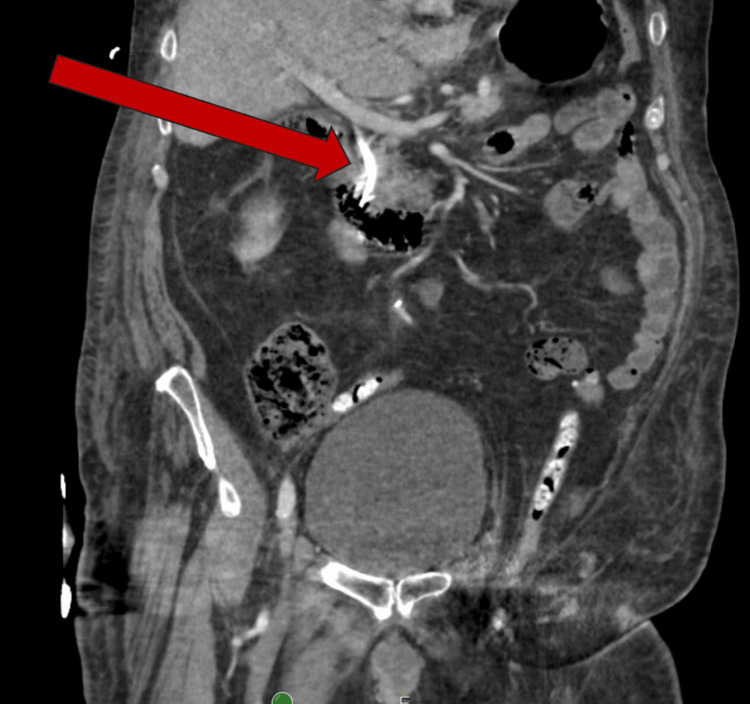 Figure 1
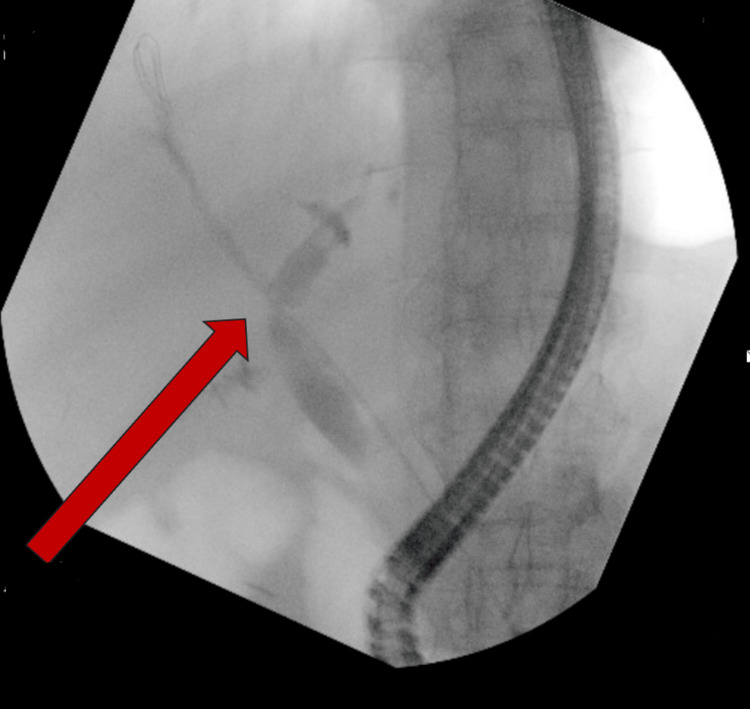 Figure 2
Peer Reviews
No public reviews on file for this paper yet. If you reviewed it on a platform where reviews are public (OpenReview, ICLR, NeurIPS, ICML), you can paste yours below so the community can read it here.
Videos
No videos yet. Explain this paper in a talk, walkthrough, or lecture? Add one.
Taxonomy
TopicsBiliary and Gastrointestinal Fistulas · Esophageal and GI Pathology · Gallbladder and Bile Duct Disorders