A fast method for extracting essential and synthetic lethality genes in GEM models
Francisco Guil, José M García

TL;DR
This paper introduces a faster algorithm for identifying essential and synthetic lethality genes in genetic models, using linear programming to improve efficiency.
Contribution
A novel algorithm using linear programming and k-representative subsets to compute genetic minimal cut sets more efficiently.
Findings
The new algorithm improves temporal efficiency for computing genetic minimal cut sets.
The method was benchmarked against gMCSPy and showed better performance in terms of running time.
Abstract
Exploring and categorizing essential and synthetic lethality genes is crucial in developing effective and targeted therapies for various diseases. This endeavor hinges upon genetic minimal cut sets, which also find utility in metabolic engineering. Different methods have been suggested for calculating genetic minimal cut sets. Still, with the emergence of numerous new models and their increasing complexity, it has become essential to introduce new algorithms in this field. This paper presents a new algorithmic approach for computing genetic minimal cut sets, which utilizes linear programming techniques to improve temporal efficiency. The key concept of the method is to use a k-representative subset to replace the target set with a smaller, yet representative, one. We have analyzed its efficiency in terms of running times compared to gMCSPy, the most recent published research on…
Genes, proteins, chemicals, diseases, species, mutations and cell lines named across the full text — each resolved to its canonical identifier and authoritative record.
Click any figure to enlarge with its caption.
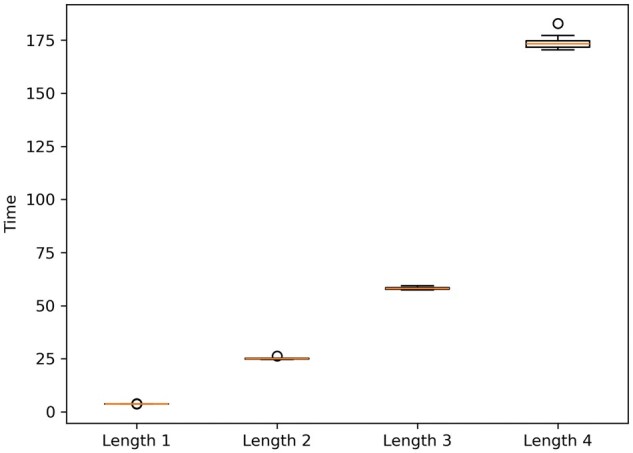 Figure 1
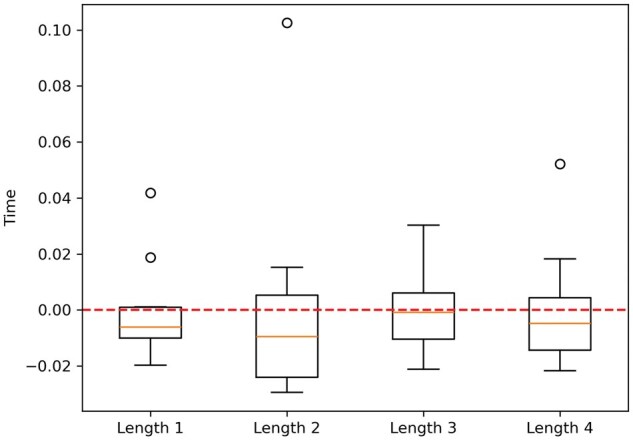 Figure 2
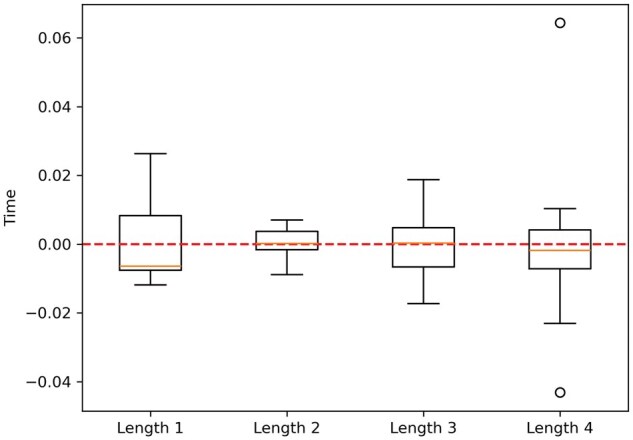 Figure 3
 Figure 4
Peer Reviews
No public reviews on file for this paper yet. If you reviewed it on a platform where reviews are public (OpenReview, ICLR, NeurIPS, ICML), you can paste yours below so the community can read it here.
Videos
No videos yet. Explain this paper in a talk, walkthrough, or lecture? Add one.
Taxonomy
TopicsMicrobial Metabolic Engineering and Bioproduction · Biofuel production and bioconversion · Process Optimization and Integration