Spontaneous Regression of a Retinal Astrocytic Hamartoma in an Adolescent With Tuberous Sclerosis Complex
Alexander B Dillon, Renae A Tessem, Stacy L Pineles, Tara A McCannel

TL;DR
A rare case of spontaneous regression of retinal astrocytic hamartoma in a teenager with Tuberous Sclerosis Complex is reported, highlighting the importance of regular eye exams for TSC patients.
Contribution
This is a rare documented case of spontaneous regression of a retinal astrocytic hamartoma in a patient with Tuberous Sclerosis Complex.
Findings
Retinal astrocytic hamartomas in Tuberous Sclerosis Complex can spontaneously regress.
Routine fundus exams are essential for TSC patients to detect and monitor retinal abnormalities.
Early detection of vision-threatening RAHs allows for potential therapeutic interventions.
Abstract
Tuberous sclerosis complex (TSC) is a rare, autosomal dominant syndrome arising from mutations in tumor suppressor genes. Common ophthalmic findings include retinal astrocytic hamartomas (RAHs), retinal achromic patches, and eyelid angiofibromas. In this article, we report a case of an adolescent girl with TSC found to have bilateral RAHs, highlighting the necessity for routine fundus examinations in patients with TSC. Additionally, our case is a rare example of a RAH that spontaneously regressed. RAHs can develop at any age and may rarely threaten vision with potential complications including vitreous hemorrhage, vitreous seeding, exudative retinal detachment, glaucoma, optic nerve invasion, globe perforation, and blindness. If detected early, vision-threatening RAHs may benefit from a variety of therapies, including argon laser photocoagulation, photodynamic therapy, subthreshold…
Genes, proteins, chemicals, diseases, species, mutations and cell lines named across the full text — each resolved to its canonical identifier and authoritative record.
Click any figure to enlarge with its caption.
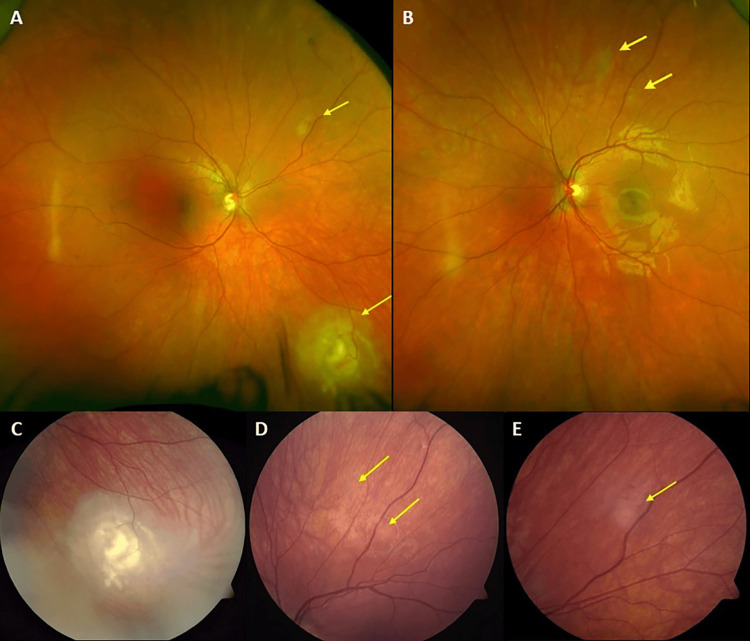 Figure 1
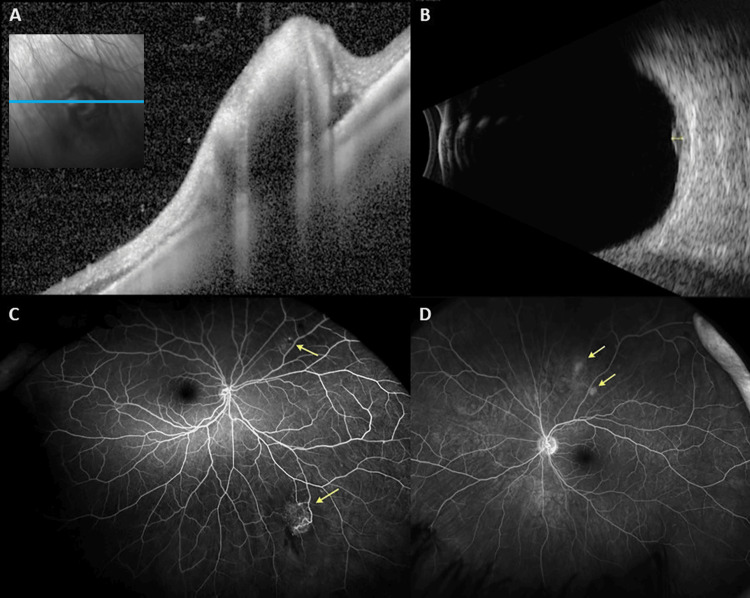 Figure 2
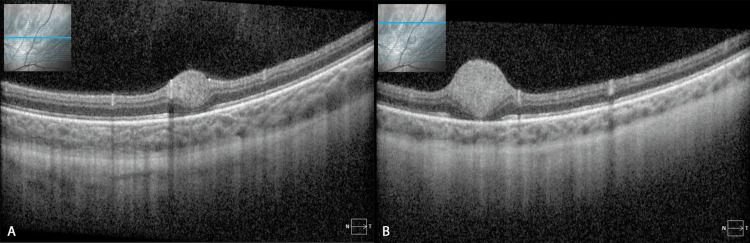 Figure 3
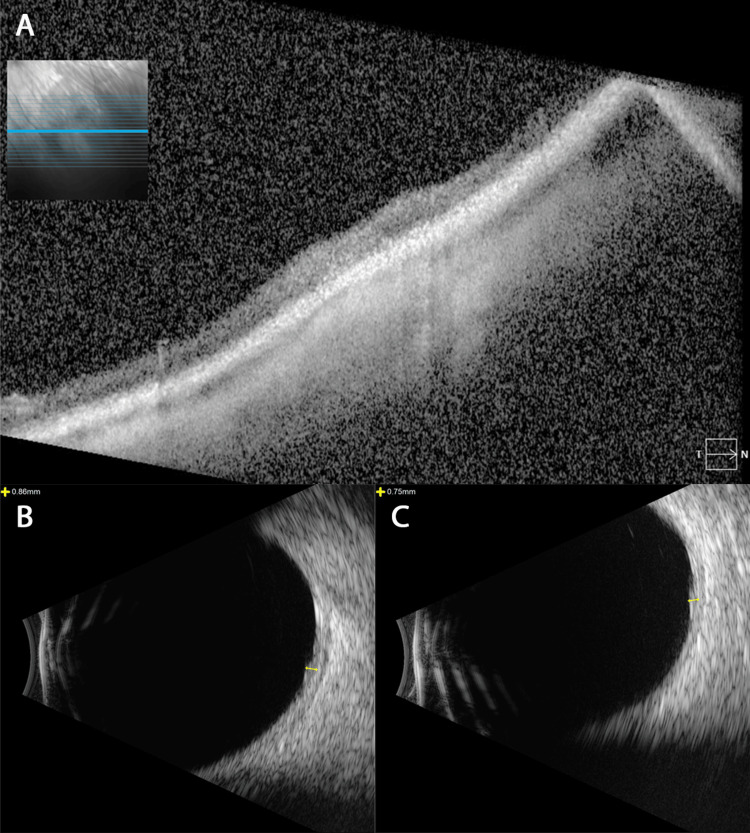 Figure 4
Peer Reviews
No public reviews on file for this paper yet. If you reviewed it on a platform where reviews are public (OpenReview, ICLR, NeurIPS, ICML), you can paste yours below so the community can read it here.
Videos
No videos yet. Explain this paper in a talk, walkthrough, or lecture? Add one.
Taxonomy
TopicsTuberous Sclerosis Complex Research · Genetic and Kidney Cyst Diseases · Renal cell carcinoma treatment