Protecting hidden treasures: Indigenous lands safeguard 50% of areas with the highest potential for angiosperm discoveries in Brazil—patterns and conservation priorities
Janaína Gomes-da-Silva, Eimear Nic Lughadha, Rafaela Campostrini Forzza

TL;DR
Indigenous lands in Brazil protect half of the areas with the highest potential for discovering new flowering plant species, highlighting their importance for conservation.
Contribution
The study quantifies the proportion of undescribed angiosperm species in Brazil and identifies Indigenous lands as critical conservation areas.
Findings
Brazil's angiosperm catalog is estimated to be 19–23% incomplete, with 7343–9595 species yet to be described.
80% of areas richest in undescribed angiosperms lack formal protection, but 50% are within Indigenous lands.
Amazonia and Caatinga regions show the highest potential for new species discoveries.
Abstract
Brilliantly adapted from aphorist and geneticist Dobzhansky’s phrase, “Nothing in biology makes sense except in the light of taxonomy” conveys the fact that various scientific fields depend on correctly identified and accurately described species. In this sense, estimating the number of extant species is one of the fundamental issues and has direct implications for biodiversity conservation. Worldwide, approximately 370,000 angiosperm species are known to science; however, studies indicate that another ~100,000 or as many as 315,000 are yet to be described for science. Brazil is recognized for its megabiodiversity and currently recognizes 32,900 native species of angiosperms. What would be the impact on conservation priorities if all undescribed species were known and the catalog was complete? To explore this, we analyzed datasets of taxonomic information available for Brazilian…
Genes, proteins, chemicals, diseases, species, mutations and cell lines named across the full text — each resolved to its canonical identifier and authoritative record.
Click any figure to enlarge with its caption.
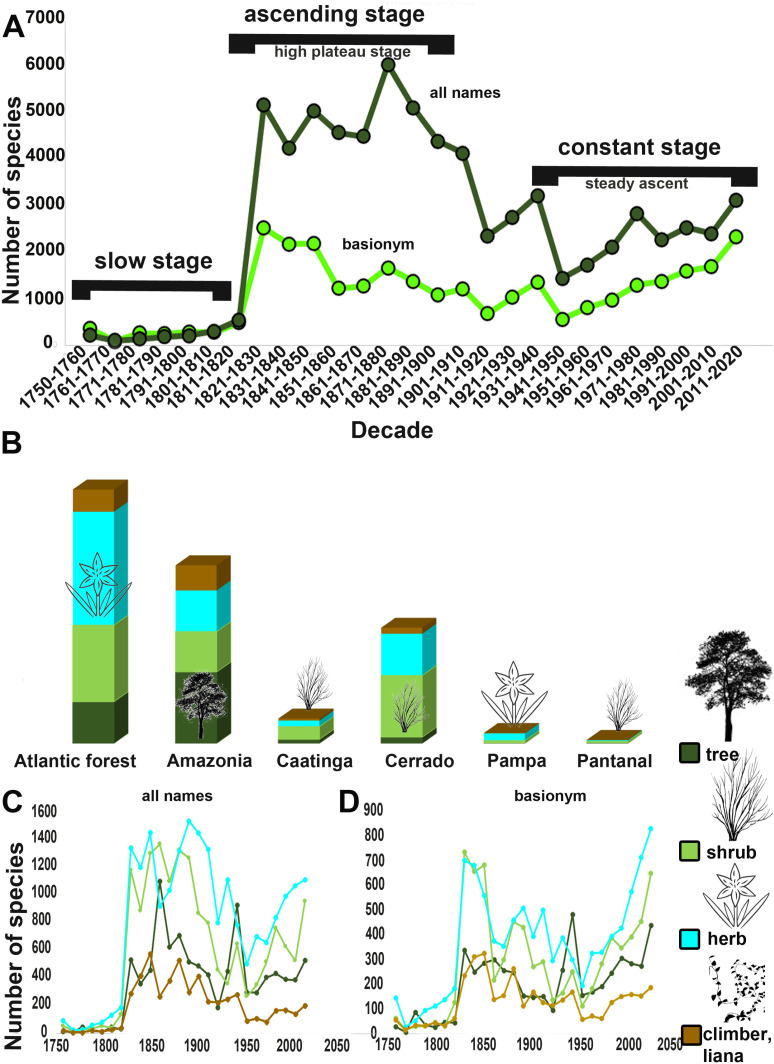 Figure 1
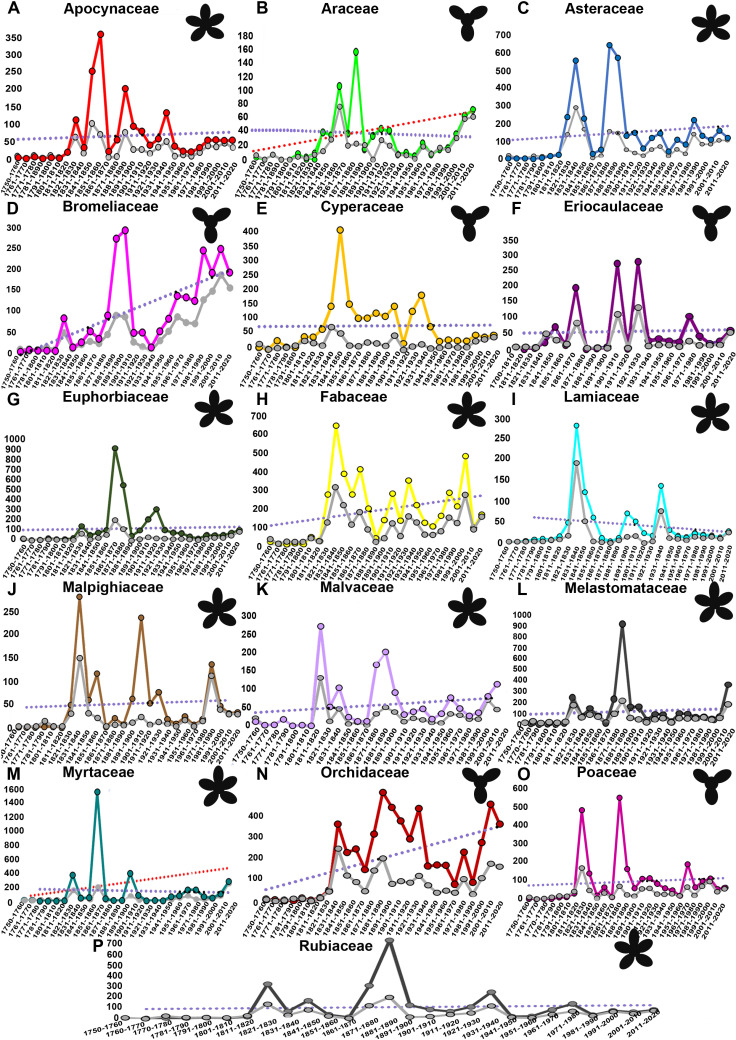 Figure 2
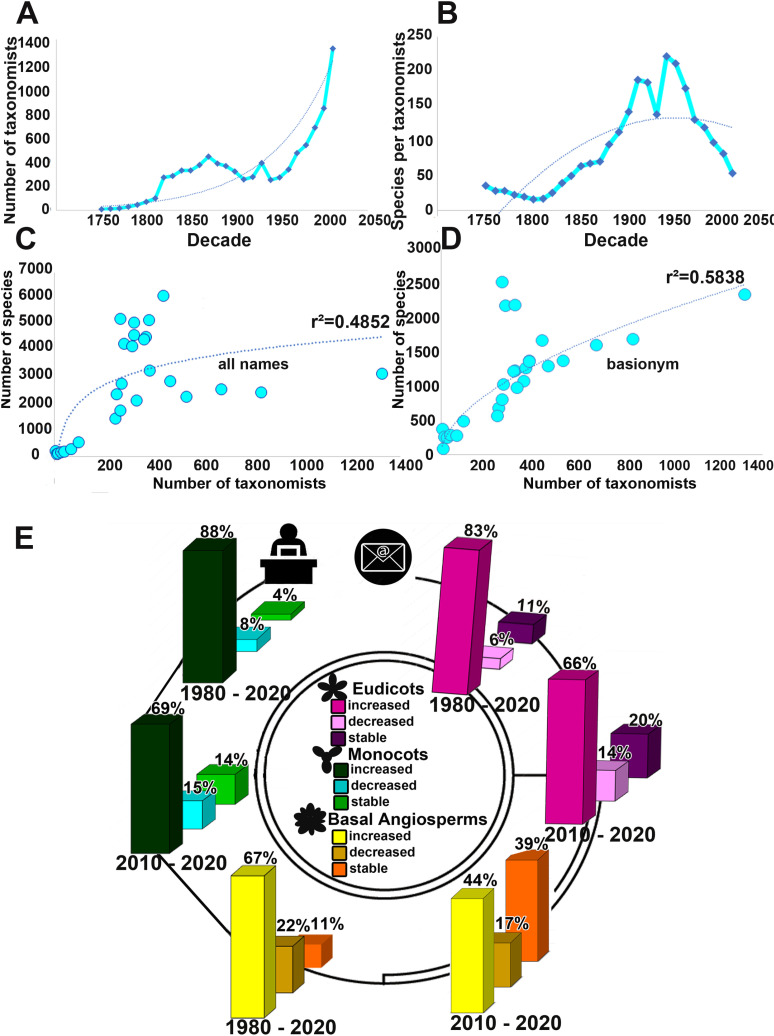 Figure 3
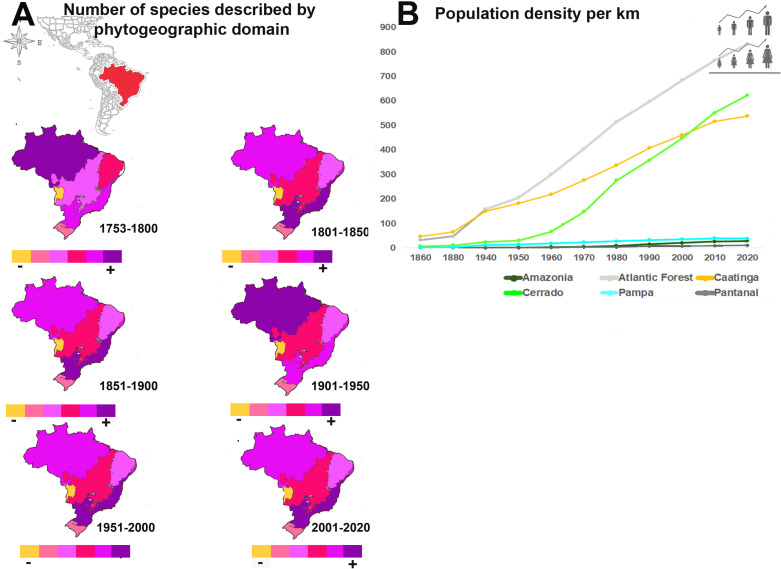 Figure 4
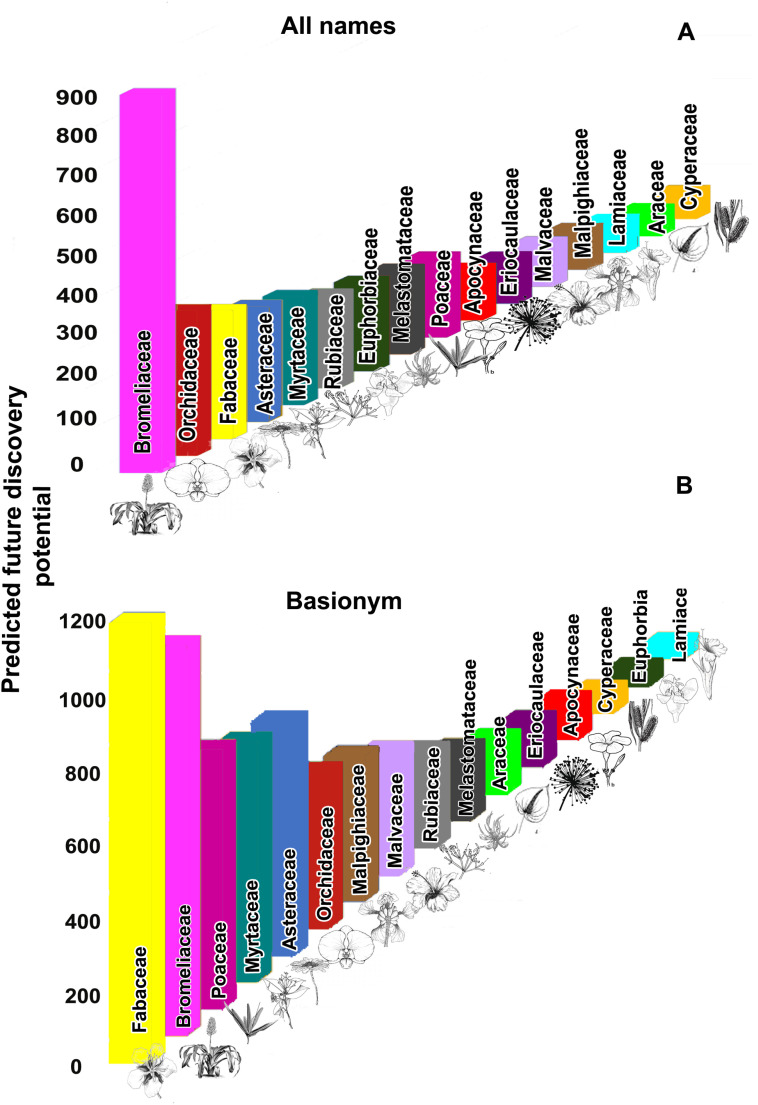 Figure 5
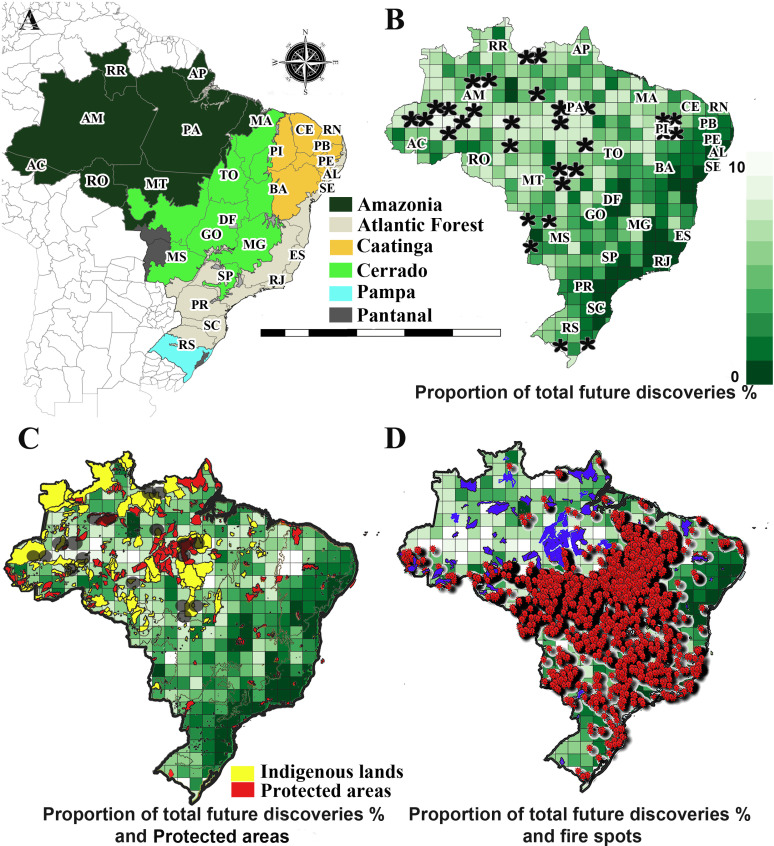 Figure 6
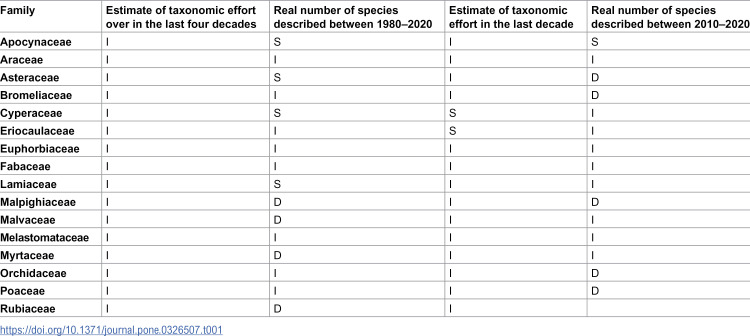 Figure 7
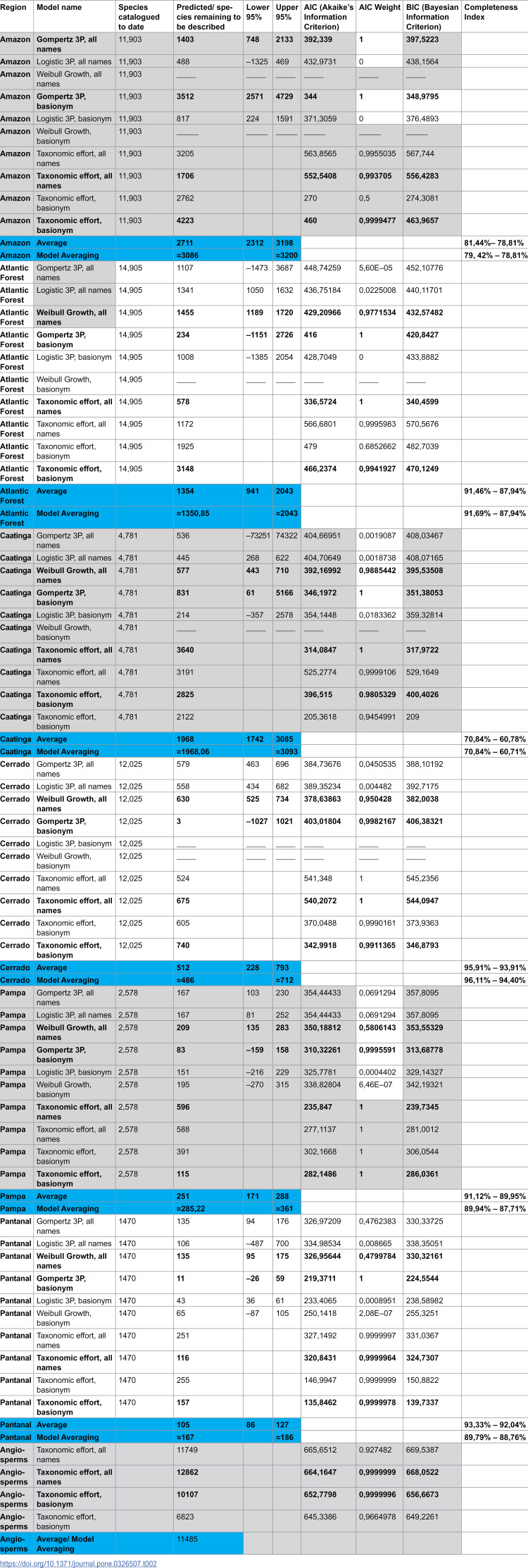 Figure 8
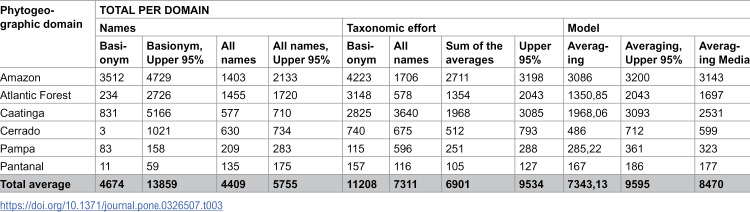 Figure 9
 Figure 10
Peer Reviews
No public reviews on file for this paper yet. If you reviewed it on a platform where reviews are public (OpenReview, ICLR, NeurIPS, ICML), you can paste yours below so the community can read it here.
Videos
No videos yet. Explain this paper in a talk, walkthrough, or lecture? Add one.
Taxonomy
TopicsConservation, Biodiversity, and Resource Management · Amazonian Archaeology and Ethnohistory · Plant and animal studies