Children adjust behavior in novel social environment to reflect local prosocial norms inferred from brief exposure
Kari Britt Schroeder, Laura Nelson Darling, Peter R. Blake

TL;DR
Children adjust their behavior in a new social setting to match inferred local prosocial norms, even when those norms are not directly observed.
Contribution
This study shows that children as young as middle childhood can infer and conform to unobserved prosocial norms in novel environments.
Findings
Children's perceptions of prosocial norms in a novel neighborhood predicted their behavior in that setting.
Changes in prosocial behavior were specific to the novel environment and did not affect baseline behavior.
Norm inference occurred even when information about specific behaviors was not directly shown.
Abstract
Stark cultural variation in prosocial behavior, as elicited with economic experiments, is evident despite the high mobility of humans. Conformity to local norms has been posited to play an integral role in the maintenance of this variation. Experiments suggest that adults indeed rapidly infer pro- and antisocial norms in new or altered social environments and adjust their behavior to reflect the inferred norms. Studies of the ontogeny of prosocial behavior show that by middle childhood, children’s prosocial behavior conforms to that of local adults. Furthermore, by this stage, children are susceptible to the manipulation of explicit normative information. However, their propensity to extract or infer normative information from the environment and change their behavior accordingly has not been investigated. Here, we assess whether children 1) rapidly infer local prosocial norms in a…
Genes, proteins, chemicals, diseases, species, mutations and cell lines named across the full text — each resolved to its canonical identifier and authoritative record.
Click any figure to enlarge with its caption.
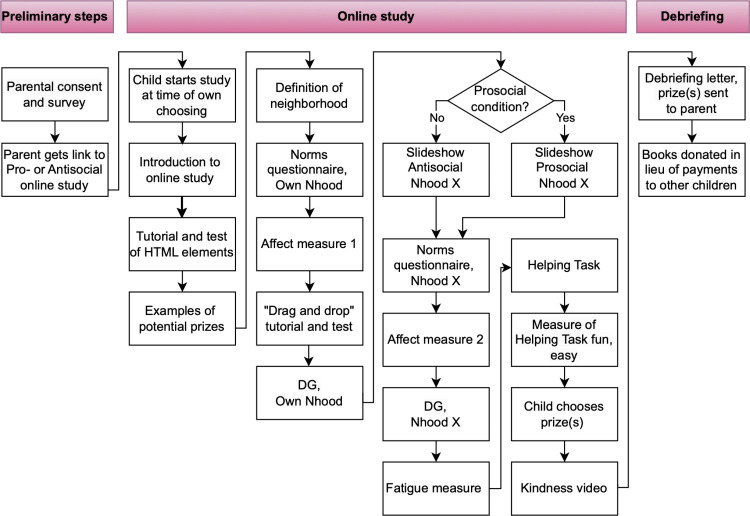 Figure 1
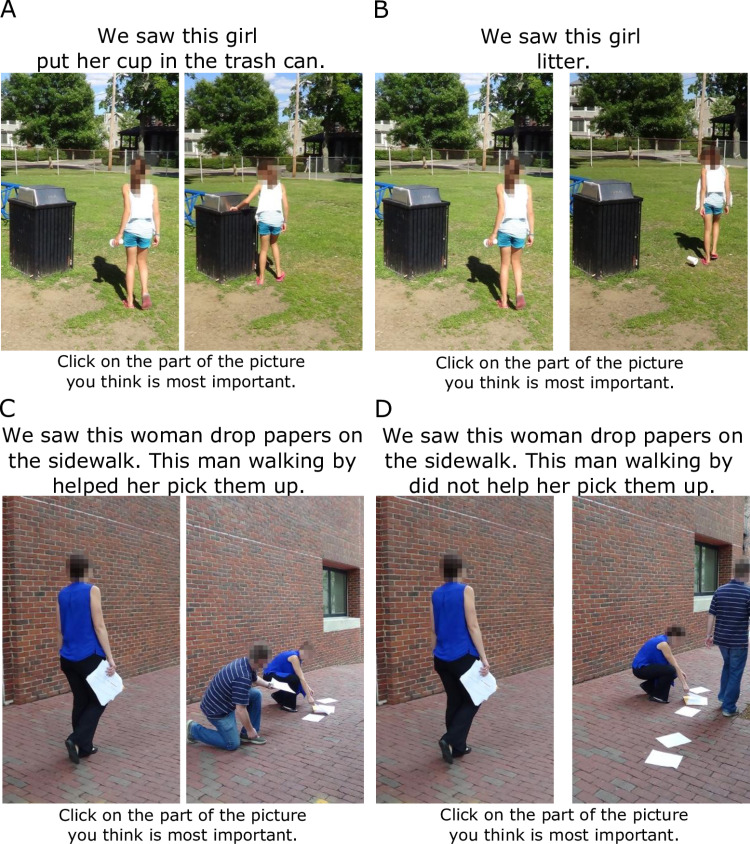 Figure 2
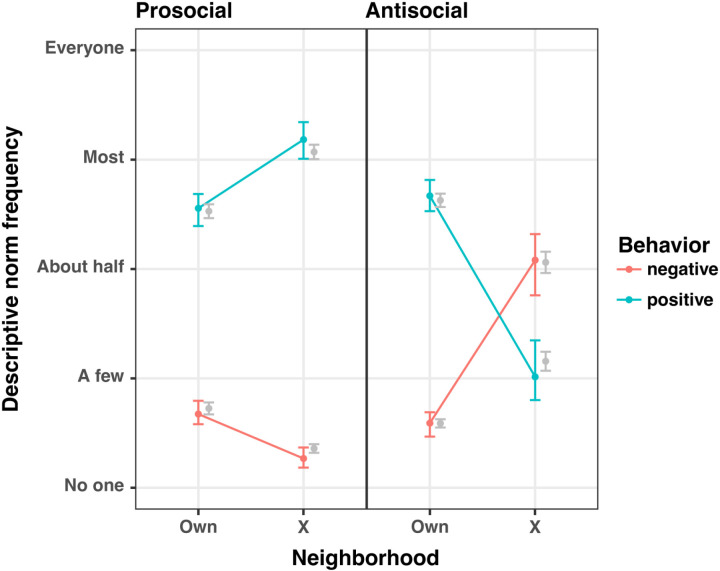 Figure 3
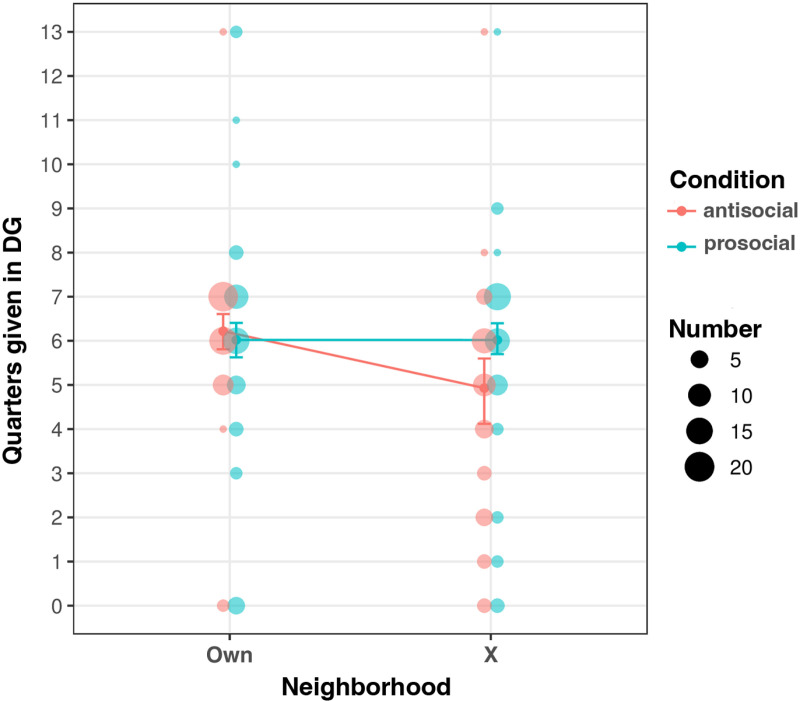 Figure 4
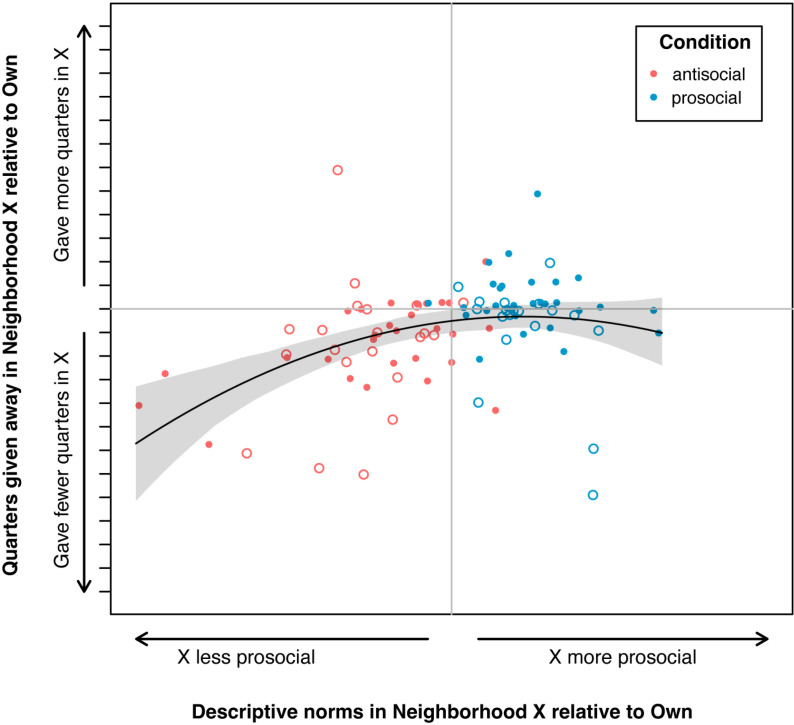 Figure 5
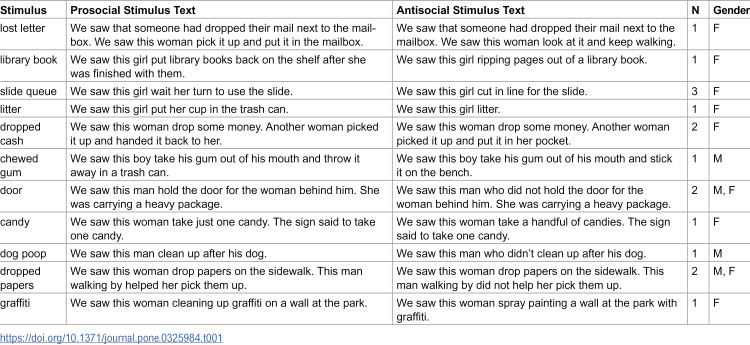 Figure 6
 Figure 7
Peer Reviews
No public reviews on file for this paper yet. If you reviewed it on a platform where reviews are public (OpenReview, ICLR, NeurIPS, ICML), you can paste yours below so the community can read it here.
Videos
No videos yet. Explain this paper in a talk, walkthrough, or lecture? Add one.
Taxonomy
TopicsEvolutionary Psychology and Human Behavior · Child and Animal Learning Development · Social and Intergroup Psychology