An isotopic perspective on equid selection in cult at Tell eṣ-Ṣâfi/Gath, Israel
Elizabeth R. Arnold, Haskel J. Greenfield, Gideon Hartman, Tina L. Greenfield, Shira Albaz, Elisabetta Boaretto, Johanna Regev, Aren M. Maeir

TL;DR
Archaeologists found young female donkeys buried under house floors in Israel, and isotope analysis shows they were born in Egypt and imported for ritual purposes.
Contribution
The study provides new evidence of ritual donkey importation from Egypt for domestic foundation deposits in Early Bronze Age Israel.
Findings
Four donkeys buried under house floors were born and raised in Egypt before being brought to Tell eṣ-Ṣâfi/Gath.
A single donkey mandible found for food consumption was locally raised, contrasting with the ritually buried donkeys.
The imported donkeys were intentionally selected for ritual use in domestic construction.
Abstract
Archaeological excavations of an Early Bronze Age III (c. 2900–2600/2550 BCE) domestic neighborhood at the site of Tell eṣ-Ṣâfi/Gath, Israel, uncovered four complete skeletons of young female donkeys that were buried immediately below house floors as ritual foundation deposits. Multi-isotope analyses (carbon, oxygen and strontium) of their teeth document that each of the donkeys was born and raised in Egypt before being brought to Tell eṣ-Ṣâfi/Gath where they were slaughtered and buried beneath house floors in a non-elite domestic neighborhood. In contrast, isotopic analysis of teeth from a single isolated donkey mandible and additional sheep and goat teeth that displayed evidence of being used for food consumption and not associated with a complete burial, identify the donkey as born and raised among local livestock in the vicinity of Tell eṣ-Ṣâfi/Gath. The intentionally buried of…
Genes, proteins, chemicals, diseases, species, mutations and cell lines named across the full text — each resolved to its canonical identifier and authoritative record.
Click any figure to enlarge with its caption.
 Figure 1
 Figure 2
 Figure 3
 Figure 4
 Figure 5
 Figure 6
 Figure 7
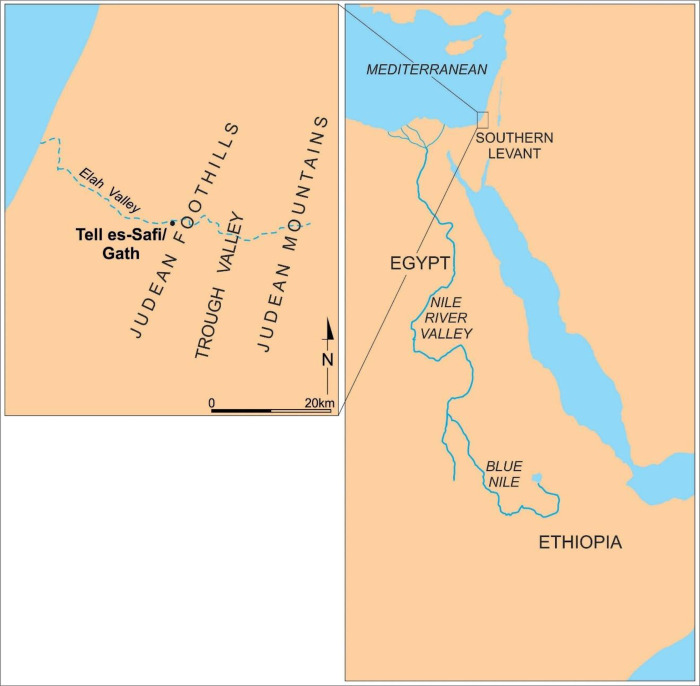 Figure 8
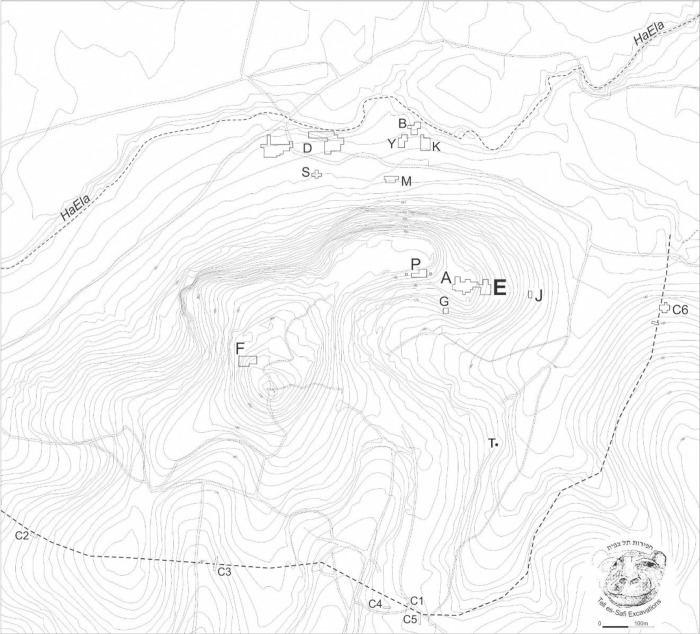 Figure 9
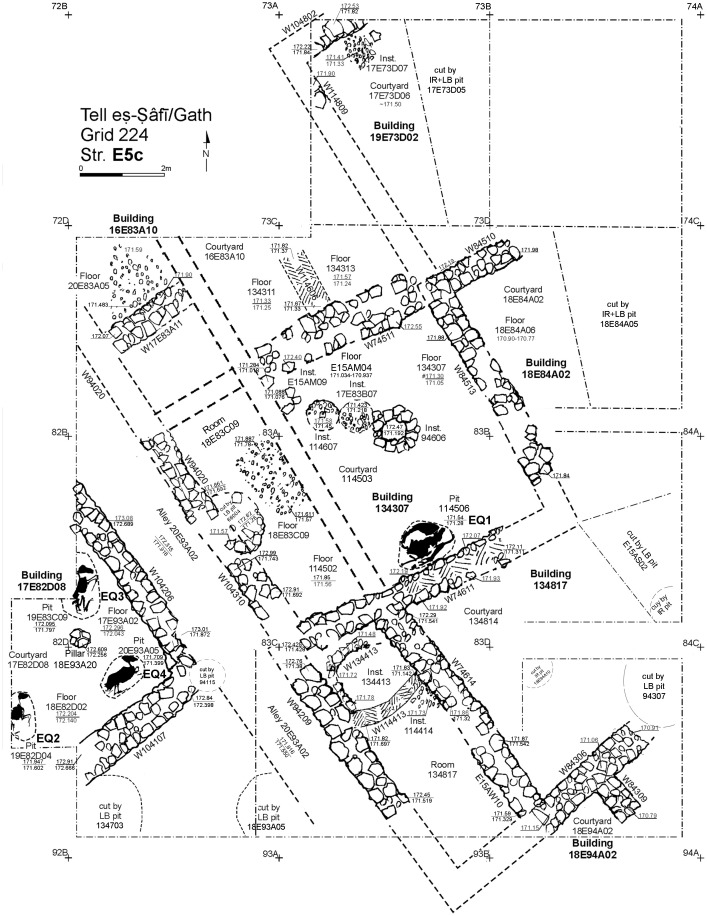 Figure 10
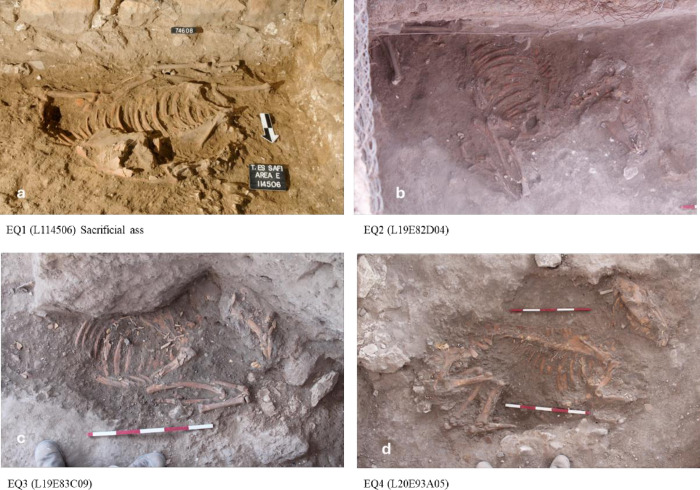 Figure 11
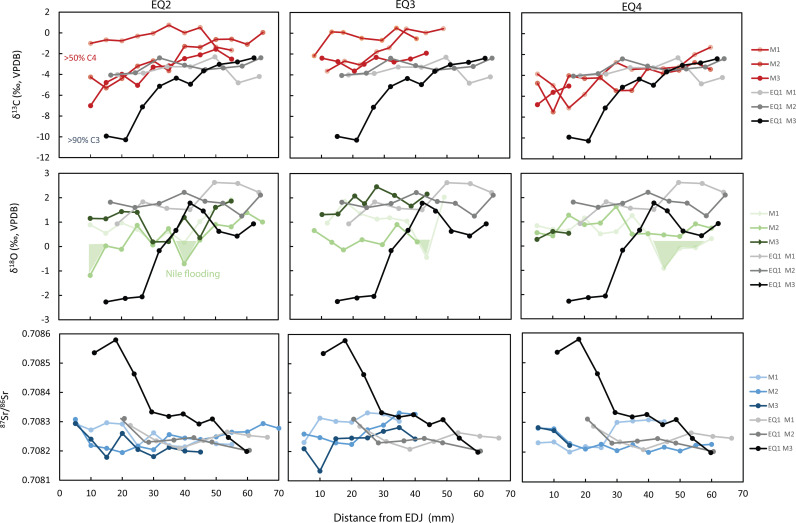 Figure 12
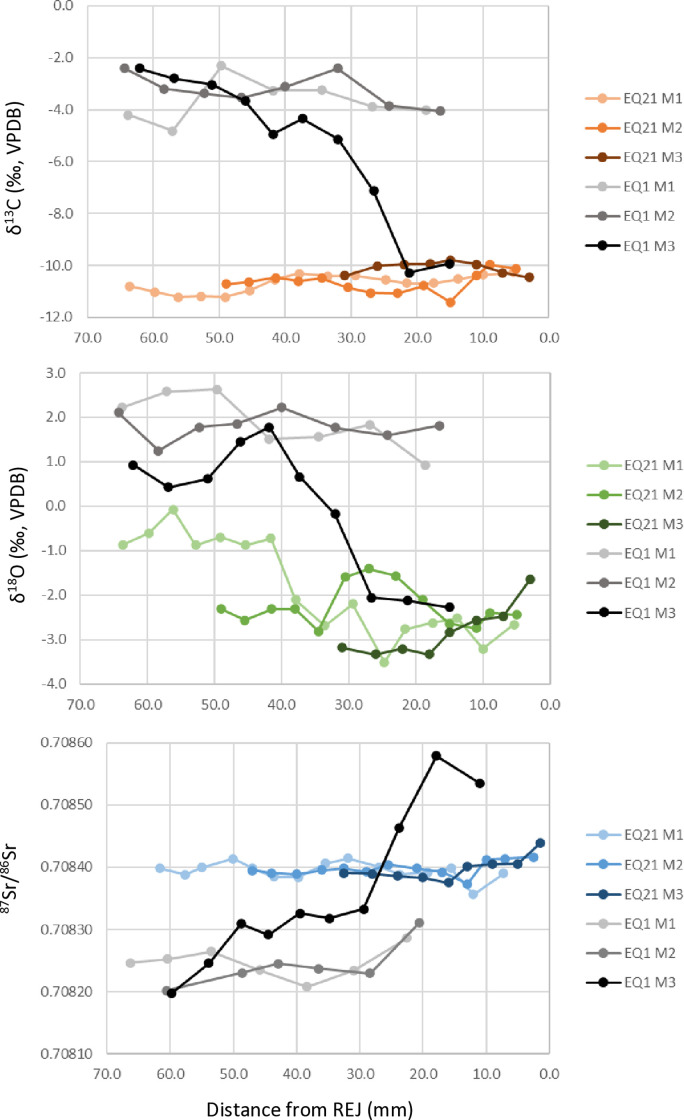 Figure 13
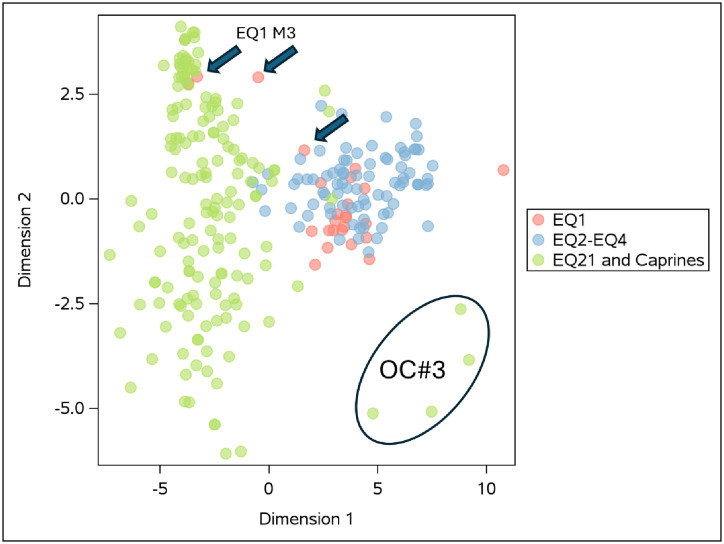 Figure 14
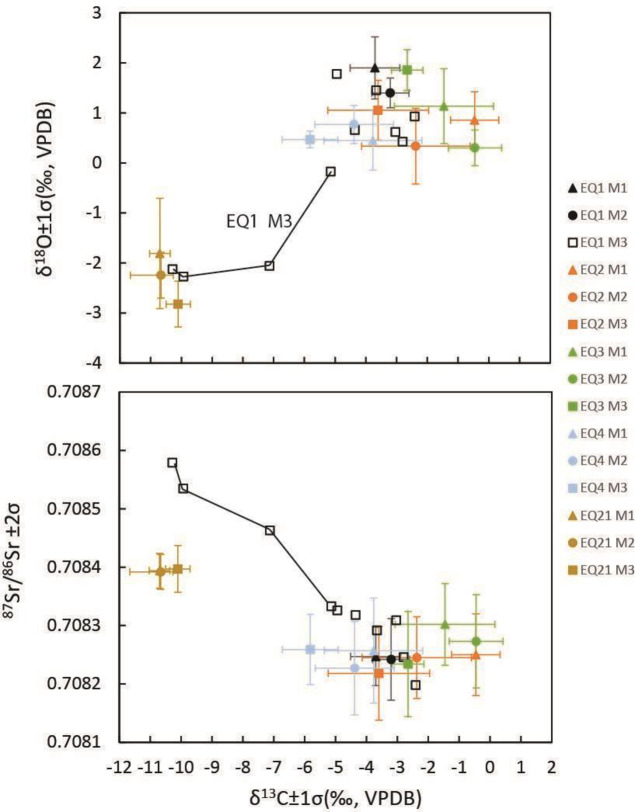 Figure 15
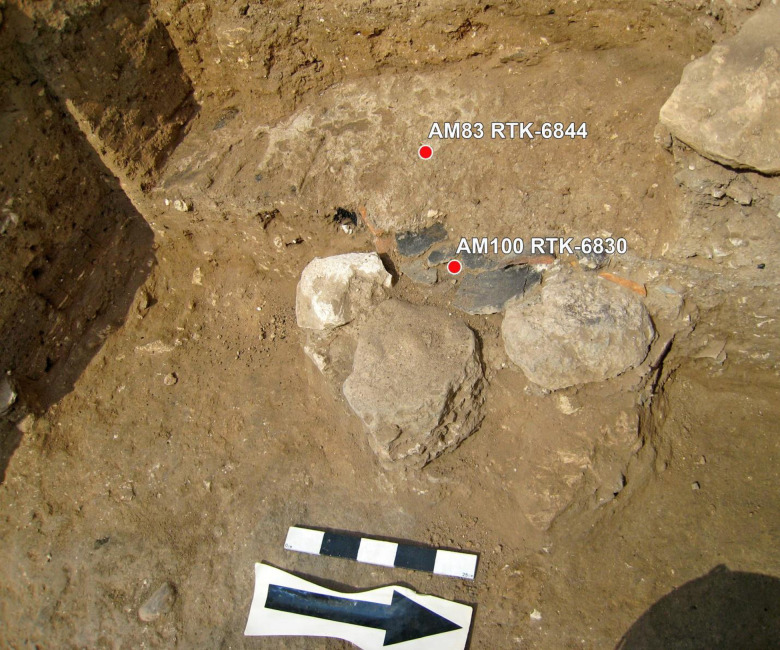 Figure 16
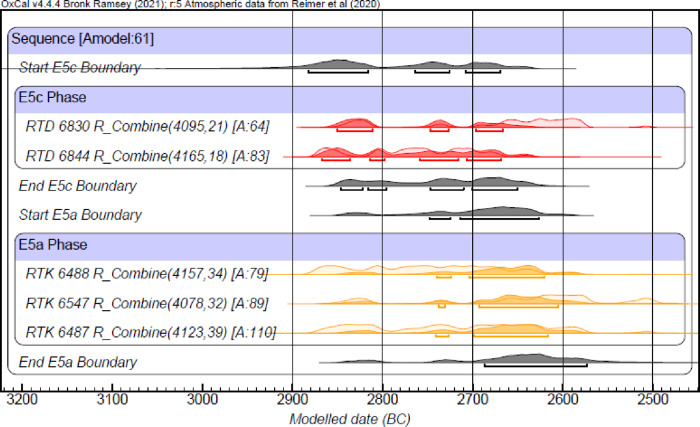 Figure 17
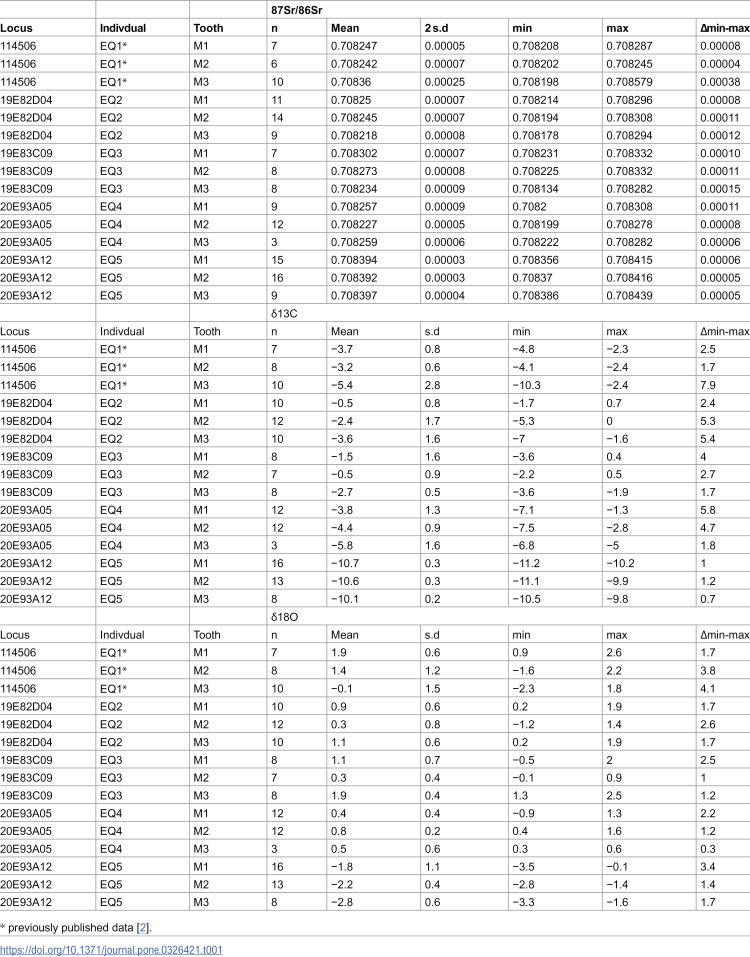 Figure 18
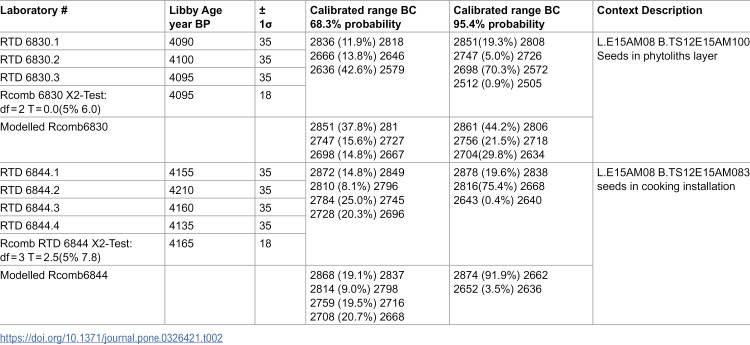 Figure 19
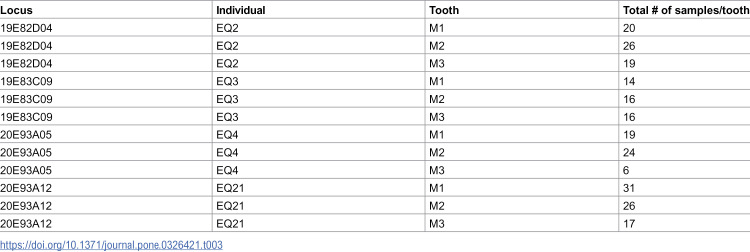 Figure 20
Peer Reviews
No public reviews on file for this paper yet. If you reviewed it on a platform where reviews are public (OpenReview, ICLR, NeurIPS, ICML), you can paste yours below so the community can read it here.
Videos
No videos yet. Explain this paper in a talk, walkthrough, or lecture? Add one.
Taxonomy
TopicsArchaeology and ancient environmental studies · Pleistocene-Era Hominins and Archaeology · Forensic Anthropology and Bioarchaeology Studies