Clinical prediction of intravenous immunoglobulin-resistant Kawasaki disease based on interpretable Transformer model
Gahao Chen, Ziwei Yang

TL;DR
A new interpretable AI model accurately predicts which children with Kawasaki disease will not respond to standard IVIG treatment, helping doctors make better treatment decisions.
Contribution
The study introduces an interpretable transformer-based model (TabPFN-V2) that outperforms existing methods in predicting IVIG resistance in Kawasaki disease.
Findings
The TabPFN-V2 model achieved 97% accuracy in predicting IVIG resistance in Kawasaki disease.
Key predictors of IVIG resistance include elevated AST, CRP, and neutrophil count, while higher platelet and albumin levels are protective.
The model provides both global and local interpretability, enabling transparent clinical decision-making.
Abstract
Intravenous immunoglobulin (IVIG) has been established as the first-line therapy for Kawasaki disease (KD). However, approximately 10%–20% of pediatric patients exhibit IVIG resistance. Current machine learning (ML) models demonstrate suboptimal predictive performance in KD treatment response prediction, primarily due to their limited ability to effectively process categorical variables and interpret tabular clinical data. This study aims to develop and interpretable transformer-based clinical prediction model for IVIG resistant KD and validate its clinical utility. This retrospective study analyzed clinical records of KD patients from the Affiliated Hospital of North Sichuan Medical College (Nanchong, China) between January 1, 2014 and December 31, 2024. A cohort of 1,578 pediatric KD cases was systematically divided into training and validation sets. Six machine learning algorithms -…
Genes, proteins, chemicals, diseases, species, mutations and cell lines named across the full text — each resolved to its canonical identifier and authoritative record.
Click any figure to enlarge with its caption.
 Figure 1
 Figure 2
 Figure 3
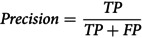 Figure 4
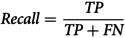 Figure 5
 Figure 6
 Figure 7
 Figure 8
 Figure 9
 Figure 10
 Figure 11
 Figure 12
 Figure 13
 Figure 14
 Figure 15
 Figure 16
 Figure 17
 Figure 18
 Figure 19
 Figure 20
 Figure 21
 Figure 22
 Figure 23
 Figure 24
 Figure 25
 Figure 26
 Figure 27
 Figure 28
 Figure 29
 Figure 30
 Figure 31
 Figure 32
 Figure 33
 Figure 34
 Figure 35
 Figure 36
 Figure 37
 Figure 38
 Figure 39
 Figure 40
 Figure 41
 Figure 42
 Figure 43
 Figure 44
 Figure 45
 Figure 46
 Figure 47
 Figure 48
 Figure 49
 Figure 50
Peer Reviews
No public reviews on file for this paper yet. If you reviewed it on a platform where reviews are public (OpenReview, ICLR, NeurIPS, ICML), you can paste yours below so the community can read it here.
Videos
No videos yet. Explain this paper in a talk, walkthrough, or lecture? Add one.
Taxonomy
TopicsKawasaki Disease and Coronary Complications · Sepsis Diagnosis and Treatment · Pneumonia and Respiratory Infections