Proteomic analysis unveils host-parasite interactions in Aedes togoi infected with Dirofilaria immitis and Brugia pahangi
Wei Yin Vinnie-Siow, Van Lun Low, Hwa Chia Chai, Yvonne Ai-Lian Lim, Tiong Kai Tan

TL;DR
This study uses proteomics to explore how Aedes togoi mosquitoes respond to infections by two filarial parasites, revealing key defense and metabolic changes.
Contribution
The study identifies specific upregulated defense proteins and metabolic pathways in mosquitoes infected with Dirofilaria immitis and Brugia pahangi.
Findings
Actin and prophenoloxidase, defense proteins, were upregulated in mosquitoes infected with D. immitis and B. pahangi.
Most glycolysis and TCA cycle proteins were upregulated, but dihydrolipoyl dehydrogenase was downregulated.
A tyrosine metabolism pathway involving several enzymes was expressed in infected mosquitoes.
Abstract
Mosquitoes serve as the primary vectors responsible for transmitting canine filariasis, yet understanding the molecular interactions between filarial parasites and their vectors is a significant challenge.. Therefore, employing a proteomic approach is crucial for elucidating the protein expressions profile in mosquitoes, allowing the tracking of biochemical changes during parasite development and survival within the mosquito. To infer the protein response of mosquitoes to filarial infections, Aedes togoi was inoculated with canine filarial parasites, Dirofilaria immitis and Brugia pahangi, and maintained for 14 days prior before dissection to collect their cuticular tissue proteins for Liquid Chromatography-Tandem Mass Spectrometry (LC-MS/MS) analysis. Actin and prophenoloxidase, recognized as defence proteins, exhibited upregulation in groups inoculated with D. immitis and B. pahangi.…
Genes, proteins, chemicals, diseases, species, mutations and cell lines named across the full text — each resolved to its canonical identifier and authoritative record.
Click any figure to enlarge with its caption.
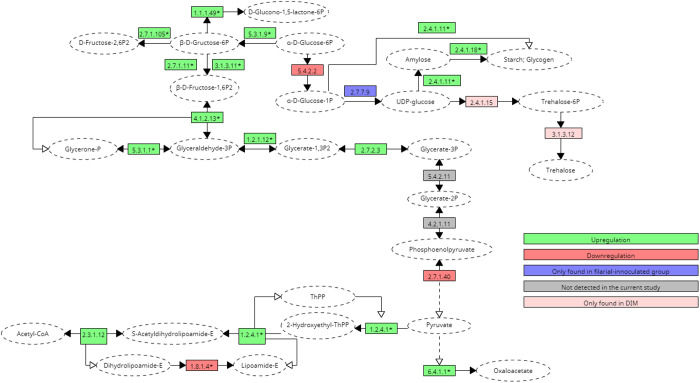 Figure 1
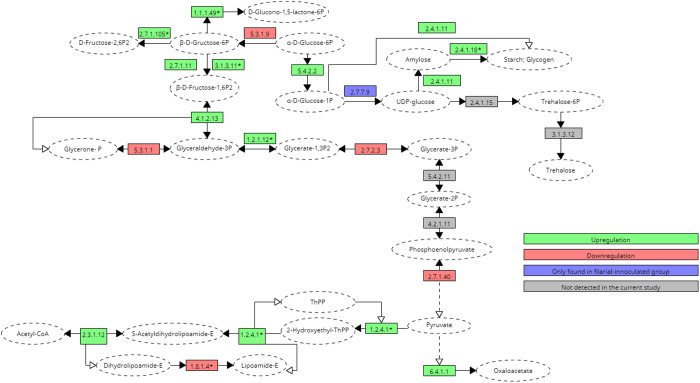 Figure 2
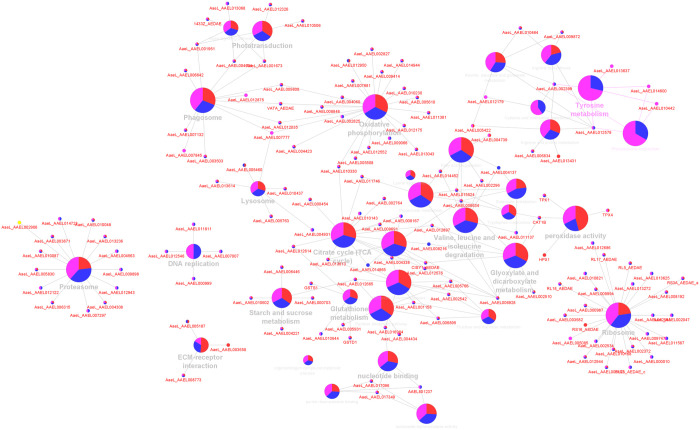 Figure 3
 Figure 4
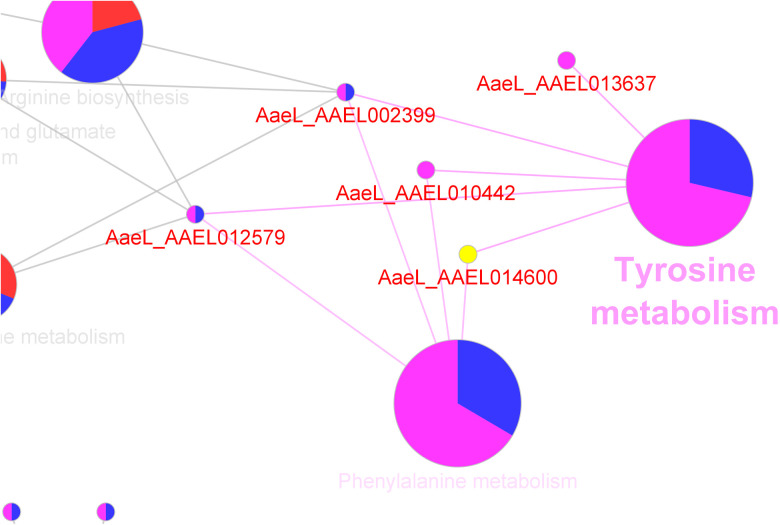 Figure 5
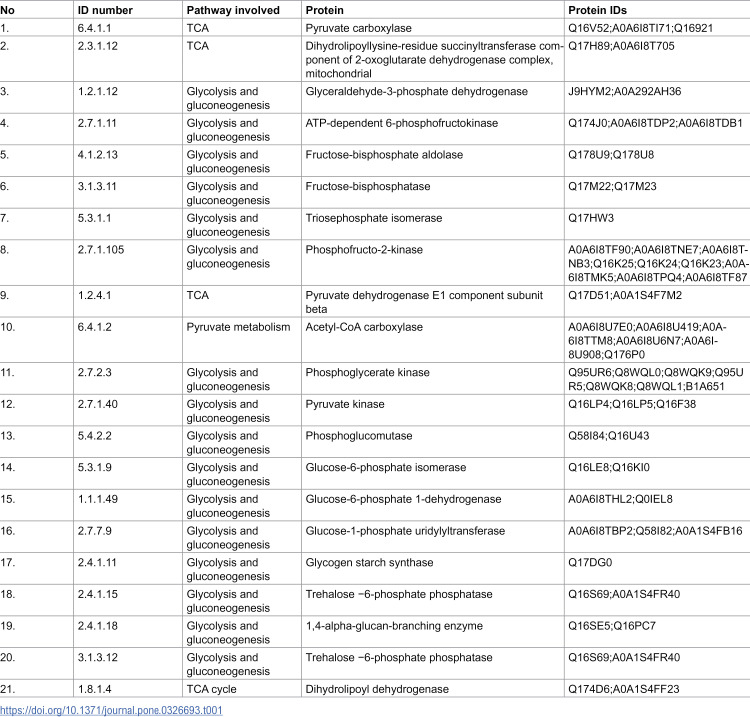 Figure 6
 Figure 7
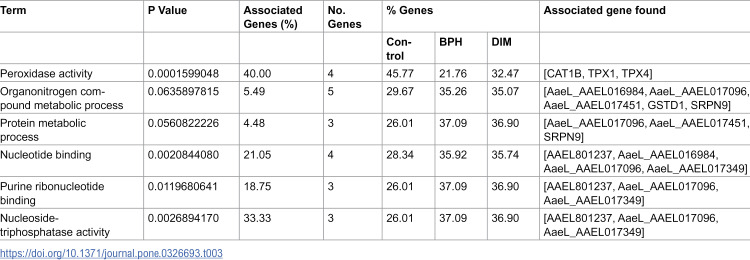 Figure 8
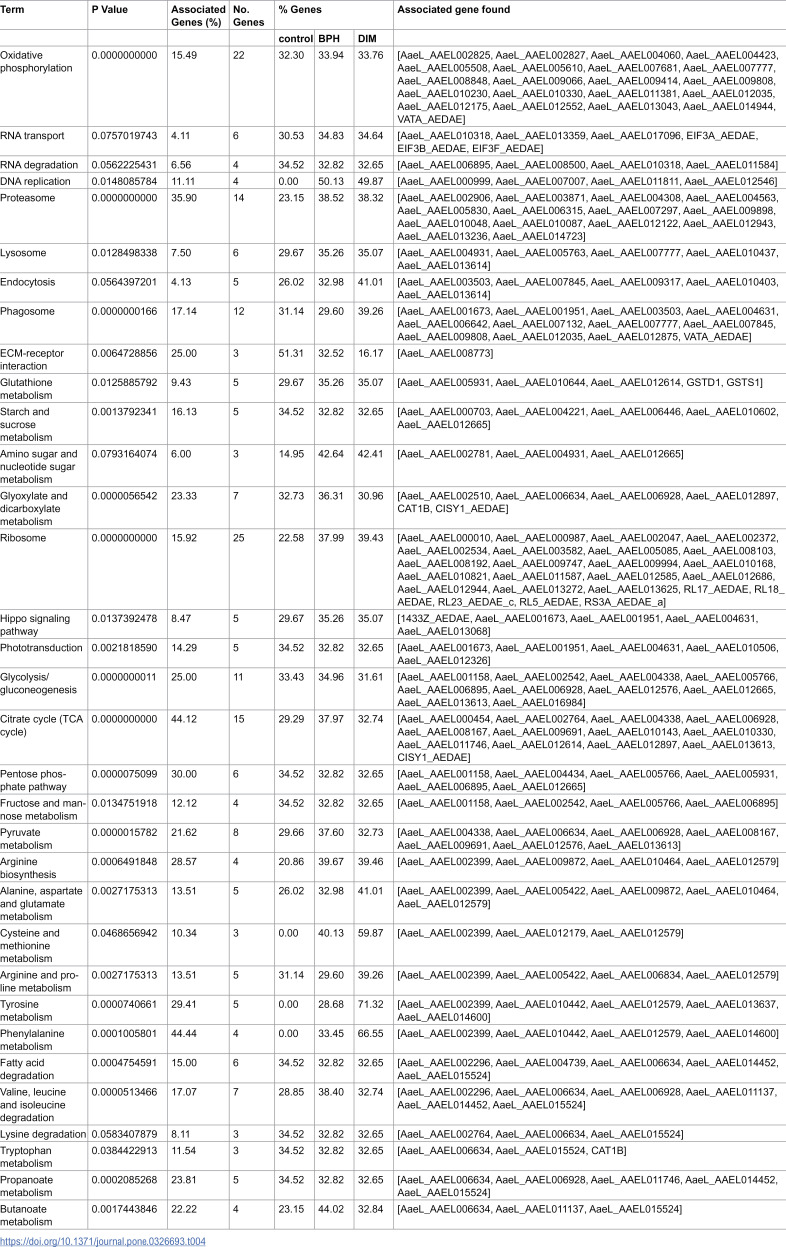 Figure 9
 Figure 10
Peer Reviews
No public reviews on file for this paper yet. If you reviewed it on a platform where reviews are public (OpenReview, ICLR, NeurIPS, ICML), you can paste yours below so the community can read it here.
Videos
No videos yet. Explain this paper in a talk, walkthrough, or lecture? Add one.
Taxonomy
TopicsInsect symbiosis and bacterial influences · Invertebrate Immune Response Mechanisms · Neurobiology and Insect Physiology Research