Focal adhesion-related non-ciliary functions of CEP290
Kazuhiko Matsuo, Yoshiro Nakajima, Masaki Shigeta, Daisuke Kobayashi, Shinichiro Sakaki, Satoshi Inoue, Naoki Takeshita, Atsuko Ueyama, Kousuke Nishikawa, Rie Saba, Hideya Yamasaki, Kei Yamada, Takahiko Yokoyama, Kenta Yashiro

TL;DR
This study shows that CEP290, a protein known for its role in cilia, also has important non-ciliary functions in cell structure and movement.
Contribution
The paper identifies a cilia-independent role of CEP290 in focal adhesion and microtubule regulation through its interaction with APC.
Findings
Loss of Cep290 impairs microtubule elongation due to centrosome dysfunction.
CEP290 interacts with APC to stabilize paxillin at focal adhesions in non-ciliated cells.
Reduced focal adhesion leads to impaired cell migration and altered cell morphology in Cep290 knockout cells.
Abstract
Nearly all differentiated mammalian cells possess primary cilia on their surface. Ciliary dysfunction causes ciliopathy in humans. Centrosomal protein 290 (CEP290), a ciliary protein implicated in ciliopathies, localizes to the ciliary base and the centrosome in ciliated cells. CEP290-related ciliopathies arise from molecular dysfunctions of the CEP290 molecule, exhibiting a diverse range of symptoms. Thus far, these disorders have been attributed to cilia-specific functional abnormalities of CEP290, reflecting the conventional view of its primary role within cilia. However, CEP290 is also expressed in proliferating non-ciliated cells and localizes to the centrosome, suggesting potential cilia-independent functions of CEP290 in the pathophysiology of these disorders. In this study, we investigated the cilia-independent functions of CEP290 in non-ciliated cells. Our findings reveal that…
Genes, proteins, chemicals, diseases, species, mutations and cell lines named across the full text — each resolved to its canonical identifier and authoritative record.
Click any figure to enlarge with its caption.
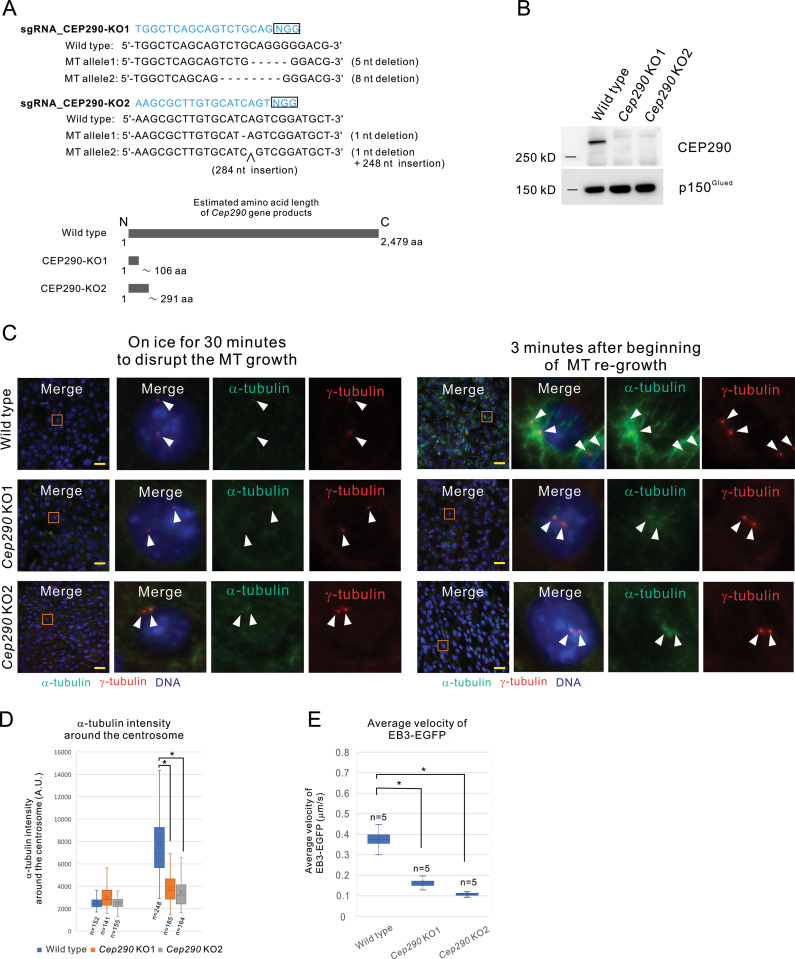 Figure 1
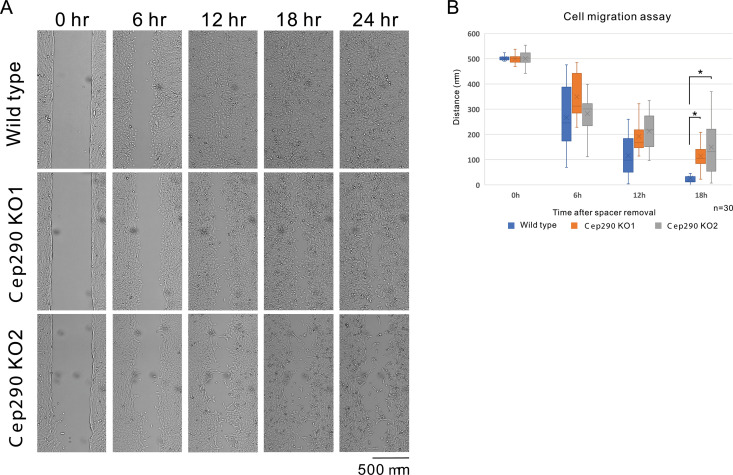 Figure 2
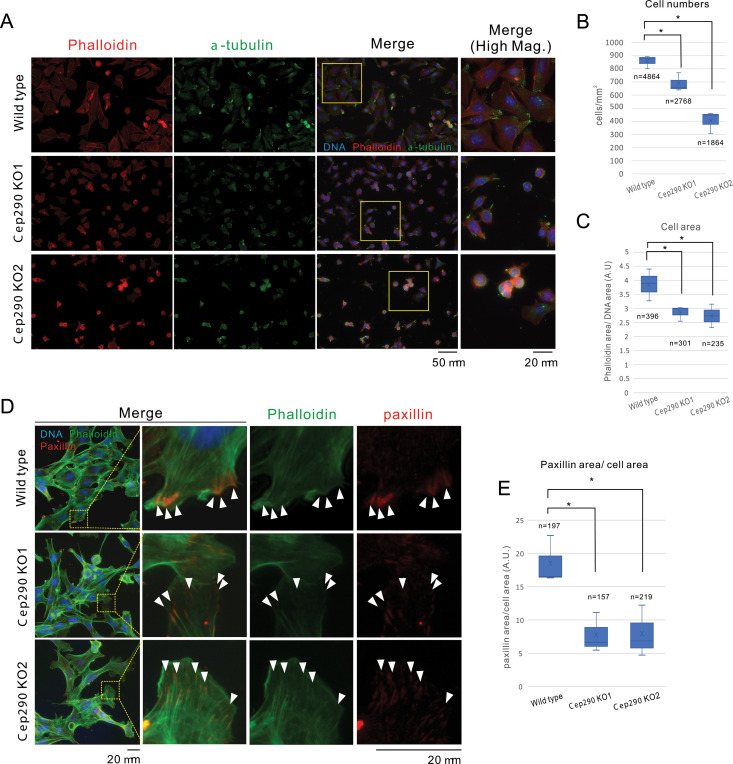 Figure 3
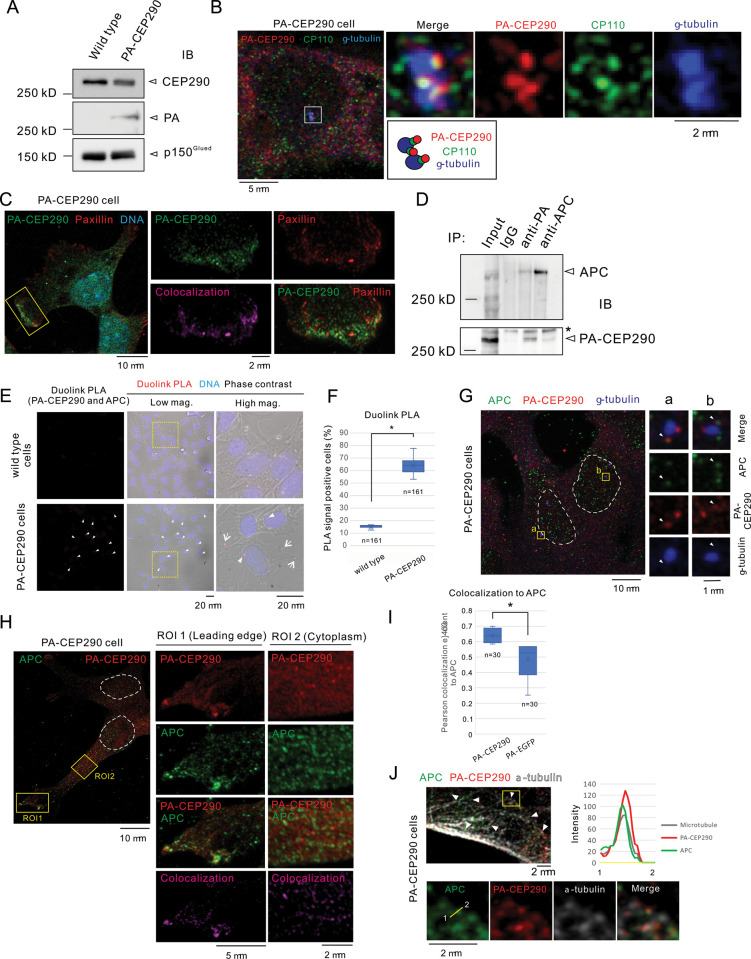 Figure 4
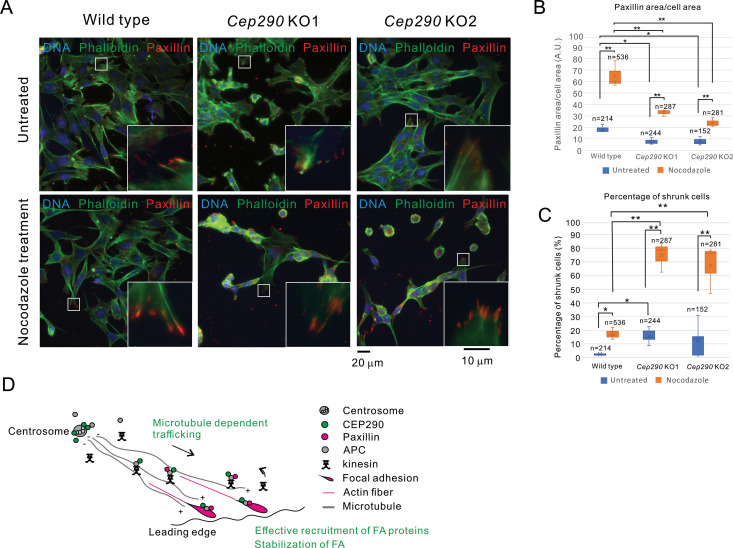 Figure 5
 Figure 6
 Figure 7
 Figure 8
 Figure 9
Peer Reviews
No public reviews on file for this paper yet. If you reviewed it on a platform where reviews are public (OpenReview, ICLR, NeurIPS, ICML), you can paste yours below so the community can read it here.
Videos
No videos yet. Explain this paper in a talk, walkthrough, or lecture? Add one.
Taxonomy
TopicsCell Adhesion Molecules Research · Cellular transport and secretion · RNA regulation and disease